.webp&w=384&q=75)

Loading, please wait...
Loading, please wait...
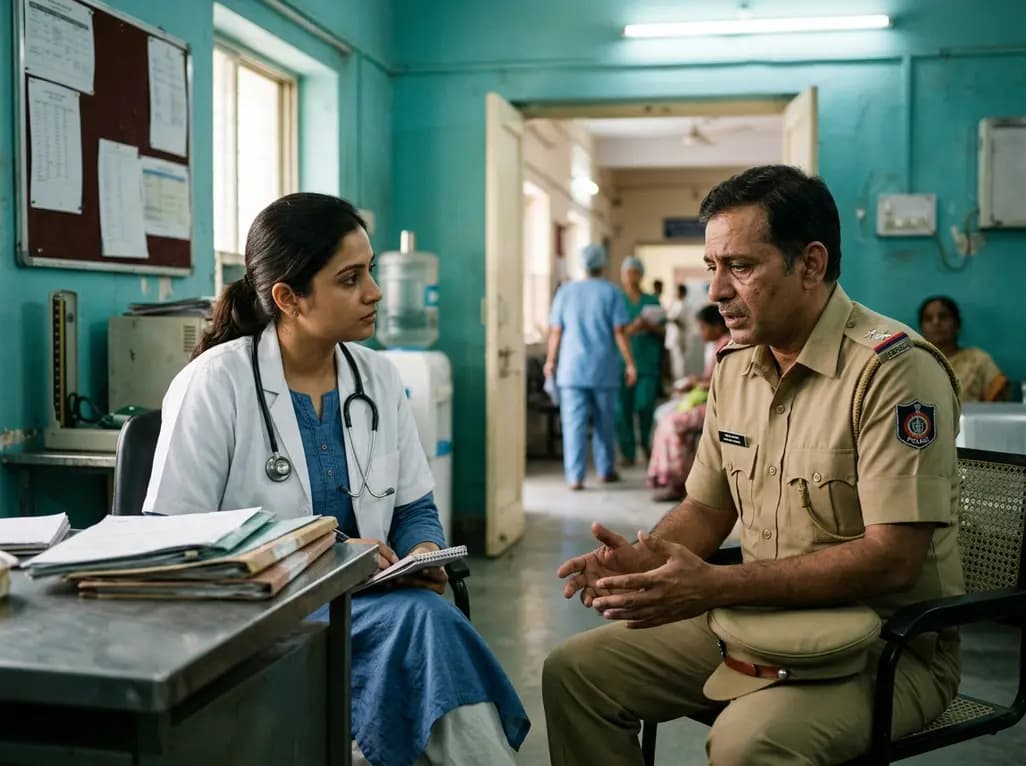
Frontline law enforcement personnel operate in exceptionally demanding environments across the globe. Consequently, police occupational stress represents an urgent occupational health challenge in resource-limited settings and developing nations. A recent multicenter study evaluated 1,224 police officers across four Nigerian states to understand these occupational burdens. The investigators assessed operational pressures, organizational hierarchy, sleep patterns, and psychiatric morbidities using validated diagnostic scales. Furthermore, the findings revealed severe baseline stress across both operational and organizational domains. Officers reported pervasive exhaustion, emotional depletion, and sustained distress. Therefore, healthcare providers must recognize how ongoing operational demands undermine frontline psychological resilience. In addition, routine occupational exposure creates unique physiological strains that require proactive clinical identification. Early detection allows timely supportive counseling before acute stress escalates into debilitating psychological impairment. Moreover, policing in low- and middle-income regions involves distinct environmental challenges, limited tactical equipment, and prolonged working shifts. As a result, officers frequently confront severe chronic strain without adequate institutional debriefing programs. Primary care clinicians and occupational physicians frequently encounter these professionals presenting with non-specific somatic complaints. Hence, evaluating work-related factors is vital for comprehensive psychiatric assessment.
Occupational burdens in policing divide into two principal categories: operational factors and organizational factors. Operational stressors typically involve dangerous encounters, physical violence, traumatic civilian incidents, and life-threatening emergencies. In contrast, organizational stressors involve internal administrative friction, rigid command hierarchies, lack of support, and inadequate resources. In the Nigerian cohort, the mean scores on the Police Stress Questionnaire reached 4.24 for operational stress and 4.20 for organizational stress. Both scores exceed standard thresholds, indicating severe and relentless workplace distress. Interestingly, administrative hurdles created almost identical psychological weight as frontline physical perils. Many officers feel undervalued by administrative management, which deepens emotional fatigue. Furthermore, unsupportive supervision exacerbates frustration among active duty personnel. Clinicians should recognize that organizational dysfunction often harms officer morale more insidiously than field danger. Therefore, occupational health programs must target administrative improvements alongside physical safety protocols. When agencies ignore organizational climate, officer burnout increases exponentially. Additionally, chronic bureaucratic hurdles restrict autonomy and diminish individual problem-solving capacity during intense shifts. Consequently, officers experience continuous cognitive strain even during routine administrative shifts. Healthcare practitioners must therefore evaluate internal agency culture when assessing work-related distress in law enforcement patients.
Chronic occupational stress precipitates profound psychological morbidity among law enforcement officers. In this multicenter investigation, researchers documented psychological distress in 22.9% of participants using the General Health Questionnaire. More alarmingly, sleep disturbances affected 51.8% of surveyed personnel based on Pittsburgh Sleep Quality Index assessments. Poor sleep quality reflects irregular shift rotations, sustained hypervigilance, and prolonged night shifts. Moreover, insomnia impairs executive function, emotional regulation, and tactical situational awareness. Depressive symptoms appeared in 4.7% of officers, while anxiety disorders afflicted 3.1% on standardized screening scales. Furthermore, multivariate analysis demonstrated that operational stress correlates directly with elevated depressive symptom scores on the Patient Health Questionnaire. In contrast, organizational stress did not show this specific independent link. Sleep disturbance remained independently associated with both operational and organizational stress domains. Consequently, chronic insomnia serves as a vital clinical warning sign for emerging affective illness. Physicians evaluating police officers must screen aggressively for persistent sleep disruption. Additionally, untreated sleep deprivation accelerates autonomic dysfunction and elevates long-term cardiovascular risks among active frontline staff. Therefore, early sleep hygiene interventions provide critical therapeutic value for psychiatric prevention in law enforcement cohorts.
Geographic deployment and posting location strongly influence stress severity among law enforcement personnel. The study demonstrated that service location remained an independent predictor of both operational and organizational stress in multivariate models. Different jurisdictions feature markedly disparate security challenges, resource allocation levels, and community hostility. For example, officers stationed in high-crime urban centers face frequent violent confrontations and heavy caseloads. In contrast, rural postings often suffer from acute equipment shortages, extreme social isolation, and delayed medical emergency support. Furthermore, local sociopolitical tensions significantly amplify operational demands on provincial detachments. Consequently, officers in high-risk zones experience accelerated psychological exhaustion compared to peers in quieter commands. Healthcare practitioners must consider duty station characteristics when taking an occupational history. Similarly, police administrators should implement rotation schedules that prevent prolonged exposure to volatile deployment environments. Proactive institutional rotation policies can mitigate cumulative trauma and preserve long-term workforce capability. Moreover, local infrastructural disparities dictate access to recreational facilities, confidential mental health services, and supportive family networks. Thus, regional healthcare planning must adapt clinical psychological resources to address localized high-stress duty environments effectively.
Primary care physicians, psychiatrists, and occupational clinicians must adopt structured screening pathways for law enforcement personnel. Given the high rates of undetected distress, routine annual health examinations should incorporate validated self-report instruments. For instance, clinicians can rapidly deploy the PHQ-9 for depressive symptoms and the GAD-7 for generalized anxiety. Additionally, physicians should incorporate the Pittsburgh Sleep Quality Index to capture early circadian disruption. However, institutional stigma frequently prevents officers from disclosing psychological symptoms voluntarily. Many personnel fear career stagnation, mandatory firearm confiscation, or peer discrimination following psychiatric disclosure. Therefore, confidentiality remains paramount during clinical assessments to foster honest communication. Healthcare providers should also screen for substance misuse, including alcohol and tobacco dependence, using the ASSIST tool. When clinicians detect distress, evidence-based cognitive behavioral therapy offers substantial symptom relief. In addition, mindfulness-based stress reduction programs enhance physiological stress recovery among high-risk civil servants. Furthermore, establishing peer-support initiatives within law enforcement agencies encourages timely self-referral and diminishes clinical stigma. Ultimately, multi-tiered collaborative care models bridge the gap between routine medical consultations and specialized psychiatric interventions for frontline officers.
Chronic occupational stress disrupts normal sleep architecture by sustaining sympathetic nervous system hyperarousal and elevating nocturnal cortisol levels. Consequently, officers experience prolonged sleep onset latency, reduced slow-wave sleep, and frequent nighttime awakenings. Irregular shift rosters further exacerbate circadian desynchronization, which impairs rapid eye movement sleep cycles. Over time, persistent sleep fragmentation elevates vulnerability to clinical depression, cognitive deficits, and cardio-metabolic disorders among active frontline personnel.
Clinicians should implement brief, validated instruments that minimize administrative burden while maximizing diagnostic accuracy. For general psychological distress, the 12-item General Health Questionnaire provides rapid sensitivity. Furthermore, practitioners utilize the Patient Health Questionnaire-9 to evaluate depressive symptom severity and the Generalized Anxiety Disorder-7 to assess pathological anxiety. Additionally, the Pittsburgh Sleep Quality Index and the ASSIST questionnaire effectively capture sleep disturbances and co-occurring substance misuse during routine periodic health examinations.
Although operational trauma involves acute life endangerment, organizational stressors generate unremitting daily friction without clear resolution. Bureaucratic barriers, unsupportive supervision, erratic scheduling, and perceived workplace injustice erode personal psychological autonomy and self-worth over extended periods. Consequently, officers develop feelings of institutional betrayal and chronic alienation. In contrast to field emergencies that conclude after an incident, pervasive administrative pressure denies the nervous system adequate recovery time, perpetuating sustained emotional exhaustion and severe burnout.
Disclaimer: This content is for informational and educational purposes only... Refer to the latest local and national guidelines for clinical practice.
References

Read summarized clinical updates, watch expert medical content, and earn CME certifications right from your smartphone.
Open your smartphone camera to scan and install.





A landmark multicenter study reveals severe levels of operational and organizational stress among police officers. Work-related stressors strongly correlate with sleep disturbances, psychological distress, and depression, highlighting the urgent need for occupational mental health screening and structural reforms.
Today
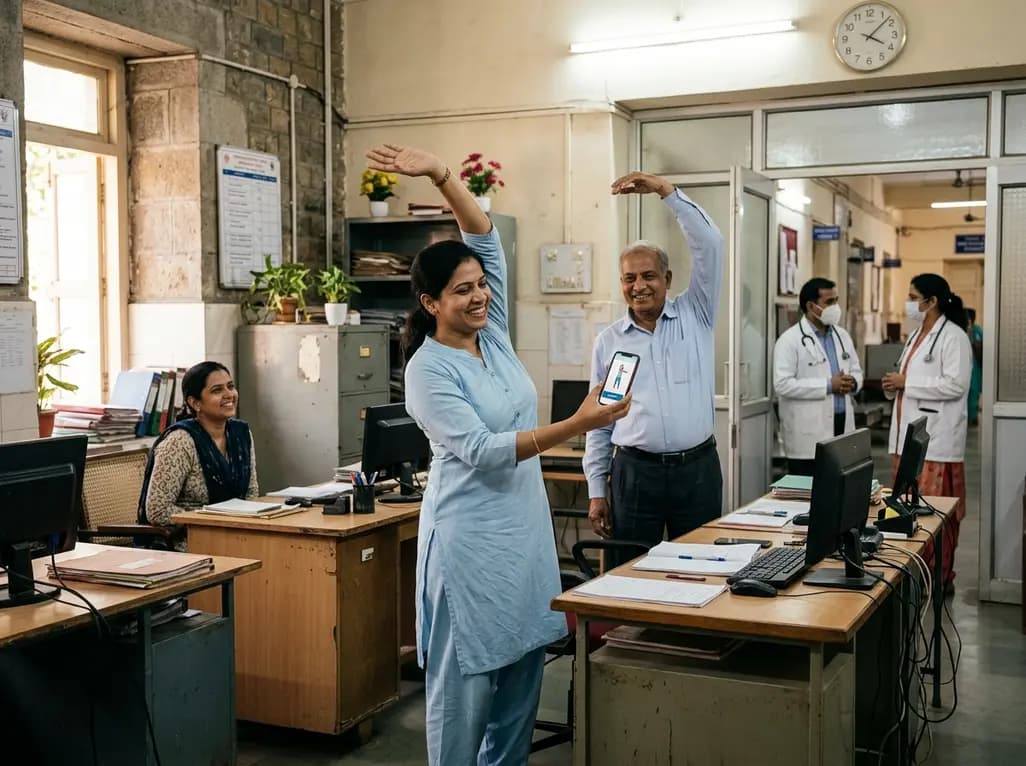
A five-week pilot study demonstrates that app-guided workplace activity breaks significantly improve self-perceived work ability and physical activity among sedentary administrative employees, cutting poor work ability ratings from 27% to 6% and offering a feasible occupational health solution.
Today
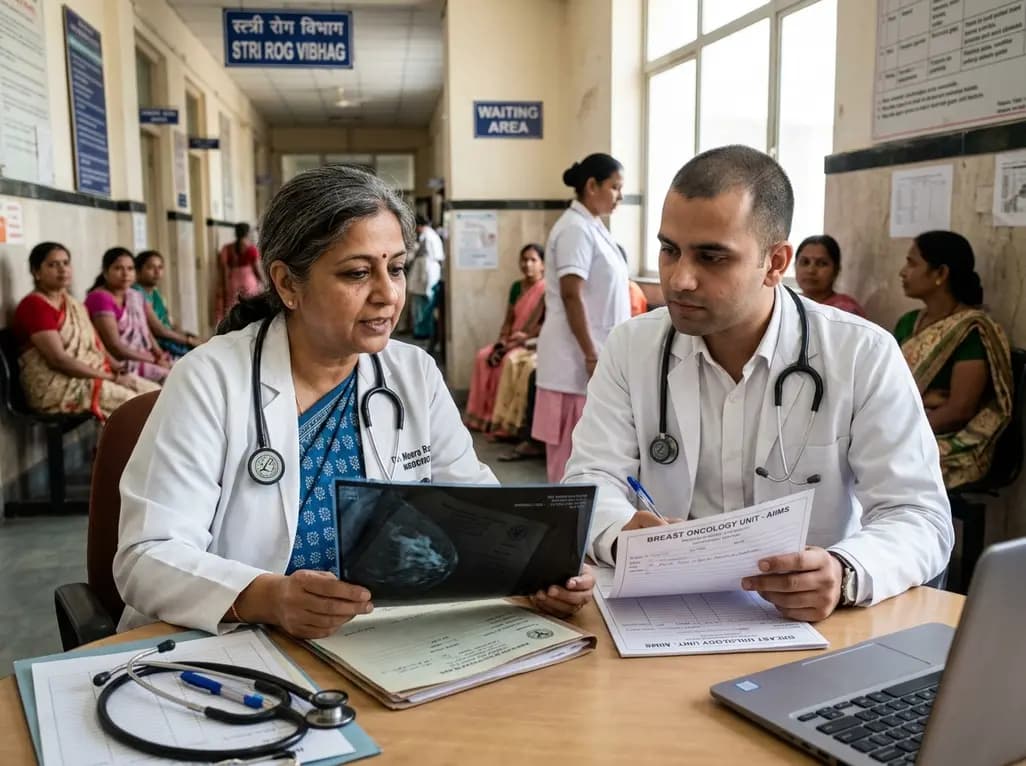
India faces a significant breast cancer survival gap, with five-year survival at 65.7% compared to 87% in high-income nations. Late clinical presentation, dismissal of painless lumps, and inadequate organized screening drive poor outcomes. Addressing systemic delays is crucial to transforming cancer prognosis.
Today

A landmark Lancet Commission analysis reveals that obesity will cause over 23 billion avoidable DALYs by 2100. For healthcare providers, especially in India, combating this crisis demands moving beyond basic BMI metrics to prioritize visceral fat assessment, muscle preservation, and early metabolic intervention.
Today

A novel metronidazole-functionalized Type I photosensitizer transforms intra-articular hypoxia into a therapeutic asset, effectively eliminating MRSA biofilms and resolving septic arthritis without promoting drug resistance.
Today

A longitudinal study reveals that an escalating cardiometabolic disease burden significantly accelerates health-related work cessation among middle-aged adults, highlighting an urgent need for proactive multimorbidity screening and tailored workplace health interventions.
Today
