.webp&w=384&q=75)

Loading, please wait...
Loading, please wait...
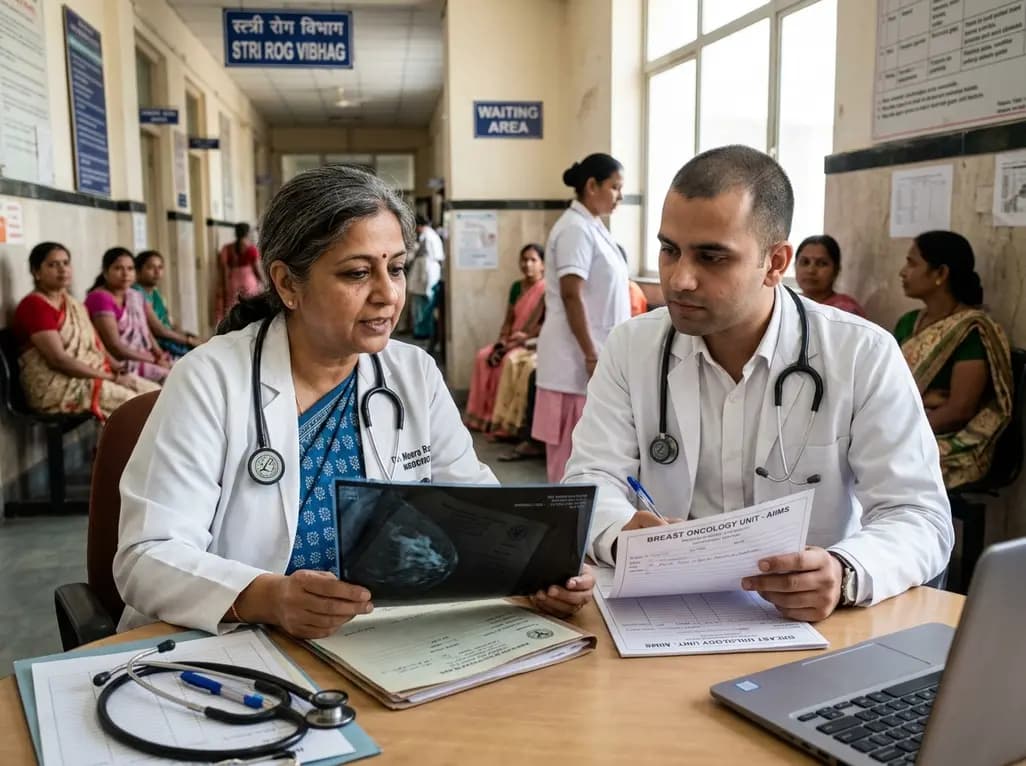
Recent epidemiological assessments reveal critical disparities in breast cancer survival in India compared to global benchmarks. While high-income regions achieve five-year survival rates exceeding eighty-seven percent, India reports approximately sixty-five point seven percent. This alarming survival gap highlights persistent clinical, logistical, and social challenges across the cancer care trajectory. Consequently, healthcare providers must analyze the complex factors driving delayed diagnoses to improve national oncological outcomes.
Global oncology statistics demonstrate that breast malignancy remains a foremost public health threat among women. According to recent World Health Organization reports, breast cancer claimed nearly seven hundred thousand lives globally in 2024. Significantly, low- and middle-income countries shouldered nearly seventy percent of these fatal events. In high-income countries, the five-year relative survival exceeds eighty-seven percent. Meanwhile, registry records across India indicate an average five-year survival rate of barely sixty-five point seven percent. Furthermore, this figure falls noticeably beneath the global median of seventy-seven point eight percent.
This statistical chasm does not reflect therapeutic inadequacy within tertiary oncology institutions alone. Rather, it reveals systemic fractures occurring before patients ever enter specialized hospital wards. Indian registries note that early-stage localized disease permits five-year survival rates above eighty percent. However, metastatic diagnoses drop this survival figure drastically below twenty percent. Thus, the epidemiological gap directly mirrors severe population-level delays in initial disease identification. Healthcare practitioners must acknowledge that timing dictates therapeutic success far more than pharmaceutical innovation alone. Consequently, bridging this wide mortality gap requires comprehensive systemic interventions focused on early detection.
Surgical oncologists emphasize that clinical presentation timing remains the decisive determinant of long-term patient survival. Unfortunately, a vast proportion of Indian women arrive at specialized medical centers with stage III or IV tumors. In rural districts, geographic isolation and limited health literacy frequently prolong this initial diagnostic delay. Nevertheless, clinical evidence shows that affluent urban women experience similar hazardous delays. Many patients observe a distinct breast lump yet postpone clinical evaluation for eight to nine months. Consequently, treatable localized neoplasms expand quietly and metastasize into vital organ systems.
When malignant cells invade regional lymph nodes or distant viscera, therapeutic regimens grow substantially more aggressive and toxic. Complex multimodal interventions requiring neoadjuvant chemotherapy, radical axillary dissection, and comprehensive radiotherapy become mandatory. In contrast, diagnosing early lesions permits breast-conserving surgery, reduces overall morbidity, and dramatically preserves functional quality of life. Therefore, eliminating interval delays between first symptom recognition and primary clinical evaluation saves thousands of lives. Clinicians must actively educate patients that swift medical action directly prevents rapid stage migration and incurable disease progression. Indeed, primary care practitioners serve as the first vital defense line against such catastrophic diagnostic deferrals. Furthermore, prompt clinical triage ensures timely diagnostic imaging before extensive metastasis occurs.
A profound behavioral and cultural barrier in India centers around the misconception that painless lumps represent harmless conditions. Because early breast tumors rarely cause acute pain, patients falsely assume that immediate medical consultation is unnecessary. Furthermore, pervasive cultural conditioning leads women to deprioritize their personal welfare in favor of family responsibilities. Female patients frequently postpone hospital visits during domestic celebrations, elder caregiving duties, or children's academic examinations. Dr. Meenu Walia notes that women often carry deep guilt when placing their health ahead of household obligations.
Additionally, systemic emotional factors such as embarrassment, fear of abandonment, and social stigma discourage open conversations regarding breast changes. Even educated, economically independent professionals suppress noticeable symptoms to prevent family disruptions. Thus, social silence creates an environment where aggressive malignancies develop silently without clinical pushback. Primary care doctors must actively dismantle this harmful mindset during every routine consultation. Practitioners must teach patients that genuine breast health requires proactive vigilance rather than waiting for disabling physical distress. Moreover, routine community discussions help women overcome irrational shame and seek prompt clinical evaluations. Consequently, destigmatizing physical examinations encourages proactive engagement with healthcare providers. Ultimately, fostering open discussions within family units will normalize timely medical interventions for asymptomatic palpable masses. In fact, routine self-checks allow women to recognize subtle physiological deviations before complications emerge.
Western nations maintain structured nationwide screening systems with triennial or biennial invitations, quality-assured mammography units, and organized tracking. However, India currently lacks a centralized, population-wide mammographic screening program. The World Health Organization classifies India among nations lacking an organized national screening architecture. While national non-communicable disease initiatives promote clinical breast examination for women over thirty, implementation coverage remains critically low. For example, NFHS-5 data revealed that barely zero point nine percent of eligible women received formal breast cancer screening.
Furthermore, simply replicating Western mammography guidelines in India presents major clinical and logistical dilemmas. First, Indian women develop breast malignancies roughly a decade earlier than Western cohorts. Younger patients typically exhibit dense glandular tissue that substantially reduces mammographic sensitivity. Additionally, scaling nationwide mammography requires thousands of specialized machines, trained technicians, and rigorous quality assurance. Most importantly, health systems require complete diagnostic ecosystems, including tissue biopsy, histopathology, and prompt surgical referral. Without robust downstream infrastructure, isolated screening initiatives fail to improve overall patient survival. Therefore, health planners must design tailored diagnostic models suited to resource-variable settings. Indeed, establishing localized diagnostic hubs bridges the critical divide between rural outreach and tertiary care. Similarly, training peripheral staff ensures high-quality clinical assessments across remote districts.
Closing India's substantial survival gap necessitates an aggressive transition from passive disease management to active early detection. Health authorities must establish political intent and financial resources toward preventive oncology. Community health workers, including Accredited Social Health Activists, require structured training to perform standardized clinical breast examinations. Furthermore, regional health systems must build reliable referral corridors to ensure that abnormal findings trigger prompt diagnostic tissue core biopsies.
Simultaneously, primary care clinicians should encourage monthly breast self-awareness and opportunistic clinical breast examinations during outpatient visits. Public health campaigns must emphasize that painless masses demand immediate evaluation rather than passive observation. In addition, digital tracking platforms can prevent patient attrition between initial screening and definitive treatment centers. Expanding subsidized diagnostic services through national insurance initiatives further protects economically vulnerable families from devastating financial hardship. Moreover, rapid turnaround times for histopathology ensure that patients initiate neoadjuvant or surgical treatment without administrative delay. Consequently, synchronized clinical pathways maximize curative potential and safeguard patient longevity across all socio-economic strata. Ultimately, optimizing clinical timing represents our greatest opportunity to elevate breast cancer survival. By uniting rigorous clinical vigilance, widespread public awareness, and equitable diagnostic access, Indian healthcare can overcome the survival divide. Hence, every stakeholder must champion preventive initiatives to secure better prognostic outcomes nationwide.
Q1: Why does India exhibit a lower breast cancer survival rate compared to Western nations?
The stark discrepancy in survival stems primarily from advanced disease staging at presentation. In high-income countries, robust screening detects tumors at stage I or II. In contrast, over half of Indian patients arrive with stage III or IV malignancy. Furthermore, limited diagnostic infrastructure, uneven geographic distribution of oncologists, and widespread socio-cultural hesitation exacerbate these clinical delays. Addressing these core bottlenecks remains vital to narrowing the international outcome divide.
Q2: Why do patients frequently ignore asymptomatic, painless breast lumps?
Many women mistakenly equate physical pain with medical severity. Therefore, they frequently ignore painless breast lumps for multiple months. Moreover, pervasive social conditioning encourages women to prioritize domestic and caregiving duties above personal health. Fear of cancer stigma, anxiety regarding invasive treatments, and persistent financial concerns further compound this delay. Consequently, curable primary lesions advance into complex systemic diseases before patients eventually seek expert oncological care.
Q3: Why is Western mammography screening difficult to replicate directly across India?
Western screening protocols rely heavily on routine biennial or triennial mammograms for older demographics. However, Indian women present with breast malignancies approximately a decade younger than Western cohorts. Dense breast tissue in younger cohorts significantly reduces the sensitivity of routine mammography. In addition, massive logistical demands, equipment expenses, and workforce shortages preclude universal mammographic screening. Therefore, health authorities prioritize regular clinical breast examinations combined with targeted diagnostic ultrasound pathways.
Disclaimer: This content is for informational and educational purposes only. It does not constitute medical advice or replace professional judgment. Refer to the latest local and national guidelines for clinical practice.
References

Read summarized clinical updates, watch expert medical content, and earn CME certifications right from your smartphone.
Open your smartphone camera to scan and install.





India faces a significant breast cancer survival gap, with five-year survival at 65.7% compared to 87% in high-income nations. Late clinical presentation, dismissal of painless lumps, and inadequate organized screening drive poor outcomes. Addressing systemic delays is crucial to transforming cancer prognosis.
Today

Delayed reimbursement of adalimumab biosimilars under Australia's PBS resulted in hundreds of millions in foregone savings. This policy analysis underscores the importance of swift regulatory translation and pricing designs to expand patient access in autoimmune diseases like rheumatoid arthritis and Crohn's.
Today

A landmark Lancet Commission analysis reveals that obesity will cause over 23 billion avoidable DALYs by 2100. For healthcare providers, especially in India, combating this crisis demands moving beyond basic BMI metrics to prioritize visceral fat assessment, muscle preservation, and early metabolic intervention.
Today
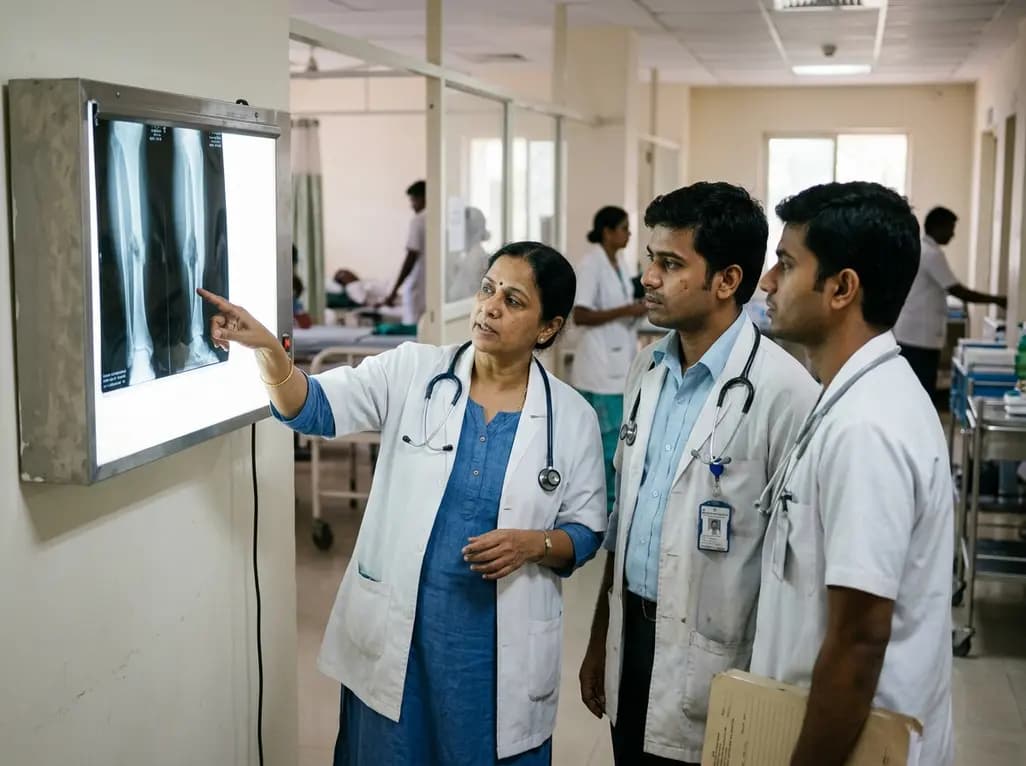
Researchers have engineered an injectable hydrogel delivering SDF-1 and MXene photothermal therapy to coordinate stem cell homing and metabolic rescue, driving robust bone-vascular regeneration in critical-sized skeletal defects.
Today

A longitudinal study reveals that an escalating cardiometabolic disease burden significantly accelerates health-related work cessation among middle-aged adults, highlighting an urgent need for proactive multimorbidity screening and tailored workplace health interventions.
Today
