

Loading, please wait...
Loading, please wait...
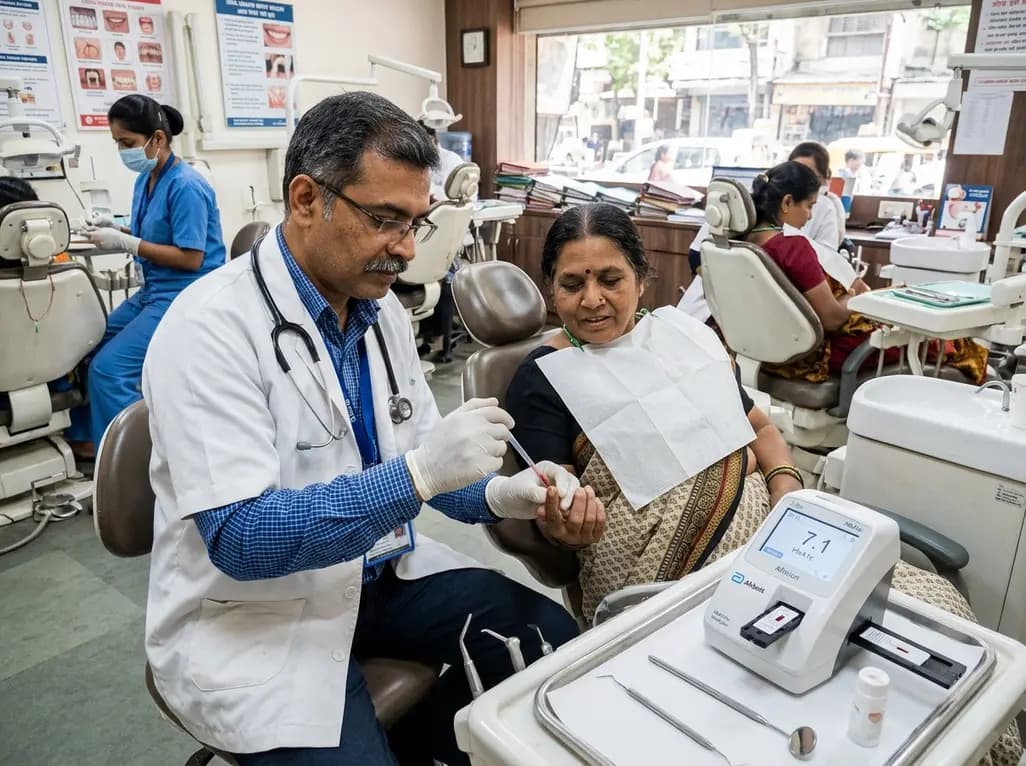
Routine dental checkups offer an unprecedented clinical opportunity to identify metabolic disorders before systemic complications manifest. Today, point-of-care HbA1c screening enables dental practitioners to detect hidden dysglycemia during routine periodontal and preventive examinations. Because chronic hyperglycemia impairs oral healing and accelerates alveolar bone loss, dental teams frequently encounter patients who remain unaware of their impaired carbohydrate metabolism. Consequently, integrating rapid chairside evaluations effectively bridges the long-standing diagnostic gap between dental practice and primary medical care.
Dental professionals increasingly recognize that periodontitis and type 2 diabetes share a bidirectional pathobiology. Chronic periodontal infection triggers systemic immune activation, which markedly impairs insulin sensitivity. Conversely, persistent systemic hyperglycemia promotes advanced glycation end-product accumulation in periodontal tissues, accelerating attachment loss. Because many individuals visit dental clinics more regularly than they schedule general medical checkups, dental offices represent ideal diagnostic environments.
Furthermore, point-of-care HbA1c screening requires only a rapid capillary fingerstick blood sample. It produces accurate, actionable quantitative results in under ten minutes. This rapid turnaround allows dental practitioners to counsel patients immediately. Clinicians can actively integrate metabolic findings into surgical risk assessments and periodontal treatment planning. In addition, chairside screening demystifies diabetes evaluation for asymptomatic individuals. Therefore, adopting this diagnostic tool transforms routine dental visits into proactive public health interventions, enhancing systemic and oral wellness.
A recent cross-sectional investigation of 904 adult dental patients provides compelling real-world evidence regarding screening yield. Specifically, researchers observed that 27.3% of the screened cohort had elevated glycated hemoglobin levels matching prediabetes or diabetes criteria. Notably, 7.0% of participants exhibited HbA1c values at or above 6.5%, meeting the established threshold for diabetes mellitus. Another 20.3% of participants demonstrated prediabetes values between 5.7% and 6.4%.
Moreover, the study highlighted an alarming awareness deficit among screened individuals. Among the 247 patients found to have elevated HbA1c levels, 60.7% reported having no prior clinical suspicion or concern regarding their glycemic health. This lack of awareness escalated to 70.1% among patients in the prediabetes category. These striking findings prove that early glucose dysregulation remains predominantly silent. Consequently, common oral signs like severe periodontitis, recurrent gingival abscesses, or poor healing should immediately prompt dental clinicians to initiate objective screening.
Beyond identifying hidden dysglycemia, the study revealed significant disconnects in routine healthcare utilization. Overall, 31.5% of dental attendees reported having no active relationship with a primary care provider. This lack of engagement directly correlated with missed diagnostic opportunities. In fact, multivariable logistic regression confirmed that patients not engaged with primary care had a 4.25-fold higher adjusted odds of reporting no prior glycemic concern.
Thus, dental practices frequently serve as the initial, independent entry point into the broader healthcare system. Many working adults maintain regular dental cleanings while skipping annual physician visits. Consequently, dental practitioners are ideally positioned to intercept metabolic deterioration before microvascular damage occurs. When dentists identify elevated HbA1c values, they can establish prompt referral channels to family physicians and endocrinologists. This interdisciplinary coordination guarantees confirmatory venous testing, early lifestyle counseling, and timely pharmacotherapeutic intervention.
Detecting elevated HbA1c levels directly improves chairside safety and therapeutic decision-making. Persistent hyperglycemia alters polymorphonuclear leukocyte function, suppresses fibroblast activity, and impairs collagen synthesis within gingival tissues. Consequently, patients with unmanaged diabetes or undiagnosed prediabetes experience compromised wound healing and elevated post-treatment infection risks. For example, elective periodontal surgeries, extensive bone grafts, and dental implant placements carry higher failure rates when glycemic control remains unaddressed.
Furthermore, effective periodontal debridement exerts a measurable beneficial effect on systemic metabolism. Systematic reviews show that thorough nonsurgical periodontal therapy can reduce systemic HbA1c levels by approximately 0.3% to 0.5% within three to six months. Dental professionals should actively communicate this reciprocal relationship to patients. When screening identifies an HbA1c level of 5.7% or greater, dentists can customize antimicrobial protocols and monitor tissue responses closely. As a result, chairside glycemic testing directly optimizes both procedural safety and long-term oral outcomes.
Despite clear public health advantages, integrating point-of-care testing into routine dental workflows requires deliberate operational planning. Practices must address equipment acquisition, regulatory standards, calibration procedures, and staff education. Fortunately, auxiliary team members, such as dental hygienists and clinical assistants, can readily master capillary fingerstick sampling and device handling. Furthermore, dental teams must adopt clear communication scripts to discuss elevated numbers without inducing patient panic.
Crucially, dental clinicians must emphasize that chairside testing represents screening rather than formal diagnosis. Practitioners should provide structured referral summaries documenting the patient's periodontal status, capillary HbA1c value, and medical history for the consulting physician. In addition, dental clinics should establish reasonable fee structures and transparent clinical workflows to ensure economic viability. By embedding these standardized steps into daily hygiene appointments, dental offices can sustain effective screening without delaying procedural appointments.
Historically, medicine and dentistry have functioned in isolated silos, limiting preventive care efficacy. However, the escalating global diabetes epidemic demands close interprofessional collaboration between physicians and dental practitioners. Medical doctors should recognize severe periodontitis as an important clinical indicator of glycemic instability, referring patients for routine oral examinations. Reciprocally, dental surgeons must screen high-risk patients and direct suspected cases to medical teams.
Additionally, modern electronic health records offer promising avenues to facilitate seamless communication between dental clinics and medical centers. Shared documentation enables physicians to review periodontal health records and allows dentists to check recent laboratory values. Professional medical and dental associations should publish joint clinical guidelines that endorse chairside diabetes screening in oral healthcare settings. Ultimately, transforming the dental chair into an opportunistic diagnostic station empowers clinicians to diagnose metabolic dysfunction years earlier, effectively safeguarding long-term systemic health.
No, a dentist cannot formally diagnose diabetes using a point-of-care screening tool. Point-of-care capillary HbA1c devices serve strictly as rapid screening instruments to identify individuals at elevated risk. Although these chairside devices offer high diagnostic accuracy, formal clinical guidelines require confirmatory venous blood testing in an accredited laboratory. Therefore, dental practitioners must promptly refer patients with HbA1c values at or above 5.7% to primary care physicians or endocrinologists for definitive diagnosis and comprehensive management.
Prediabetes is critical to identify because it remains entirely asymptomatic in most individuals while actively accelerating microvascular damage and periodontal inflammation. When detected early through chairside testing, patients can implement targeted dietary adjustments, physical activity regimens, and structured weight management. These interventions can successfully reverse glucose dysregulation and prevent progression to full-blown type 2 diabetes. Consequently, identifying impaired glycemia during preventive dental visits empowers individuals to alter their metabolic trajectory before irreversible complications develop.
Chronic periodontal disease creates a persistent submucosal reservoir of pathogenic Gram-negative bacteria that generates systemic inflammation. Proinflammatory cytokines, including tumor necrosis factor-alpha and interleukin-6, circulate throughout the bloodstream and induce systemic insulin resistance. As a consequence, periodontal inflammation impairs glycemic control in patients with diabetes and accelerates metabolic decompensation in predisposed individuals. Fortunately, effective nonsurgical periodontal therapy reduces circulating inflammatory mediators, thereby significantly improving insulin sensitivity and lowering systemic HbA1c levels over time.
Disclaimer: This content is for informational and educational purposes only and should not replace clinical judgment. Healthcare providers must evaluate individual patient presentations thoroughly. Refer to the latest local and national guidelines for clinical practice.
References

Read summarized clinical updates, watch expert medical content, and earn CME certifications right from your smartphone.
Open your smartphone camera to scan and install.





A cross-sectional study shows point-of-care HbA1c screening in dental settings detects elevated glycemia in 27.3% of adults. Over 60% of these patients had no prior glycemic concerns, especially those disconnected from primary care, highlighting the dental chair as an opportunistic screening site.
Today

A landmark 15-year follow-up study in rural Bangladesh evaluates the long-term impact of community-based participatory women's groups on maternal survival, offspring mortality, and adolescent physical growth, offering vital insights for maternal-child health policy in South Asia.
Today

Discover how structured coaching, mentoring, and sponsorship frameworks sustain congenital cardiologists across their careers, enhancing technical competence, well-being, and equity.
Today
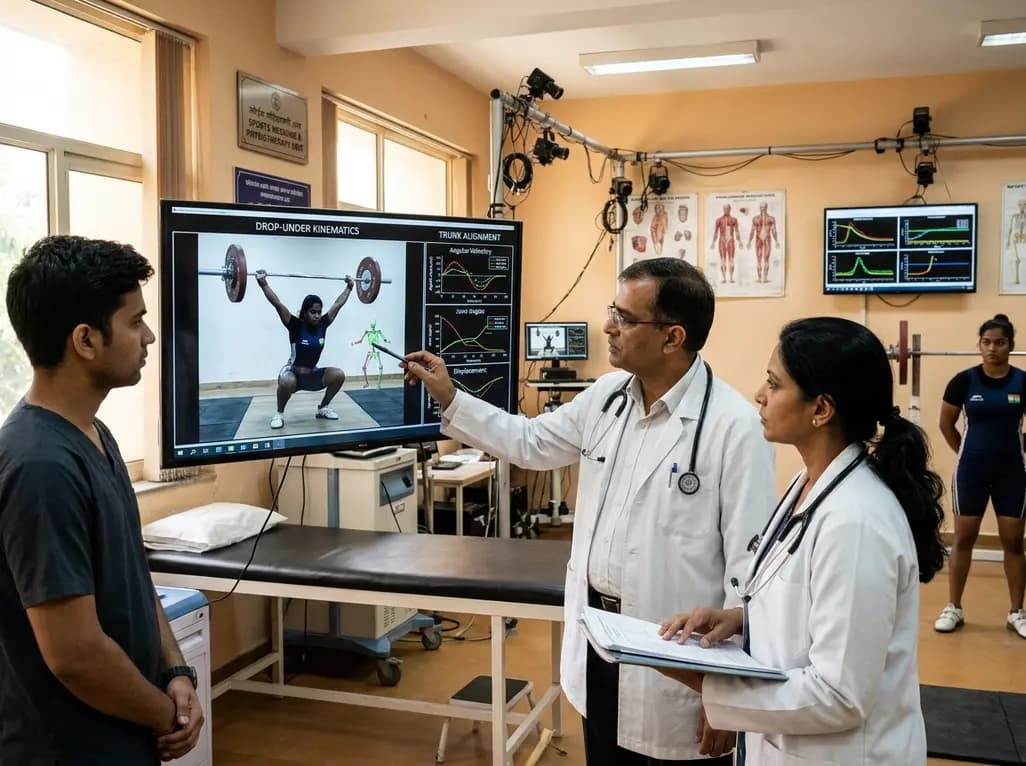
A systematic review of 15 studies and 574 competitive weightlifters establishes normative benchmarks for snatch drop-under kinematics, highlighting turnover speed, horizontal displacement, and trunk alignment to optimize performance and prevent overhead injuries.
Today
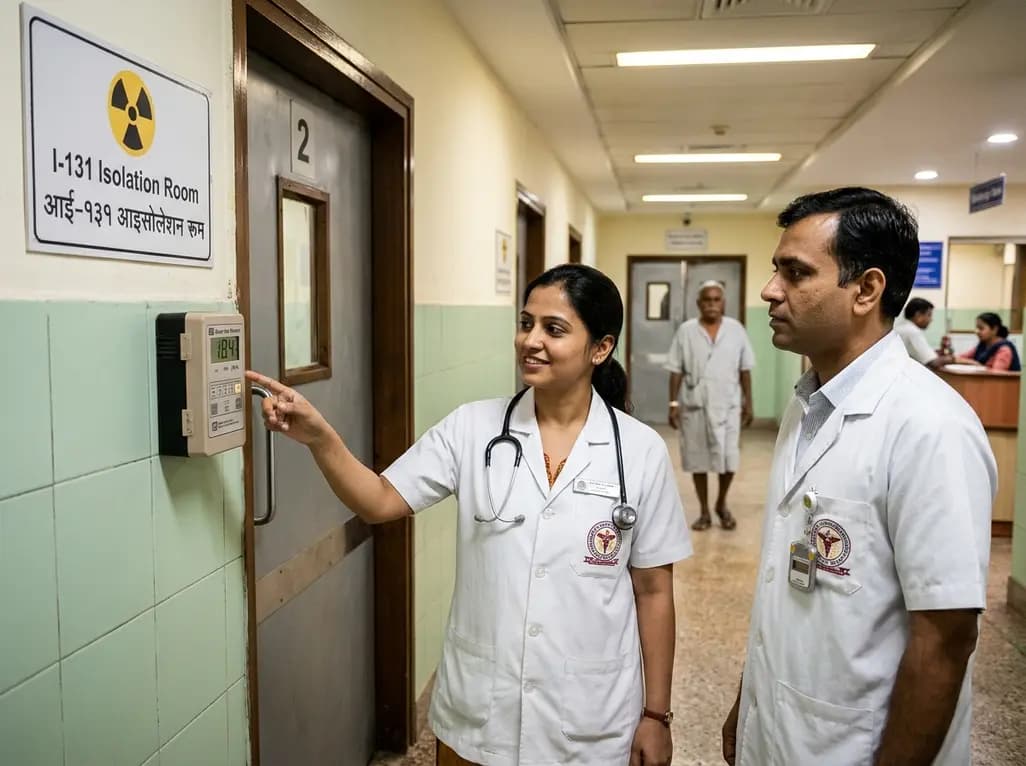
A landmark study establishes cut-offs for administered I-131 activity and day-1 external dose rates to accurately predict isolation duration in differentiated thyroid cancer, improving discharge planning and radiation safety.
Today
