

Loading, please wait...
Loading, please wait...
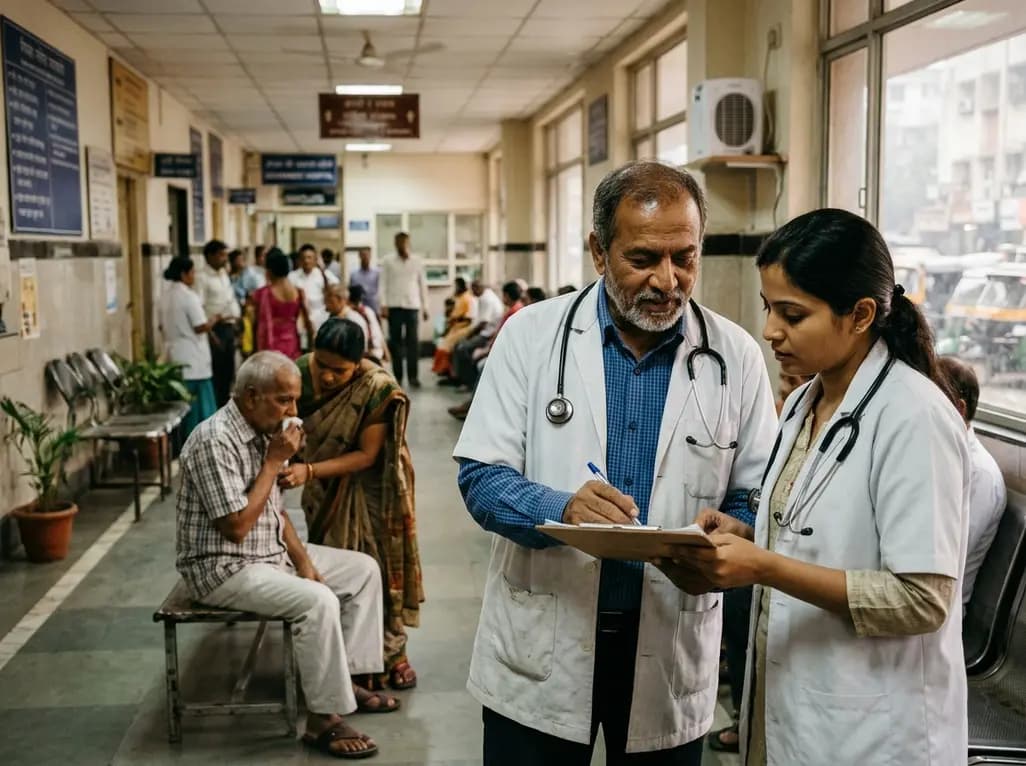
Long-term exposure to ambient particulate air pollution poses a grave threat to human longevity and healthy aging. Recent epidemiological investigations reveal that chronic exposure to fine particulate matter significantly influences frailty trajectories among middle-aged and older adults. Frailty represents a multisystem physiological vulnerability characterized by diminished functional reserve and heightened susceptibility to external stressors. Rather than developing suddenly, frailty evolves dynamically over time along distinct biological pathways. When environmental toxins infiltrate the cardiopulmonary system, they instigate systemic inflammation, metabolic derangements, and neuromuscular decline. Consequently, clinicians must recognize that ambient air pollution is not merely a respiratory hazard but a key driver of accelerated functional senescence. Understanding these dynamic patterns provides valuable guidance for timely preventive medicine and individualized geriatric assessment.
The landmark investigation by Lin and colleagues evaluated 10,659 participants from the China Health and Retirement Longitudinal Study to identify longitudinal patterns of physical decline. Researchers utilized group-based trajectory modeling to track participants over extended follow-up intervals. The analysis distinguished three distinct trajectories across the cohort: stable low frailty (63.95%), increased to frailty (29.00%), and continuously worsening frailty (7.05%). These classifications clearly demonstrate that functional decline does not follow an identical path for every individual.
Furthermore, the investigators correlated these trajectories with high-resolution satellite-derived PM2.5 concentration data from Dalhousie University. Ordered logistic regression analysis revealed that each 10 μg/m³ increment in ambient PM2.5 exposure elevated the odds of moving into the worsening frailty trajectories by 15.2% and 12.3%, respectively. Therefore, ambient airborne toxic exposure directly accelerates the cumulative burden of physiological deficits. Middle-aged adults exposed to chronic pollution frequently enter accelerated paths of functional impairment decades before classical geriatric boundaries. These robust findings reinforce global epidemiological observations linking ambient particulate exposures to premature functional dependency and accelerated multimorbidity.
Inhaled fine particulates measure less than 2.5 microns in aerodynamic diameter, enabling them to bypass normal upper airway filtration. Consequently, these microscopic particles penetrate deep into the pulmonary alveoli and translocate directly into the systemic circulation. Once within the bloodstream, PM2.5 particles trigger a persistent cascade of oxidative stress and endothelial dysfunction. In response, alveolar macrophages release elevated concentrations of inflammatory cytokines, including interleukin-6 and tumor necrosis factor-alpha.
Moreover, these circulating pro-inflammatory mediators induce progressive sarcopenia by disrupting myofibrillar protein synthesis and promoting mitochondrial decay within skeletal muscle fibers. As a result, affected individuals experience gradual muscle wasting, persistent muscular weakness, and slowed gait velocity. In addition, persistent vascular inflammation damages cerebral microvasculature, thereby compromising cognitive processing and balance regulation. Autonomic dysregulation represents another critical pathway, as particulate exposure impairs heart rate variability and elevates baseline blood pressure. Ultimately, this diffuse multisystem damage accumulates gradually over decades, eroding biological resilience and pushing aging adults along adverse frailty trajectories.
Interestingly, the association between ambient air pollution and functional decline does not occur uniformly across all demographics. The study specifically investigated potential effect modification by personal socioeconomic position and lifestyle habits, revealing notable interactions. The researchers calculated the relative excess risk due to interaction to quantify these complex biological relationships. High socioeconomic status exhibited a significant antagonistic effect against PM2.5-induced physical decline, yielding an interaction metric of -0.067. Higher income and education provide better nutrition, access to indoor air filtration, superior medical care, and safer housing environments.
Conversely, unhealthy sleep duration demonstrated a synergistic adverse effect alongside particulate matter exposure, producing an interaction value of 0.163. Both abnormally short sleep and excessively prolonged sleep exacerbate systemic neuroendocrine disturbances, impair nighttime glymphatic clearance, and amplify chronic systemic inflammation. Therefore, individuals who endure poor sleep patterns face substantially higher vulnerability when exposed to polluted atmospheric conditions. In contrast, restorative nocturnal sleep stabilizes cellular repair mechanisms and supports endogenous antioxidant defenses. Clinicians should consequently evaluate sleep hygiene alongside environmental exposures when assessing comprehensive health trajectories.
These compelling epidemiological findings hold immense clinical significance for physicians practicing across the Indian subcontinent. India currently faces a dual public health challenge marked by severe air quality degradation and a rapidly expanding geriatric population. According to recent demographic analyses, hundreds of millions of Indian citizens reside in regions where ambient PM2.5 concentrations routinely exceed international health guidelines. Furthermore, widespread exposure to indoor biomass combustion, agricultural residue burning, and vehicular emissions exacerbates this toxic environmental burden.
Consequently, clinicians in India must recognize that frailty symptoms often present at considerably younger chronological ages compared to Western benchmarks. The Longitudinal Ageing Study in India previously demonstrated that poor ventilation and ambient pollution independently correlate with functional deficits among older cohorts. Because socioeconomic disparities remain pronounced across urban slums and rural settlements, socially disadvantaged elderly populations face compounded risks. Inadequate access to clean cooking fuels, cramped housing, and financial precarity directly limit personal protective capabilities. Therefore, Indian physicians must proactively screen vulnerable middle-aged and older adults for early functional frailty, especially in heavily polluted industrial and urban corridors.
To counter the harmful effects of particulate pollution on functional independence, clinicians must implement multifaceted, proactive interventions in routine outpatient practice. First, general practitioners and geriatricians should routinely calculate deficit accumulation indices during annual health evaluations. Using standardized assessment tools, such as the Clinical Frailty Scale, enables clinicians to identify functional deficits during their initial, reversible stages. In addition, healthcare providers should counsel susceptible individuals on actionable environmental exposure reduction techniques. For example, patients should monitor local daily air quality indices, minimize strenuous outdoor exercise during peak pollution hours, and utilize high-efficiency indoor air purifiers when feasible.
Furthermore, physicians must address modifiable behavioral risk factors to build physiological resilience against environmental stress. Structured resistance exercise training and dietary protein optimization help preserve skeletal muscle mass against pollution-induced sarcopenia. Concurrently, clinicians should screen for underlying sleep disorders, such as obstructive sleep apnea, and actively promote healthy sleep hygiene. Providing behavioral counseling to secure seven to eight hours of restorative sleep significantly attenuates systemic vulnerability. Ultimately, integrating environmental medicine principles into primary care empowers physicians to alter frailty trajectories and preserve long-term functional autonomy.
Fine particulate matter penetrates deeply into the pulmonary alveoli, directly entering systemic circulation. Once absorbed, it triggers persistent oxidative stress, endothelial damage, and systemic inflammation. Circulating inflammatory cytokines accelerate skeletal muscle breakdown, impair mitochondrial function, and damage vascular beds across vital organ systems. Consequently, physiological reserves decline steadily, which accelerates the transition from robust physical health to severe, irreversible frailty trajectories.
Unhealthy sleep duration, including both severe sleep deprivation and excessive sleep, alters neuroendocrine equilibrium and stimulates pro-inflammatory cytokines. This sleep-induced metabolic dysfunction acts synergistically with fine particulate matter toxicity, accelerating neuromuscular decay and cellular oxidative injury. Conversely, obtaining optimal restorative sleep preserves nighttime glymphatic clearance and strengthens endogenous antioxidant responses, thereby buffering the body against environmental pollutants and helping maintain physical resilience.
Primary care physicians should advise elderly patients to monitor local air quality indices and avoid outdoor exertion during peak smog hours. Inside the home, utilizing certified particulate air filters and ensuring adequate ventilation during cooking mitigates toxic exposures. Additionally, clinicians should prescribe structured resistance exercises, optimize daily dietary protein intake, and treat chronic insomnia, as these targeted interventions preserve functional independence.
Disclaimer: This content is for informational and educational purposes only and should not be taken as professional medical advice. Healthcare professionals must exercise independent clinical judgment when evaluating environmental health risks, geriatric vulnerability, and multimorbidity management. Refer to the latest local and national guidelines for clinical practice.
References

Read summarized clinical updates, watch expert medical content, and earn CME certifications right from your smartphone.
Open your smartphone camera to scan and install.





A nationwide cohort study demonstrates that long-term PM2.5 exposure significantly accelerates worsening frailty trajectories in aging adults. Higher socioeconomic status attenuates this vulnerability, while unhealthy sleep duration amplifies adverse outcomes, highlighting vital prevention priorities.
Today

A retrospective study evaluates contrast-associated acute kidney injury (CA-AKI) incidence in oncology patients receiving active chemotherapy with preserved renal function, highlighting low overall risk and timing considerations.
Today

A landmark study evaluates artificial intelligence models and prompting strategies in qualitative lupus pregnancy research, revealing that few-shot prompting in advanced LLMs reliably captures maternal experiences, clinical anxieties, and perinatal outcomes across diverse languages.
Today
A cross-sectional study in Zanzibar reveals that 46.5% of adults with type 2 diabetes experience multidomain autonomic dysfunction on the COMPASS-31 tool, primarily orthostatic intolerance, while 45.9% exhibit cardiovascular autonomic neuropathy, highlighting the urgent need for structured clinical screening.
Today
A pilot case-control study reveals that severe preoperative functional impairment, rather than tear size, predicts graft retear following arthroscopic superior capsule reconstruction using a biceps autograft. Despite structural failures, patients achieved equivalent functional gains exceeding clinical thresholds.
Today
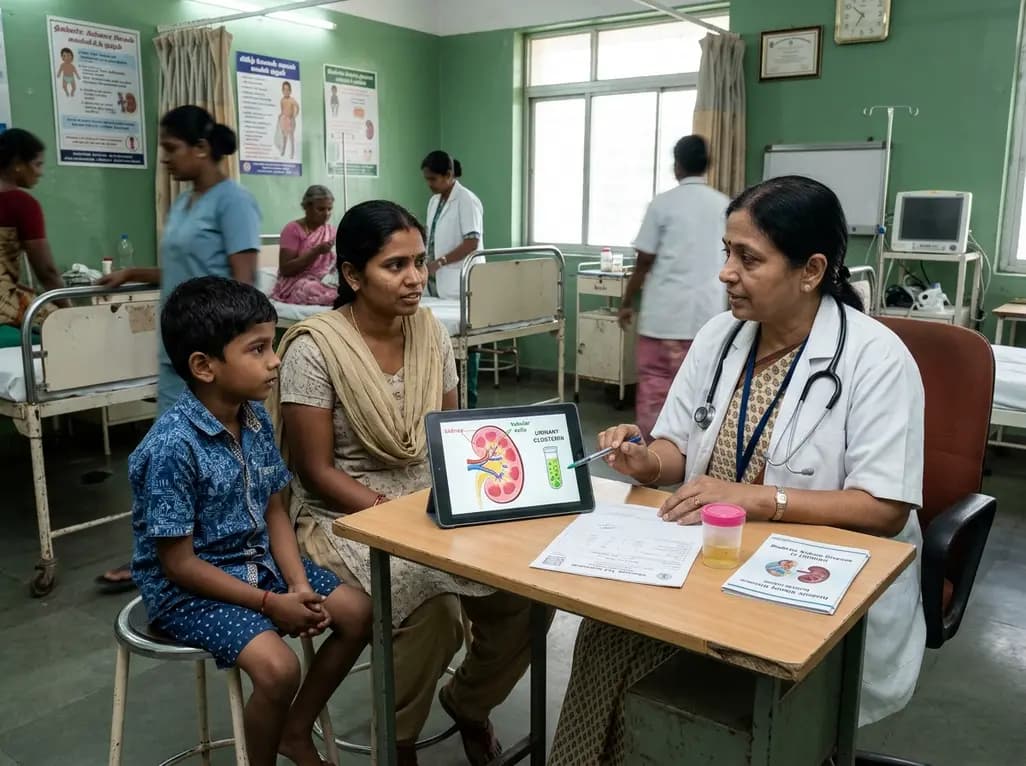
A recent case-control study reveals that urinary clusterin provides superior diagnostic performance for early diabetic kidney disease detection in pediatric type 1 diabetes mellitus, identifying tubular damage before conventional microalbuminuria occurs.
Today
