

Loading, please wait...
Loading, please wait...
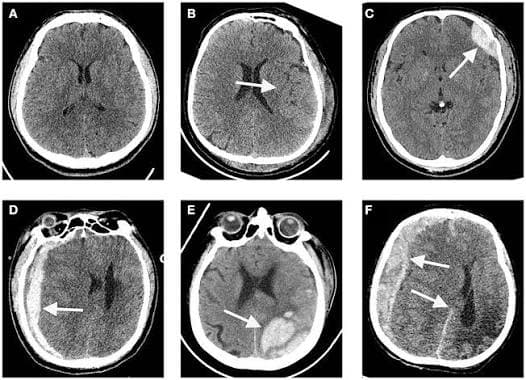
This TRACK-TBI analysis sought plasma glial fibrillary acidic protein (GFAP) and UCH-L1 thresholds with high positive predictive value (PPV) for intracranial pathology in patients evaluated at level I trauma centres with Glasgow Coma Scale scores of 13–15. Blood samples were collected within 24 hours of injury. Among 1,718 participants, 633 (37%) had acute intracranial findings on CT. In CT-negative patients, day-1 GFAP discriminated those with MRI-detected pathology from those with normal MRI better than UCH-L1 (AUC 0.76, 95% CI 0.71–0.81 vs 0.60, 95% CI 0.55–0.65). Median GFAP cutoffs of 1,382 pg/mL and 2,317 pg/mL achieved adjusted PPVs of 0.90 and 0.98, respectively, for MRI-positive findings among CT-negative patients.

Read summarized clinical updates, watch expert medical content, and earn CME certifications right from your smartphone.
Open your smartphone camera to scan and install.





This TRACK-TBI analysis sought plasma glial fibrillary acidic protein (GFAP) and UCH-L1 thresholds with high positive predictive value (PPV) for intracranial pathology in patients evaluated at level I trauma centres with Glasgow Coma Scale scores of 13–15. Blood samples were collected within 24 hours of injury. Among 1,718 participants, 633 (37%) had acute intracranial findings on CT. In CT-negative patients, day-1 GFAP discriminated those with MRI-detected pathology from those with normal MRI better than UCH-L1 (AUC 0.76, 95% CI 0.71–0.81 vs 0.60, 95% CI 0.55–0.65). Median GFAP cutoffs of 1,382 pg/mL and 2,317 pg/mL achieved adjusted PPVs of 0.90 and 0.98, respectively, for MRI-positive findings among CT-negative patients.
Today

A qualitative study investigates whether traditional bedside clinical examinations still mirror contemporary physician practice. Findings support retaining long cases while reforming short cases toward hypothesis-driven assessments.
Today
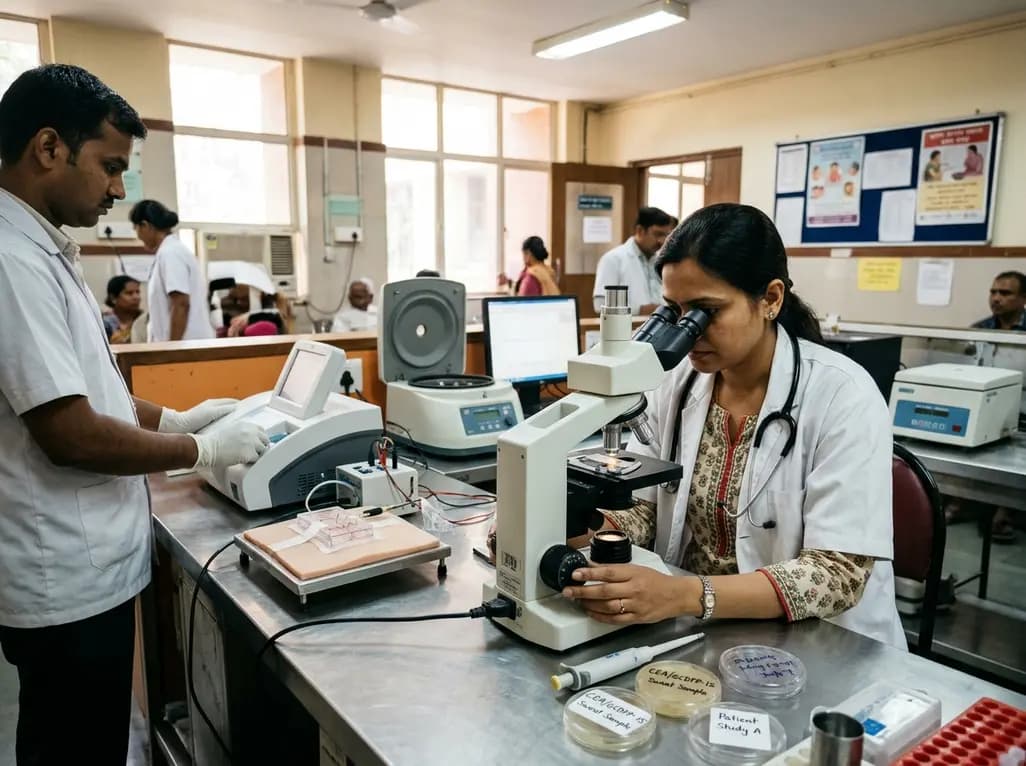
A pilot study evaluated WearDOXXN, a capillary microfluidic sweat patch, for noninvasive breast cancer monitoring by comparing sweat and serum CEA and PIP/GCDFP-15 levels.
Today

India faces a massive diabetes burden with over 89 million adults affected. Managing blood sugar in isolation fails to prevent severe cardiorenal complications. Clinicians must adopt an integrated metabolic ecosystem that prioritizes early detection, multifactorial risk assessment, and personalized therapies.
Today
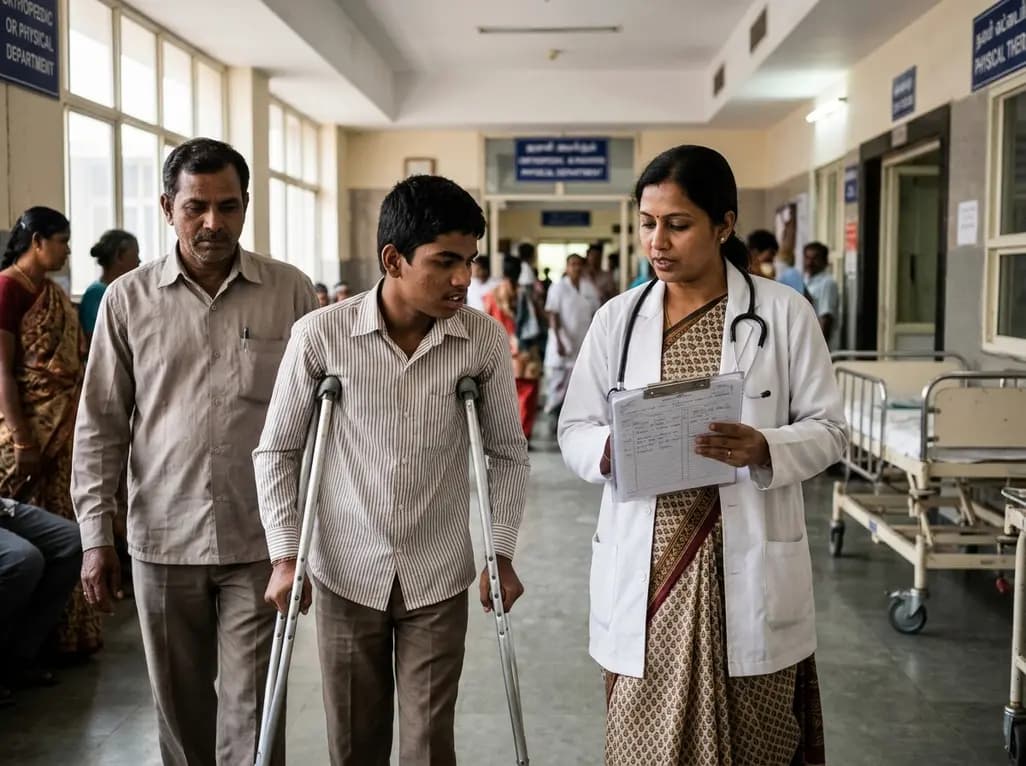
The Gross Motor Function Classification System (GMFCS) stops its validated age bands at 18. Recent evidence emphasizes that evaluating adult cerebral palsy requires purpose-sensitive documentation combining adolescent ratings with dynamic profiles of mobility, fatigue, pain, and community participation.
Today

A breakthrough 3D-printed piezoelectric collagen hydrogel activated by ultrasound accelerates diabetic wound repair, demonstrating 98.5% wound closure, robust antibacterial action, and enhanced vascularization without toxic chemical crosslinkers.
Today
