.webp&w=384&q=75)

Loading, please wait...
Loading, please wait...
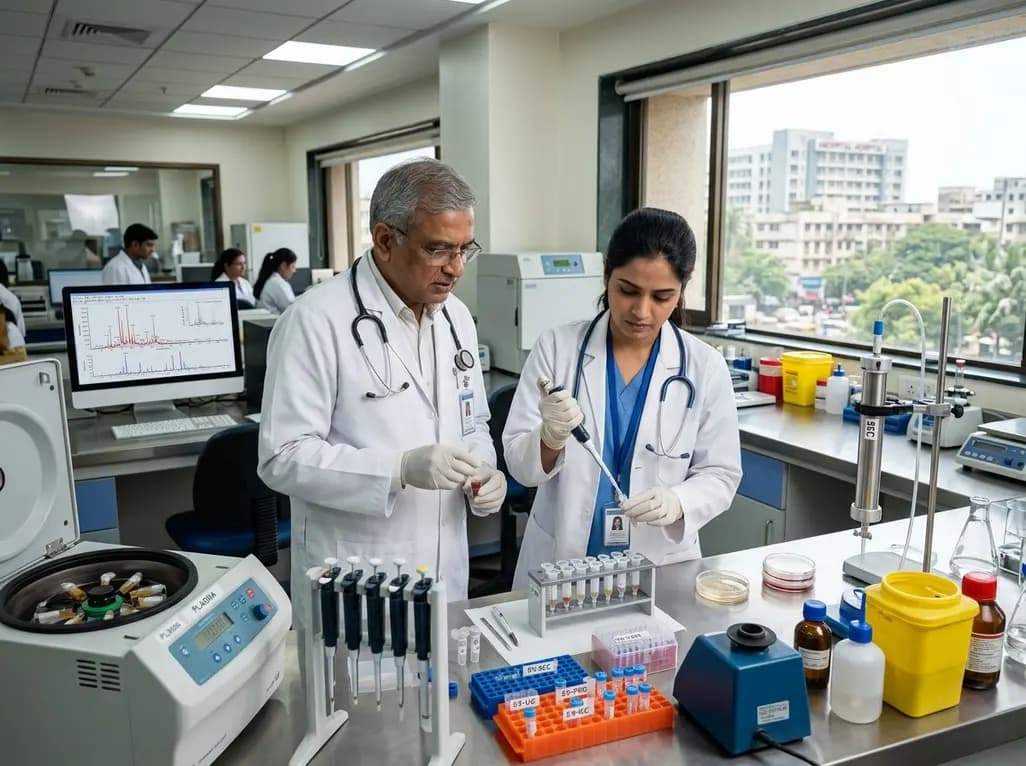
Extracellular vesicles (EVs) hold immense diagnostic potential in liquid biopsy, oncology, and precision medicine. However, translating EV research into standardized clinical laboratory workflows remains challenging because pre-analytical protocols introduce substantial variability. Selecting the optimal extracellular vesicle isolation technique determines the composition, yield, and purity of downstream biological samples. A recent benchmark study systematically evaluated eleven distinct protocols in human plasma to establish an evidence-based roadmap for translational researchers, pathologists, and clinical investigators seeking reproducible diagnostic biomarker signatures.
Plasma represents an accessible liquid biopsy matrix that contains circulating nanovesicles shed by healthy and diseased tissues. However, blood plasma also carries high concentrations of soluble proteins, including albumin, immunoglobulins, and lipoprotein particles. Consequently, isolating pure extracellular vesicles without co-isolating abundant background plasma proteins remains a major technical hurdle. When clinical pathologists seek disease-specific biomarkers, analytical contamination can mask subtle pathological signals or distort downstream mass spectrometry data.
Furthermore, pre-analytical variability in sample handling often impairs reproducibility across clinical trials and diagnostic laboratories. Without a standardized framework, researchers frequently select separation protocols based on laboratory habit rather than analytical requirements. Therefore, understanding how different isolation techniques bias the captured vesicle subpopulation is critical. Standardized methodologies ensure that diagnostic discoveries reflect genuine pathophysiological alterations rather than technical artifacts. In addition, rigorous benchmarking enables clinicians to evaluate published liquid biopsy studies with greater discernment and analytical clarity.
To resolve pre-analytical uncertainties, investigators rigorously evaluated eleven isolation methods using pooled platelet-poor human plasma with multiple technical replicates. In addition, the researchers validated their findings across independent individual donor samples. The study analyzed vesicle size distribution and concentration using Nano-Flow Cytometry (NanoFCM), while multiplexed electrochemiluminescence assays profiled canonical tetraspanin surface markers including CD9, CD63, and CD81. Liquid chromatography-tandem mass spectrometry (LC-MS/MS) subsequently resolved the proteomic landscape of each isolated preparation.
Notably, every tested methodology captured nanoparticles within the expected vesicle diameter of 50 to 150 nanometers. However, the qualitative and quantitative proteomic output diverged remarkably among the different approaches. The researchers identified a core panel of 117 conserved proteins across all eleven isolation workflows. Nevertheless, each specific methodology enriched distinct protein subsets and exhibited variable contamination profiles. Consequently, these multi-dimensional analytical findings demonstrate that different isolation techniques generate fundamentally disparate biological preparations, underscoring the necessity of purposeful protocol selection.
Differential centrifugation and density-based ultracentrifugation represent traditional foundational approaches in vesicle biology. In this comparative trial, differential ultracentrifugation generated the broadest total proteome identification, detecting up to 1093 distinct proteins. Therefore, centrifugation-based methods offer deep analytical coverage for exploratory discovery pipelines that require comprehensive characterization of complex biological networks.
However, this elevated protein identification rate stems primarily from substantial co-isolation of background plasma proteins. Ultracentrifugation pellets non-vesicular protein aggregates and circulating lipoproteins alongside genuine membranous vesicles. Consequently, the apparent proteomic depth includes abundant soluble plasma contaminants rather than pure vesicular cargo. Furthermore, pre-clearing steps designed to deplete background contaminants frequently eliminate lower-abundance vesicle populations, thereby reducing overall protein identifications. Thus, clinicians and researchers must recognize that while ultracentrifugation provides expansive data sets, it carries higher contamination rates that can confound sensitive phenotypic assays.
In contrast to high-yield centrifugation, size-exclusion chromatography (qEV 70) and membrane-affinity capture systems (ExoEasy) prioritize isolate purity over sheer proteomic breadth. These chromatographic and affinity platforms isolate slightly larger vesicles while actively depleting high-abundance soluble plasma proteins such as albumin. Consequently, the resulting preparations exhibit markedly cleaner proteomic profiles with minimal background interference.
Nevertheless, this rigorous depletion of soluble plasma components comes with a measurable trade-off in total proteome coverage. The total number of identified proteins decreases compared to unpurified pellets. However, the identified proteins represent genuine vesicle-associated membrane proteins and luminal cargo with exceptional fidelity. Therefore, size-exclusion chromatography and affinity-based capture provide ideal workflows for contaminant-sensitive downstream assays, including targeted immunoassays, functional cell-culture experiments, and targeted liquid chromatography validation. In addition, these methods maintain vesicle membrane integrity, which facilitates accurate biochemical and biophysical characterization.
Translating extracellular vesicle discoveries into routine clinical diagnostics requires aligning isolation workflows with clear downstream analytical endpoints. Polymer-based precipitation reagents offer rapid, high-throughput processing suitable for large biobank cohorts where sample processing speed is paramount. Conversely, discovery-phase proteomic mapping benefits from centrifugation workflows that capture expansive molecular signatures across heterogeneous patient populations.
Furthermore, validation phases demand the high analytical purity provided by size-exclusion chromatography or immunoaffinity capture. Diagnostic pathologists and translational oncologists must carefully weigh yield, purity, throughput, and processing time when designing clinical validation protocols. Adopting this proteomics-informed selection matrix eliminates arbitrary protocol choices and enhances diagnostic precision. Ultimately, structured pre-analytical harmonization will accelerate the development of non-invasive vesicle-based liquid biopsies for cancer surveillance, cardiovascular risk stratification, and chronic inflammatory monitoring.
For broad exploratory biomarker discovery, differential centrifugation and ultracentrifugation offer the highest total proteome coverage by identifying up to 1093 distinct proteins. However, researchers must account for higher background plasma protein carryover in downstream data analyses. Therefore, investigators typically use centrifugation for comprehensive initial screening, followed by targeted high-purity assays to validate true vesicle-specific candidates rigorously.
Size-exclusion chromatography effectively separates vesicles from high-abundance plasma proteins like albumin and lipoproteins based on molecular hydrodynamic volume. Consequently, it produces highly purified vesicle preparations with minimal contamination. Although overall proteome depth is lower than raw centrifugation pellets, size-exclusion provides superior reproducibility, preserves vesicle membrane structure, and optimizes conditions for sensitive targeted immunoassays.
Pre-clearing steps utilize filtration or low-speed centrifugation to remove large debris, cellular fragments, and dense protein aggregates prior to vesicle harvesting. While pre-clearing substantially enhances isolate cleanliness, it inevitably entraps a fraction of vesicles and vesicle-associated low-abundance proteins. Consequently, this loss reduces the total number of mass spectrometry protein identifications while significantly improving preparation purity.
Disclaimer: This content is for informational and educational purposes only. It should not be used as a substitute for professional medical advice, diagnosis, or treatment. Refer to the latest local and national guidelines for clinical practice.
References
Werle SJ et al. Method Matters: A Proteomics-Informed Framework for Selecting Extracellular Vesicle Isolation Methods for Plasma. J Extracell Biol. 2026 Sep undefined. doi: 10.1002/jex2.70180. PMID: 42669007.
Zheng H et al. Comparative Analysis of Plasma Extracellular Vesicle Isolation Methods for Purity Assessment and Biomarker Discovery. Proteomes. 2025;13(3):45. doi:10.3390/proteomes13030045.
Coumans FAW et al. Methodological Considerations in Extracellular Vesicle Collection, Concentration, and Characterization. Circ Res. 2017;120(10):1632-1648. doi:10.1161/CIRCRESAHA.117.309417.

Read summarized clinical updates, watch expert medical content, and earn CME certifications right from your smartphone.
Open your smartphone camera to scan and install.





A comprehensive study evaluates eleven extracellular vesicle isolation methods for plasma, offering a proteomics-informed framework to guide clinical biomarker discovery and liquid biopsy development.
4 weeks back

Recent research defines ferro-aging as a conserved iron-lipid axis driving organ decline across primates. Age-related iron dyshomeostasis stimulates ACSL4-mediated lipid peroxidation, promoting cellular senescence. Notably, vitamin C directly inhibits ACSL4, suppressing phospholipid oxidation and multi-organ decay.
Today
A retrospective cohort study evaluated 1,000 low-risk singleton births to assess maternal and neonatal outcomes during office-hours versus off-hours. Off-hours deliveries were significantly associated with higher odds of intrapartum cesarean sections and episiotomies, highlighting critical obstetric staffing considerations.
Today
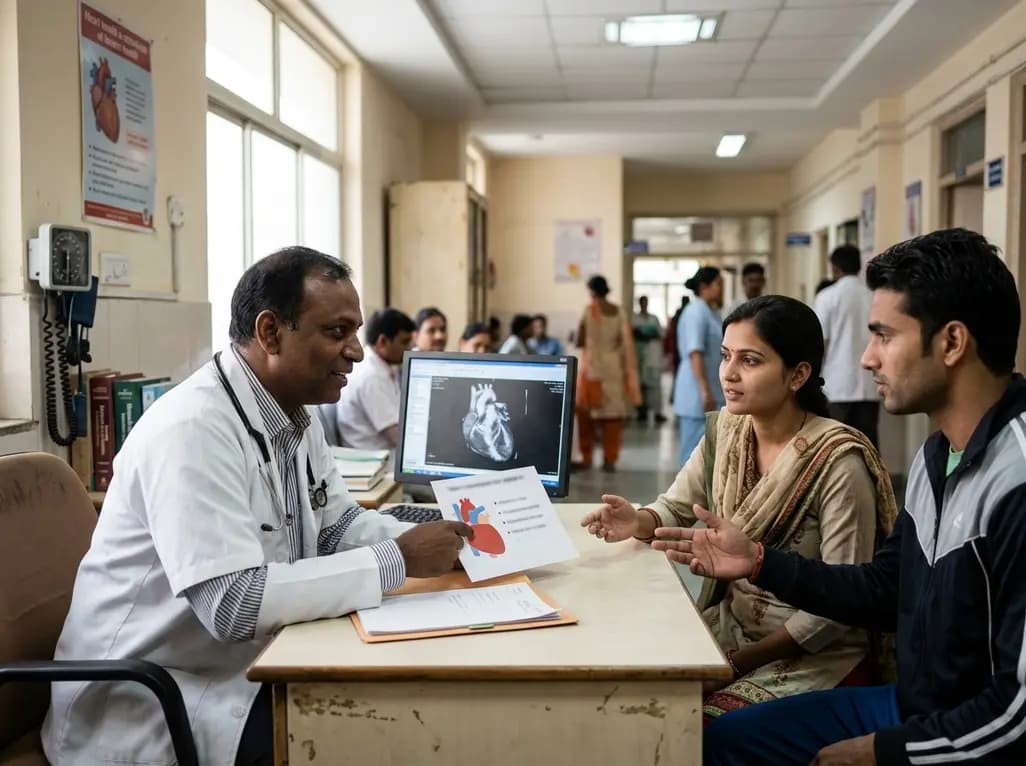
New clinical evidence demonstrates a shift away from strict exercise restrictions in genetic heart disease. While patients with channelopathies engage in more vigorous activity than those with cardiomyopathies, shared decision-making and individualized risk assessments ensure safe, beneficial exercise participation.
Today
Sarcopenia significantly impairs functional independence and amplifies fracture risks in patients with osteoarthritis and osteoporosis. Learn about modern diagnostic strategies, GLP-1 therapy considerations, and evidence-based non-pharmacological management across multidisciplinary clinical settings.
Today

Discover how to identify superimposed entrapment neuropathy in diabetic patients. This review details clinical evaluation, surgical decompression evidence, and a structured algorithm for primary care referrals to prevent ulcers and preserve limb function.
Today
