.webp&w=384&q=75)

Loading, please wait...
Loading, please wait...
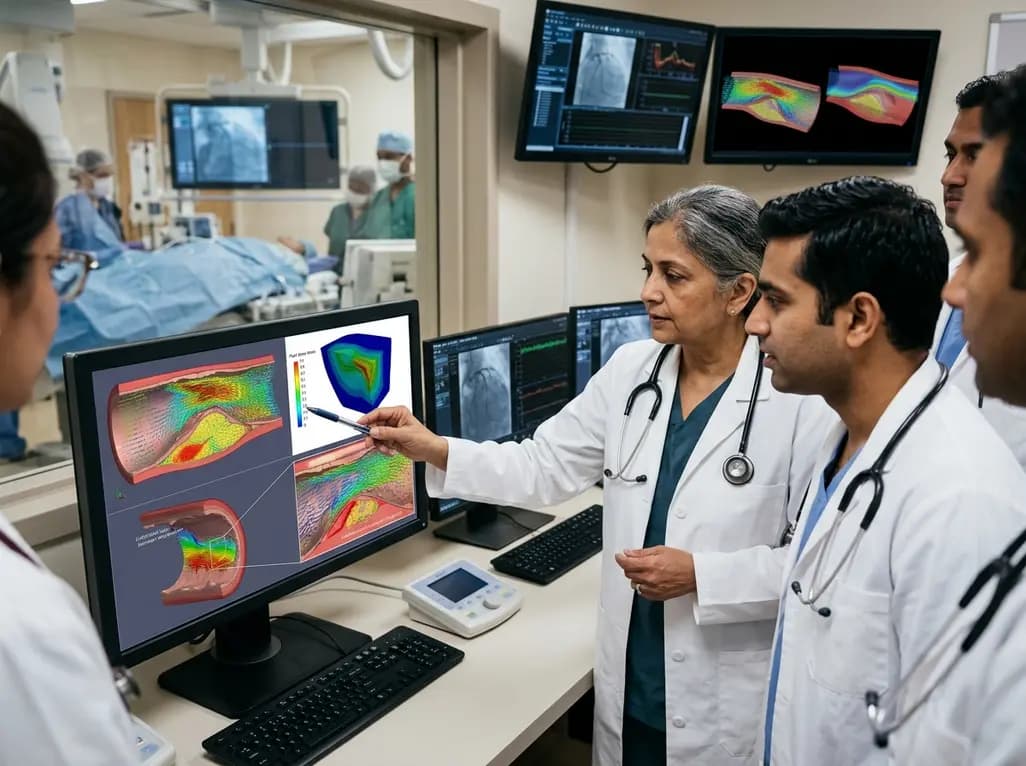
For decades, the medical community primarily viewed plaque rupture as the dominant driver of acute coronary syndromes (ACS). However, recent research significantly highlights plaque erosion as a distinct and increasingly frequent cause of myocardial infarction. Understanding plaque erosion biomechanics is essential for modern cardiology because it represents nearly one-third of all ACS cases. This shift in understanding coincides with the widespread use of statins, which have fundamentally altered the phenotypic landscape of atherosclerosis. While plaque rupture involves a thin fibrous cap that physically breaks, plaque erosion features an intact cap. Instead of a rupture, the superficial endothelial layer undergoes denudation, leading to platelet-rich thrombosis. This specific mechanism typically affects a younger demographic, including more women and smokers with fewer traditional risk factors. Consequently, clinicians must distinguish between these mechanisms to optimize patient outcomes. Furthermore, the identification of erosion in vivo has opened a unique window into conservative, stent-free management. By focusing on the mechanical triggers of endothelial injury, we can move toward a more refined, personalized approach to coronary care.
The biological hallmark of plaque erosion is the loss of the endothelial cell layer over a rich extracellular matrix. Unlike the high-inflammatory, lipid-laden environment of a rupture, erosion often occurs over plaques with high smooth muscle cell content. In this context, plaque erosion biomechanics play a critical role in triggering the initial injury. Specifically, local hemodynamic forces act as a catalyst for endothelial distress and subsequent apoptosis. When blood flows through the coronary arteries, it exerts a frictional force known as wall shear stress (WSS) on the vessel lining. Research suggests that areas of disturbed flow or high WSS gradients can weaken the attachment between endothelial cells and the underlying basement membrane. Consequently, the endothelial cells may detach even when the structural integrity of the fibrous cap remains intact. Moreover, this process involves a specialized biological pathway where toll-like receptors and neutrophils contribute to a localized pro-thrombotic state. Therefore, the convergence of mechanical stress and cellular vulnerability defines the eroded plaque phenotype. Understanding these interactions is vital for developing targeted therapies that protect the endothelium from mechanical injury.
Advances in computational medicine have revolutionized our ability to quantify the mechanical environment of the coronary arteries. Specifically, researchers now use fluid dynamics and finite element analysis to model the exact stresses acting on a plaque surface. These computational models provide a granular view of how plaque geometry influences flow patterns. For instance, a protruding plaque can create zones of flow recirculation and turbulence, which are highly detrimental to endothelial health. Furthermore, emerging evidence suggests that structural wall stress within the plaque itself may contribute to erosion. By integrating patient-specific imaging data into these models, clinicians can identify "hotspots" of mechanical vulnerability. This approach allows for a much more detailed risk stratification than traditional luminal narrowing assessments. Consequently, we can better predict which plaques are likely to erode even if they do not appear stenotic on a standard angiogram. These insights are particularly relevant for precision medicine, as they provide a mechanistic basis for personalized risk assessment. In addition, these models help clarify why certain anatomical locations are more predisposed to erosion than others.
Intracoronary optical coherence tomography (OCT) has become the gold standard for identifying plaque erosion in a clinical setting. With its near-histological resolution, OCT allows clinicians to visualize the presence of an intact fibrous cap beneath a thrombus. This diagnostic capability is a prerequisite for understanding plaque erosion biomechanics in a living patient. Unlike intravascular ultrasound, OCT can clearly distinguish between the white, platelet-rich thrombus of erosion and the red, fibrin-rich thrombus of rupture. Furthermore, the ability to see the fine structure of the plaque surface enables the application of OCT-based finite element analysis. This integration of imaging and biomechanics provides a comprehensive overview of the lesion's stability. Notably, several clinical trials have utilized OCT to identify patients who can safely avoid stent implantation. This strategy is revolutionary because it avoids the long-term risks associated with permanent metallic implants in young patients. Therefore, high-resolution imaging serves as the essential link between biomechanical theory and practical clinical application in the catheterization lab.
One of the most significant translational implications of plaque erosion research is the possibility of avoiding coronary stents. Since the fibrous cap remains intact in erosion, the primary clinical goal is to stabilize the thrombus and allow the endothelium to heal. Clinical studies, such as the EROSION trial, have demonstrated that intensive antithrombotic therapy can be safe and effective for these patients. This conservative management approach significantly reduces the potential for stent-related complications like late stent thrombosis or neoatherosclerosis. Moreover, a non-stent strategy aligns with the goals of precision care by tailoring the intervention to the underlying pathophysiology. However, this approach requires rigorous patient selection and close monitoring using advanced imaging. By focusing on plaque erosion biomechanics, we can refine the criteria for who should receive a stent and who can be managed medically. Furthermore, this paradigm shift has profound implications for healthcare costs and long-term quality of life, particularly in countries like India where the disease burden is high. Consequently, the transition from a "one-size-fits-all" stenting approach to a mechanism-based strategy represents the future of ACS management.
The integration of biomechanical signatures into routine clinical practice offers a promising path forward for cardiovascular care in India. Given the high prevalence of premature coronary artery disease in the Indian population, precision tools are desperately needed. Specifically, using computational models to identify biomechanical risk factors can help in early detection and intervention. Moreover, the adoption of OCT-guided management can prevent unnecessary stenting, which is crucial for reducing the long-term medical burden on patients. Nevertheless, the implementation of these technologies requires specialized training and investment in infrastructure. Indian cardiologists are ideally positioned to lead this transition by participating in translational research that incorporates local patient data. Furthermore, integrating biomechanical assessments with genetic and biological markers could lead to a truly comprehensive risk profile. As we move toward a more data-driven medical landscape, the role of mechanical forces in vascular health will only become more prominent. Therefore, prioritizing the study of plaque erosion and its mechanical determinants is essential for improving cardiac outcomes across the country. In conclusion, the synergy between biomechanics and biology is paving the way for a new era of precision cardiology.
Plaque rupture occurs when a thin, inflamed fibrous cap breaks, exposing a lipid-rich core to the bloodstream. In contrast, plaque erosion involves an intact fibrous cap with a superficial loss of the endothelial cell layer. While rupture is often associated with high inflammation and large lipid pools, erosion usually occurs in plaques with more smooth muscle cells and a platelet-rich thrombus. Understanding these differences is crucial for determining whether a patient needs a stent or can be managed with medical therapy alone.
Mechanical forces, specifically wall shear stress and structural wall stress, are central to the process of endothelial denudation. High shear stress or disturbed flow patterns can physically stress the endothelial layer, leading to cellular detachment or apoptosis even when the underlying plaque structure is stable. Computational models show that certain plaque geometries create areas of mechanical instability that act as triggers for thrombosis. Consequently, biomechanics provide the physical link between blood flow dynamics and the biological responses that lead to acute coronary events.
A stent-free strategy for plaque erosion, guided by OCT imaging, offers several long-term advantages for patients. By avoiding a permanent metallic implant, clinicians reduce the risk of late-stage complications such as stent thrombosis, restenosis, and the need for prolonged dual antiplatelet therapy. This approach is particularly beneficial for younger patients who would otherwise face decades of potential device-related issues. Furthermore, evidence suggests that with intensive antithrombotic treatment, the vessel can heal naturally, maintaining its physiological integrity and vasomotor function without the constraints of a rigid stent.
Disclaimer: This content is for informational and educational purposes only and does not constitute medical advice or a professional relationship. Always seek the advice of a physician or other qualified health provider with any questions you may have regarding a medical condition. Refer to the latest local and national guidelines for clinical practice.
References
Sangha J et al. Biomechanical Determinants of Plaque Erosion: Translational Implications and Precision Care. JACC Basic Transl Sci. 2026 Jul 10. doi: undefined. PMID: 42430853.
Arbab-Zadeh A, Fuster V. The Myth of the \"Vulnerable Plaque\". J Am Coll Cardiol. 2015;65(8):846-855.
Partida RA, et al. Plaque Erosion: A New Biology. Curr Cardiol Rep. 2018;20(1):8.
Yin Y, et al. Predictors of non-stenting strategy for acute coronary syndrome caused by plaque erosion: four-year outcomes of the EROSION study. EuroIntervention. 2023;18(14):1160-1168.

Read summarized clinical updates, watch expert medical content, and earn CME certifications right from your smartphone.
Open your smartphone camera to scan and install.





This review examines the biomechanical determinants of plaque erosion in ACS. It highlights how local mechanical forces and fluid dynamics trigger endothelial injury, offering new insights into precision cardiology, advanced imaging, and conservative management strategies that may avoid stenting.
3 months ago

Failing to account for competing events like mortality in longitudinal geriatric studies produces biased risk estimates and misleading inferences. This review highlights key methodological principles, insights from the Precipitating Events Project, and practical approaches for clinical research appraisal.
Today

A study in JAMIA Open shows lightweight open-source reasoning LLMs achieve up to 95% sensitivity and accelerate evidence synthesis screening by nearly twentyfold, presenting a cost-effective, scalable AI solution for biomedical research and systematic reviews.
Today

A landmark study details how an enterprise pediatric remote patient management model expanded from a single cardiology pilot to 16 diverse specialty programs by combining centralized digital operations with specialty clinical leadership.
Today
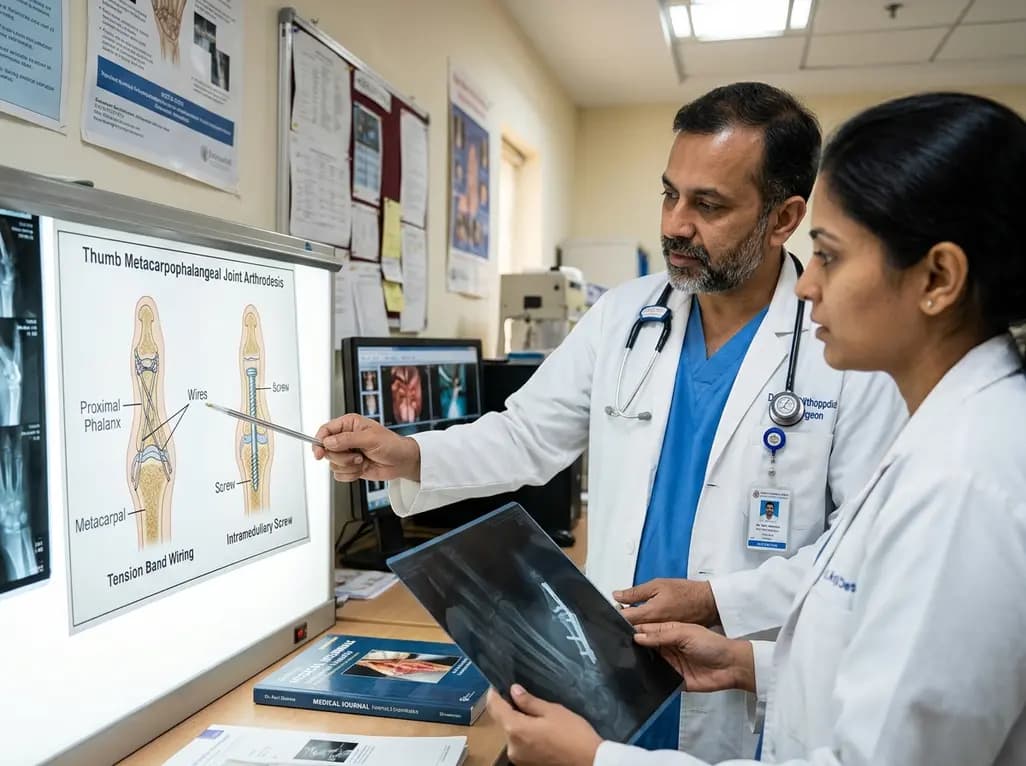
A comparative review of tension band wiring and intramedullary screw fixation in thumb metacarpophalangeal arthrodesis, evaluating union rates, hardware complications, and clinical outcomes.
Yesterday
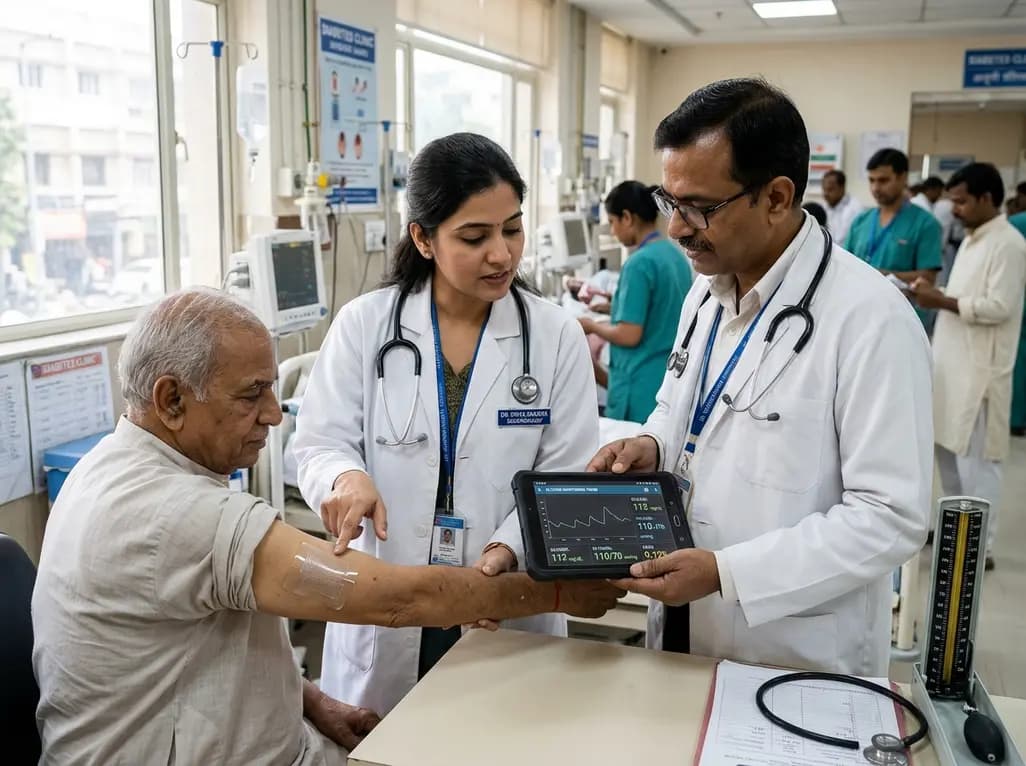
A breakthrough ultrathin multimodal sensor decouples physical hemodynamic monitoring from disposable electrochemical calibration, achieving long-term wearable glucose prediction with 81.36% accuracy and a 9.12% MARD. This offers a robust, drift-free solution for outpatient metabolic surveillance.
Yesterday
