.webp&w=384&q=75)

Loading, please wait...
Loading, please wait...
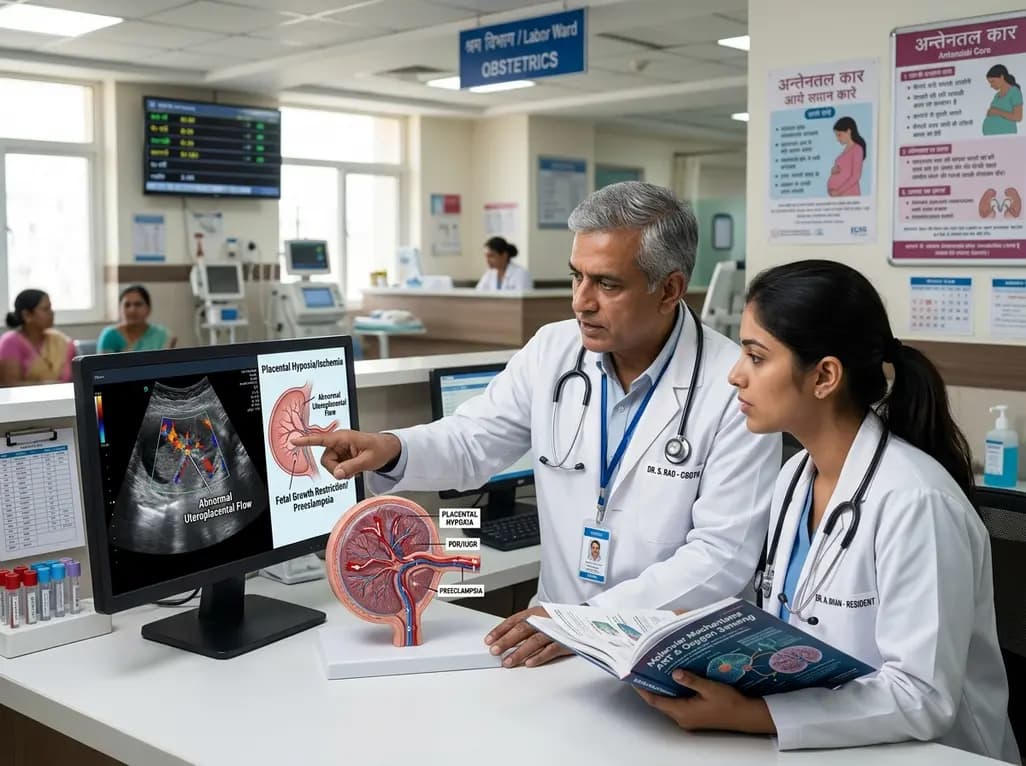
The rapid expansion of assisted reproductive technology (ART) worldwide has transformed fertility care, yet it brings unique obstetrical considerations. A growing body of translational evidence emphasizes that placental hypoxia in ART may originate long before implantation occurs. During natural conception, early gestational events unfold in a precisely controlled, low-oxygen microenvironment. However, when non-physiological laboratory stressors disrupt this initial niche, profound epigenetic and metabolic reprogramming can occur. Consequently, clinicians must understand the molecular cascade connecting in vitro embryo handling to late gestational vascular dysfunction, preeclampsia, and fetal growth restriction.
Physiological hypoxia serves as an essential regulatory signal during initial human development. In early pregnancy, intra-arterial trophoblast plugs naturally restrict maternal blood flow into the intervillous space. Therefore, the blastocyst and early trophoblast lineages develop under physiological oxygen concentrations ranging between two and three percent. This low-oxygen environment protects delicate embryonic tissues from premature oxidative stress and reactive oxygen species.
Furthermore, physiological hypoxia coordinates early trophoblast proliferation and lineage specification. It guides extravillous trophoblasts to invade the maternal decidua and initiate the remodeling of uterine spiral arteries. When cytotrophoblasts detect appropriate oxygen gradients, they transition from a proliferative state into an invasive phenotype. Consequently, maternal arterial resistance falls, creating a low-resistance, high-capacity uteroplacental circulation capable of nourishing the growing fetus throughout gestation.
Hypoxia-inducible factors (HIFs) function as the master transcriptional regulators of oxygen homeostasis. Specifically, the heterodimeric complexes HIF-1 and HIF-2 consist of oxygen-sensitive alpha subunits and constitutively expressed beta subunits. Under normoxic conditions, prolyl hydroxylase domain enzymes hydroxylate specific proline residues on HIF-1α and HIF-2α. Consequently, the von Hippel-Lindau tumor suppressor protein targets these subunits for rapid proteasomal degradation.
Conversely, diminished oxygen tension halts prolyl hydroxylation, permitting HIF-1α and HIF-2α to stabilize and translocate to the nucleus. Once there, they bind hypoxia response elements to activate angiogenic, glycolytic, and survival pathways. HIF-1α primarily orchestrates early metabolic adaptation and initial trophoblast differentiation. In contrast, HIF-2α plays a distinct, non-redundant role in vascular remodeling and endothelial stabilization. Therefore, precise temporal and spatial expression of both isoforms remains vital for harmonious placental morphogenesis.
Assisted reproductive technologies inherently expose gametes and preimplantation embryos to non-physiological ex vivo environments. Factors such as incubator oxygen concentrations, culture media composition, pH fluctuations, and mechanical manipulation alter cellular metabolism. Consequently, preimplantation embryos must adapt their mitochondrial activity and redox balance to survive in vitro conditions.
Moreover, these laboratory exposures coincide with crucial waves of epigenetic reprogramming, including global DNA demethylation and histone modifications. Non-physiological culture conditions can perturb genomic imprinting and alter the transcriptomic profile of the emerging trophectoderm. Although the blastocyst may successfully implant, these early molecular disruptions can persist throughout development. Thus, placental hypoxia in ART frequently stems from early embryonic reprogramming rather than purely late-onset vascular failure. As a result, trophectoderm-derived cells demonstrate impaired differentiation and heightened vulnerability to subsequent hypoxic insults.
When hypoxia becomes chronic or dysregulated, the physiological signaling program transforms into a pathological driver. Sustained stabilization of HIF-1α in the second and third trimesters induces severe mitochondrial dysfunction and excessive oxidative stress within syncytiotrophoblasts. Consequently, trophoblasts release pro-inflammatory cytokines, anti-angiogenic factors, and apoptotic microparticles into the maternal systemic circulation.
Specifically, prolonged HIF activation drives substantial upregulation of soluble fms-like tyrosine kinase-1 (sFlt-1) and soluble endoglin. These molecules scavenge circulating vascular endothelial growth factor (VEGF) and placental growth factor (PlGF), precipitating widespread maternal endothelial injury. Clinically, this angiogenic imbalance manifests as early-onset preeclampsia, maternal hypertension, and proteinuria. Furthermore, compromised nutrient transport and defective vascular branching restrict fetal development, leading to fetal growth restriction (FGR) and heightened perinatal morbidity.
Recognizing the molecular roots of placental dysfunction encourages clinicians to refine patient monitoring and risk stratification. Patients conceiving through in vitro fertilization (IVF) or intracytoplasmic sperm injection (ICSI) carry a statistically higher baseline risk for hypertensive disorders of pregnancy and abnormal placentation. Therefore, obstetricians should integrate early first-trimester screening strategies to identify patients who may benefit from closer surveillance.
In addition, reproductive specialists and embryologists must prioritize optimizing laboratory protocols. Transitioning from atmospheric oxygen (twenty percent) to physiological tri-gas culture systems (five percent oxygen) significantly mitigates oxidative stress during blastocyst development. Similarly, refining culture media formulations and minimizing unnecessary dish disturbance protect the embryonic epigenome. By aligning laboratory parameters with in vivo physiology, reproductive medicine can substantially reduce downstream epigenetic and placental maladaptation.
Emerging single-cell transcriptomics and spatial multi-omics are unraveling the cellular heterogeneity of the human placenta at unprecedented resolution. These cutting-edge tools allow researchers to map cell-specific responses to hypoxic stress and identify early molecular signatures of trophoblast dysfunction. Consequently, clinicians may soon utilize novel circulating biomarkers to detect subclinical placental insufficiency in the first trimester.
Furthermore, targeted therapeutic strategies designed to modulate oxygen-sensing pathways are undergoing active preclinical investigation. Small molecules that selectively regulate prolyl hydroxylases or normalize downstream angiogenic ratios offer promising avenues for intervention. As translational discoveries bridge the gap between embryology and maternal-fetal medicine, personalized protocols will enhance the long-term health of both mothers and children conceived through assisted reproduction.
Standard atmospheric culture contains twenty percent oxygen, which imposes significant oxidative stress on preimplantation embryos. Culturing embryos under physiological hypoxia (five percent oxygen) maintains normal redox homeostasis, protects DNA methylation patterns, and supports healthy trophectoderm gene expression. Consequently, physiological culture minimizes epigenetic maladaptations that impair trophoblast invasion and placental vascularization later in pregnancy.
ART procedures expose gametes and early embryos to transient environmental stressors during critical epigenetic remodeling phases. These early perturbations alter trophectoderm programming, leading to impaired extravillous trophoblast invasion and defective spiral artery remodeling. As a result, the placenta suffers chronic hypoxia and releases excess anti-angiogenic factors, ultimately triggering maternal preeclampsia and fetal growth restriction.
Under persistent pathological hypoxia, prolonged HIF-1α stabilization drives mitochondrial dysfunction and excessive cellular senescence in trophoblasts. Moreover, elevated HIF-1α directly upregulates anti-angiogenic mediators such as soluble fms-like tyrosine kinase-1 (sFlt-1) while suppressing placental growth factor. This imbalance causes systemic maternal endothelial injury, hypertension, and compromised nutrient delivery to the developing fetus.
Disclaimer: This content is for informational and educational purposes only and does not constitute medical advice or a substitute for professional clinical judgment. Diagnostic and treatment decisions must always be tailored to the individual patient's condition and established medical guidelines. Readers are urged to verify all scientific and therapeutic assertions against current peer-reviewed literature. Refer to the latest local and national guidelines for clinical practice.
References

Read summarized clinical updates, watch expert medical content, and earn CME certifications right from your smartphone.
Open your smartphone camera to scan and install.





A comprehensive review examines how assisted reproductive technologies alter embryonic programming and oxygen-sensing pathways, predisposing the placenta to hypoxic maladaptation and increasing the risk of preeclampsia and fetal growth restriction.
last month

With post-monsoon dengue surges threatening South Asian health systems, physicians must refine triage and management. This guide covers vital warning signs, plasma leakage detection, crystalloid titration, and vector containment strategies to prevent mortality during seasonal arboviral epidemics.
Today

Findings from Project Viva indicate that sustained postpartum weight retention, rather than excessive gestational weight gain alone, directly worsens women's mid-life cardiovascular health, degrading blood pressure and glycemic parameters decades after delivery.
Today
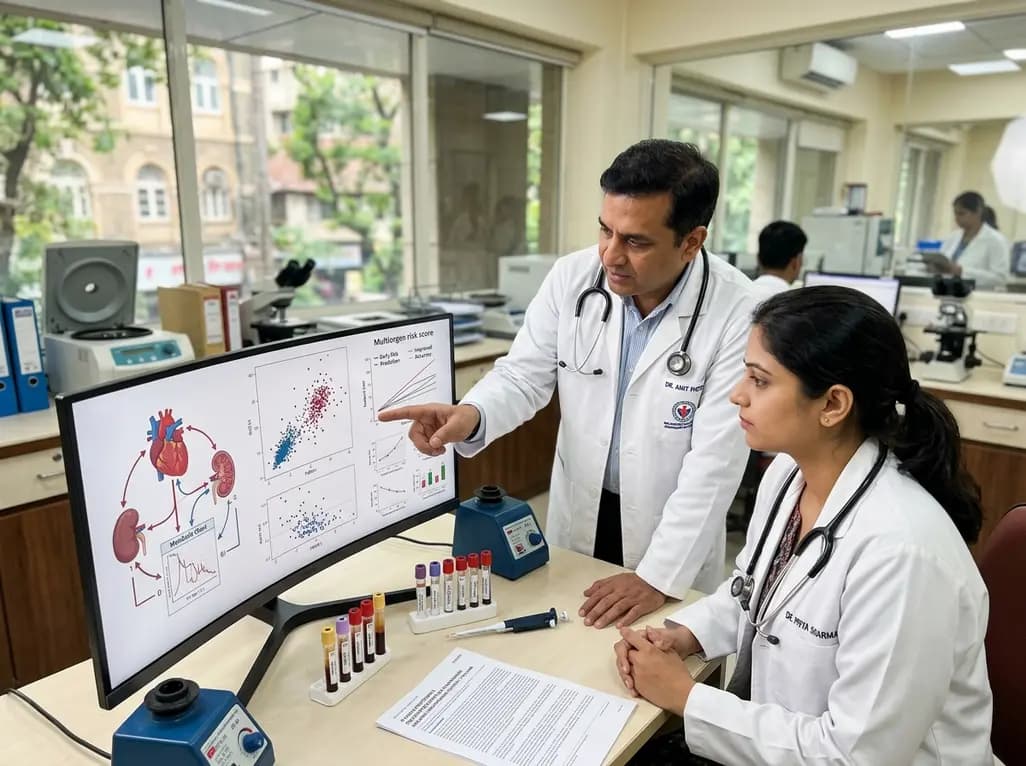
A large UK Biobank study reveals that plasma proteomic signatures capture preclinical organ damage and improve multiorgan risk prediction across early CKM syndrome stages 0 to 2 beyond traditional PREVENT clinical models.
Today
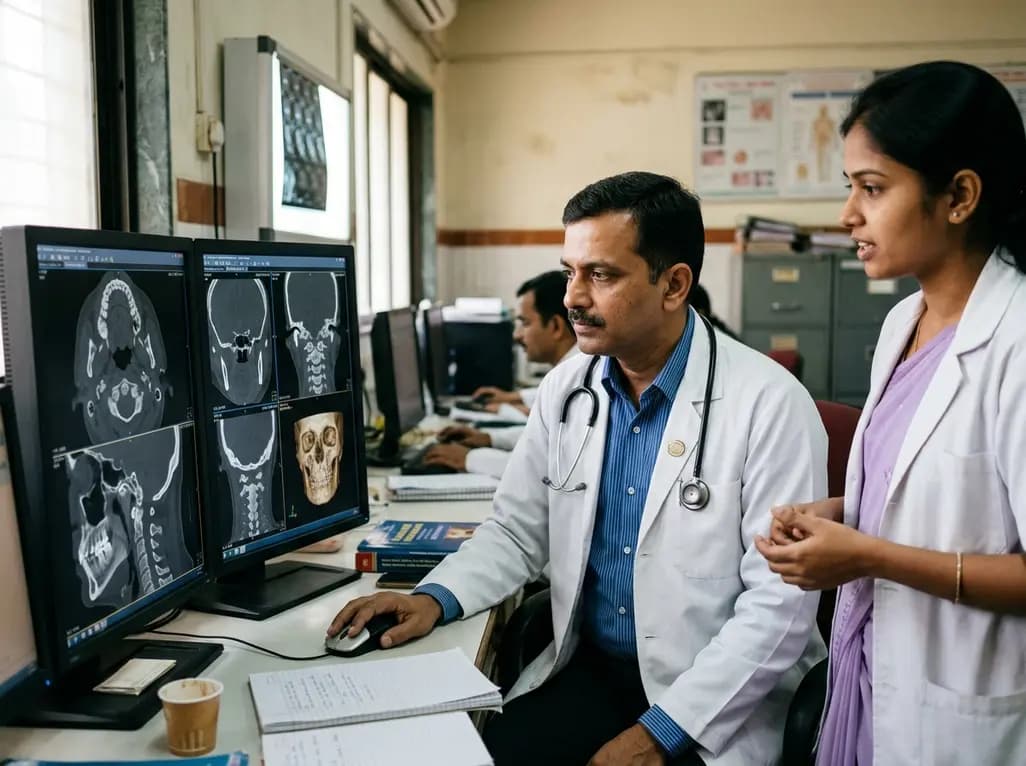
A retrospective CBCT study reveals that superior TMJ space asymmetry correlates moderately with occipital condyle-atlas-axis asymmetry in unilateral TMJ osteoarthritis, highlighting an imaging correlate between jaw biomechanics and upper cervical alignment rather than a standalone diagnostic marker.
Today

A Bayesian multilevel meta-analysis reveals that aerobic training combined with moderate carbohydrate restriction modestly lowers HbA1c in type 2 diabetes. However, sparse data and very low certainty leave incremental benefits over exercise or diet alone unproven, highlighting the need for individualized care.
Today
