

Loading, please wait...
Loading, please wait...

School attendance serves as a primary pillar of academic achievement and social development. Consequently, persistent school absence—defined as missing 10% or more of school sessions—represents a major public health challenge. Autistic youths face severe barriers to regular classroom participation. However, historical research often overlooked sex differences in school attendance patterns. A nationwide investigation in England has revealed striking disparities among state-funded primary and secondary mainstream schools. This comprehensive research demonstrates that autistic girls experience disproportionate attendance difficulties compared to their peers. Therefore, pediatricians, child psychiatrists, and general practitioners must understand these patterns to offer timely clinical intervention.
The nationwide English cohort study analyzed annual attendance data from 2016/2017 through 2022/2023. This dataset comprised five to six million pupils annually across mainstream institutions. Researchers disaggregated attendance figures by sex, school phase, and special educational needs. Statistical evaluations using pairwise z-tests and chi-square tests confirmed significant trends across demographic groups. Overall, autistic pupils exhibited substantially higher rates of chronic absenteeism than neurotypical classmates. Furthermore, the attendance divide was not uniform across sexes. In secondary schools, autistic girls experienced higher rates of persistent absence than autistic boys. They also experienced far higher absence rates than peers without special educational needs. Crucially, the gap widened considerably following the COVID-19 pandemic. As a result, educational disengagement among adolescent autistic females has escalated into a serious concern. Clinicians must recognize that chronic absence rarely reflects willful defiance. Instead, it indicates acute distress within sensory and social school environments.
Historically, educational teams noted attendance breakdowns primarily during adolescence. Consequently, primary school attendance among autistic girls received less clinical scrutiny. However, recent evidence indicates that attendance challenges are emerging much earlier. Post-pandemic figures reveal that primary school autistic girls are now significantly more absent than neurotypical peers and autistic boys. Thus, disparities appear earlier in the educational journey than pre-pandemic baselines indicated. This shift suggests that mainstream learning settings present sensory and emotional hurdles from young ages. Furthermore, girls with autism spectrum profiles frequently exhibit subtle manifestations of social confusion. Many young girls utilize intense social imitation to blend into peer groups. While this camouflaging conceals difficulties from educators during class, it causes severe internal strain. By the time persistent non-attendance manifests, the child often experiences advanced emotional exhaustion. Therefore, pediatricians must look for subtle warning signs during early developmental checkups. Recognizing attendance hesitation in primary school can prevent severe secondary school crises.
Clinicians must evaluate multiple biological and environmental drivers to understand school distress in autistic females. First, autistic girls frequently engage in masking or camouflaging behaviors. They force eye contact, suppress repetitive movements, and mimic peers to avoid social stigma. Although this strategy masks vulnerability at school, it produces profound mental exhaustion. Consequently, pupils frequently experience severe meltdowns or depressive shutdowns upon returning home. Second, mainstream classrooms create overwhelming sensory environments. High fluorescent lighting, loud cafeterias, crowded hallways, and sudden noises overload sensitive nervous systems. Without sensory accommodations, these stimuli maintain chronic autonomic hyperarousal. In addition, internalizing psychiatric comorbidities appear frequently in this cohort. Generalized anxiety, social anxiety, and depressive disorders frequently accompany autism in females. As a result, pupils develop emotionally based school avoidance. Many children experience somatic symptoms, such as recurrent abdominal pain, nausea, and morning headaches. Pediatricians should evaluate whether recurrent physical complaints correlate with school attendance schedules.
The COVID-19 pandemic severely disrupted educational routines across the globe. During lockdowns, remote learning temporarily shielded many autistic girls from daily sensory friction and peer pressure. However, the subsequent resumption of compulsory in-person attendance generated significant transitional distress. National attendance figures clearly demonstrate that absence disparities between autistic girls and other cohorts widened substantially post-pandemic. Furthermore, educational systems faced severe resource shortages and staff constraints during the reopening phases. These pressures frequently compromised individualized special educational support in mainstream classrooms. Because schools struggled to provide necessary accommodations, vulnerable students experienced heightened stress. In addition, administrative responses often focused on rigid attendance targets rather than supportive intervention. When schools threaten fines or disciplinary measures, anxiety escalates dramatically for neurodivergent children. Punitive responses reinforce avoidance behavior and damage family trust in educational systems. Therefore, healthcare providers must advocate for trauma-informed approaches that prioritize psychological safety over mandatory attendance percentages.
Physicians play a central role in mitigating educational barriers for autistic children. When evaluating persistent school absence, pediatricians must conduct comprehensive clinical assessments. Clinicians should evaluate neurodevelopmental features alongside comorbid conditions like anxiety, attention-deficit disorders, and depression. Furthermore, healthcare teams must validate parental reports regarding behavioral discrepancies between home and school. When a child appears compliant in class but collapses at home, clinicians must suspect masking. Clinicians can provide essential medical documentation advocating for practical classroom accommodations. Helpful school adjustments include designated quiet decompression rooms, modified arrival times, and sensory equipment like noise-cancelling headphones. Moreover, pediatricians should encourage schools to establish a designated safe staff member for the child. Coordinating care between pediatricians, child psychiatrists, occupational therapists, and educators ensures comprehensive support. By fostering proactive multidisciplinary collaboration, clinicians protect neurodivergent youths from academic failure, social withdrawal, and severe mental health crises.
Autistic girls frequently demonstrate an internalizing behavioral phenotype and employ social camouflaging to mask their social communication differences in class. Consequently, their intense sensory overload and academic exhaustion remain hidden until complete emotional burnout occurs. While autistic boys often display externalizing behaviors that prompt earlier assessment, girls suffer in silence. This persistent, unaddressed distress eventually leads to severe school refusal, chronic attendance breakdown, and profound secondary mental health challenges.
Pediatricians differentiate emotionally based school avoidance from truancy by evaluating parental awareness and emotional distress. Pupils who avoid school due to neurodivergent distress stay home with their parents' knowledge and experience severe anticipatory anxiety, panic, and somatic symptoms. In contrast, truant students conceal their absence and engage in antisocial behaviors outside the home. Recognizing this clinical distinction ensures that physicians implement supportive, mental-health-focused interventions rather than inappropriate disciplinary or punitive actions.
Clinicians should advocate for individualized educational accommodations tailored to sensory and psychological needs. Recommended adjustments include access to designated low-arousal quiet spaces, permission to wear noise-reducing headphones, and phased or flexible arrival schedules to avoid chaotic school hallways. Furthermore, schools must identify a trusted adult liaison and implement modified academic timetables. These practical adjustments significantly reduce sympathetic nervous system overload, foster genuine emotional security, and help vulnerable students rebuild sustainable classroom attendance.
Disclaimer: This content is for informational and educational purposes only... Refer to the latest local and national guidelines for clinical practice.
References

Read summarized clinical updates, watch expert medical content, and earn CME certifications right from your smartphone.
Open your smartphone camera to scan and install.





A nationwide study reveals that autistic girls experience disproportionate persistent school absence, with disparities emerging earlier post-pandemic. Learn the clinical drivers, such as masking and sensory overload, and key strategies for pediatricians to support neurodivergent pupils.
Today

Patients with cardiovascular conditions face heightened health risks during extreme heatwaves. Discover findings from the ESC Patient Forum on climate change impacts, medication dilemmas, and actionable strategies for proactive heatwave preparedness in clinical practice.
Today

A large cohort study demonstrates that fetal growth restriction in a first pregnancy raises maternal cardiovascular risk within five years postpartum, including elevated rates of heart failure, stroke, and myocardial infarction. Clinicians must initiate proactive postpartum screening and cardiovascular prevention.
Today

An NHANES analysis reveals that meeting 24-hour movement guidelines significantly lowers the odds of cardiovascular disease, obesity, hypertension, and diabetes among adults with disabilities, emphasizing the power of combined physical activity, sleep, and limited sedentary time.
Today
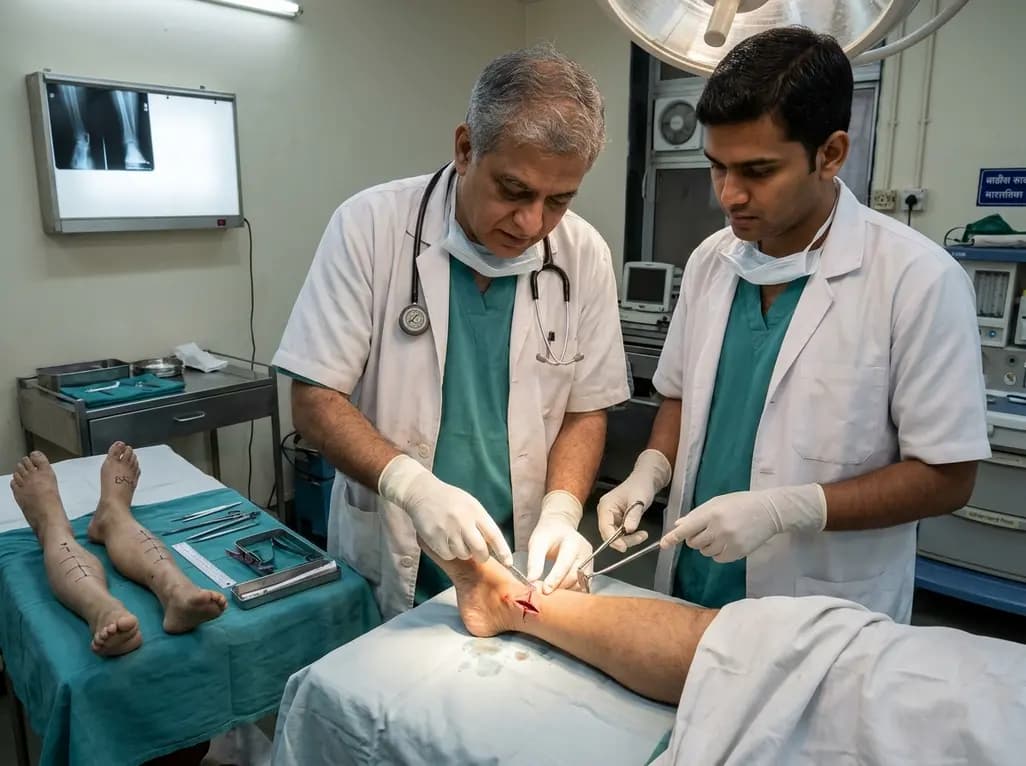
A paired cadaveric study compared triple and quintuple percutaneous Achilles tendon lengthening. While quintuple hemisection showed numerically greater elongation, differences were not statistically significant.
Yesterday
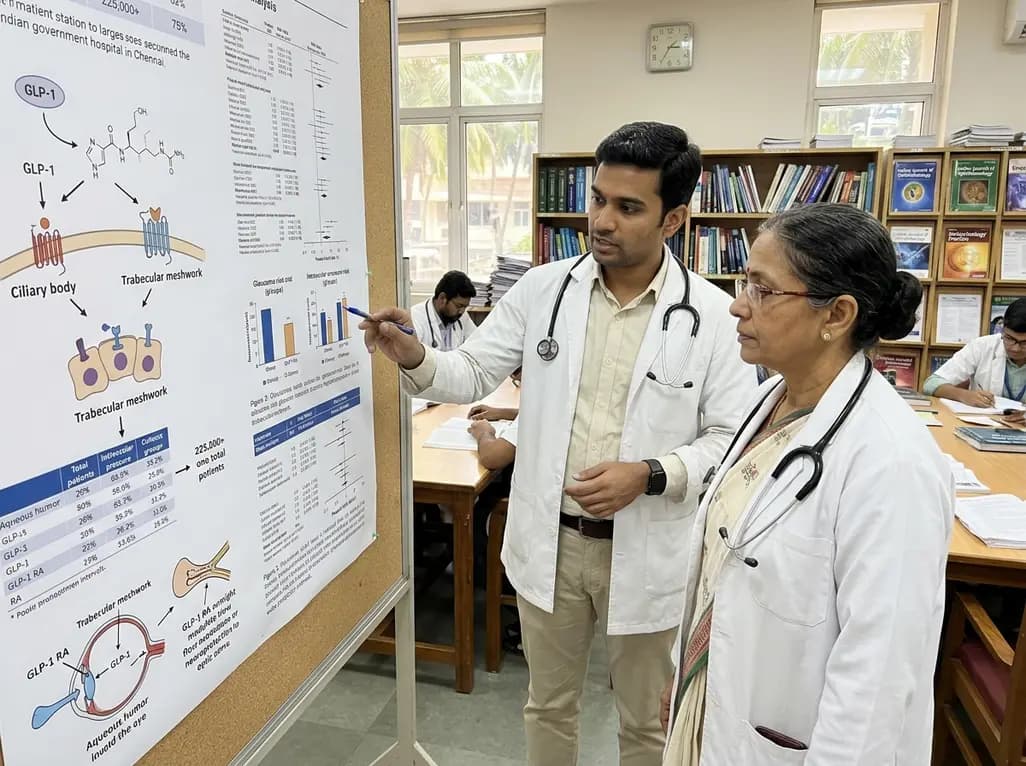
A systematic review and meta-analysis of over 225,000 patients explores whether GLP-1 receptor agonists reduce the risk of glaucoma and ocular hypertension. While pooled data show a 31% lower risk, low certainty and wide prediction intervals urge cautious optimism and further randomized trial evaluation.
Today
