.webp&w=384&q=75)

Loading, please wait...
Loading, please wait...

Peritonitis remains a serious complication for patients undergoing peritoneal dialysis (PD). It often leads to increased hospitalization, technique failure, and higher mortality rates. Consequently, clinicians need rapid and accessible tools for early detection. Researchers recently evaluated how specific inflammatory and nutritional markers can improve peritonitis diagnosis in PD, providing more objective data for clinical decision-making.
A retrospective study analyzed data from 132 PD patients to identify hematological shifts during infection. Specifically, researchers compared 83 patients with confirmed peritonitis against 49 patients without the condition. The peritonitis group displayed significantly higher platelet-to-albumin ratio (PAR), systemic immune-inflammation index (SIRI), and neutrophil-to-lymphocyte ratio (NLR). Furthermore, these patients showed an increase in the monocyte-to-lymphocyte ratio (MLR). In contrast, the peritonitis group exhibited lower levels of hemoglobin, cholesterol, and albumin. These findings suggest that acute inflammation significantly disrupts both hematological profiles and nutritional status.
The study highlighted that certain ratios offer superior diagnostic accuracy compared to individual markers. Specifically, PAR and SIRI demonstrated impressive area under the curve (AUC) values. Moreover, using these calculated ratios helps clinicians differentiate between routine inflammation and active peritonitis. Additionally, the decrease in uric acid and triglycerides serves as an important secondary indicator of the disease state. Therefore, integrating these markers into routine protocols could streamline the diagnostic process. Consequently, this leads to faster treatment initiation and better long-term outcomes for dialysis patients.
Research indicates that the platelet-to-albumin ratio (PAR) and the systemic immune-inflammation index (SIRI) are among the most reliable inflammatory markers for identifying peritonitis in these patients.
Albumin levels decrease during peritonitis due to a combination of the systemic inflammatory response and increased protein loss through the inflamed peritoneal membrane.
Ratios like NLR and MLR combine different cellular responses, providing a more comprehensive view of the immune system's status than a single white blood cell count alone.
Disclaimer: This content is for informational and educational purposes only. It does not constitute professional medical advice, diagnosis, or treatment. Always seek the advice of your physician or other qualified healthcare provider with any questions you may have regarding a medical condition. Refer to the latest local and national guidelines for clinical practice.
References
Chen XY et al. Value of different nutritional and inflammatory markers for diagnosis of peritonitis in patients undergoing peritoneal dialysis. Ren Fail. 2026 Dec undefined. doi: 10.1080/0886022X.2026.2650574. PMID: 41981709.
Li PK, et al. ISPD peritonitis guideline recommendations: 2022 update on prevention and treatment. Perit Dial Int. 2022;42(2):110-153. doi: 10.1177/08968608221080586.
Tang J, et al. The association between new inflammation markers and frequent peritoneal dialysis-associated peritonitis. BMC Nephrol. 2024;25(1):81. doi: 10.1186/s12882-024-03522-4.
"
Read summarized clinical updates, watch expert medical content, and earn CME certifications right from your smartphone.
Open your smartphone camera to scan and install.





New research identifies PAR and SIRI as highly accurate markers for peritonitis diagnosis in PD patients, outperforming several traditional laboratory metri...
6 months ago
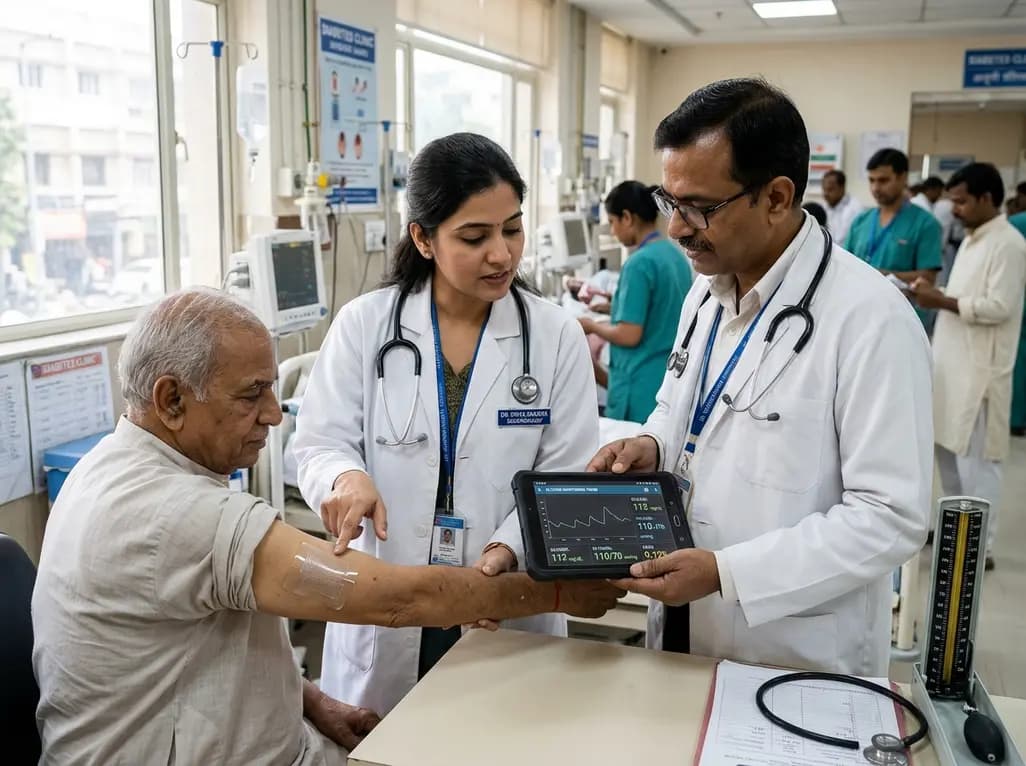
A breakthrough ultrathin multimodal sensor decouples physical hemodynamic monitoring from disposable electrochemical calibration, achieving long-term wearable glucose prediction with 81.36% accuracy and a 9.12% MARD. This offers a robust, drift-free solution for outpatient metabolic surveillance.
Today

A clinical review of menopause and neurology highlights the neurobiological impacts of midlife hormonal shifts on cognition, epilepsy, migraine, multiple sclerosis, and stroke, emphasizing safe hormone therapy prescribing.
Today

Co-administering antiseizure medications and DOACs frequently causes pharmacokinetic interactions, subtherapeutic drug levels, and thromboembolic failures. This review highlights enzyme induction risks, unpredictable outcomes with levetiracetam, and the vital role of therapeutic drug monitoring.
Today

A comparative review of tension band wiring and intramedullary screw fixation in thumb metacarpophalangeal arthrodesis, evaluating union rates, hardware complications, and clinical outcomes.
Today
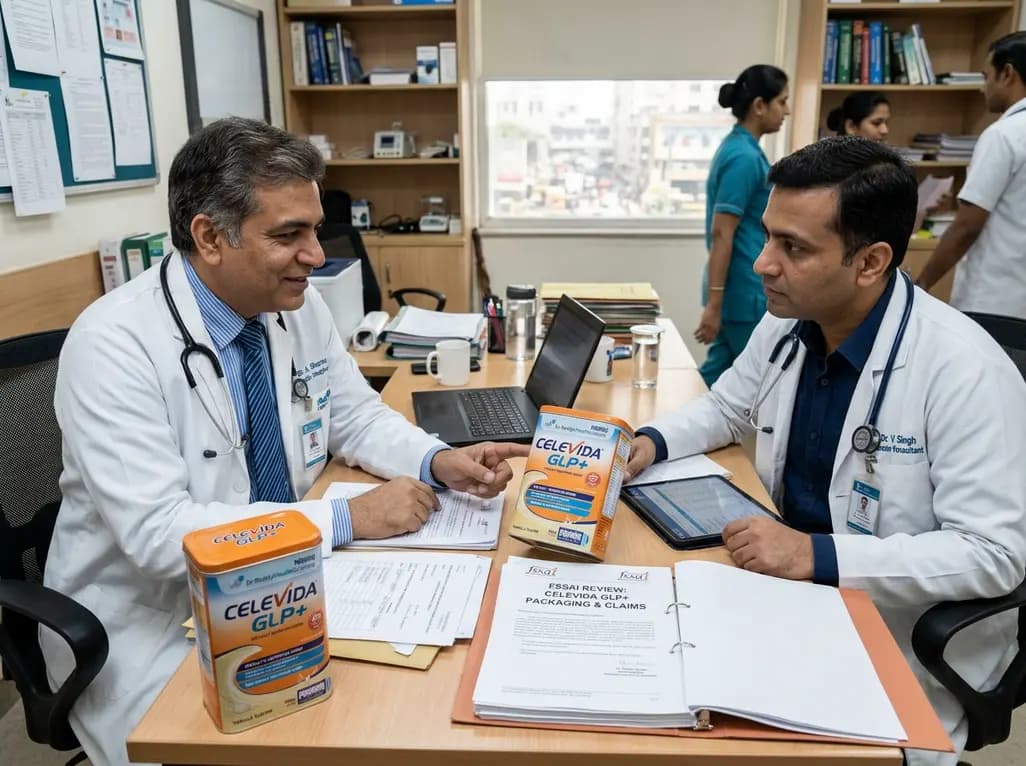
Following regulatory scrutiny from FSSAI regarding promotional representations and lean muscle preservation claims, Dr. Reddy's Laboratories and Nestlé Health Science are currently reviewing the branding and marketing strategy for their joint nutritional supplement Celevida GLP+.
Today
