.webp&w=384&q=75)

Loading, please wait...
Loading, please wait...

Perioperative Visual Loss (POVL) represents one of the most catastrophic yet rare complications associated with major spinal procedures. This devastating outcome often leaves patients with permanent, life-altering disabilities, creating significant emotional and medicolegal challenges for the surgical team. Despite its gravity, the medical community continues to struggle with how to communicate this risk effectively. The recent study by Pitsika et al. highlights a substantial disconnect in the perception and practice of consenting for Perioperative Visual Loss among healthcare professionals. Specifically, the study explores the varying viewpoints held by members of the Society of British Neurological Surgeons (SBNS), the British Association of Spine Surgeons (BASS), and the Neuroanaesthesia and Critical Care Society (NACCS). By analyzing these professional perspectives, clinicians can better understand the current landscape of patient communication and the necessity for more standardized protocols.
Notably, the psychological impact of sudden blindness following a successful spinal reconstruction cannot be overstated. Patients often enter spine surgery focused on neurological recovery or pain relief, making the unexpected loss of vision particularly traumatic. Furthermore, the clinical mechanisms behind such events are often multifactorial and complex. Consequently, the onus falls upon the perioperative team to provide clear, realistic, and comprehensive risk assessments. This proactive approach ensures that patients are not blindsided by rare but possible outcomes. Moreover, it aligns clinical practice with evolving legal standards that emphasize the disclosure of all material risks. Understanding the professional nuances of this communication gap is the first step toward enhancing patient autonomy and safety.
The definition of a \"material risk\" has been legally refined by landmark cases such as the Montgomery judgment. This ruling suggests that clinicians must disclose any risk that a reasonable person in the patient’s position would likely attach significance to. Interestingly, the survey results indicate a clear disparity between specialties regarding this definition. Specifically, nearly 80% of anesthetists categorized Perioperative Visual Loss as a material risk. In contrast, only about 58% of surgeons shared this view. This difference is significant because it directly dictates what information a patient receives during the preoperative phase. If a surgeon does not perceive the risk as material, they may omit it from the conversation, potentially leading to incomplete informed consent.
Additionally, the estimated incidence of POVL varied remarkably between the two groups. Anesthetists generally estimated the risk at a higher rate, ranging from 0.03% to 0.2%. Conversely, a majority of surgeons estimated the incidence at a much lower level, between 0.0001% and 0.004%. This statistical divergence likely stems from the differing clinical focuses of each specialty. Anesthetists are often more attuned to the physiological stressors that contribute to ocular ischemia, such as prolonged hypotension and fluid shifts. On the other hand, surgeons may focus more on the technical success of the decompression or fusion. Regardless of the reason, such inconsistent data points can confuse patients and undermine the collaborative nature of the surgical team. Standardizing these estimates is essential for providing consistent patient education across the board.
One of the most critical findings from the research involves the timing of the consent process. Traditionally, some risks are discussed on the morning of the procedure. However, the majority of clinicians surveyed (over 80%) agreed that outpatient clinics or pre-assessment clinics are the optimal settings for discussing Perioperative Visual Loss. Discussing a permanent risk like blindness while the patient is already in a gown and prepped for surgery is often considered ethically suboptimal. At this late stage, the patient’s ability to process complex information and potentially reconsider their options is severely limited. Therefore, early disclosure provides the necessary time for reflection and questions.
Moreover, the study revealed a strong consensus that both the surgeon and the anesthetist should share the responsibility for this discussion. Approximately 75% of anesthetists believed that both specialists should engage in the consent process. This collaborative approach reinforces the idea that POVL is a multifaceted complication involving both surgical positioning and anesthetic management. When both teams confirm the risk, it provides a unified message to the patient, reducing ambiguity. Furthermore, the survey noted that clinicians who had personally managed a patient with POVL were much more likely to have changed their practice. This personal experience highlights the reality of the risk and often leads to more rigorous consenting and intraoperative vigilance. Developing national guidelines would ensure that this high standard of practice is met by all, not just those who have witnessed a complication.
To communicate the risk effectively, clinicians must understand the underlying pathophysiology of Perioperative Visual Loss. The most frequent cause in spine surgery is Ischemic Optic Neuropathy (ION), particularly the posterior variant. This occurs when the perfusion to the optic nerve is compromised, often due to a combination of factors. These include prolonged prone positioning, which increases intraocular pressure and reduces venous outflow. Additionally, large-volume fluid resuscitation and significant blood loss can lead to hemodilution and reduced oxygen-carrying capacity. Consequently, the optic nerve becomes vulnerable to ischemic injury during long, complex procedures. Understanding these physiological triggers allows clinicians to better identify which patients are at the highest risk.
Furthermore, specific surgical factors play a pivotal role in increasing the likelihood of POVL. Procedures involving scoliosis correction or multi-level posterior lumbar fusions are statistically more prone to this complication. These surgeries often require longer operative times, sometimes exceeding six hours, and involve substantial blood loss. Notably, the use of certain surgical frames, such as the Wilson frame, has been associated with higher risks compared to others. Patient-specific factors also contribute significantly. For instance, individuals with pre-existing hypertension, diabetes, or peripheral vascular disease have less physiological reserve. By identifying these high-risk profiles during the pre-assessment phase, the surgical team can tailor their consent discussion and intraoperative management. This targeted approach ensures that the most vulnerable patients receive the highest level of care and transparency.
In light of the study's conclusions, there is a clear call for national guidance from professional bodies such as the SBNS, BASS, and NACCS. Such guidelines would provide a structured framework for the routine discussion of Perioperative Visual Loss. Without standardized recommendations, the consent process remains variable and dependent on individual clinician preference. A national protocol would encourage a uniform estimate of risk and define the roles of each team member. This consistency is vital for maintaining professional standards and meeting the legal expectations of modern medical practice. Moreover, it would support clinicians in navigating the difficult conversation of rare, catastrophic risks with confidence and clarity.
Beyond communication, the prevention of POVL requires a coordinated intraoperative effort. Strategies such as maintaining mean arterial pressure, avoiding excessive fluid administration, and ensuring frequent eye checks are essential. Additionally, placing the head in a neutral or slightly elevated position can help mitigate the rise in intraocular pressure associated with the prone position. Notably, the study found that many clinicians intended to change their practice based on the questionnaire alone. This suggests that simply raising awareness among professionals can lead to immediate improvements in patient care. By combining early, collaborative consent with rigorous intraoperative monitoring, the medical community can better protect patients from this devastating outcome. Ultimately, the goal is to ensure that every patient undergoing spine surgery is fully informed and receives the safest possible perioperative experience.
The primary risk factors include prolonged surgical duration, typically exceeding six hours, and significant blood loss. Additionally, prone positioning, obesity, and pre-existing vascular conditions like hypertension increase susceptibility. These factors combined can lead to Ischemic Optic Neuropathy, which is the most common cause of vision loss in this setting.
The study suggests that both the spine surgeon and the anesthetist should ideally discuss the risk of Perioperative Visual Loss. A collaborative approach ensures that both the surgical and physiological aspects of the risk are addressed, providing the patient with a comprehensive and consistent understanding of the complication before surgery.
The risk should ideally be discussed during the outpatient or pre-assessment clinic visits, rather than on the day of surgery. This timing provides patients with sufficient time to process the information, ask questions, and exercise their autonomy without the immediate pressure of the impending surgical procedure.
Disclaimer: This content is for informational and educational purposes only. It does not constitute medical advice or establish a doctor-patient relationship. Professional medical consultations are essential for diagnosis and treatment. Refer to the latest local and national guidelines for clinical practice.
References
Pitsika M et al. [object Object] Br J Neurosurg. 2025 Aug. doi: 10.1080/02688697.2023.2275621. PMID: 37943103.
American Society of Anesthesiologists Task Force on Perioperative Visual Loss. Practice advisory for perioperative visual loss associated with spine surgery: an updated report. Anesthesiology. 2019;130(1):12-30.
Lee LA et al. The American Society of Anesthesiologists Postoperative Visual Loss Registry: analysis of 93 spine surgery cases with postoperative visual loss. Anesthesiology. 2006;105(4):652-659.

Read summarized clinical updates, watch expert medical content, and earn CME certifications right from your smartphone.
Open your smartphone camera to scan and install.





A national survey reveals significant discrepancies between spine surgeons and anesthetists regarding the consent process for perioperative visual loss (POVL). While most clinicians view it as a material risk, differences in incidence estimates and timing of discussion highlight the need for national guidelines.
Last week
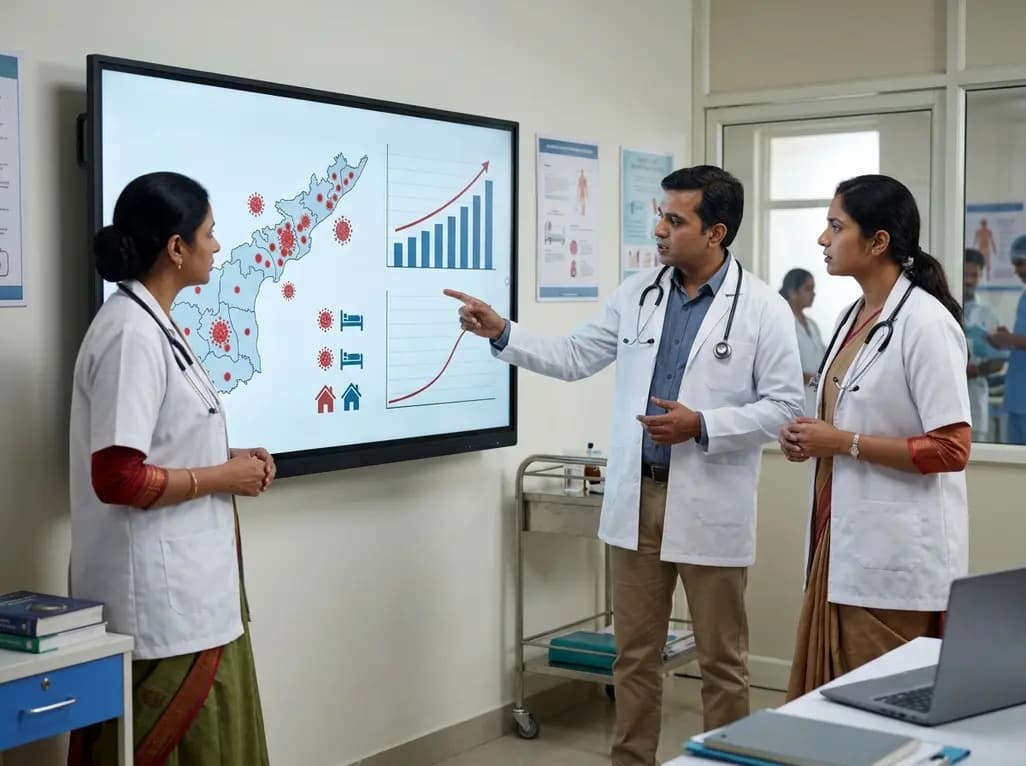
Andhra Pradesh reported 10 new Covid-19 cases, taking the state tally to 49 while deaths remain at four. With 24 patients hospitalized and 16 under home isolation, the Health Department has intensified monitoring. Medical professionals should review regional distribution, diagnostic protocols, and management plans.
Today

An 11-year Swedish registry study of 618 uterine sarcoma patients found that minimally invasive surgery yielded survival comparable to open surgery in early stages. However, adjuvant chemotherapy conferred no survival benefit in localized or advanced disease, highlighting stage and histology as key outcomes.
3 days back

A cross-sectional study evaluates post-intensive care syndrome in cardiac patients 2-4 weeks post-ICU discharge, highlighting cognitive, psychological, and functional impairments and the need for structured multidisciplinary rehabilitation.
3 days back
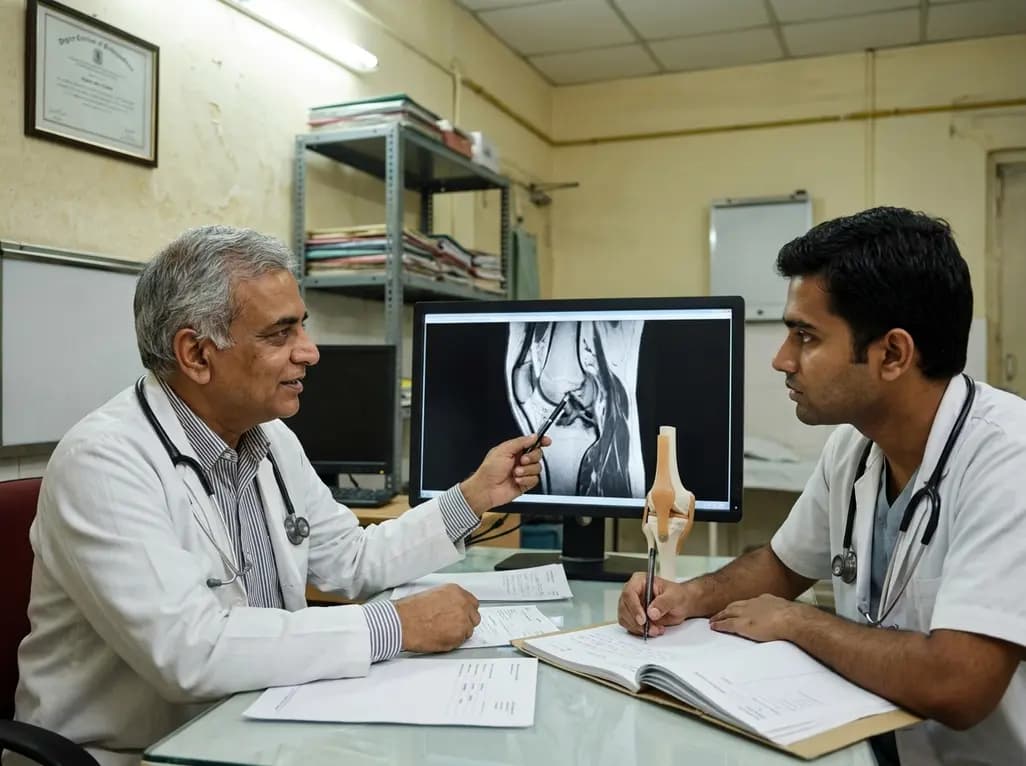
Anterior cruciate ligament reconstruction failure lacks uniform definition. A narrative review proposes an integrative framework incorporating objective and subjective instability, persistent pain, restricted motion, graft rupture, and secondary meniscal injury to standardize clinical reporting.
3 days back
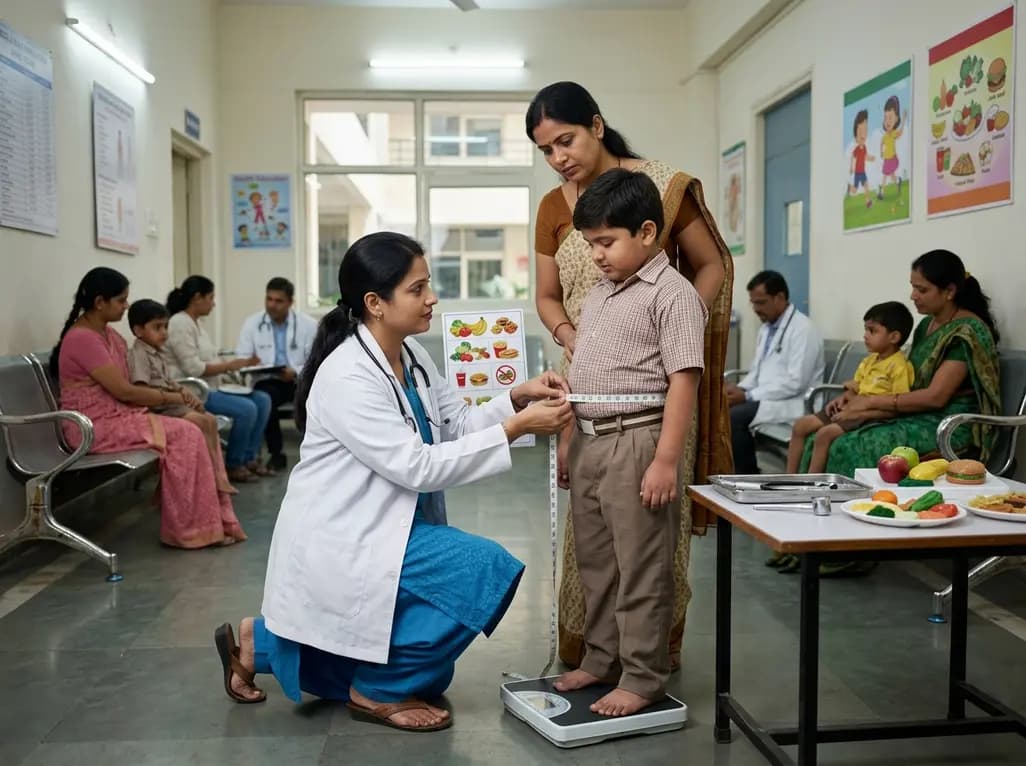
With World Obesity Atlas data warning that over 41 million Indian children are overweight or obese, ICMR and NIN have unveiled a 10-point policy roadmap. The initiative calls for mandatory front-of-pack labeling, HFSS taxes, strict marketing bans, and healthier school environments to curb non-communicable diseases.
Today
