.webp&w=384&q=75)

Loading, please wait...
Loading, please wait...

Perioperative Visual Loss spine surgery complications represent one of the most feared outcomes for both patients and clinical teams. While the incidence of POVL is statistically low, its impact is often permanent and life-altering for the individual. Clinical practitioners generally categorize POVL into several entities, including ischemic optic neuropathy and central retinal artery occlusion. Recent survey data suggests a notable divergence in how different surgical specialties perceive the materiality of this risk. For instance, while surgeons and anesthetists both recognize the severity of the condition, their estimates regarding its frequency and the necessity of its disclosure vary significantly. This discrepancy creates a challenging environment for standardized patient care. Consequently, clinicians must strive for a unified approach to ensure that patients receive consistent information during the preoperative phase. Understanding these professional differences is the first step toward improving the shared decision-making process.
Research indicates that anesthetists and spine surgeons often hold different views on whether Perioperative Visual Loss spine surgery risks should be classified as material. In a recent study involving members of British neurosurgical and anesthesia societies, nearly 80% of anesthetists viewed POVL as a material risk. In contrast, only about 58% of surgeons shared this perspective. This gap is significant because it directly influences what information a patient receives before undergoing a complex spinal procedure. Furthermore, the estimated incidence of POVL varied between the two groups. Anesthetists tended to estimate the risk at a higher rate than surgeons, which might reflect their proximity to the physiological management of the patient during the operation. These differing perceptions can lead to inconsistent messaging, potentially confusing patients who consult multiple specialists. Therefore, aligning these viewpoints is essential for maintaining professional transparency and fulfilling legal obligations regarding informed consent.
The timing of the consent process is critical for ensuring that patients can process complex information without the immediate pressure of surgery. The majority of clinicians agree that discussing Perioperative Visual Loss spine surgery risks should ideally occur in an outpatient or pre-assessment clinic setting. Specifically, over 81% of surgeons and 93% of anesthetists favored these environments over the day of the operation. Discussing such a devastating potential outcome on the morning of surgery can lead to heightened patient anxiety and may not allow for adequate reflection. Moreover, many specialists believe that both the surgeon and the anesthetist should participate in this discussion. This dual approach ensures that the patient understands both the surgical factors, such as positioning, and the anesthetic factors, such as blood pressure management, that contribute to POVL risk. By moving these conversations to an earlier point in the clinical pathway, teams can foster better rapport and trust.
Personal experience with a complication often serves as a powerful catalyst for change in clinical practice. The data shows that clinicians who have managed a patient with POVL are much more likely to alter their consent processes and intraoperative techniques. For example, twenty-three surgeons and ten anaesthetists in the surveyed group had experienced a case of POVL in their careers. Consequently, many of these individuals implemented stricter protocols for patient positioning and blood pressure monitoring. Furthermore, a significant percentage of those who participated in the survey indicated that the questionnaire itself prompted them to reconsider their current approach to consent. This suggests that even the act of self-reflection and peer comparison can drive improvements in safety standards. Nevertheless, relying on individual experience is insufficient for systemic safety. Instead, the medical community should aim to translate these individual lessons into broad, evidence-based practices that protect all patients regardless of their clinician's past experiences.
To effectively manage the risk of Perioperative Visual Loss spine surgery, one must understand the underlying physiological mechanisms. Most cases involve ischemic optic neuropathy, which is often linked to prolonged prone positioning. During long spinal surgeries, the combination of venous congestion in the head and neck and potential intraoperative hypotension can compromise perfusion to the optic nerve. Additionally, excessive blood loss and the subsequent administration of large volumes of crystalloid fluids may contribute to orbital edema. These factors underscore why the anesthetist's role is so vital in preventing POVL. They must carefully balance hemodynamic stability while the surgical team focuses on the technical aspects of the spine. Because these risks are multifactorial, a collaborative strategy during the operation is necessary. Constant communication regarding the patient’s physiological status and the duration of the prone position can help mitigate these hazards. Ultimately, prevention remains the only effective strategy, as treatment options for established POVL are limited.
The current variability in practice highlights the urgent need for national guidelines that specifically address POVL in the context of spine surgery. Many clinicians advocate for professional societies to take the lead in encouraging routine discussion of this risk. Such guidelines would provide a clear framework for which patients are at the highest risk and what specific information should be disclosed during consent. Furthermore, standardized protocols could help bridge the gap between surgeons and anesthetists, ensuring that the patient receives a cohesive explanation of the risks. In addition to consent, guidelines should also cover intraoperative monitoring and postoperative assessment. For instance, early detection of visual changes in the recovery room is essential, even if treatment is difficult. By institutionalizing these practices, the medical community can reduce the legal and clinical ambiguity surrounding this complication. Therefore, collective action from surgical and anesthetic associations is necessary to elevate the standard of care across all regions.
The most common causes of Perioperative Visual Loss (POVL) include ischemic optic neuropathy and central retinal artery occlusion. These conditions often result from prolonged prone positioning, intraoperative hypotension, and significant blood loss. These factors collectively reduce oxygen delivery to the optic nerve or retina, leading to irreversible damage in susceptible patients.
Patients undergoing long-duration spinal procedures, typically exceeding six hours, are at higher risk. Other risk factors include significant blood loss, the use of the prone position, and underlying vascular conditions like hypertension or diabetes. Clinicians should specifically identify these high-risk individuals during the preoperative assessment to ensure detailed consent and optimized management.
Unfortunately, there are currently no highly effective treatments for established POVL, and the visual loss is usually permanent. Immediate consultation with an ophthalmologist is required to rule out other causes, but management focuses on optimizing blood pressure and oxygenation. Because treatment options are so limited, primary prevention through careful intraoperative management is the priority.
Disclaimer: This content is for informational and educational purposes only. It does not constitute medical advice or establish a doctor-patient relationship. Always seek the advice of a qualified healthcare provider regarding any medical condition. Refer to the latest local and national guidelines for clinical practice.
References
Pitsika M et al. [object Object] Br J Neurosurg. 2025 Aug. doi: 10.1080/02688697.2023.2275621. PMID: 37943103.
Lee LA et al. The American Society of Anesthesiologists Postoperative Visual Loss Registry: analysis of 93 spine surgery cases with postoperative visual loss. Anesthesiology. 2006. doi: 10.1097/00000542-200612000-00007.
Newman NJ. Perioperative visual loss after nonocular surgery. American Journal of Ophthalmology. 2008. doi: 10.1016/j.ajo.2008.01.022.
"
Read summarized clinical updates, watch expert medical content, and earn CME certifications right from your smartphone.
Open your smartphone camera to scan and install.





Perioperative Visual Loss (POVL) remains a devastating complication of spine surgery. A recent study reveals significant differences in how surgeons and anesthetists perceive POVL risk and manage the consent process, highlighting the need for standardized national guidelines.
2 weeks back
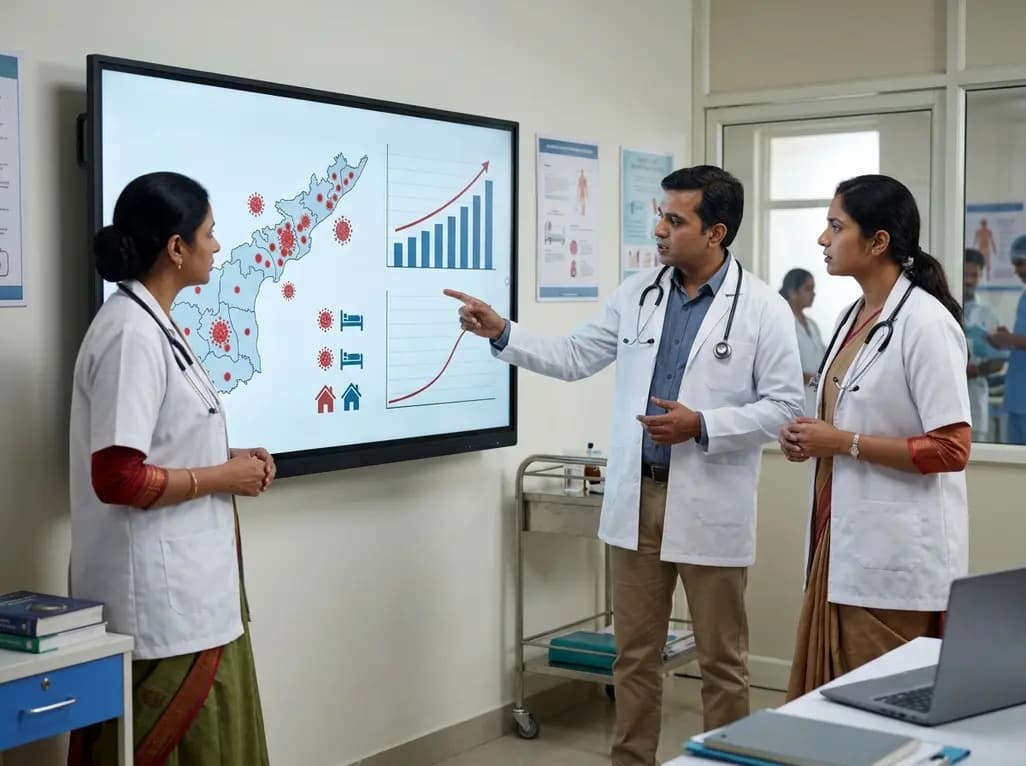
Andhra Pradesh reported 10 new Covid-19 cases, taking the state tally to 49 while deaths remain at four. With 24 patients hospitalized and 16 under home isolation, the Health Department has intensified monitoring. Medical professionals should review regional distribution, diagnostic protocols, and management plans.
Today

An 11-year Swedish registry study of 618 uterine sarcoma patients found that minimally invasive surgery yielded survival comparable to open surgery in early stages. However, adjuvant chemotherapy conferred no survival benefit in localized or advanced disease, highlighting stage and histology as key outcomes.
3 days back

A cross-sectional study evaluates post-intensive care syndrome in cardiac patients 2-4 weeks post-ICU discharge, highlighting cognitive, psychological, and functional impairments and the need for structured multidisciplinary rehabilitation.
3 days back
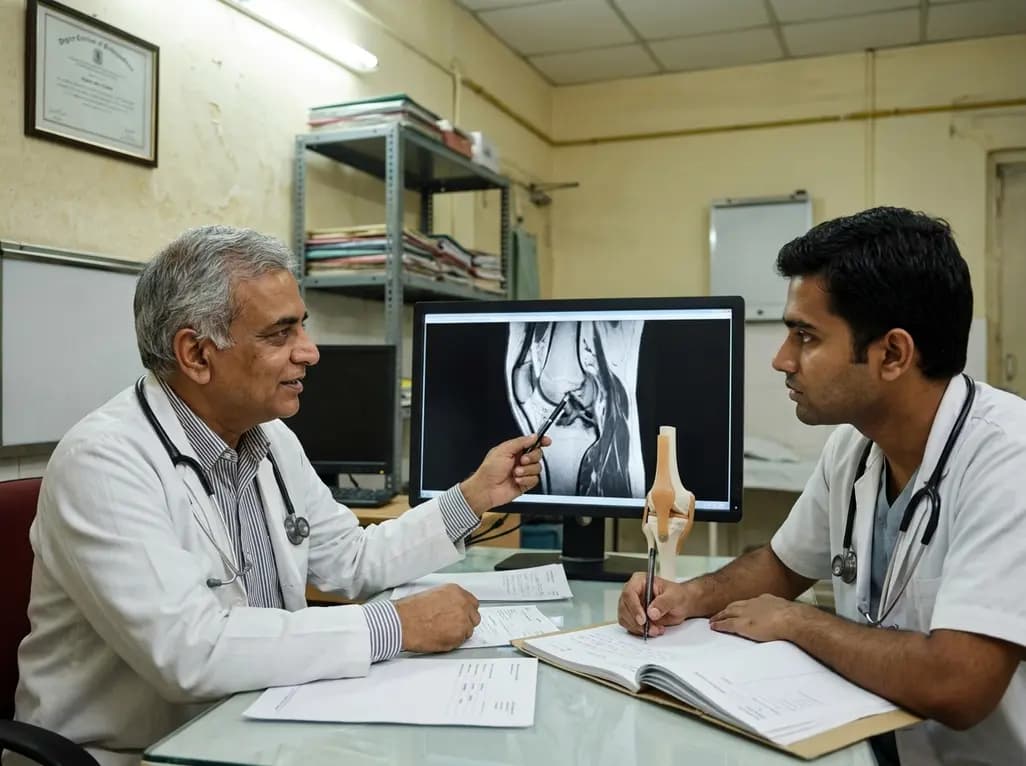
Anterior cruciate ligament reconstruction failure lacks uniform definition. A narrative review proposes an integrative framework incorporating objective and subjective instability, persistent pain, restricted motion, graft rupture, and secondary meniscal injury to standardize clinical reporting.
3 days back
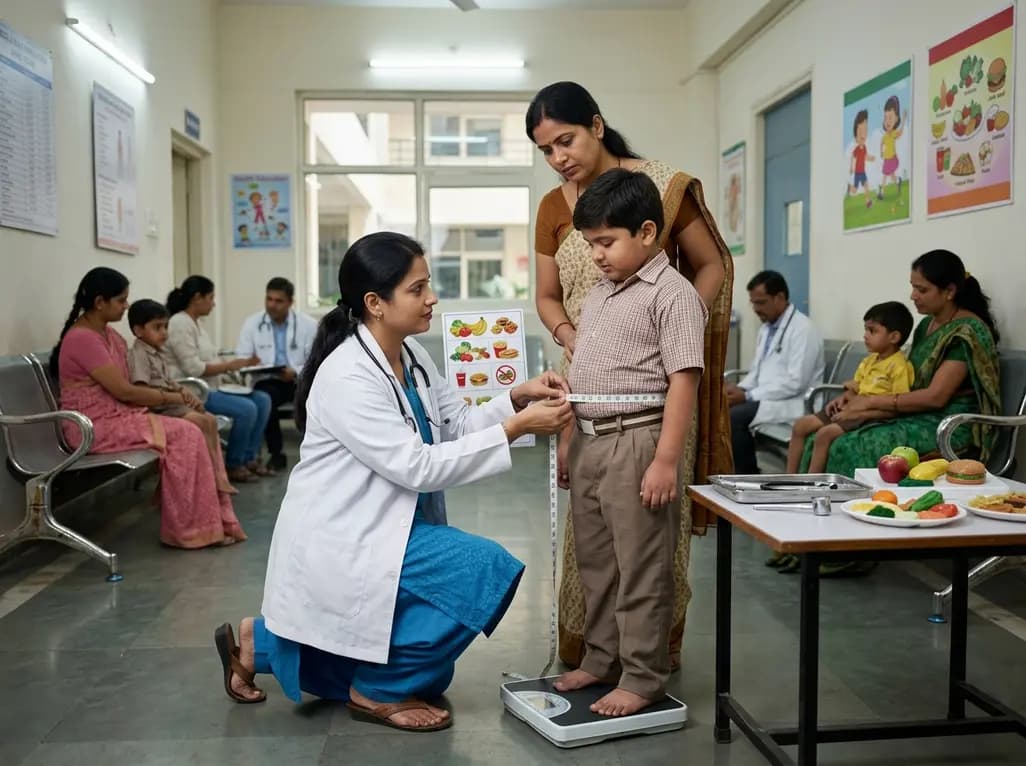
With World Obesity Atlas data warning that over 41 million Indian children are overweight or obese, ICMR and NIN have unveiled a 10-point policy roadmap. The initiative calls for mandatory front-of-pack labeling, HFSS taxes, strict marketing bans, and healthier school environments to curb non-communicable diseases.
Today
