

Loading, please wait...
Loading, please wait...

Thoracic oncologists face substantial challenges when managing resectable non-small cell lung cancer, because systemic recurrence remains common even after complete surgery. Recently, perioperative tislelizumab combined with neoadjuvant chemotherapy transformed clinical practice by improving pathological complete responses and extending event-free survival. However, survival metrics alone cannot fully guide shared clinical decision-making. Physicians must also evaluate how multimodal regimens influence patient functional independence, symptom burden, and day-to-day recovery. Thoracic surgical procedures often introduce significant morbidity, including acute chest wall discomfort, restricted breathing, and persistent pulmonary symptoms. When patients receive neoadjuvant chemotherapy followed by postoperative immunotherapy consolidation, clinicians must determine whether added treatment compromises tolerability. Consequently, patient-reported outcomes offer indispensable insights into the subjective recovery trajectories of surgical candidates. The phase III RATIONALE-315 trial addressed these critical questions by prospectively gathering quality-of-life assessments alongside primary oncologic survival metrics. By evaluating validated symptom questionnaires across multiple treatment phases, investigators clarified the human impact of intensified perioperative therapy. Ultimately, these longitudinal assessments ensure that therapeutic advancements offer true patient-centered value alongside durable tumor eradication.
The randomized, double-blind, phase III RATIONALE-315 trial enrolled 453 treatment-naïve patients with resectable stage II to IIIA non-small cell lung cancer across fifty cancer centers. Researchers randomly allocated 226 patients to receive perioperative tislelizumab plus platinum-doublet chemotherapy and 227 patients to receive matched placebo plus chemotherapy. Following neoadjuvant cycles, patients underwent radical surgical resection and subsequently began adjuvant tislelizumab or placebo for up to eight cycles. To evaluate quality of life comprehensively, investigators administered two validated questionnaires: the EORTC QLQ-C30 core instrument and the lung cancer-specific QLQ-LC13 module. Furthermore, prespecified endpoints examined patient scores at baseline, neoadjuvant Cycle 3, and adjuvant Cycles 3, 5, and 7. Statisticians analyzed longitudinal differences using a mixed-effects model for repeated measures, comparing least squares mean score changes from baseline between arms. Additionally, researchers analyzed time to deterioration for primary respiratory symptoms, defining deterioration as a confirmed, clinically meaningful score change. Therefore, this methodological design tracked both immediate treatment-related toxicities and late postoperative symptom changes. Consequently, clinicians obtain clear, reliable evidence regarding patient functional well-being throughout both perioperative phases.
Thoracotomy and anatomical lung resections frequently cause persistent intercostal nerve irritation and musculoskeletal chest wall discomfort. Consequently, postoperative chest pain represents one of the most debilitating hurdles facing lung cancer survivors during surgical convalescence. In the RATIONALE-315 trial, patient-reported outcome analyses revealed striking differences in chest pain trajectory between cohorts. Specifically, at adjuvant Cycle 3, patients receiving tislelizumab maintained baseline chest pain scores, whereas patients receiving placebo experienced significant symptom worsening. The least squares mean difference reached -4.99 points (95% CI: -9.06 to -0.93; p = 0.016), favoring tislelizumab. Similarly, at adjuvant Cycle 5, patients receiving tislelizumab sustained superior pain control compared to the deteriorating control arm. The corresponding least squares mean difference remained clinically meaningful at -4.15 points (95% CI: -7.86 to -0.44; p = 0.028). In addition, time to deterioration analyses demonstrated a 42% lower risk of worsening chest pain with tislelizumab (hazard ratio 0.58; p = 0.004). Thus, perioperative immunotherapy preserved chest wall comfort without adding treatment-related physical toxicities. Ultimately, protecting patients from persistent postoperative discomfort directly promotes active physical recovery.
Persistent cough represents another pervasive, highly distressing problem following parenchymal lung resection. Postoperative airway inflammation, reduced bronchial clearance, and loss of functional lung tissue frequently aggravate chronic respiratory distress. In the RATIONALE-315 trial, investigators evaluated cough severity using the validated QLQ-LC13 cough scale throughout active adjuvant therapy. Interestingly, during earlier cycles, cough scores remained comparable between arms as patients healed from acute surgery. However, by adjuvant Cycle 7, patients treated with tislelizumab achieved a statistically significant reduction in coughing compared to the placebo cohort. The least squares mean difference between arms reached -5.10 points (95% CI: -9.79 to -0.40; p = 0.034), demonstrating superior symptom control. Moreover, this delayed symptomatic divergence indicates that sustained immunotherapy exerts progressive antineoplastic control in thoracic tissues. By preventing microscopic recurrence and local inflammation in peribronchial tissues, tislelizumab preserves airway integrity over time. Therefore, patients experience meaningful relief from exhausting coughing episodes as consolidation continues. Consequently, these findings illustrate how systemic immunotherapeutic efficacy translates into tangible pulmonary comfort.
The patient-reported findings from RATIONALE-315 provide compelling clinical justification for adopting perioperative immunotherapy regimens in routine practice. Traditionally, oncologists harbored valid concerns that extending immunotherapy into adjuvant phases might accumulate toxicities and impair postoperative recovery. However, these prospective data demonstrate that tislelizumab preserves quality of life while shielding patients from progressive chest pain and cough. In addition, when thoracic surgeons and medical oncologists discuss perioperative therapy with eligible patients, symptom outcomes facilitate shared decision-making. Patients frequently fear that intensified systemic therapy will leave them chronically debilitated after major pulmonary resection. Therefore, clinicians can confidently reassure patients that perioperative tislelizumab improves overall survival while maintaining physical comfort. Furthermore, these insights highlight the vital necessity of embedding routine electronic patient-reported outcome monitoring into standard clinical workflows. By systematically tracking pulmonary symptoms, care teams can initiate timely physical therapy, optimize analgesia, and address immune toxicities promptly. Ultimately, aligning pathological efficacy with preserved quality of life establishes a holistic standard of care in resectable lung cancer. Consequently, multidisciplinary cancer teams can deliver curative-intent treatment paradigms without compromising daily functional well-being.
In the RATIONALE-315 trial, perioperative tislelizumab effectively preserved baseline chest pain levels during adjuvant cycles 3 and 5, whereas patients receiving placebo experienced significant symptom worsening. Furthermore, time to deterioration analyses demonstrated a 42% lower hazard of chest pain worsening with tislelizumab. By reducing microscopic locoregional recurrence and associated inflammatory processes, tislelizumab prevented chronic postsurgical discomfort, reassuring clinicians that extended adjuvant immunotherapy does not amplify chest wall neuralgia after pulmonary resection.
Investigators evaluated patient-reported outcomes using two validated questionnaires: the European Organisation for Research and Treatment of Cancer core quality of life instrument (EORTC QLQ-C30) and the lung cancer-specific module (QLQ-LC13). Researchers administered these assessments at baseline, neoadjuvant Cycle 3, and adjuvant Cycles 3, 5, and 7. Subsequently, statisticians evaluated longitudinal symptom scores using mixed-effects models for repeated measures, providing a methodologically robust assessment of functional recovery, coughing severity, and pain trajectories across treatment phases.
Coughing represents a debilitating symptom following lung resection that impairs physical stamina, disrupts restorative sleep, and heightens patient anxiety regarding disease recurrence. In RATIONALE-315, tislelizumab produced a statistically significant reduction in coughing by adjuvant Cycle 7 compared to placebo. This meaningful improvement demonstrates that prolonged immunotherapy promotes durable microenvironmental airway stabilization and prevents tumor-induced bronchial irritation, thereby enhancing functional independence and overall quality of life during late postoperative recovery.
Disclaimer: This content is for informational and educational purposes only. It is not intended to provide medical advice, diagnosis, or treatment and should not be used as a substitute for professional clinical judgment. Health professionals should verify all clinical and pharmacological details independently. Refer to the latest local and national guidelines for clinical practice.
References

Read summarized clinical updates, watch expert medical content, and earn CME certifications right from your smartphone.
Open your smartphone camera to scan and install.





The phase III RATIONALE-315 trial shows that perioperative tislelizumab plus neoadjuvant chemotherapy provides significant symptom relief, preserving chest pain control and reducing coughing in resectable non-small cell lung cancer, confirming meaningful quality-of-life benefits for surgical candidates.
Today

Ovarian cancer remains a lethal malignancy marked by chemoresistance and recurrence. Metabolic remodelling within the peritoneal niche suppresses immune responses through nutrient deprivation and hypoxia-driven signaling. Targeting immunometabolic pathways offers novel strategies to break immune tolerance.
Today

A recent cross-sectional study reveals that life satisfaction among children with congenital heart disease is preserved and not significantly linked to parental burnout, highlighting the need for independent caregiver support.
Today

Arthrogryposis multiplex congenita affects fetal joint mobility, yet fewer than half of cases are detected prenatally. This review highlights dynamic fetal motor assessment, phenotypic subtyping, rapid exome sequencing, and multidisciplinary perinatal care to optimize diagnosis and parental counseling.
Today
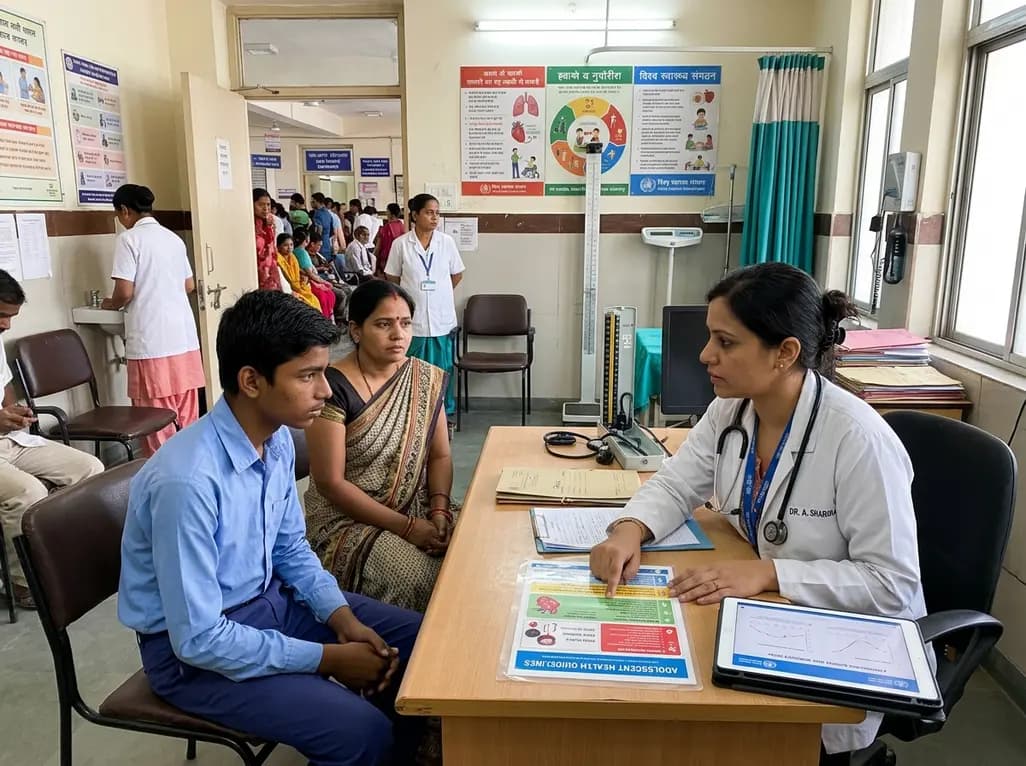
A major World Health Organization study reveals that one in four teenagers globally records zero active days per week. Discover the epidemiological data, cardiometabolic consequences of adolescent sedentary behavior, and practical guidance for clinicians to promote healthy lifestyle habits among youth.
Today
