

Loading, please wait...
Loading, please wait...

Living with congenital heart disease introduces profound physical and psychosocial adjustments for pediatric patients and their caregivers. Clinicians frequently encounter significant parental burnout in CHD, yet the exact correlation between caregiver fatigue and child well-being requires rigorous investigation. Understanding this relational dynamic helps healthcare teams deliver comprehensive, family-centered medical care.
Caring for a child with congenital heart defects demands continuous vigilance, frequent hospitalizations, and complex therapeutic regimens. Consequently, parents often face unrelenting emotional and financial pressures that extend far beyond standard parenting duties. Over time, this unrelenting caregiving burden can evolve into parental burnout, characterized by emotional exhaustion, estrangement from the parental role, and feelings of parental inefficiency. Furthermore, chronic stress alters parent-child relationships and threatens overall household stability. Pediatric cardiologists and primary care physicians increasingly recognize that medical therapy alone cannot resolve these underlying psychological struggles. Therefore, clinical teams must assess the emotional landscape of parents during routine cardiovascular checkups. Although many parents demonstrate remarkable resilience, others struggle silently under the weight of lifelong medical uncertainties. Moreover, maternal and paternal caregivers often experience distinct manifestations of distress, influenced by their primary caregiving responsibilities and personal coping mechanisms. In addition, social isolation frequently compounds their exhaustion, as few external peers understand the specific complexities of pediatric cardiac conditions. Thus, healthcare providers must identify early signs of chronic caregiver fatigue before emotional exhaustion compromises family health and patient care routines.
While parents navigate caregiving pressures, children with congenital heart disease confront unique physical, developmental, and social challenges. Many pediatric patients experience physical limitations, surgical scarring, and missed school days due to regular hospital visits. Despite these chronic disruptions, many affected children maintain an optimistic outlook and positive self-perception. In a recent cross-sectional clinical study, investigators assessed 234 children aged 8 to 13 years using the Satisfaction with Life Scale adapted for Children. Surprisingly, the young participants reported healthy average satisfaction scores, demonstrating notable psychological adaptation to their ongoing medical conditions. Furthermore, their life satisfaction did not significantly fluctuate based on demographic variables or specific clinical severity markers. Children frequently normalize their chronic medical circumstances when families provide structured routines and strong emotional security. Consequently, their perceived subjective well-being remains resilient despite recurring hospital visits and diagnostic procedures. In addition, positive peer connections and supportive educational settings reinforce their emotional stability. However, clinicians must remember that outward adaptation does not preclude internal anxieties regarding future health. Therefore, pediatric teams must continue monitoring subjective patient well-being alongside objective physiological measurements during routine clinical follow-up visits.
Conventional family systems theory suggests that parental distress directly impairs child psychological well-being. However, empirical findings from recent pediatric cardiology research reveal a surprising divergence between these two domains. Researchers observed no statistically significant correlation between child life satisfaction scores and parental burnout levels. Even when parents reported substantial emotional depletion, their children continued to report favorable life satisfaction. In addition, analysis across specific burnout subscales confirmed this unexpected absence of direct association. This finding suggests that children can thrive emotionally even while their parents endure severe caregiving exhaustion. Because parents often expend substantial effort to shield their children from adult worries, pediatric patients may remain largely unaware of parental strain. Furthermore, children evaluate their happiness based on immediate peer interactions, play, and personal accomplishments rather than parental emotional equilibrium. Nevertheless, this disconnect should not lead clinicians to overlook caregiver suffering. Parental distress remains an urgent independent clinical issue that requires prompt attention. Thus, healthcare practitioners must avoid assuming that a smiling, happy child indicates a thriving, stress-free household environment. Proactive evaluation of both parties remains essential.
Investigating sociodemographic characteristics offers deeper insights into how families navigate chronic congenital conditions. In the analyzed cross-sectional cohort, variables such as child age, parental gender, and economic status showed no significant correlation with burnout scores. Similarly, specific medical factors, including surgery history and cardiac lesion complexity, did not directly dictate caregiver stress. Consequently, these findings highlight that parental vulnerability stems from complex psychological processes rather than purely physiological severity. Some parents possess internal coping strategies, such as cognitive reframing and spiritual hope, which buffer against severe emotional depletion. In contrast, other caregivers struggle regardless of whether their child has a simple or complex cardiac defect. Furthermore, access to informal social networks, such as extended family and community groups, substantially moderates individual stress responses. Therefore, clinicians cannot rely solely on the cardiac diagnosis to predict family well-being. Instead, physicians must evaluate personal coping styles, available social resources, and perceived emotional demands. By recognizing these nuanced determinants, clinical teams can identify vulnerable families earlier and deliver customized supportive interventions that promote enduring psychological resilience across the entire household.
These clinical insights underscore the necessity of adopting holistic, family-centered models within pediatric cardiology. Traditionally, outpatient consultations prioritize anatomical repairs, hemodynamic stability, and medication titration. However, treating congenital heart defects successfully demands equal attention to the psychosocial health of the entire family unit. Pediatric cardiologists should collaborate closely with clinical psychologists, medical social workers, and cardiac nurses to establish comprehensive screening protocols. In addition, healthcare centers can implement structured caregiver support programs, offering stress reduction techniques and peer mentorship opportunities. Such initiatives validate parental experiences and provide practical strategies to manage chronic caregiving fatigue. Meanwhile, clinicians should continue encouraging physical activity and social participation for pediatric patients to sustain their positive life satisfaction. When healthcare providers support caregivers effectively, parents regain the emotional capacity necessary to maintain long-term caregiving responsibilities. Ultimately, bridging the gap between medical management and mental health support improves quality of life across the family continuum. Therefore, modern cardiology departments must embed psychosocial evaluations directly into routine care pathways for all children with congenital heart conditions.
Parental burnout represents an extreme state of chronic exhaustion resulting from prolonged caregiving demands without adequate recovery. Unlike typical parenting stress, parental burnout in CHD involves severe emotional detachment from the child, feelings of overwhelming inadequacy, and persistent physical fatigue. Caregivers navigate frequent clinical interventions, medication schedules, and unpredictable cardiac crises. Consequently, this continuous vigilance depletes their emotional reserves, transforming manageable acute stress into profound systemic burnout that requires dedicated clinical support.
Children frequently develop robust adaptive resilience and psychological coping mechanisms when living with chronic medical conditions from birth. Because these pediatric patients often view their clinical routine as their baseline reality, their subjective happiness remains relatively stable. In addition, warm familial support, peer relationships, and targeted school accommodations protect their self-esteem. Consequently, their perceived quality of life can remain unexpectedly high even when their primary caregivers experience substantial ongoing emotional strain.
Cardiology teams should incorporate validated psychological assessment tools into routine outpatient visits to evaluate caregiver stress effectively. For example, clinicians can administer brief questionnaires, such as the Zarit Burden Interview or the Parental Burnout Assessment, during scheduled cardiac checkups. Furthermore, multidisciplinary teams that include medical social workers and clinical psychologists can promptly identify at-risk parents. Therefore, early referral to peer support groups and professional psychological counseling safeguards overall family functioning.
Disclaimer: This content is for informational and educational purposes only... Refer to the latest local and national guidelines for clinical practice.
References

Read summarized clinical updates, watch expert medical content, and earn CME certifications right from your smartphone.
Open your smartphone camera to scan and install.





A recent cross-sectional study reveals that life satisfaction among children with congenital heart disease is preserved and not significantly linked to parental burnout, highlighting the need for independent caregiver support.
Today

A new FICCI-EY paper urges India to shift air quality strategy from seasonal panic to year-round public health governance. Setting explicit PM2.5 targets under NCAP is vital to mitigate over two million deaths annually and curb severe cardiovascular, respiratory, and neurocognitive disease burdens across populations.
Today
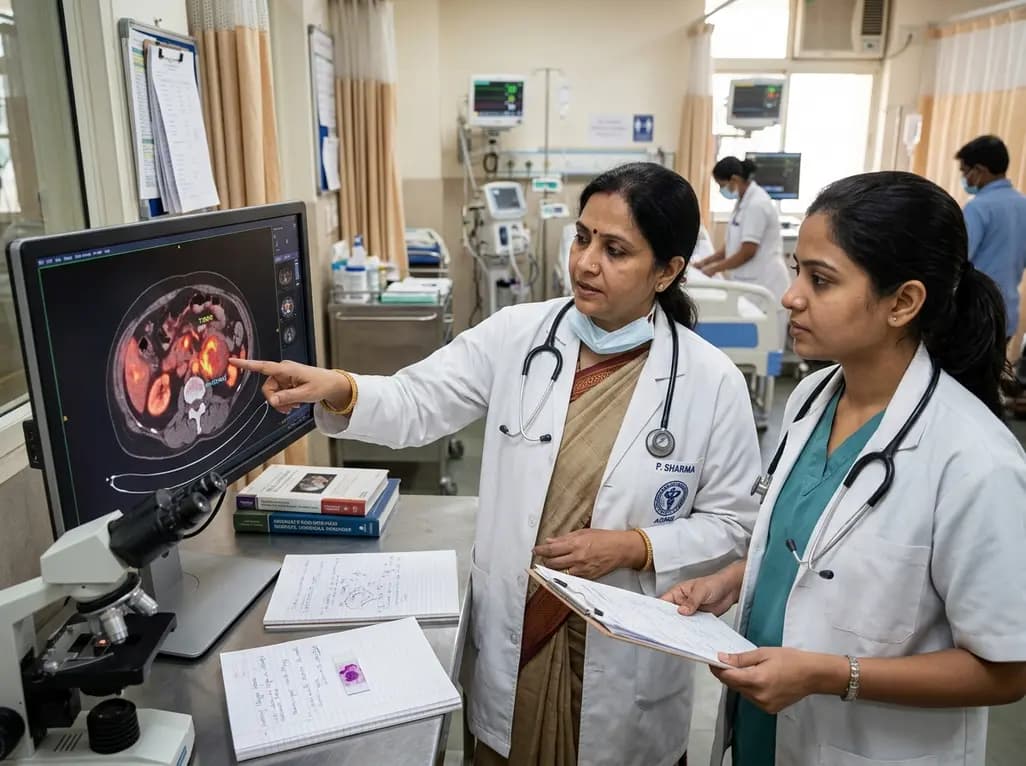
Ovarian cancer remains a lethal malignancy marked by chemoresistance and recurrence. Metabolic remodelling within the peritoneal niche suppresses immune responses through nutrient deprivation and hypoxia-driven signaling. Targeting immunometabolic pathways offers novel strategies to break immune tolerance.
Today

Arthrogryposis multiplex congenita affects fetal joint mobility, yet fewer than half of cases are detected prenatally. This review highlights dynamic fetal motor assessment, phenotypic subtyping, rapid exome sequencing, and multidisciplinary perinatal care to optimize diagnosis and parental counseling.
Today
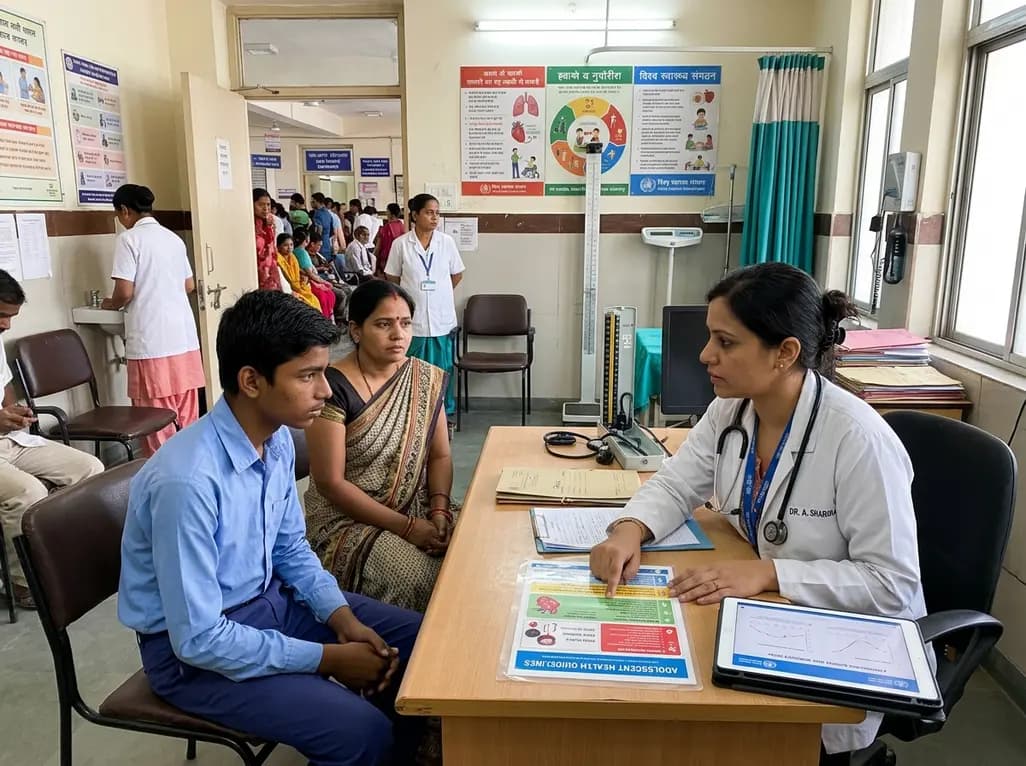
A major World Health Organization study reveals that one in four teenagers globally records zero active days per week. Discover the epidemiological data, cardiometabolic consequences of adolescent sedentary behavior, and practical guidance for clinicians to promote healthy lifestyle habits among youth.
Today
