

Loading, please wait...
Loading, please wait...
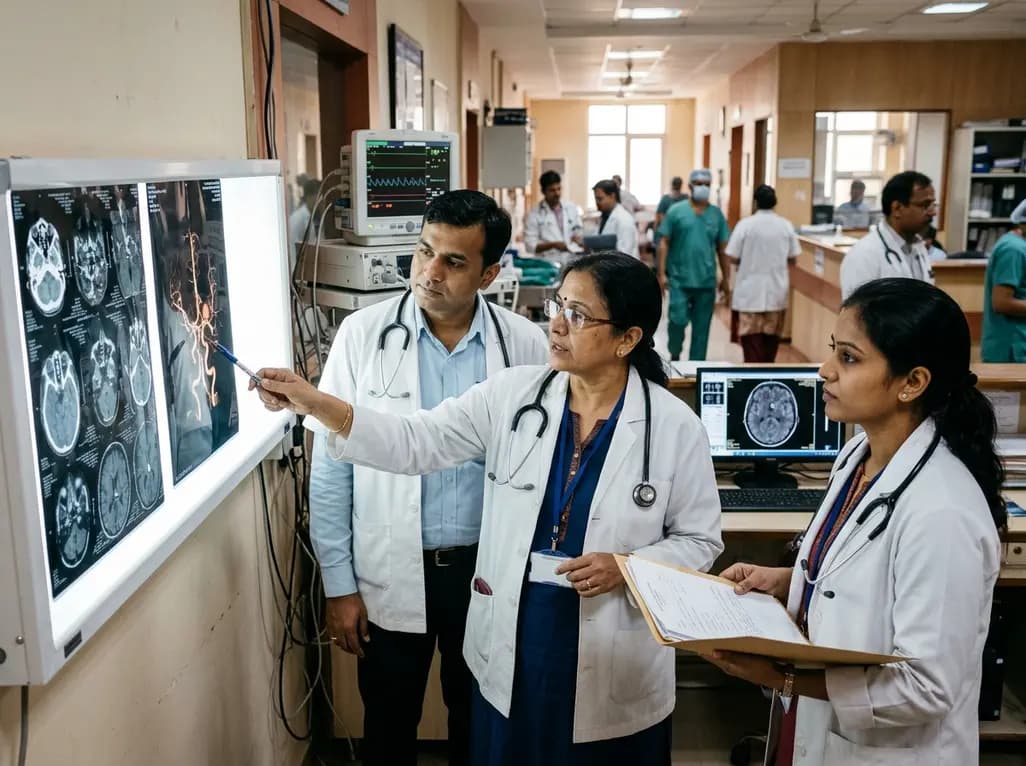
The elective treatment of unruptured intracranial aneurysms represents a critical clinical crossroads. Clinicians frequently evaluate procedural success via angiographic occlusion and major neurological deficit rates. However, patients often experience complex, overlapping physical and psychological symptoms throughout hospitalization. A landmark study published by Chen and colleagues provides vital insights into the dynamic symptom trajectories of patients undergoing neurosurgical clipping or endovascular therapy. Consequently, by mapping perioperative symptom clusters, clinicians can deliver tailored case management.
Modern neuroimaging has substantially increased the incidental detection of unruptured intracranial aneurysms worldwide. When clinicians recommend intervention, the primary treatment modalities remain elective microsurgical clipping and endovascular coiling or flow diversion. Although these interventions effectively prevent life-threatening subarachnoid hemorrhage, they introduce distinct physiological and psychological stressors. In addition, patients inevitably face significant distress regarding potential procedural complications, intraoperative rupture, and post-procedural recovery. Historically, inpatient care has prioritized hemodynamic parameters and neurovascular checks. Consequently, subtle yet debilitating subjective symptoms frequently escape timely clinical attention. For example, patients often report pervasive fatigue, severe anxiety, persistent dizziness, and cognitive fogginess. These symptoms interact dynamically and can substantially delay mobilization, prolong hospital stays, and reduce satisfaction. Therefore, treating teams require a nuanced understanding of how symptoms evolve across distinct perioperative phases. Recognizing that symptoms do not occur in isolation allows multidisciplinary neurosurgical teams to transition from reactive problem-solving to structured, preventative care. Ultimately, this holistic perspective ensures that physiological healing aligns closely with functional rehabilitation and emotional well-being.
To characterize the temporal trajectory of recovery, investigators evaluated 362 patients across three distinct perioperative milestones. Specifically, the researchers assessed patients within 24 hours prior to treatment (T0), at 48 hours post-treatment (T1), and within 24 hours prior to discharge (T2). At baseline (T0), psychological and vestibular complaints predominated. For instance, patients most commonly reported dizziness, pervasive worry or fear, and severe anxiety. Anticipatory distress regarding brain surgery heavily influenced these preoperative experiences. In contrast, the immediate post-procedure period (T1) triggered a noticeable shift toward somatic and neurological distress. At this 48-hour mark, patients reported prominent headaches, persistent fatigue, low energy levels, and profound sleep disturbances. These acute manifestations stem directly from procedural manipulation, craniotomy discomfort, meningeal irritation, and neuro-intensive monitoring routines. Furthermore, by the pre-discharge phase (T2), acute procedural pain began to subside, but chronic physical deficits persisted. In particular, fatigue and low energy remained prevalent alongside lingering dizziness. As a result, these findings demonstrate that symptom burden is far from static. Instead, patient experiences shift predictably from anticipatory emotional distress to acute somatic discomfort, culminating in lingering constitutional exhaustion prior to hospital discharge.
Beyond tracking isolated symptoms, the study utilized advanced network psychometrics to examine inter-symptom connectivity. Specifically, the investigators performed exploratory graph analysis (EGA) to identify distinct symptom clusters across the treatment phases. Interestingly, the network structure condensed over time. EGA revealed four unique symptom clusters preoperatively (T0), which contracted to three clusters post-procedure (T1), and consolidated into two clusters pre-discharge (T2). Furthermore, the team assessed regularized partial correlation networks to evaluate symptom centrality using one-step expected influence (EI). Symptoms exhibiting higher EI act as central bridge nodes that can trigger or exacerbate interconnected symptoms. For example, at T0, the top-ranked priority symptoms were headache, dizziness, and worry or fear. In comparison, at T1, headache remained paramount, accompanied by memory and attention difficulties as well as peripheral numbness or tingling. Finally, at T2, fatigue or low energy, dizziness, and decreased appetite emerged as central priority targets. However, researchers noted that EI rankings displayed limited statistical stability across bootstrap evaluations. This instability highlights the intricate variability of neurosurgical recovery. Nevertheless, identifying central bridge symptoms offers clinicians high-yield therapeutic targets that may disrupt wider symptom networks and improve overall patient comfort.
Recognizing the clinical value of symptom networks, the researchers developed an actionable, symptom-guided case management protocol. To achieve clinical rigor, the investigators integrated empirical evidence with professional expert judgment. In addition, they combined the identified candidate priority symptoms with comprehensive evidence synthesis. Subsequently, the authors convened an interdisciplinary expert panel to refine the interventions through two rigorous modified Delphi consensus rounds. The resulting protocol establishes a structured, three-phase clinical pathway tailored specifically to perioperative timelines. Structurally, the framework encompasses nine secondary clinical indicators and thirty-six tertiary management items. During the preoperative phase, interventions focus aggressively on anxiolysis, psychological counseling, preoperative headache management, and vestibular stabilization. Following the intervention, the protocol shifts attention to multimodal analgesia, early cognitive reorientation, targeted sleep hygiene, and neurovascular assessment. As discharge approaches, care items emphasize energy conservation techniques, dietary optimization, graded ambulation, and patient education regarding post-discharge dizziness. Thus, this consensus-driven protocol translates complex network psychometrics into structured nursing and medical interventions. Although full clinical efficacy requires ongoing prospective validation, this standardized framework equips neurosurgical teams with reproducible, prioritized clinical guidance.
The implementation of a symptom-guided pathway holds profound practical implications for multidisciplinary neurovascular teams. In standard hospital practice, bedside nurses and neurosurgeons often assess symptoms individually without recognizing their underlying cluster dynamics. For example, unmanaged preoperative anxiety can severely exacerbate postoperative headache and sleep fragmentation. By recognizing these interconnected pathways, healthcare teams can initiate proactive interventions before secondary symptoms intensify. Additionally, case managers can utilize the candidate priority symptoms to triage patient needs effectively. In busy tertiary care settings, protocolized symptom assessment tools empower junior clinicians to detect lingering deficits, such as minor cognitive fogginess or sensory paresthesia, that might otherwise go undocumented. Moreover, educating patients and their caregivers about expected symptom shifts can substantially reduce post-discharge readmission rates and emergency consultations. Ultimately, integrating structured symptom management with standard neurosurgical monitoring bridges the gap between technical procedural success and patient-centered recovery. Consequently, clinicians in Indian healthcare environments and international centers alike can adapt these 36 tertiary items to enhance quality of care, accelerate functional mobilization, and optimize inpatient resource allocation.
Pre-treatment anxiety and fear significantly amplify perioperative stress, heightening autonomic arousal and lowering pain thresholds. Consequently, patients with severe anticipatory worry often experience exacerbated postoperative pain, severe sleep disturbances, and prolonged functional recovery. In response, implementing structured preoperative counseling and targeted psychological support helps stabilize baseline emotional well-being. Therefore, addressing these candidate priority symptoms early minimizes downstream physiological distress and supports smoother post-intervention recovery across subsequent inpatient care phases.
Acute headache and fatigue frequently stem from direct surgical or endovascular factors. For example, craniotomy incision, dural irritation, minor chemical meningitis, and femoral access trauma trigger localized pain pathways. Concurrently, general anesthesia, neuro-intensive monitoring interruptions, and psychological relief following intervention produce profound physical and cognitive exhaustion. As a result, clinicians must apply multimodal analgesia and scheduled rest periods early to prevent these acute symptoms from degrading patient cooperation and early mobilization efforts.
Neurosurgical units can embed the three-phase protocol directly into standard bedside clinical pathways and electronic health record flowsheets. Specifically, multidisciplinary teams, including neurosurgeons, ward nurses, and physiotherapists, assess the specific priority symptoms at admission, 48 hours post-treatment, and pre-discharge. Furthermore, standardizing these checks ensures timely non-pharmacological and pharmacological interventions. Ultimately, this approach reduces practice variation and facilitates individualized care plans tailored to evolving patient-reported symptom burdens.
Disclaimer: This content is for informational and educational purposes only, and should not be taken as professional medical advice. Healthcare professionals should make decisions based on each patient's individual clinical situation. Treatment protocols and guidelines vary across institutions and countries. Refer to the latest local and national guidelines for clinical practice.
References

Read summarized clinical updates, watch expert medical content, and earn CME certifications right from your smartphone.
Open your smartphone camera to scan and install.





A retrospective study of 362 unruptured intracranial aneurysm patients identifies phase-specific symptom clusters and establishes a consensus-based, 36-item case management protocol.
Today

As lifestyle diseases surge across India, clinicians face rising challenges from dietary misinformation and unmonitored therapies. Prioritising structured nutrition therapy, evidence-based self-care, and robust regulatory oversight offers a sustainable pathway to counter metabolic dysfunction and enhance patient health.
Today

A 20-year population study reveals a 45% decline in non-ambulatory cerebral palsy, driven largely by significant reductions in term hypoxic-ischaemic encephalopathy cases. Explore the causal pathways, perinatal advances, and clinical implications for maternal-neonatal healthcare.
Today

The Supreme Court of India has directed FSSAI to enforce distinct red hexagonal warnings on packaged foods for high salt, sugar, and saturated fat. This landmark public health ruling empowers consumers and supports physicians combating diabetes, obesity, hypertension, and cardiovascular diseases across the nation.
Today
A retrospective study identifies C6 canal diameter and C3 cord-canal ratio as key predictors of secondary single-door laminoplasty after anterior cervical surgery, with progressive adjacent segment disease as the primary cause.
Today

A critical appraisal using AMSTAR 2 reveals that meta-analyses on exercise interventions for gestational diabetes have critically low methodological quality, urging cautious clinical interpretation.
Today
