

Loading, please wait...
Loading, please wait...

Healthcare systems worldwide face a dramatic demographic transition, leading to an increasing volume of older surgical patients presenting for major elective and emergency procedures. Consequently, modern perioperative care requires specialized approaches to manage physiological frailty, complex multimorbidity, and elevated risk of postoperative complications.
As average life expectancy rises, surgical units evaluate an increasingly complex cohort of elderly individuals. However, chronological age alone provides an inadequate measure of physiological reserve and surgical tolerance. Instead, frailty status and functional performance serve as far more accurate predictors of adverse postoperative outcomes. Frailty represents a multisystem decline in physiological capacity, leaving patients vulnerable to acute physiological stressors. Consequently, frail older individuals experience substantially higher rates of cardiopulmonary complications, prolonged intensive care admissions, and functional decline after surgery. Multimorbidity compounds these clinical challenges, as concurrent conditions like chronic kidney disease, diabetes, and cardiovascular disorders elevate perioperative risk. Furthermore, polypharmacy frequently triggers adverse drug events and dangerous pharmacokinetic interactions during anaesthesia. Therefore, surgical teams must transition from conventional organ-specific assessments toward holistic perioperative medicine pathways. Early risk identification allows multidisciplinary teams to deliver targeted prehabilitation, optimise chronic diseases, and initiate protective strategies before surgical intervention. Addressing these vulnerabilities early directly safeguards patient safety and preserves functional independence after complex procedures.
To evaluate contemporary institutional practices, the third Sprint National Anaesthesia Project investigated perioperative medicine services across twenty-three Australian healthcare centres. Ultimately, twenty-one hospitals completed the comprehensive survey, providing crucial data on clinical governance, preoperative assessment protocols, and postoperative care delivery. The findings revealed that preoperative evaluations remain predominantly nurse-led or anaesthetist-led, with exceptionally limited routine geriatrician involvement. Furthermore, routine preoperative screening for frailty and cognitive impairment occurred infrequently across participating centres. This notable omission persists despite international consensus statements recommending universal frailty screening for surgical patients aged sixty-five and older. Postoperative delirium assessment also demonstrated striking heterogeneity among hospitals, with teams rarely employing validated screening instruments like the 4AT or CAM. Additionally, formal clinical governance pathways specifically dedicated to older surgical candidates were absent in many participating facilities. Consequently, these organizational deficiencies generate substantial variability in clinical care quality. The study underscores an urgent implementation gap between published clinical evidence and daily hospital workflow, demanding immediate systemic reform.
The SNAP-3 survey highlights substantial operational hurdles that impede standard geriatric screening in acute hospital settings. Healthcare professionals frequently encounter severe time pressures, heavy clinical workloads, and inadequate electronic health record integration during preoperative consultations. Moreover, many surgical units lack standardized clinical pathways, leading staff to view frailty scoring as an administrative burden rather than a vital clinical tool. Nevertheless, validated screening instruments such as the Clinical Frailty Scale and the modified Delirium Elderly At-Risk score require minimal time to administer. When clinicians routinely deploy these instruments, they rapidly detect patients at heightened risk for catastrophic postoperative complications. Specifically, postoperative delirium represents the most prevalent yet frequently overlooked surgical complication among older adults. Undetected baseline cognitive deficits significantly amplify the risk of acute postoperative delirium, extended hospitalization, and long-term cognitive decline. Therefore, hospital leadership must embed mandatory frailty and cognitive screening directly into digital nursing intake and anaesthetic evaluation forms. Training frontline clinicians to identify subtle vulnerability ensures timely implementation of protective perioperative interventions.
A critical lesson from modern perioperative research involves establishing proactive geriatric co-management across surgical services. Historically, surgical teams have engaged geriatricians only through reactive consultations after severe medical decompensation or delirium has already occurred. However, robust evidence demonstrates that proactive collaborative care models markedly improve clinical outcomes. Under structured comprehensive geriatric assessment pathways, multidisciplinary teams systematically evaluate chronic multimorbidity, cognitive function, polypharmacy, and nutritional reserve prior to surgery. Consequently, clinicians can rationalise high-risk medications, introduce targeted nutritional therapy, and establish multicomponent delirium prevention strategies well before surgical incision. Anaesthetists benefit directly from this shared expertise, as tailored physiological assessments guide haemodynamic targets and depth-of-anaesthesia monitoring. In addition, proactive co-management enhances structured shared decision-making, ensuring procedural choices align with patient values and personal recovery goals. In resource-constrained healthcare environments, trained perioperative nurse specialists can coordinate these interdisciplinary pathways effectively. Ultimately, institutional co-management dismantles professional silos, eliminates fragmented care, and delivers coordinated multidisciplinary support throughout the surgical continuum.
Clinical directors and frontline perioperative clinicians must translate research insights into actionable hospital protocols. First, surgical departments should implement routine frailty screening at the initial point of surgical referral, utilizing rapid validated tools. Integrating digital decision-support alerts into electronic medical records facilitates rapid risk stratification and early referral for optimization. Second, clinical teams must institute non-pharmacological delirium prevention bundles across surgical wards. These bundles prioritize early postoperative mobilization, sensory aid preservation, adequate hydration, sleep hygiene, and multimodal opioid-sparing analgesia. Additionally, pharmacy teams should conduct rigorous medication reviews to deprescribe potentially inappropriate anticholinergic and psychoactive medications. Healthcare leaders must also invest in comprehensive interprofessional education, training ward nurses and junior medical officers to recognize subtle hypoactive delirium. In developing healthcare environments with limited specialist geriatricians, upskilling general physicians and anaesthetists in geriatric principles offers an effective solution. Finally, hospital networks must conduct regular clinical audits to track delirium incidence, hospital length of stay, and readmission rates. Systematic quality monitoring ensures sustained adherence to evidence-based perioperative care standards.
Routine frailty screening provides objective insight into a patient's physiological reserve rather than relying solely on chronological age. Consequently, clinical teams can accurately anticipate postoperative complications, including prolonged hospitalization and functional decline. Furthermore, identifying frailty preoperatively enables targeted prehabilitation, nutritional optimization, and tailored anaesthetic planning. This proactive approach supports informed shared decision-making, ensuring that patients and families understand procedural risks while empowering surgical teams to implement protective perioperative pathways.
Surgical teams prevent postoperative delirium by implementing evidence-based, multicomponent non-pharmacological care bundles. Clinicians should ensure early postoperative mobilization, maintain hydration, and preserve patient sensory aids like glasses and hearing devices. Additionally, anaesthetists must minimize deliriogenic medications, specifically benzodiazepines and anticholinergic drugs, while adopting multimodal opioid-sparing analgesia. Regular orientation by nursing staff and maintaining normal circadian sleep cycles further reduce confusion, dramatically lowering delirium rates and improving postoperative recovery.
Geriatric co-management introduces proactive comprehensive geriatric assessment into surgical units, rather than relying on reactive consultations after crises occur. Geriatricians collaborate closely with surgeons and anaesthetists to optimize chronic medical conditions, rationalize polypharmacy, and address cognitive vulnerability. Moreover, this partnership ensures early rehabilitation and coordinated discharge planning. Studies demonstrate that integrated co-management significantly reduces inpatient complications, shortens hospital length of stay, and prevents unplanned readmissions among complex surgical candidates.
Disclaimer: This content is for informational and educational purposes only... Refer to the latest local and national guidelines for clinical practice.
References
Poulton TE et al. Sprint National Anaesthesia Project 3: A survey of perioperative medicine services for older surgical patients in Australia. Anaesth Intensive Care. 2026 Nov 21. doi: 10.1177/0310057X261505897. PMID: 43065310.
Centre for Perioperative Care, British Geriatrics Society. Guideline for the Perioperative Care of People Living with Frailty Undergoing Elective and Emergency Surgery. London: CPOC; 2021.
Chow WB, Rosenthal RA, Merkow RP, et al. Optimal Preoperative Assessment of the Geriatric Surgical Patient: A Best Practices Guideline from the ACS NSQIP/American Geriatrics Society. J Am Coll Surg. 2012;215(4):453-466.

Read summarized clinical updates, watch expert medical content, and earn CME certifications right from your smartphone.
Open your smartphone camera to scan and install.





The SNAP-3 organisational survey reveals significant gaps in perioperative care for older surgical patients across Australian hospitals. Despite clinical guidelines, routine screening for frailty and delirium remains rare, highlighting the urgent need for integrated geriatric co-management and standardized protocols.
Today
Nonadherence to immunosuppressive therapy after lung transplantation threatens graft and patient survival. This review highlights evidence-based digital, behavioral, and therapy-related interventions to enhance adherence and emphasizes the need for tailored, multifactorial management strategies.
Today
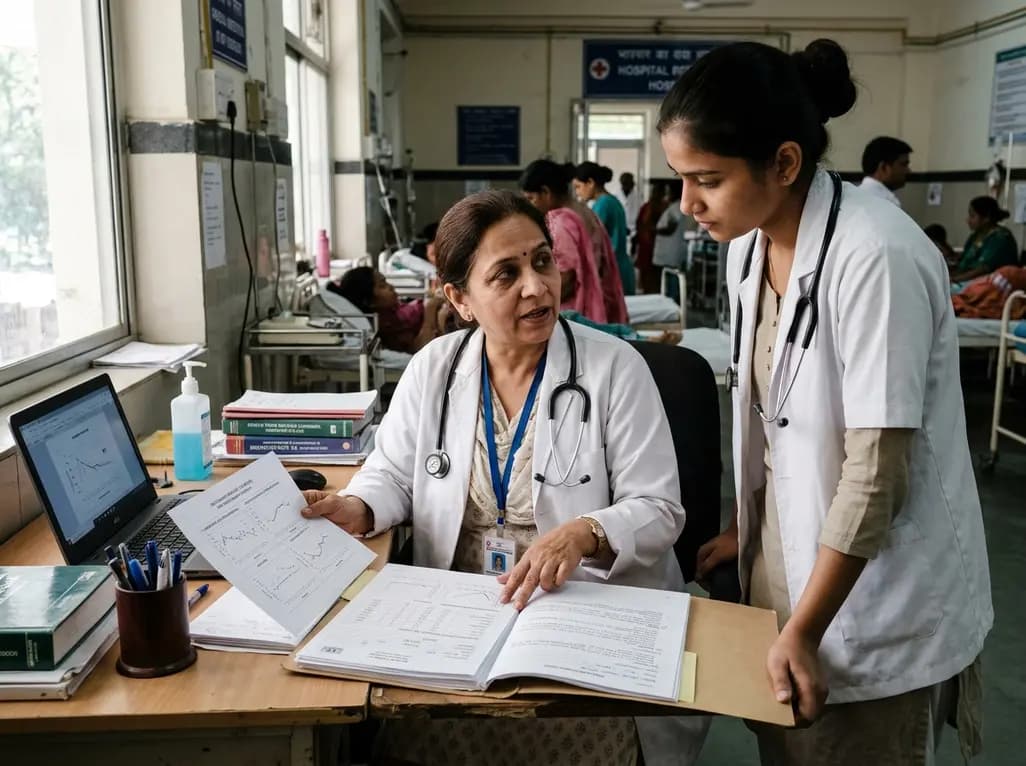
A landmark study reveals that physiologic subtypes of gestational glucose intolerance, including insulin resistance and insulin deficiency, independently raise long-term risks of maternal prediabetes and diabetes, underscoring the urgent need for structured postpartum surveillance.
Today

A systematic review and component network meta-analysis evaluated the incremental benefits of drug classes in HFmrEF and HFpEF. SGLT-2 inhibitors and MRAs provided the most robust reductions in heart failure hospitalizations, while mortality benefits remained elusive across all investigated drug classes.
Today
A recent clinical study identifies proximal intercuneiform joint disruption in 43.8% of low-energy Lisfranc injuries. Due to the low diagnostic sensitivity of standard radiographs and MRI, orthopedic surgeons must perform routine intraoperative stress testing to ensure complete anatomical reduction and fixation.
Today
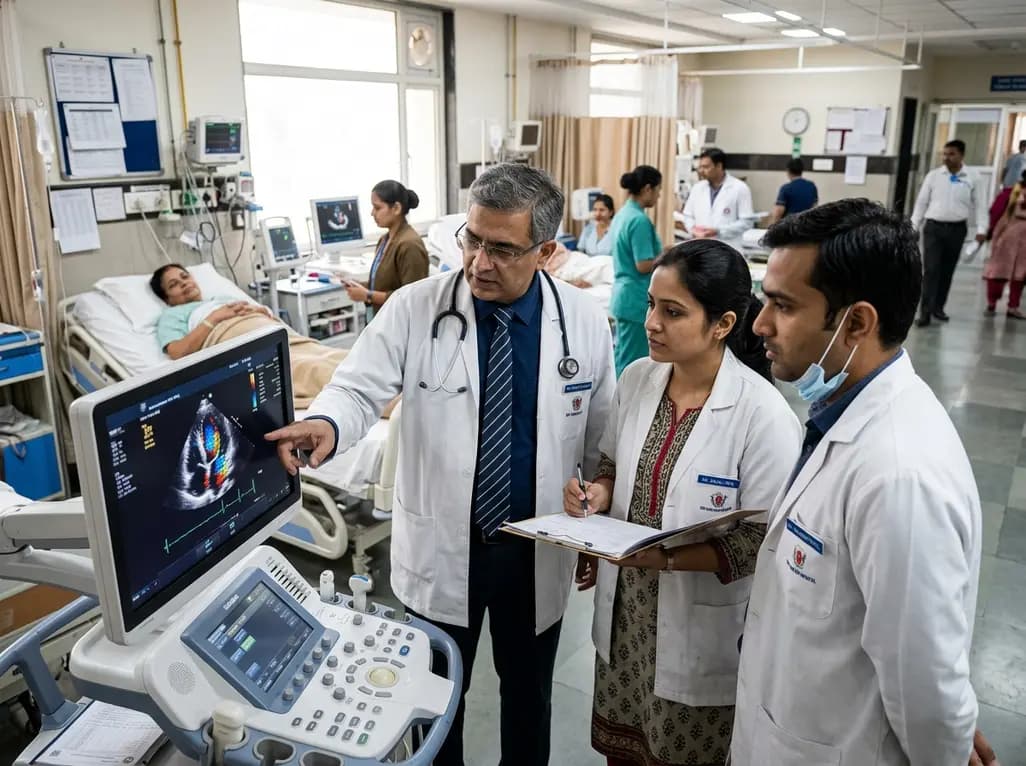
Mayo Clinic trials and real-world datasets show GLP-1 receptor agonists improve left ventricular remodeling, reduce intracardiac filling pressures, decrease hospitalizations by 34%, and lower geriatric fall risks in patients with obesity and heart failure, delivering notable clinical and economic benefits.
Today
