.webp&w=384&q=75)

Loading, please wait...
Loading, please wait...
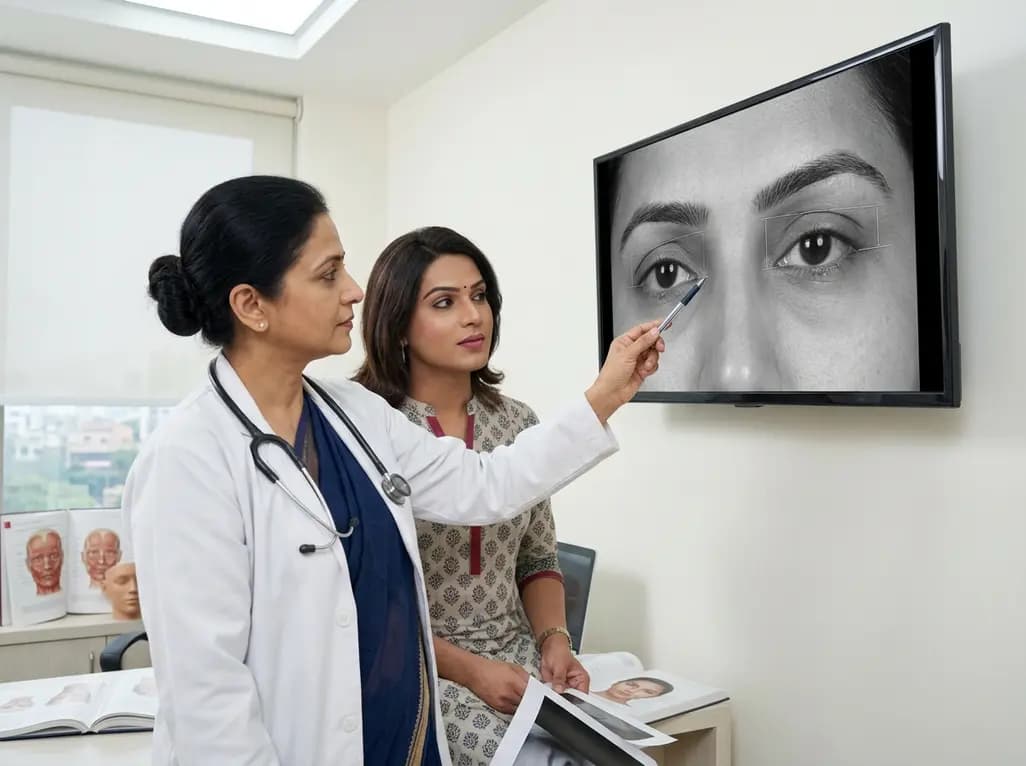
Facial feminization surgery encompasses a broad spectrum of craniofacial and soft-tissue procedures designed to reshape traditionally masculine traits into softer feminine contours. While surgeons frequently concentrate on forehead contouring, rhinoplasty, and mandibular reduction, the periocular complex exerts a profound influence on perceived gender. Eyelid architecture, brow positioning, and orbital anatomy immediately draw visual attention during interpersonal interactions. However, surgical planning historically relied on aesthetic paradigms derived primarily from cisgender patient cohorts. Consequently, standard interventions may fail to address the specific aesthetic desires of transgender and gender-diverse individuals. Recent investigations highlight the urgent need to understand how distinct eyelid morphology impacts feminine perception. Clinicians must evaluate key anatomical parameters, including eyelid crease height, tarsal platform exposure, superior sulcus depth, and canthal inclination. By carefully deconstructing these anatomical elements, aesthetic surgeons and oculoplastic specialists can develop tailored surgical protocols. Therefore, refining periocular assessment allows medical teams to align operative techniques with individualized gender-affirming goals. Ultimately, acknowledging the central importance of periocular harmony ensures that facial feminization surgery achieves natural aesthetic balance and lasting psychological satisfaction.
The orientation of the palpebral fissure significantly influences how observers perceive facial warmth, youth, and femininity. Specifically, an upward lateral canthal tilt, where the lateral canthus rests above the medial canthus, represents a universal marker of feminine aesthetics. Survey evaluations confirm that observers across diverse clinical and community backgrounds consistently rate an upward canthal angle as distinctly feminine. In addition, tarsal platform show and eyelid crease height contribute heavily to overall periocular architecture. A well-defined supratarsal fold creates a brighter, more open appearance that enhances the visible eye aperture. However, aesthetic preferences regarding eyelid fullness versus hollow superior sulci remain highly nuanced. While historical surgical techniques frequently excised substantial retro-orbicularis oculi fat, modern oculoplastic concepts emphasize soft-tissue volume preservation. Excessive fat removal can unintentionally produce an overly skeletonized or hollow orbit that detracts from a youthful gaze. As a result, surgeons must balance canthal repositioning with conservative soft-tissue preservation to produce natural periocular contours.
Recent cross-sectional data reveal striking differences between cisgender and transgender individuals regarding upper eyelid fullness and superior sulcus contouring. Interestingly, approximately two-thirds of cisgender participants in survey cohorts favored a deeper, more defined superior sulcus. In sharp contrast, nearly all transgender and nonbinary respondents expressed a distinct preference for fuller upper eyelids and smoother brow transitions. Furthermore, while approximately one-third of overall respondents preferred higher eyelid creases, transgender women prioritized periocular soft-tissue fullness over aggressive crease elevation. Free-text descriptors from study participants frequently associated femininity with elongated eyelashes, gently arched eyebrows, and an upward outer canthus. These empirical findings underscore a critical clinical insight: aesthetic ideals are not monolithic across different gender identities. Consequently, assuming that transgender women desire identical anatomical outcomes to cisgender blepharoplasty patients introduces significant risk of aesthetic misalignment. Clinicians must actively explore these identity-specific nuances during initial clinical consultations to avoid imposing generalized cosmetic assumptions.
Translating these aesthetic preferences into clinical practice requires thoughtful modification of conventional surgical techniques. For instance, upper blepharoplasty in gender-affirming surgery should focus on conservative skin excision rather than aggressive fat debulking. Preserving preaponeurotic fat pads helps maintain the upper eyelid fullness that transgender women frequently favor. In addition, surgeons should carefully calibrate eyelid crease height to avoid creating an exaggerated, unnaturally elevated supratarsal fold. When addressing the eyebrow complex, endoscopic or pretrichial brow elevation should establish a gentle, continuous arch rather than an excessive lateral pull. Smooth contouring of the supraorbital rim softens prominent bony ridges, providing a harmonious transition into the periorbital soft tissue. Lateral canthopexy or canthoplasty can simultaneously elevate the lateral canthal angle by five to eight degrees, establishing the desired positive tilt. Therefore, integrating conservative soft-tissue management with structural bone contouring allows surgeons to achieve harmonious feminization without causing excessive orbital hollowing.
Comprehensive preoperative evaluation serves as the cornerstone of successful gender-affirming oculofacial surgery. Because aesthetic preferences vary considerably, clinicians must engage patients in detailed shared decision-making before finalizing operative strategies. Digital imaging simulations and visual preference cards offer practical tools to clarify individual goals regarding crease height, fullness, and lateral tilt. Moreover, surgeons should evaluate underlying anatomical variables, such as preexisting eyelid asymmetry, brow ptosis, and orbital rim projection. During consultation, clinicians must explain how alterations in upper facial bone structure interact with delicate periocular soft tissues. For instance, reducing the supraorbital ridge naturally enhances eye prominence, which may alter the required extent of blepharoplasty. Furthermore, clinicians must discuss realistic surgical expectations, potential risks, and anticipated healing timelines. By establishing transparent dialogue, surgical teams ensure that chosen interventions directly reflect each patient's personal vision of femininity. Consequently, personalized periocular planning maximizes self-reported satisfaction and fosters long-term emotional well-being.
Optimizing gender-affirming periocular care demands close collaboration among oculoplastic surgeons, general plastic surgeons, dermatologists, and mental health professionals. Each specialty contributes valuable expertise to create cohesive treatment strategies that support holistic patient care. For instance, dermatologists and aesthetic physicians can provide complementary nonsurgical enhancements, including neuromodulators for chemical brow lifting and hyaluronic acid fillers for temporal volume restoration. Similarly, oculoplastic specialists offer precise surgical corrections that protect corneal health while refining subtle eyelid contours. Clinicians should also maintain standardized photographic records to evaluate objective morphologic outcomes and subjective patient-reported quality of life. Furthermore, surgical training programs must integrate gender-affirming aesthetic principles into their core curricula to expand clinician competency. As awareness of gender diversity grows across clinical practice in India and worldwide, adopting evidence-based, patient-centered periocular standards becomes imperative. Ultimately, prioritizing patient-driven aesthetic goals advances surgical safety, ethical practice, and gender confirmation success.
An upward or positive lateral canthal tilt, where the outer eye corner sits slightly above the inner corner, strongly correlates with perceived femininity and youthfulness. During facial feminization procedures, surgeons often perform lateral canthopexy or canthoplasty to elevate the lateral canthus by several degrees. This subtle repositioning brightens the gaze, corrects age-related downward slanting, and establishes a harmonious, feminine periocular framework that aligns with patient aesthetic goals.
Recent clinical surveys indicate that transgender women consistently favor fuller upper eyelids with smooth, continuous brow transitions. In contrast, cisgender individuals often prefer a deeper superior sulcus and a more defined crease. Because of these distinct aesthetic priorities, surgeons performing gender-affirming procedures avoid aggressive orbital fat removal. Instead, they emphasize soft-tissue preservation to maintain youthful periocular volume and prevent unwanted orbital hollowing.
Yes, nonsurgical aesthetic treatments provide valuable adjuncts to surgical periocular feminization. Neuromodulators can strategically elevate the lateral brow tail to enhance feminine arching, while dermal fillers can restore soft-tissue volume across the temporal and superior orbital regions. These minimally invasive modalities allow clinicians to refine subtle periocular contours, soften harsh facial angles, and achieve natural aesthetic harmony either before or alongside definitive surgical interventions.
Disclaimer: This content is for informational and educational purposes only. Refer to the latest local and national guidelines for clinical practice.
References

Read summarized clinical updates, watch expert medical content, and earn CME certifications right from your smartphone.
Open your smartphone camera to scan and install.





A recent study explores how eyelid crease height, superior sulcus depth, and lateral canthal tilt impact perceived femininity, highlighting key preference differences between transgender and cisgender individuals in facial feminization surgery.
last month
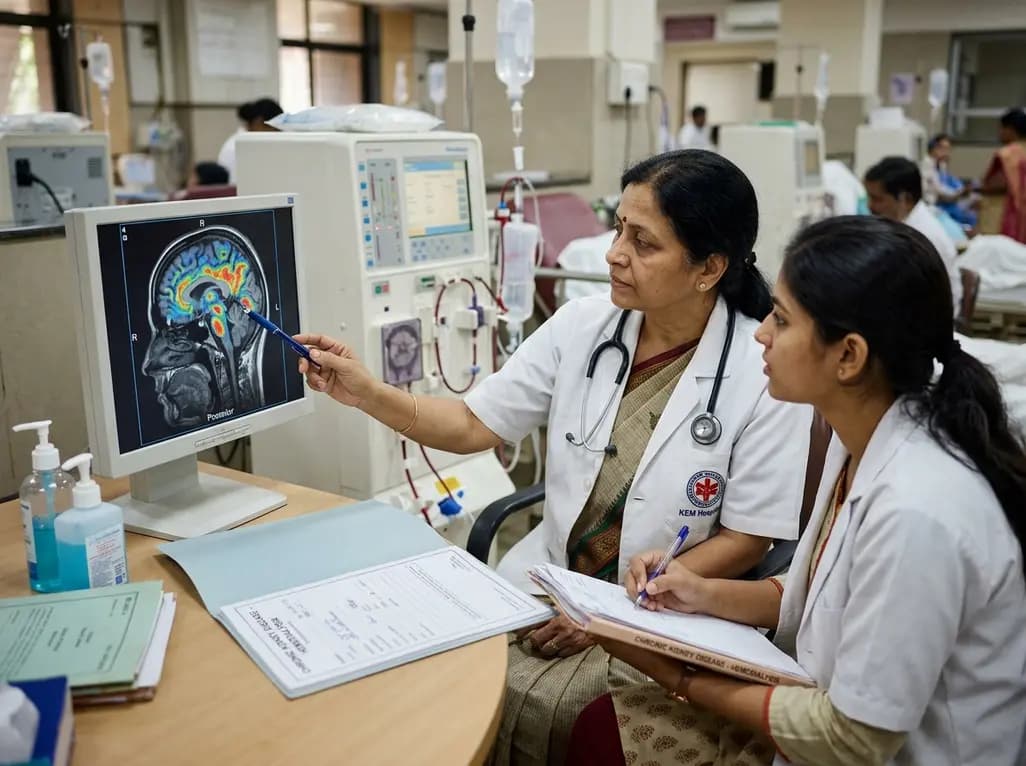
A retrospective clinical analysis reveals that hemodialysis-associated cognitive dysfunction arises from synergistic pathological mechanisms, including severe chronic anemia, worsening renal clearance, abnormal regional brain iron deposition, and an imbalance between neuroinflammatory and neurotrophic factors.
Today
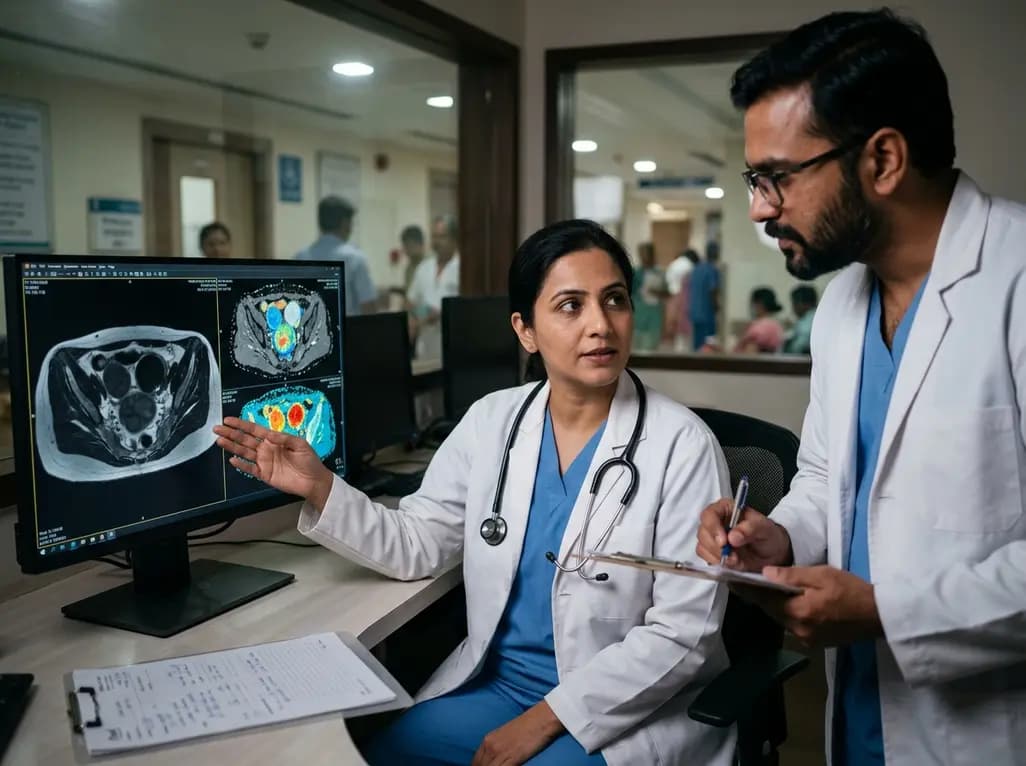
A multiparametric MRI approach combining quantitative T2 shading, apparent diffusion coefficient (ADC) measurements, and morphological signs provides superior diagnostic accuracy over subjective evaluation to differentiate ovarian endometriomas from benign hemorrhagic cysts.
Today
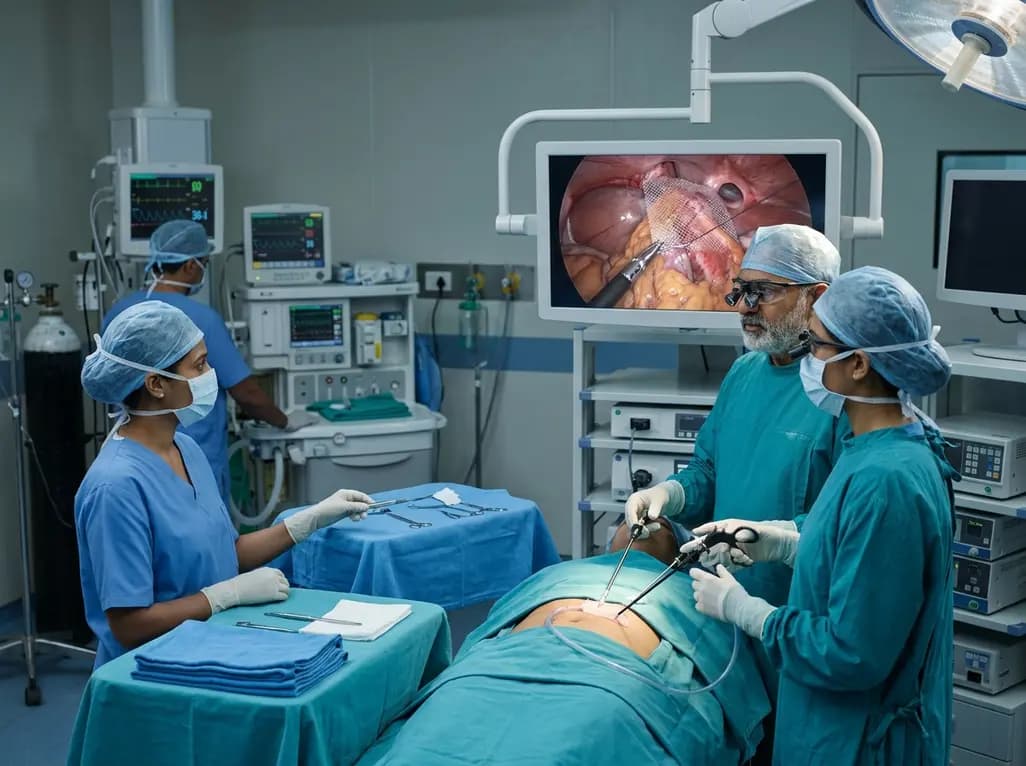
Discover a novel laparoscopic approach for iatrogenic diaphragmatic hernia repair following pedicled omentoplasty. This modified Sugarbaker technique integrates dorsal pedicle lateralization and round ligament reinforcement to secure the diaphragmatic defect while preserving vital omental vascularity.
Today
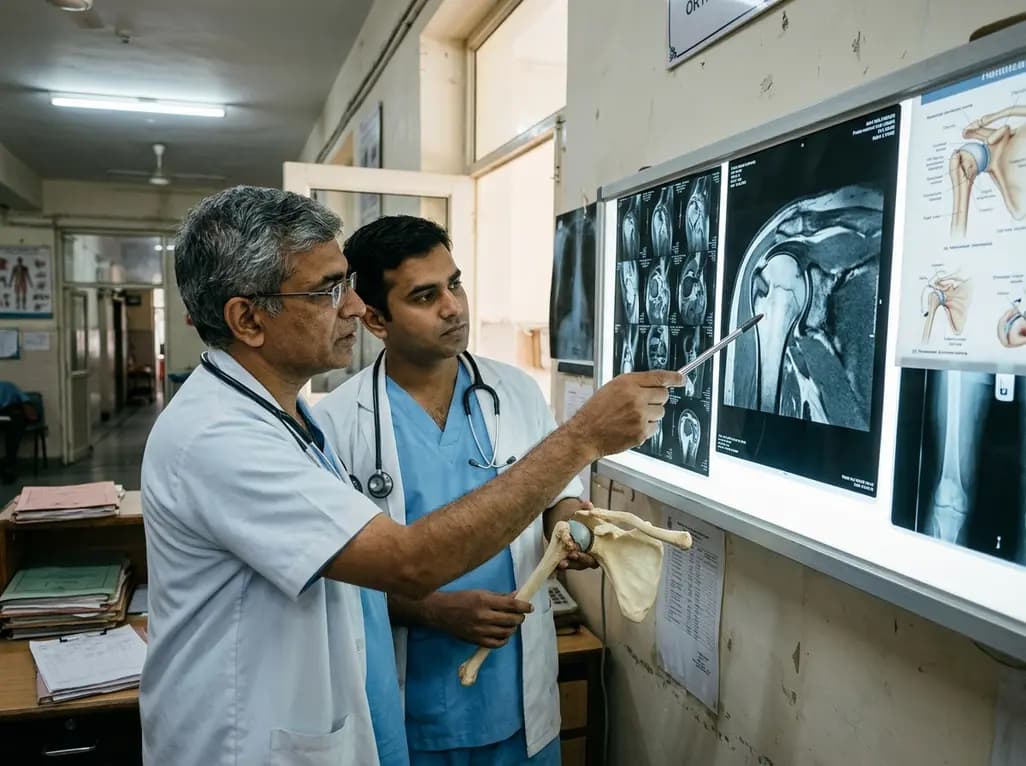
Evaluating Hill-Sachs lesion size and the distance to dislocation is critical in recurrent shoulder instability. As bone loss concepts shift from binary on-track classifications to continuous risk assessment, clinicians must identify when isolated Bankart repair is insufficient and supplementary procedures are needed.
Today
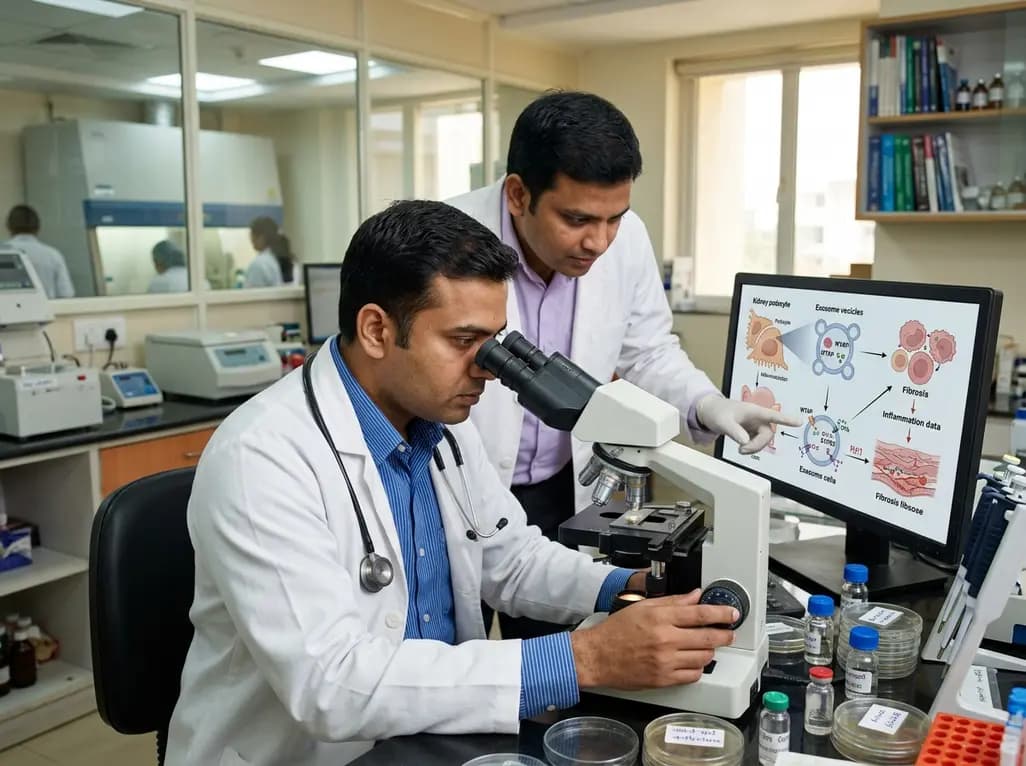
New research reveals that M1 macrophage-derived exosomes aggravate diabetic nephropathy by transferring WTAP to stabilize S1PR2 mRNA. Silencing WTAP in these vesicles attenuates endothelial injury and renal fibrosis, pointing toward innovative nanomedicine therapies.
Today
