

Loading, please wait...
Loading, please wait...

During pregnancy and the puerperium, women experience profound hormonal, metabolic, and anatomical adaptations that inevitably modify sleep architecture. Historically, clinicians regarded maternal sleep disruption as a benign, unavoidable consequence of gestation. However, emerging longitudinal evidence reveals that perinatal sleep health trajectories exhibit substantial heterogeneity and directly correlate with maternal-infant health. Rather than following a uniform decline, individual patients follow distinct nocturnal pathways ranging from preserved rest to chronic sleep impairment. Therefore, characterizing these multi-wave patterns provides crucial prognostic insights for practicing clinicians. By recognizing compromised trajectories early in pregnancy, healthcare providers can implement timely, targeted interventions to protect maternal psychological stability and optimize birth outcomes.
Gestational sleep disturbance represents a dynamic, multi-stage process rather than an isolated cross-sectional event. Longitudinal investigations tracking women across pregnancy and postpartum demonstrate that sleep parameters evolve along discrete mathematical curves. Consequently, contemporary researchers deploy group-based trajectory modeling to delineate these distinctive profiles over time. Instead of demonstrating a single universal decline, rigorous systematic analyses establish that women partition into two to four clear longitudinal patterns. Specifically, recent pooled trajectory modeling categorized perinatal sleep quality into three distinct groups: consistently good sleep, increasingly poor sleep, and decreasingly poor sleep. Notably, approximately 38.9% of pregnant women maintain consistently good sleep quality across the perinatal window. Conversely, 37.6% follow an increasingly poor trajectory marked by progressive fragmentation, frequent awakenings, and daytime impairment. Meanwhile, roughly 23.5% follow a decreasingly poor pattern where early sleep disturbances steadily resolve over gestation. Thus, longitudinal modeling captures dynamic physiological shifts that single-point assessments consistently miss. Obstetricians can utilize these trajectory insights to identify pathological divergence from normal gestational adaptations. Furthermore, acknowledging this heterogeneity enables clinicians to tailor prenatal counseling to individual risk profiles.
Recognizing distinct sleep phenotypes empowers healthcare teams to stratify maternal risk effectively during antenatal visits. Patients in the stable-good group typically preserve circadian alignment, maintain sleep efficiency, and experience restorative slumber throughout gestation. In contrast, mothers navigating deteriorating trajectories suffer from escalating nocturnal restlessness, early morning awakening, and severe daily fatigue. Furthermore, this nocturnal deterioration frequently accelerates during the third trimester because enlarged uterine volume causes mechanical discomfort, nocturnal dyspnea, and urinary frequency. Following delivery, unpredictable infant feeding schedules and circadian disruption exacerbate sleep deficits in vulnerable mothers. However, individuals following decreasingly poor trajectories exhibit remarkable physiological resilience, adapting effectively to bodily transformations as pregnancy progresses. Therefore, clinicians must not treat all gestational sleep complaints as uniform or harmless. Instead, providers should differentiate women whose sleep naturally rebounds from those experiencing progressive insomnia. Identifying deteriorating phenotypes early is critical because sustained sleep architecture disruption triggers systemic neuroendocrine dysregulation and chronic inflammation. Consequently, active trajectory monitoring directs targeted clinical support toward the women who need it most.
Comprehensive meta-analytic data demonstrate that nonoptimal perinatal sleep patterns affect a substantial proportion of childbearing women. In fact, pooled estimates indicate that 36% of perinatal women experience nonoptimal sleep quality trajectories. Similarly, approximately 22% follow nonoptimal sleep duration trajectories characterized by severe short sleep or compensatory prolonged sleeping. In addition, around 15% follow nonoptimal sleep efficiency trajectories, spending excessive nocturnal time awake in bed. Circadian timing disruptions represent another widespread yet frequently neglected challenge during gestation. Specifically, investigators identified delayed bedtime trajectories in 51% of pregnant women, illustrating pervasive disruption of evening sleep habits. Simultaneously, late wake-up trajectories occurred in 17% of mothers, while persistent clinical insomnia trajectories impacted 13%. Subgroup meta-analyses further reveal that these prevalence figures vary across geographic regions and socioeconomic environments. Therefore, circadian and insomnia disturbances represent widespread public health challenges rather than isolated obstetric concerns. On the contrary, these high prevalence numbers emphasize that substantial maternal populations experience clinically meaningful sleep impairment. Routine clinical practice must address these widespread sleep deficits to enhance comprehensive maternal care.
Identifying clinical determinants allows obstetricians to recognize high-risk sleep trajectories before severe maternal exhaustion develops. Longitudinal data indicate that elevated pre-pregnancy body mass index and socioeconomic disadvantage strongly predict adverse sleep pathways. Specifically, higher maternal body mass index increases vulnerability to obstructive sleep apnea, airway resistance, and nocturnal physical discomfort. Similarly, socioeconomic constraints create chronic environmental stressors and limit access to restful domestic settings. Baseline neuropsychiatric vulnerabilities also shape longitudinal sleep patterns significantly. For example, expectant mothers presenting with baseline fatigue, depressive symptoms, and elevated anxiety frequently follow deteriorating sleep trajectories. Furthermore, self-reported poor general health and preexisting insomnia prior to conception markedly increase vulnerability. These interconnected physical and psychological factors trigger sustained hypothalamic-pituitary-adrenal axis activation and autonomic hyperarousal. Consequently, susceptible women experience impaired restorative slow-wave sleep and frequent nocturnal awakenings throughout pregnancy. Healthcare providers must screen for these prognostic determinants during initial antenatal visits. Thus, proactive risk stratification enables timely lifestyle guidance and early therapeutic intervention for vulnerable mothers.
Persistent nonoptimal sleep trajectories produce profound negative repercussions for maternal health and infant development. Notably, longitudinal studies associate deteriorating sleep patterns with elevated risks of antenatal anxiety and postpartum depression. Chronic nocturnal awakening impairs frontolimbic emotional processing, exacerbating affective vulnerability and reducing parental stress tolerance. Moreover, persistent sleep disruption elevates circulating inflammatory cytokines, increasing maternal susceptibility to preeclampsia and gestational diabetes mellitus. Unfavorable maternal sleep patterns also influence fetal health, correlating with preterm delivery, intrauterine growth restriction, and low birth weight. Postnatally, chronic maternal exhaustion compromises maternal-infant attachment and daily caregiving interactions. To prevent these complications, clinicians must incorporate structured sleep screening into routine perinatal care using validated instruments. Furthermore, Cognitive Behavioral Therapy for Insomnia adapted for perinatal populations serves as a highly effective, safe first-line behavioral therapy. Providers should also promote essential sleep hygiene principles, including regular sleep schedules, dark quiet bedrooms, and limited screen exposure before bedtime. Ultimately, multi-disciplinary collaboration between obstetricians, psychiatrists, and family physicians ensures timely intervention, protecting lifelong maternal and child health.
Single-point sleep evaluations fail to capture dynamic physiological adaptations and progressive circadian disruptions across trimesters. In contrast, longitudinal trajectory tracking allows clinicians to differentiate benign, temporary sleep fragmentation from chronic, pathological sleep deterioration. Consequently, providers can identify women needing timely behavioral or clinical support before adverse neuropsychiatric and obstetrical complications manifest.
Several key physiological and psychosocial determinants drive adverse sleep patterns. Specifically, high pre-pregnancy body mass index, baseline depressive symptoms, elevated fatigue, and low socioeconomic status significantly increase vulnerability. In addition, preexisting poor subjective sleep and unaddressed anxiety impair natural sleep architecture, predisposing mothers to prolonged postnatal sleep deprivation and severe mood disturbances.
Clinicians can easily embed validated instruments like the Pittsburgh Sleep Quality Index or brief insomnia screening questions into standard prenatal checkups. Furthermore, obstetricians and primary care physicians should reassess sleep habits across each trimester and postpartum. This structured monitoring enables early behavioral sleep interventions, lifestyle counseling, and targeted psychiatric referrals for high-risk mothers.
Disclaimer: This content is for informational and educational purposes only and should not be considered as medical advice. Always consult a qualified healthcare professional regarding any medical condition or treatment. Refer to the latest local and national guidelines for clinical practice.
References

Read summarized clinical updates, watch expert medical content, and earn CME certifications right from your smartphone.
Open your smartphone camera to scan and install.





A meta-analysis reveals distinct perinatal sleep health trajectories from pregnancy to 1 year postpartum. Approximately 36% experience nonoptimal sleep quality, linked to higher maternal and infant risks. Early screening and targeted interventions are essential for clinical risk reduction.
Today

A validation study evaluates the consumer-grade InBody Dial H30 bioelectrical impedance device against a 3-compartment criterion in recreationally active adults, revealing a slight overestimation in body fat percentage and underestimation in fat-free mass alongside notable individual limits of agreement.
Today

A nationwide survey reveals substantial knowledge gaps among general practitioners regarding fetal pathology and autopsy. Enhanced training and interdisciplinary communication are vital to guide stillbirth evaluation, clarify autopsy consent, and improve preconception counseling for bereaved parents.
Today
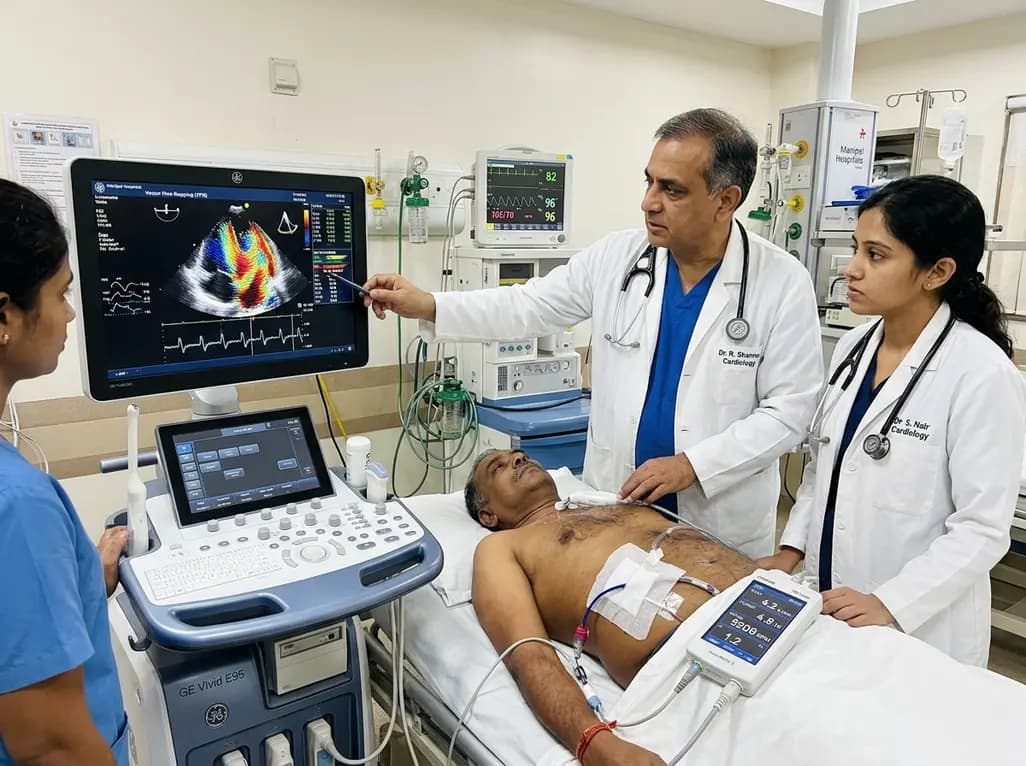
A pilot study shows that transesophageal echocardiography with vector flow mapping measures intraventricular energy loss in HeartMate 3 LVAD recipients. Energy loss significantly correlates with controller-displayed pump flow, offering clinicians deeper insights into ventricular unloading and intracardiac fluid mechanics.
Today

A comparative study demonstrates that simple and complex labral tears achieve comparable functional outcomes and low recurrence rates following arthroscopic stabilization for anterior shoulder instability, despite differing clinical presentations and dislocation histories.
Today

A nationwide analysis shows that inpatient lifestyle counseling for type 2 diabetes remains remarkably underutilized despite modest gains. Clinicians must bridge persistent demographic disparities and integrate structured dietary and exercise counseling into routine hospital discharge workflows.
Today
