.webp&w=384&q=75)

Loading, please wait...
Loading, please wait...
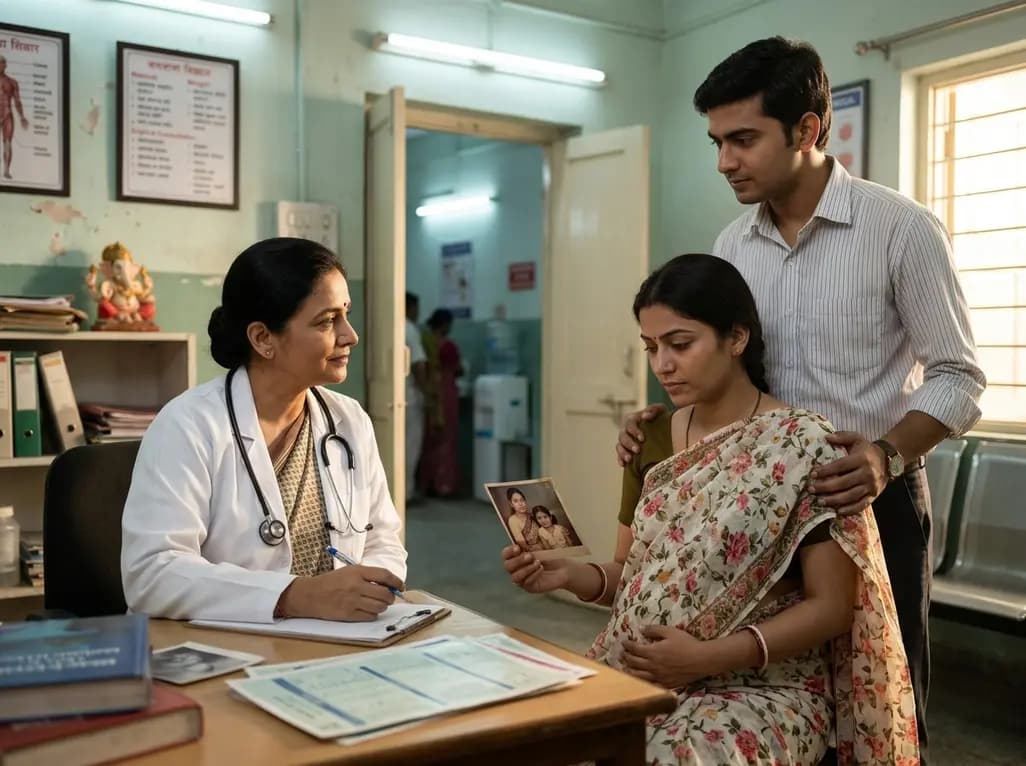
Perinatal mental health problems encompass a wide range of psychological conditions that occur during pregnancy and the first year following childbirth. These conditions, which include prenatal depression and post-traumatic stress disorder, significantly affect the well-being of the mother and the development of the infant. Recently, researchers have turned their attention toward understanding how early life history shapes these modern challenges. A notable replication study by Merrick and colleagues has examined the intricate links between childhood experiences and adult mental health during the perinatal period. By focusing on both adverse and positive memories, the research provides a more balanced view of maternal vulnerability and resilience. In India, where sociocultural factors and family dynamics play a central role in maternal care, these findings are particularly relevant. Healthcare providers must recognize that a mother’s current psychological state is often an extension of her cumulative life experiences. Furthermore, identifying these risk factors early in the prenatal stage can lead to more effective interventions. Understanding these nuances allows clinicians to provide trauma-informed care that addresses both historical wounds and current environmental stressors.
The concepts of Adverse Childhood Experiences (ACEs) and Benevolent Childhood Experiences (BCEs) are fundamental to modern developmental psychopathology. ACEs typically refer to childhood maltreatment, exposure to family dysfunction, or neglect, which can have long-lasting deleterious effects on adult health. Conversely, BCEs represent positive childhood experiences, such as having a supportive teacher, a safe home environment, or a predictable routine. While much of the historical research has focused on the negative impact of ACEs, newer studies emphasize the protective power of BCEs. For individuals facing perinatal mental health problems, these benevolent experiences can serve as a psychological buffer. This specific study aimed to replicate findings that higher levels of BCEs correlate with improved mental health outcomes during pregnancy. Specifically, the research suggests that even in the presence of past trauma, positive childhood memories can mitigate the severity of symptoms. Consequently, a comprehensive clinical history should include questions about both types of experiences. This dual focus helps in identifying patients who may possess inherent resilience despite a history of adversity. Moreover, it allows for a more nuanced risk assessment during routine obstetric visits.
One of the most robust findings in recent perinatal research is the direct correlation between childhood family dysfunction and prenatal depression. Family dysfunction, often categorized under the umbrella of ACEs, includes exposure to domestic violence, substance abuse in the home, or parental separation. The study by Merrick and colleagues found that higher scores in family dysfunction significantly predicted increased prenatal depression symptoms among pregnant individuals. This relationship underscores how early relational trauma can manifest as mood disorders during the sensitive period of pregnancy. For many women, the transition into motherhood triggers repressed memories of their own upbringing, which may exacerbate current depressive symptoms. Additionally, sociodemographic stress can further compound these issues, making it difficult for low-income or marginalized individuals to cope. Therefore, screening for depression during the first trimester should ideally be paired with a brief assessment of early family environments. By acknowledging these historical precursors, clinicians can better understand why certain patients may not respond to standard treatments. Furthermore, this knowledge can guide the referral process toward specialized psychiatric services or family counseling, ensuring a more targeted therapeutic approach.
Social support is a critical contemporaneous factor that can alter the trajectory of perinatal mental health problems. The current research highlights that prenatal social support from the biological parent or a significant partner is a strong predictor of lower PTSD symptoms. In the context of pregnancy, PTSD can arise from past traumas or from the stresses of the pregnancy itself. When a mother feels supported by her partner, her physiological and psychological stress responses are often attenuated. This finding is particularly important in the Indian clinical setting, where the role of the spouse and extended family is traditionally significant in maternal care. However, the absence of this support can leave a woman highly vulnerable to psychological distress. Notably, the study found that positive childhood experiences (BCEs) and current social support work in tandem to protect against prenatal PTSD. Similarly, postnatal social support was found to predict lower levels of postnatal PTSD symptoms. This suggests that interventions should not only focus on the mother but also on strengthening her social network. Encouraging partner involvement during prenatal check-ups can be a practical step in fostering this essential support system.
The continuity of mental health symptoms from the prenatal to the postnatal period is a significant concern for healthcare providers. The study indicates that prenatal depression and PTSD symptoms are the most robust predictors of their respective postnatal counterparts. This means that a woman experiencing psychological distress during pregnancy is at a much higher risk of continuing those struggles after the baby is born. Consequently, the prenatal period serves as a critical window for intervention. If perinatal mental health problems are addressed early, the likelihood of chronic postnatal illness decreases. Interestingly, while historical childhood experiences set the stage, contemporaneous support remains a dynamic factor that can change outcomes. For example, even if a woman had high prenatal symptoms, strong postnatal social support can significantly reduce her postnatal PTSD scores. This highlight the importance of ongoing monitoring throughout the entire perinatal continuum. Clinicians should not assume that a stable prenatal period guarantees a healthy postpartum phase. Instead, regular follow-ups and screenings should be the standard of care to ensure that any emerging symptoms are caught and managed promptly.
Integrating these research findings into the Indian healthcare system requires a shift toward trauma-informed care. Indian clinicians, especially those in busy obstetric settings, often prioritize physical health markers like blood pressure and fetal growth. However, given the high prevalence of perinatal mental health problems, emotional screening must be integrated into routine practice. Using standardized instruments to assess BCEs and ACEs can provide invaluable context to a patient’s mental health profile. Furthermore, healthcare providers should be trained to discuss social support systems sensitively. In many Indian households, domestic stress or lack of partner support may be hidden due to social stigma. Providing a safe, non-judgmental space for pregnant women to discuss these issues is vital. Additionally, the study suggests that focusing on resilience—through the lens of BCEs—can be an empowering approach for patients. Instead of only identifying pathology, clinicians can help mothers recognize their own strengths and positive histories. Ultimately, a holistic approach that combines historical context, current social reality, and active screening will lead to better outcomes for both mothers and their children across the country.
Adverse childhood experiences (ACEs) involve negative events like maltreatment or family dysfunction that increase psychological risk. In contrast, benevolent childhood experiences (BCEs) are positive factors, such as supportive relationships or stable routines, that foster resilience. Research shows that BCEs can buffer the negative impact of ACEs on perinatal mental health problems.
Social support, particularly from a partner, provides emotional stability and reduces the physiological impact of stress. During the perinatal period, this support helps mitigate the triggers of post-traumatic stress disorder. Strong contemporaneous support acts as a protective shield, even for women who have a history of childhood trauma or family dysfunction.
Yes, prenatal depression and PTSD symptoms are the strongest predictors of postnatal mental health issues. If a woman experiences significant distress during pregnancy, she is statistically more likely to continue experiencing those symptoms after childbirth. This highlights the urgent need for early screening and intervention during the prenatal period.
Disclaimer: This content is for informational and educational purposes only. It does not constitute professional medical advice, diagnosis, or treatment. Always seek the advice of your physician or other qualified healthcare provider with any questions you may have regarding a medical condition. Refer to the latest local and national guidelines for clinical practice.
References
Merrick JS et al. A replication and extension of adverse and benevolent childhood experiences along with contemporaneous social support and sociodemographic stress for perinatal mental health problems. Dev Psychopathol. 2025 Aug. doi: 10.1017/S095457942400097X. PMID: 39169778.
Narayan AJ, Rivera LM, Bernstein RE, Harris WW, Lieberman AF. Positive childhood experiences predict less postpartum depression and better mother-infant bonding: A replication and extension of the BCEs study. Dev Psychopathol. 2018;30(5):1811-1825.
World Health Organization. Guide for integration of perinatal mental health in maternal and child health services. Geneva: World Health Organization; 2022.
Felitti VJ, Anda RF, Nordenberg D, et al. Relationship of childhood abuse and household dysfunction to many of the leading causes of death in adults: The Adverse Childhood Experiences (ACE) Study. Am J Prev Med. 1998;14(4):245-258.

Read summarized clinical updates, watch expert medical content, and earn CME certifications right from your smartphone.
Open your smartphone camera to scan and install.





This research replication explores how adverse and benevolent childhood experiences, alongside current social support, impact perinatal mental health problems like depression and PTSD. Findings highlight the protective role of positive memories and partner support in improving maternal outcomes.
Last week
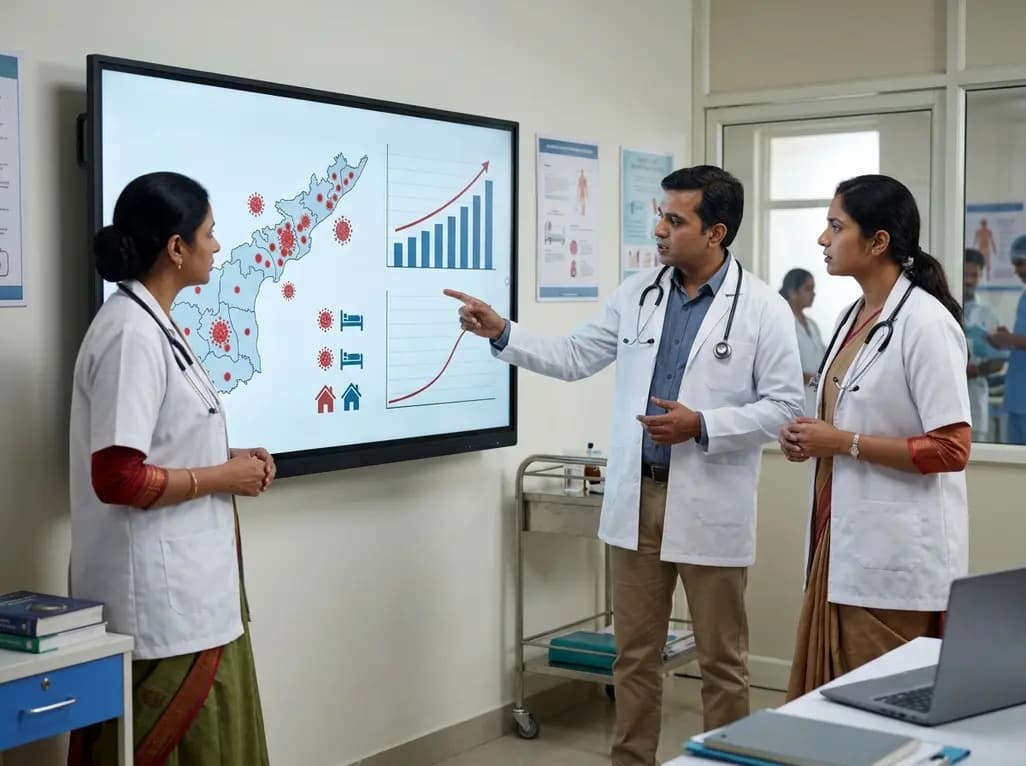
Andhra Pradesh reported 10 new Covid-19 cases, taking the state tally to 49 while deaths remain at four. With 24 patients hospitalized and 16 under home isolation, the Health Department has intensified monitoring. Medical professionals should review regional distribution, diagnostic protocols, and management plans.
Today

An 11-year Swedish registry study of 618 uterine sarcoma patients found that minimally invasive surgery yielded survival comparable to open surgery in early stages. However, adjuvant chemotherapy conferred no survival benefit in localized or advanced disease, highlighting stage and histology as key outcomes.
3 days back
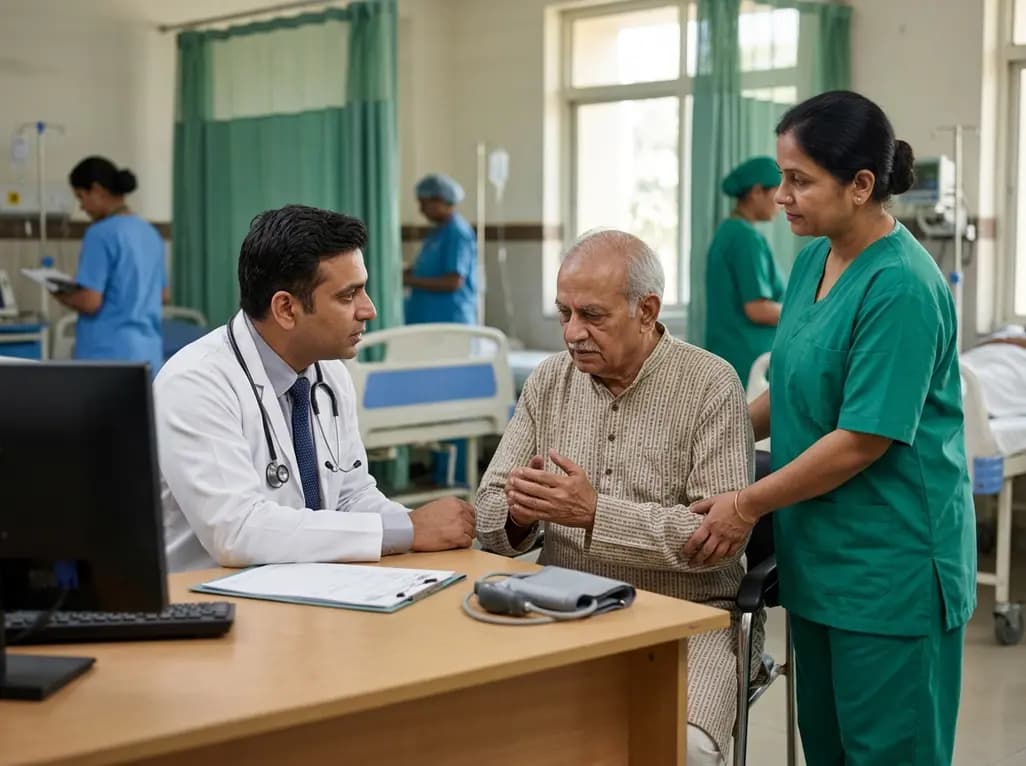
A cross-sectional study evaluates post-intensive care syndrome in cardiac patients 2-4 weeks post-ICU discharge, highlighting cognitive, psychological, and functional impairments and the need for structured multidisciplinary rehabilitation.
3 days back
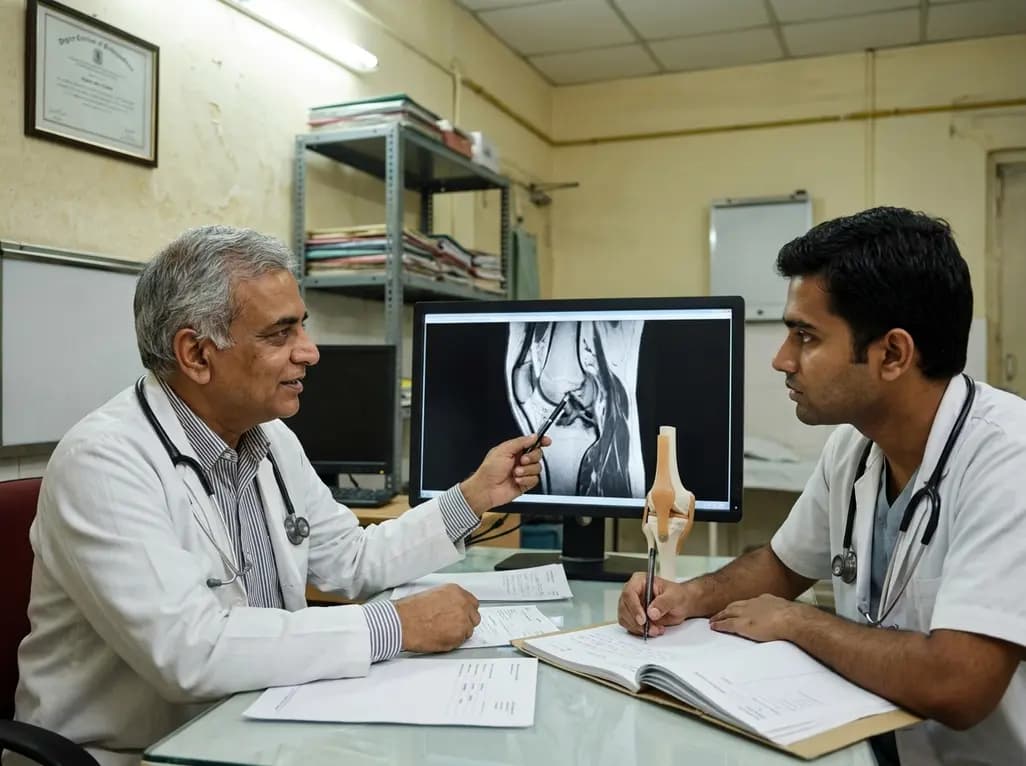
Anterior cruciate ligament reconstruction failure lacks uniform definition. A narrative review proposes an integrative framework incorporating objective and subjective instability, persistent pain, restricted motion, graft rupture, and secondary meniscal injury to standardize clinical reporting.
3 days back
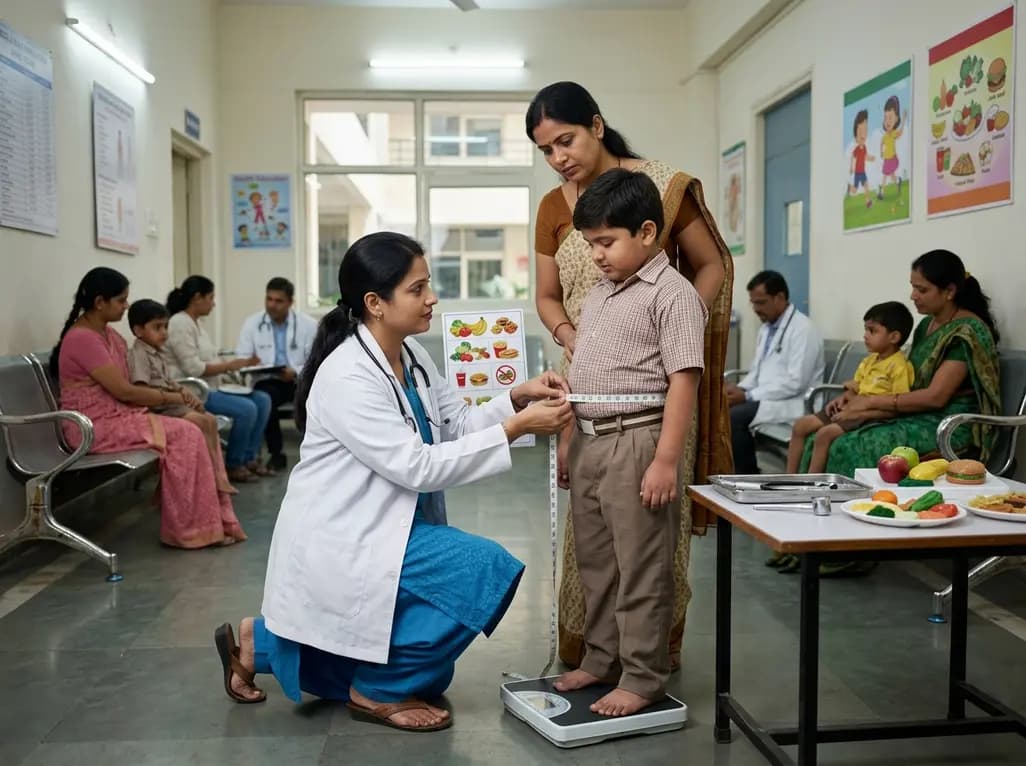
With World Obesity Atlas data warning that over 41 million Indian children are overweight or obese, ICMR and NIN have unveiled a 10-point policy roadmap. The initiative calls for mandatory front-of-pack labeling, HFSS taxes, strict marketing bans, and healthier school environments to curb non-communicable diseases.
Today
