.webp&w=384&q=75)

Loading, please wait...
Loading, please wait...
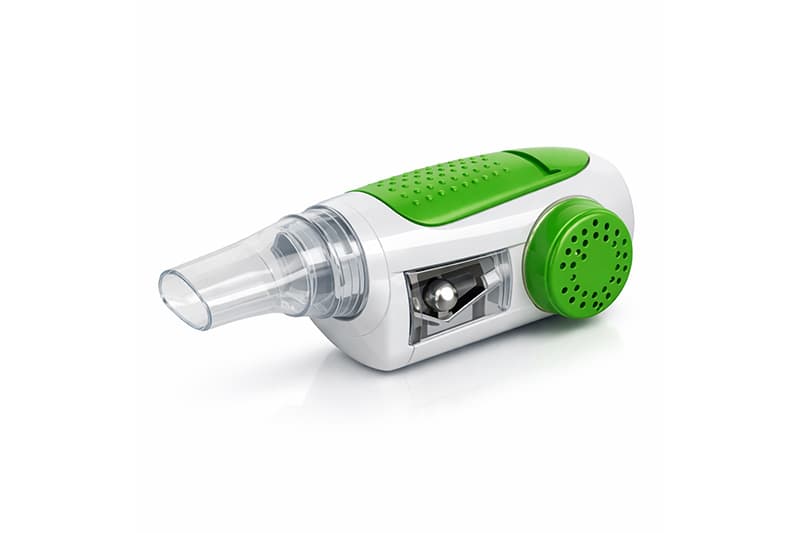
Zydus Lifesciences recently launched the PEPAIR OPEP device to support patients with chronic lung conditions. This handheld tool assists individuals suffering from COPD, asthma, and bronchiectasis. Furthermore, it represents India's first affordable solution for airway clearance at just Rs. 990. Because chronic mucous hypersecretion affects over 90 lakh Indian patients, this launch is a significant healthcare milestone. Consequently, Zydus aims to simplify pulmonary rehabilitation across the country.
The device utilizes Oscillating Positive Expiratory Pressure therapy to clear airway congestion. When patients exhale through the translucent device, it generates specific pressure and vibrations. These oscillations effectively loosen stubborn mucous from the bronchial walls. Additionally, the patented three-resistance system allows for customized therapy based on patient needs. Therefore, users can achieve better breathing without the need for additional medication.
Respiratory diseases are rising sharply in India due to extreme air pollution and rapid urbanization. Specifically, delayed diagnosis of chronic lung conditions often leads to impaired mucociliary pathways. However, the PEPAIR OPEP device helps remove airway obstructions and reduces persistent coughing. Zydus developed this innovation in agreement with AeroDel Technology Innovations. Moreover, clinical guidance recommends OPEP therapy for effective everyday care.
Q1: What is the primary function of the PEPAIR OPEP device?
The PEPAIR OPEP device creates pressure and vibrations during exhalation to loosen mucous and open airways. It functions as a drug-free tool to assist patients with COPD, asthma, and bronchiectasis in clearing their lungs.
Q2: Who can benefit from using this device?
It is specifically designed for individuals with chronic respiratory conditions who suffer from excessive mucous production. This includes patients with asthma or bronchiectasis seeking an affordable airway clearance solution.
Q3: How much does the PEPAIR device cost in India?
Zydus has launched the device at an affordable price of Rs. 990 per unit to ensure broader accessibility for Indian patients.
Disclaimer: This content is for informational and educational purposes only. It does not constitute medical advice or replace professional judgment. Refer to the latest local and national guidelines for clinical practice.
References

Read summarized clinical updates, watch expert medical content, and earn CME certifications right from your smartphone.
Open your smartphone camera to scan and install.





Zydus Lifesciences launches PEPAIR, an affordable OPEP device to assist Indian patients with COPD, asthma, and bronchiectasis in clearing airway mucous....
8 months ago

Discover the crucial role of glymphatic dysfunction in stroke, where perivascular clearance failure and neuroinflammation exacerbate cerebral edema and post-stroke brain injury.
Today

A prenatal case highlights severe glutaric acidemia type II presenting as bilateral hyperechoic cystic kidneys at 18 weeks. Whole-exome sequencing revealed a novel homozygous ETFDH frameshift variant, demonstrating the power of rapid genetic testing in fetal renal anomalies.
Today

Review how tailored exercise programs benefit frail older patients with heart failure. Explore pathophysiological mechanisms, individualized training prescriptions, and strategies to overcome adherence barriers in clinical practice.
Yesterday

This comparative study evaluates posterior labral tears with and without glenohumeral instability, highlighting distinct demographic patterns, MRI underestimation in stable shoulders, and successful arthroscopic repair outcomes.
Yesterday

A clinical study demonstrates that early intervention with tocilizumab, either as monotherapy or bridged with corticosteroids, achieves significant proptosis reduction and resolves active inflammation in treatment-naive thyroid eye disease.
Yesterday
