

Loading, please wait...
Loading, please wait...
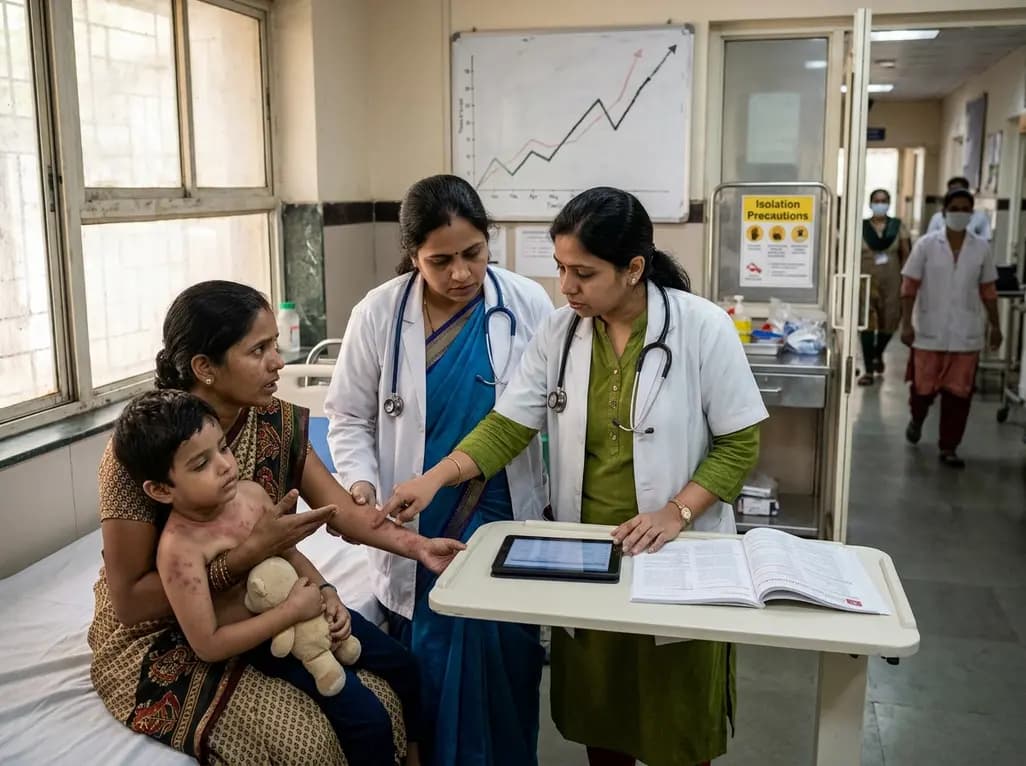
Public health reports show that Pennsylvania measles cases have climbed substantially, highlighting continuous transmission across vulnerable populations. State epidemiological data confirm 1,360 total infections after authorities logged 22 additional patients during the most recent monitoring cycle. In addition, measles-related hospitalizations reached 258 individuals as serious respiratory and systemic complications continue to burden healthcare facilities. The Pennsylvania Health Department has also noted five fatalities, although federal agencies have currently verified three associated deaths. Nationwide, the United States has tracked 4,588 cumulative cases throughout this calendar year. Because the measles virus spreads with remarkable efficiency, clinical teams must recognize infection early to disrupt transmission chains. Consequently, primary care practitioners and hospitalists must maintain high clinical suspicion and enforce strict infection control practices.
The recent escalation in regional caseloads highlights severe vulnerabilities in community immunity across populated districts. Measles represents one of the most transmissible viral pathogens known to medicine, requiring ninety-five percent population immunity to prevent sustained outbreaks. Consequently, even modest reductions in local childhood vaccination rates permit rapid, explosive viral spread among susceptible cohorts. State health teams in Pennsylvania continue to track active viral clusters across multiple urban and rural communities. Furthermore, the Centers for Disease Control and Prevention deployed specialized investigative teams to strengthen case investigations, contact tracing, and exposure mapping. Approximately nineteen percent of documented patients required hospital admission due to severe dehydration, croup, or secondary respiratory illnesses. Notably, young pediatric cohorts and unvaccinated individuals experience disproportionate risks of inpatient care and severe morbidity. In addition, lingering discrepancies between state and federal mortality counts emphasize the difficulty of attributing viral fatalities in complex cases. Therefore, public health leaders urge medical practitioners to document exposure timelines and underlying vulnerabilities meticulously. Enhanced surveillance allows local health departments to deploy targeted interventions before secondary clusters trigger widespread municipal crises. Ultimately, robust epidemiological tracking helps hospitals anticipate intensive care resource needs during persistent viral surges.
Early identification of measles cases remains paramount for preventing hospital-wide transmission and protecting vulnerable patients. Typically, an infected patient experiences an intense prodrome lasting two to four days before the characteristic rash appears. This early phase manifests with high spiking fevers, generalized malaise, coryza, persistent hacking cough, and bilateral conjunctivitis. In addition, Koplik spots frequently manifest on the buccal mucosa adjacent to the second molars during this prodromal period. These tiny bluish-white ulcerations provide an invaluable diagnostic hallmark before cuticular eruptions develop. However, clinicians often fail to identify these transient spots because they disappear within twenty-four to forty-eight hours. Subsequently, an erythematous maculopapular rash begins along the hairline and rapidly extends downward over the neck and trunk. The cutaneous lesions often coalesce on the face and torso while remaining discrete on the distal extremities. Therefore, physicians must maintain vigilance when evaluating febrile patients presenting with respiratory catarrh and ocular redness. For diagnostic confirmation, clinicians should collect throat swabs for viral polymerase chain reaction testing alongside acute serum samples. Specifically, measles-specific IgM antibodies become detectable shortly after exanthem onset, providing reliable immunological confirmation. Prompt laboratory confirmation ensures fast public health notification and prevents dangerous diagnostic delays in clinical environments.
Although supportive care forms the foundation of clinical management, physicians must vigilantly screen for severe systemic complications. Respiratory compromise accounts for the vast majority of measles-related mortality, primarily through secondary bacterial pneumonia or primary viral pneumonitis. Furthermore, acute otitis media, severe laryngotracheobronchitis, and persistent diarrhea frequently trigger pediatric hospital admissions during community outbreaks. Measles also induces profound transient immune suppression that lasts for several weeks, predisposing recovering children to opportunistic bacterial pathogens. Therefore, clinicians must promptly initiate targeted antibacterial therapy whenever patients demonstrate signs of secondary bacterial superinfections. In addition, high-dose vitamin A therapy serves as an indispensable clinical tool during acute measles management. The World Health Organization recommends administering oral vitamin A once daily for two consecutive days upon diagnosis. For example, infants younger than six months should receive 50,000 international units daily. Meanwhile, infants aged six to eleven months receive 100,000 international units, whereas older children require 200,000 international units per dose. This nutritional therapy restores mucosal membrane barriers and stimulates protective lymphocyte proliferation throughout the recovery phase. Consequently, routine vitamin A administration substantially lowers pediatric complication rates and shortens overall hospital length of stay.
Healthcare facilities face severe contamination risks whenever patients with unrecognized measles enter communal waiting areas. The measles virus travels via microscopic respiratory droplet nuclei that remain suspended in stagnant air for two hours. Therefore, triage staff must rapidly identify arriving patients who present with fever and acute maculopapular rash illness. Reception personnel should promptly place a surgical mask over the patient's nose and mouth before beginning formal intake. Additionally, clinic teams must transfer the patient immediately into an airborne infection isolation room with negative air pressure. Attending healthcare workers must wear fit-tested N95 respirators or equivalent protective equipment before entering the isolation chamber. Furthermore, hospital administrators must confirm that all clinical personnel possess documented presumptive evidence of measles immunity. Such evidence includes two documented doses of live measles vaccine, laboratory evidence of disease history, or protective IgG titers. In contrast, unvaccinated healthcare workers exposed to an active case require immediate work exclusion for twenty-one days. Moreover, infection preventionists should maintain rigorous exposure logs to facilitate prompt contact notification across outpatient clinics. Rigorous compliance with these infection control mandates prevents catastrophic hospital outbreaks and protects immunosuppressed patients from fatal exposures.
Timely post-exposure prophylaxis offers clinicians a crucial opportunity to prevent secondary disease in exposed susceptible individuals. Specifically, administering the live measles, mumps, and rubella vaccine within seventy-two hours of exposure confers meaningful clinical protection. This active prophylactic measure stimulates rapid neutralizing antibody responses before the wild pathogen completes its incubation cycle. However, clinicians must avoid administering live viral vaccines to pregnant individuals, severe asthmatics on immunosuppressants, or immunocompromised hosts. For these vulnerable groups, physicians should administer weight-based intramuscular or intravenous immune globulin within six days of exposure. Immune globulin provides immediate passive antibodies, significantly reducing the likelihood of critical illness or death. Nevertheless, universal routine childhood immunization remains the paramount defensive weapon against recurring measles epidemics. Two properly spaced vaccine doses deliver approximately ninety-seven percent durable protection against measles virus infection. Therefore, physicians must actively address vaccine hesitancy during regular well-child visits to restore community immunity. In addition, clinical staff should audit local vaccination records routinely to identify under-immunized pediatric cohorts. Clinicians can rebuild community defense by answering parent concerns with empathy, scientific clarity, and steadfast clinical conviction.
Q1: What clinical signs distinguish measles from other common childhood febrile rash illnesses?
Measles uniquely presents with a distinct prodrome featuring high spiking fevers, cough, coryza, and conjunctivitis. Additionally, Koplik spots appear as tiny bluish-white mucosal lesions inside the mouth before skin eruptions occur. Furthermore, the maculopapular rash follows a characteristic descending pattern, spreading from the hairline down to the extremities. Other common childhood viruses typically lack Koplik spots and produce distinct exanthem distributions.
Q2: Why do treatment guidelines recommend high-dose vitamin A for pediatric measles infections?
Acute measles infection severely depletes systemic vitamin A stores, which impairs mucosal epithelial barriers and suppresses immune system function. Consequently, affected children suffer higher rates of secondary bacterial pneumonia, severe diarrhea, and permanent ocular damage. Administering two consecutive daily doses of vitamin A restores tissue integrity and supports immune recovery. Evidence demonstrates that this nutritional therapy substantially decreases pediatric hospital mortality rates.
Q3: How should clinicians choose between vaccine and immune globulin for post-exposure prophylaxis?
Clinicians base prophylactic selection on exposure timing and the patient's individual immune status. For immunocompetent individuals aged six months or older, providers should administer MMR vaccine within seventy-two hours of exposure. Conversely, pregnant women, infants under six months, and immunocompromised patients cannot receive live vaccines. Therefore, these susceptible cohorts should receive intramuscular or intravenous immune globulin within six days of contact.
Disclaimer: This content is for informational and educational purposes only. It does not constitute medical advice or replace professional judgment. Refer to the latest local and national guidelines for clinical practice.
References

Read summarized clinical updates, watch expert medical content, and earn CME certifications right from your smartphone.
Open your smartphone camera to scan and install.





Health authorities recently documented a notable resurgence in measles, demonstrating rapid community spread and increasing hospitalization numbers. Clinicians must recognize prodromal symptoms, implement prompt airborne isolation, and reinforce two-dose immunization schedules to prevent severe outcomes.
Today

A multicenter study introduces BAT-AKI, a biomarker-aware transformer that achieves superior acute kidney injury prediction and post-onset prognostic modeling across diverse hospital electronic health record systems.
Today
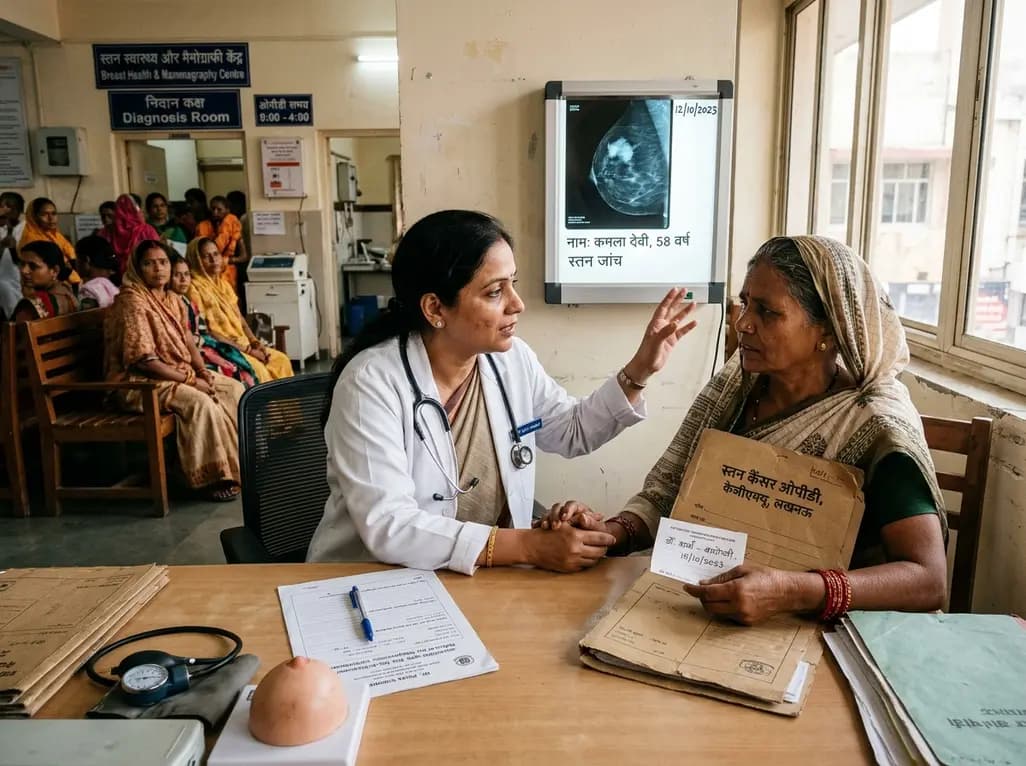
A KGMU study reveals over half of women with breast abnormalities fail to undergo diagnostic confirmation, leading to advanced-stage detection. Discover the socio-cultural barriers, clinical risks of incomplete resection, and community-level solutions needed to bridge the critical screening-to-diagnosis gap in India.
Yesterday

A controlled evaluation reveals that AI raters in clinical LLM benchmarking disagree significantly due to divergent scoring models, challenging automated healthcare AI validation.
Today

Researchers have engineered a self-powered Zn/C micro-galvanic electrospun membrane that couples sustained zinc release with endogenous microcurrents. This bioelectric scaffold stimulates M2 macrophage polarization and accelerates bone deposition to achieve robust cranial defect regeneration.
Today

A meta-analysis of 18 studies reveals that bariatric surgery does not significantly alter circulating homocysteine levels, regardless of follow-up duration. Clinicians must maintain vigilance over post-surgical micronutrient supplementation to prevent hyperhomocysteinemia.
Today
