.webp&w=384&q=75)

Loading, please wait...
Loading, please wait...
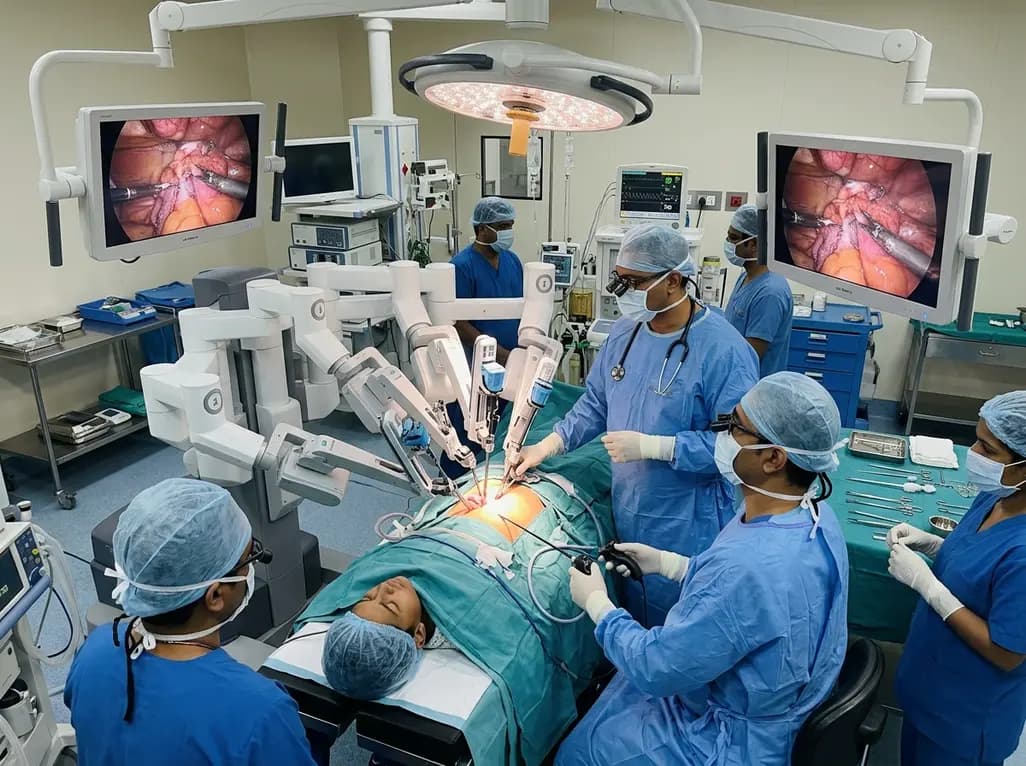
Pancreaticoduodenectomy, commonly known as the Whipple procedure, remains one of the most demanding operative interventions in gastrointestinal surgery. Although surgeons rarely perform this complex operation in children, it serves as the definitive standard of care for resectable neoplasms situated within the pancreatic head. Over the past decade, robotic pancreaticoduodenectomy has gained significant traction in adult oncology, offering enhanced visualization, precise micro-dissection, and favorable recovery times. However, performing a pediatric robotic pancreaticoduodenectomy presents unique anatomical and technical challenges. Worldwide literature contains only sparse documentation of this procedure in young cohorts, highlighting a critical knowledge gap in modern pediatric surgical oncology.
A landmark report now describes the first two adolescent cases of robotic pancreaticoduodenectomy successfully performed in the United States using advanced robotic systems. Both patients presented with solid pseudopapillary neoplasms located in the pancreatic head. Consequently, these cases represent a pivotal milestone in pediatric minimally invasive surgery. Furthermore, they demonstrate that cross-disciplinary cooperation between pediatric surgeons and high-volume adult robotic surgical oncologists can yield exceptional operative safety, optimal oncologic radicality, and rapid postoperative convalescence.
Solid pseudopapillary neoplasms account for the majority of primary pancreatic tumors encountered in children and young adolescents. These lesions predominantly affect young females and exhibit low-grade malignant potential. Because chemotherapy and radiation provide limited benefit, complete surgical resection with negative margins remains the sole curative therapy. When tumors arise within the pancreatic head or uncinate process, surgeons must balance complete oncologic extirpation with long-term organ preservation. Historically, surgeons managed these complex cases exclusively through extensive open laparotomy, which often involved considerable postoperative pain, prolonged recovery, and noticeable abdominal scarring.
The successful implementation of pediatric robotic pancreaticoduodenectomy demonstrates that advanced robotic platforms, such as the da Vinci Xi, can overcome the technical limitations of conventional laparoscopy. The magnified three-dimensional visualization and articulated wristed instrumentation enable surgeons to navigate complex vascular anatomy in confined pediatric peritoneal spaces. Moreover, robotic systems effectively eliminate physiologic tremor, allowing delicate handling of retroperitoneal structures. Consequently, pediatric surgical teams are increasingly exploring robotic approaches to deliver minimally invasive benefits to adolescent patients requiring complex hepatobiliary and pancreatic resections.
Patients with solid pseudopapillary neoplasms frequently present with vague, non-specific abdominal symptoms or incidental findings on routine imaging. In many adolescent cases, dull upper abdominal pain, a palpable mass, or postprandial fullness prompts initial diagnostic investigations. Cross-sectional imaging via multiphasic contrast-enhanced computed tomography or magnetic resonance imaging is essential for accurate staging and operative planning. These modalities characteristically reveal well-circumscribed, heterogeneous, encapsulated lesions containing variable proportions of solid, cystic, and hemorrhagic components.
Accurate preoperative anatomical delineation is critical before embarking on complex minimally invasive resection. Radiologists and surgeons must carefully evaluate the tumor relationship to the superior mesenteric vein, portal vein, and mesenteric arterial vasculature. In pediatric cohorts, fine-needle aspiration biopsy under endoscopic ultrasound guidance can confirm histology when imaging remains equivocal. However, clinicians often proceed directly to definitive resection when classic imaging features appear in an adolescent female. Preoperative planning must also evaluate whether the patient can safely tolerate prolonged pneumoperitoneum and specific trocar placements, ensuring adequate intra-abdominal working space without robotic arm collision.
Executing a robotic Whipple procedure in adolescent patients requires meticulous operative technique and tailored surgical strategies. In the recently reported series, surgeons utilized pylorus-preserving pancreaticoduodenectomy techniques to optimize long-term digestive physiology and nutritional health. In addition, surgical teams leveraged real-time intraoperative adjuncts, such as Indocyanine Green fluorescence imaging through the Firefly system and laparoscopic ultrasound. These advanced imaging modalities enabled surgeons to confirm tissue perfusion, trace biliary anatomy, and assess tumor margins relative to vital major vessels.
Reconstruction represents the most technically challenging phase of pancreaticoduodenectomy, particularly in pediatric patients with soft pancreatic parenchymal tissue and narrow pancreatic ducts. In these landmark cases, surgeons performed a modified Blumgart pancreaticojejunostomy alongside precise end-to-side hepaticojejunostomy and duodenojejunostomy. The Blumgart mattress suturing technique distributes tension evenly across the pancreatic parenchyma, significantly mitigating the hazard of postoperative pancreatic fistula. Furthermore, robotic endowristed instruments allow clinicians to place fine sutures in miniature biliary ducts with extraordinary precision, reducing anastomotic stricture rates and ensuring long-term biliary drainage.
The clinical outcomes from these initial cases showcase the striking benefits of minimally invasive robotic approaches in pediatric surgical oncology. The first patient, a thirteen-year-old female, advanced to an oral diet by postoperative day three and achieved discharge on the same day without complications. Similarly, the second patient, a seventeen-year-old female treated at an adult center, experienced an uncomplicated clinical course, having her abdominal drains removed on postoperative day four before discharge on postoperative day five.
Importantly, final histopathological examination confirmed complete R0 resection with negative surgical margins in both adolescent patients. Minimally invasive robotic resection avoids large subcostal or midline laparotomy incisions, substantially decreasing postoperative wound morbidity and systemic inflammatory responses. In addition, reduced analgesic requirements facilitate early ambulation, rapid return of gastrointestinal motility, and shorter hospital stays. Because complete resection offers an outstanding long-term prognosis for pediatric solid pseudopapillary neoplasms, minimizing surgical trauma and preserving cosmetic appearance provide immense psychological and functional benefits to young patients.
The primary bottleneck in expanding pediatric robotic pancreatic surgery is the extreme rarity of pediatric pancreatic head neoplasms. Individual pediatric surgeons rarely perform sufficient numbers of pancreaticoduodenectomies to independently traverse the steep robotic learning curve. Therefore, the success of these landmark procedures highlights a practical and reproducible organizational blueprint: formal interdisciplinary partnership between pediatric surgeons and high-volume adult robotic surgical oncologists.
By combining pediatric surgical principles with the advanced technical volume of adult hepatopancreatobiliary programs, medical centers can safely offer state-of-the-art minimally invasive care. Moving forward, global medical communities must establish collaborative international registries to track long-term oncological and functional outcomes in young patients undergoing robotic pancreatic resections. Additionally, structured fellowship curricula, standardized simulation modules, and proctored multidisciplinary pathways will ensure that robotic surgical expertise disseminates safely without compromising patient safety or oncological rigor.
The primary indication for pediatric robotic pancreaticoduodenectomy is a resectable neoplasm situated within the head or uncinate process of the pancreas. The most frequent lesion encountered in this demographic is the solid pseudopapillary neoplasm, which predominantly affects young females. Other rare indications include localized pancreatoblastoma, endocrine neoplasms, and selected low-grade malignancies where complete surgical extirpation provides curative oncologic outcomes while sparing unaffected distal pancreatic parenchyma.
Intraoperative imaging technologies, particularly Indocyanine Green fluorescence and high-resolution laparoscopic ultrasound, provide real-time anatomical and physiological guidance during robotic Whipple procedures. These modalities allow surgeons to accurately evaluate vascular perfusion, delineate critical biliary and vascular landmarks, and verify clear surgical margins. Consequently, these tools enhance precision, prevent accidental vascular injury, and significantly minimize intraoperative complications within the restricted abdominal cavity of adolescent patients.
Collaborative partnerships between pediatric surgeons and adult surgical oncologists are essential because pediatric pancreatic head tumors occur extremely infrequently. Adult surgical oncologists possess extensive high-volume technical experience with complex robotic pancreatic dissections and anastomoses. Conversely, pediatric surgeons provide expertise in age-specific anatomy, physiology, and perioperative management. This multidisciplinary synergy ensures optimal surgical safety, oncological radicality, and superior postoperative outcomes for young patients.
Disclaimer: This content is for informational and educational purposes only. It is not intended to be a substitute for professional medical advice, diagnosis, or treatment. Always seek the advice of your physician or another qualified healthcare provider with any questions you may have regarding a medical condition. Never disregard professional medical advice or delay in seeking it because of something you have read. If you think you may have a medical emergency, call your doctor or emergency services immediately. Refer to the latest local and national guidelines for clinical practice.
References
Zamora IJ et al. Robotic Pancreaticoduodenectomy in Pediatric Patients: First Two Reported Cases in the United States. J Laparoendosc Adv Surg Tech A. 2026 Aug 16. doi: 10.1177/10926429261478780. PMID: 42604857.
Hagendoorn J, et al. Robotic pancreatoduodenectomy for a solid pseudopapillary tumor in a ten-year-old child. Surg Oncol. 2018;27(4):720-721.
Laje P, et al. Solid pseudopapillary neoplasms of the pancreas in children and adolescents. J Pediatr Surg. 2015;50(7):1160-1163.
Boggi U, et al. Robotic pancreaticoduodenectomy: state of the art and future directions. Updat Surg. 2021;73(3):983-993.

Read summarized clinical updates, watch expert medical content, and earn CME certifications right from your smartphone.
Open your smartphone camera to scan and install.





US surgeons have reported the first cases of pediatric robotic pancreaticoduodenectomy using the da Vinci Xi platform for adolescent solid pseudopapillary neoplasms, demonstrating excellent safety, negative surgical margins, and rapid postoperative recovery through multidisciplinary collaboration.
last month
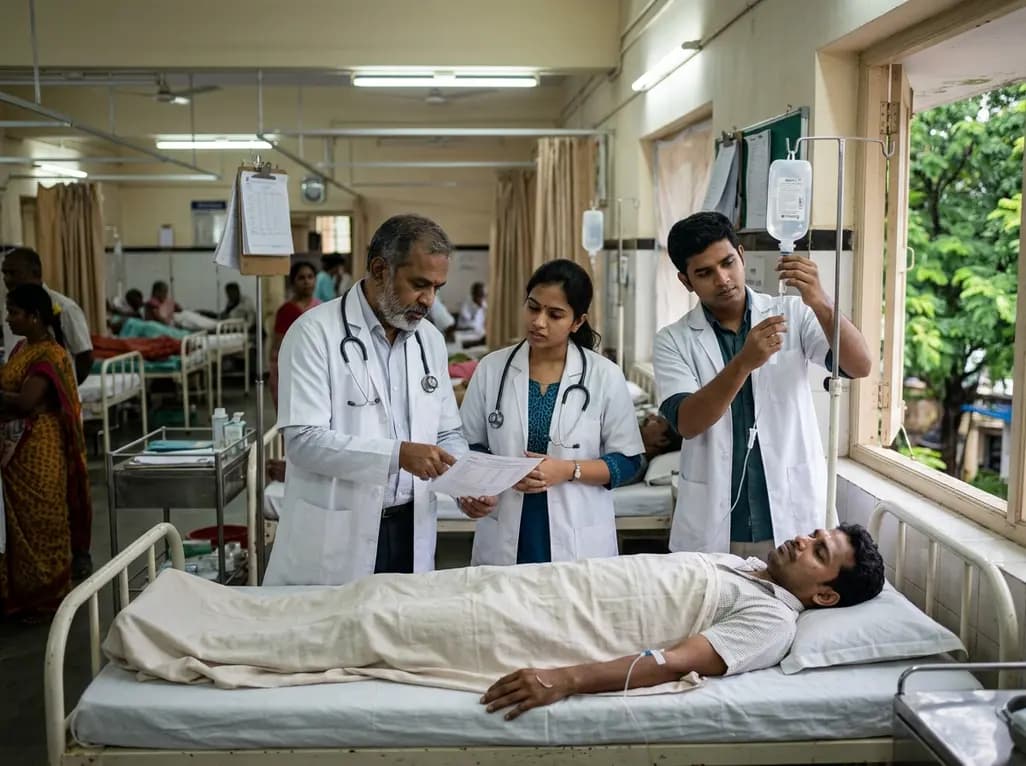
With post-monsoon dengue surges threatening South Asian health systems, physicians must refine triage and management. This guide covers vital warning signs, plasma leakage detection, crystalloid titration, and vector containment strategies to prevent mortality during seasonal arboviral epidemics.
Today

Findings from Project Viva indicate that sustained postpartum weight retention, rather than excessive gestational weight gain alone, directly worsens women's mid-life cardiovascular health, degrading blood pressure and glycemic parameters decades after delivery.
Today
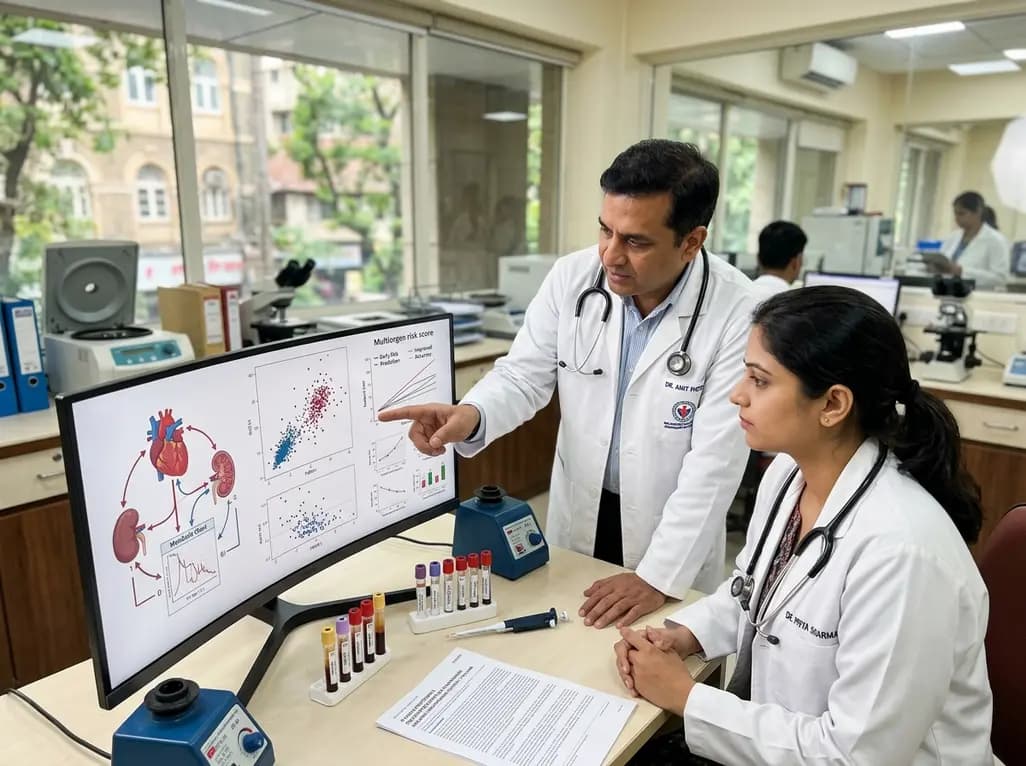
A large UK Biobank study reveals that plasma proteomic signatures capture preclinical organ damage and improve multiorgan risk prediction across early CKM syndrome stages 0 to 2 beyond traditional PREVENT clinical models.
Today

A retrospective CBCT study reveals that superior TMJ space asymmetry correlates moderately with occipital condyle-atlas-axis asymmetry in unilateral TMJ osteoarthritis, highlighting an imaging correlate between jaw biomechanics and upper cervical alignment rather than a standalone diagnostic marker.
Today

A Bayesian multilevel meta-analysis reveals that aerobic training combined with moderate carbohydrate restriction modestly lowers HbA1c in type 2 diabetes. However, sparse data and very low certainty leave incremental benefits over exercise or diet alone unproven, highlighting the need for individualized care.
Today
