.webp&w=384&q=75)

Loading, please wait...
Loading, please wait...

Central nervous system tumors represent the leading solid neoplasms in children worldwide. Notably, glial neoplasms comprise roughly half of these cases, with low-grade lesions accounting for two-thirds of all childhood gliomas. Managing a pediatric low-grade glioma requires careful multidisciplinary collaboration to optimize survival and functional preservation. In response, a 12-year retrospective study from Aga Khan University Hospital evaluated 191 pediatric patients between 2013 and 2025. Consequently, this cohort provides valuable real-world evidence for clinical practice in resource-limited environments.
Pediatric brain tumors often present with subtle symptoms that delay diagnosis. In this retrospective LMIC cohort, clinicians noted a median age of 10 years, with half of the children aged 10 to 18 years. Furthermore, males comprised 51.3% of the total cohort, reflecting a modest male preponderance. Importantly, the median symptom duration prior to diagnosis was four months. However, individual presentations varied considerably across an interquartile range of 1 to 18 months.
Clinical features predominantly stemmed from raised intracranial pressure. Specifically, headaches occurred in 58.6% of patients, while persistent vomiting affected 48.7% of the children. In addition, several patients presented with seizures and focal neurological deficits. Fortunately, institutional twinning programs improved diagnostic referral pathways over the study decade. Consequently, patients accessed diagnostic imaging faster than historical LMIC cohorts typically achieve.
Nevertheless, diagnostic delays remain a major challenge across resource-limited health systems. Therefore, community pediatricians must maintain high vigilance when evaluating unexplained chronic headaches or persistent morning vomiting. Early neuroimaging prevents irreversible neurological deficits and preserves visual function. Thus, prompt specialist referral directly optimizes clinical trajectories for these vulnerable patients.
Tumor location strongly influences neurosurgical strategy and functional outcomes. In this study cohort, supratentorial tumors predominated, accounting for 60.2% of all cases. In contrast, infratentorial neoplasms comprised the remaining 39.8%, located primarily within the posterior fossa and cerebellum. Therefore, neurosurgeons tailored their operative corridors according to precise intracranial locations.
Similarly, histopathological examination demonstrated significant subtype diversity across the patient population. Pathologists identified pilocytic astrocytoma as the predominant histology, accounting for 119 cases. In addition, clinicians documented smaller subsets of diffuse astrocytoma, ganglioglioma, and pleomorphic xanthoastrocytoma. Importantly, accurate histopathological classification remains essential for risk stratification and therapeutic planning.
Furthermore, clinicians deferred upfront tumor biopsy in 28 children, representing 14.7% of the cohort. This non-biopsied group predominantly included subependymal giant cell astrocytomas, which accounted for 60.7% of deferred cases. In addition, optic pathway gliomas and tectal plate tumors formed the remaining non-biopsied lesions. Clinicians safely diagnosed these specific neoplasms using distinctive MRI features and neurofibromatosis criteria. Consequently, avoiding surgical intervention in these delicate locations prevented unnecessary operative morbidity.
Maximal safe resection remains the primary therapeutic cornerstone for resectable pediatric low-grade lesions. In this cohort, neurosurgeons performed upfront surgery in 163 children, representing 85.3% of the study group. Surgical teams pursued complete cytoreduction while diligently protecting adjacent eloquent brain parenchyma. As a result, patients experienced minimal operative morbidity.
Importantly, surgeons achieved gross total resection in 85 operative patients, reflecting a 52.1% complete clearance rate. However, tumor adherence to vital neurovascular structures prevented complete resection in remaining cases. In these challenging scenarios, neurosurgeons chose prudent subtotal resection or partial debulking rather than causing permanent neurological disability. Therefore, surgical judgment successfully balanced tumor reduction against long-term quality of life.
Furthermore, complete resection provided superior long-term tumor control. Children with gross total resection required fewer secondary oncological interventions during routine clinical surveillance. In contrast, patients with residual tumor required closer radiographic monitoring and multidisciplinary evaluations. Consequently, multidisciplinary neuro-oncology teams met regularly to evaluate scan stability and detect tumor regrowth early. Neurosurgeons increasingly utilize microsurgical techniques and intraoperative navigation to maximize resection safety.
Oncologists reserve adjuvant systemic therapies for unresectable, progressive, or symptomatic residual tumors. In this 12-year review, 26 children received systemic chemotherapy, representing 13.7% of the overall patient cohort. Clinicians predominantly selected carboplatin-based regimens and single-agent vinblastine to arrest tumor proliferation. Consequently, chemotherapy served as an effective primary systemic strategy to delay or prevent radiation therapy.
Moreover, clinicians strictly minimized the use of radiation therapy across the cohort. Specifically, only nine patients received radiation therapy, representing just 4.8% of all cases. Radiation exposure carries substantial late risks in pediatric patients, including cognitive impairment, vasculopathy, and endocrinopathies. Therefore, radiation oncologists reserved definitive irradiation exclusively for multiply recurrent tumors that exhausted medical and surgical alternatives.
In addition, emerging targeted agents are reshaping the global treatment landscape for low-grade gliomas. Tumors exhibiting BRAF V600E mutations or BRAF fusions show high response rates to selective molecular inhibitors. Although high drug costs currently limit widespread access across resource-constrained regions, molecular diagnostic testing is gradually expanding. Thus, future treatment protocols in LMICs will increasingly integrate targeted oral therapies to replace cytotoxic regimens.
Despite significant structural hurdles, long-term survival in this pediatric cohort was excellent. Clinicians documented an overall survival rate of 95.3%, recording only nine deaths during the 12-year follow-up period. This exceptional survival outcome mirrors benchmarks reported by advanced pediatric oncology units in high-income nations. Therefore, standard multidisciplinary protocols deliver reliable oncological outcomes within developing healthcare settings.
Furthermore, the majority of treated children maintained prolonged disease control. Specifically, 131 patients, representing 68.6% of the cohort, remained completely free from disease progression. However, 36 patients developed disease progression, and seven patients experienced tumor relapse during follow-up. Kaplan-Meier survival analysis calculated an estimated median event-free survival of 84.2 months. Importantly, investigators urge cautious interpretation of this metric due to considerable right-censoring and modest median follow-up.
Moreover, the study highlighted prominent systemic challenges typical of resource-limited healthcare environments. In particular, 17 patients, representing 8.9% of the cohort, lacked follow-up surveillance scans. Financial limitations, geographic distance, and lack of universal coverage often cause patient dropouts after initial surgical success. Consequently, healthcare systems must invest in decentralized follow-up tracking and patient navigation systems. Ultimately, sustained institutional collaboration and subsidized care will safeguard long-term survivor health across LMIC communities.
The primary treatment for pediatric low-grade glioma is maximal safe surgical resection. Neurosurgeons aim for complete tumor clearance while preserving vital neurological function. When surgeons achieve gross total resection, children frequently require no further therapy. However, deep-seated or unresectable tumors necessitate structured monitoring, systemic chemotherapy, or molecularly targeted therapies.
Clinicians avoid radiation therapy in pediatric low-grade glioma to prevent devastating long-term complications. Cranial irradiation often causes permanent neurocognitive deficits, neuroendocrine failure, vasculopathy, and secondary malignant neoplasms in developing brains. Consequently, pediatric oncologists prefer upfront surgical resection, systemic chemotherapy, or targeted molecular inhibitors, reserving radiation exclusively for refractory cases.
Overall survival rates in specialized LMIC tertiary hospitals closely parallel global standards, exceeding 95% in dedicated cohorts. However, resource-limited centers face distinct challenges, including diagnostic delays, limited access to molecular targeted agents, and higher patient loss to follow-up. International twinning partnerships and multidisciplinary care models significantly help bridge these disparities.
Disclaimer: This content is for informational and educational purposes only and does not constitute medical advice, diagnosis, or treatment. Healthcare professionals should exercise their independent clinical judgment when interpreting or applying this information. Clinical decisions must always be tailored to individual patient needs and institutional protocols. Refer to the latest local and national guidelines for clinical practice.
References

Read summarized clinical updates, watch expert medical content, and earn CME certifications right from your smartphone.
Open your smartphone camera to scan and install.





A 12-year retrospective study of 191 children with low-grade gliomas in an LMIC tertiary hospital demonstrates a 95.3% overall survival. Maximal safe surgery achieved gross total resection in 52.1%, while chemotherapy and delayed radiotherapy minimized long-term treatment morbidity.
Today

A feasibility study evaluates remote vital sign monitoring in acute hospital at home patients. Continuous wearable patches captured heart rate and respiratory rate with high adherence (89% and 75%), significantly exceeding manual spot checks for blood pressure, oxygen saturation, and temperature.
Today

A scoping review evaluates 116 studies on AI in women's reproductive health, finding that 83.6% carry high risk of bias. While ensemble models show promise, disparities and lack of validation hinder LMIC deployment.
Today
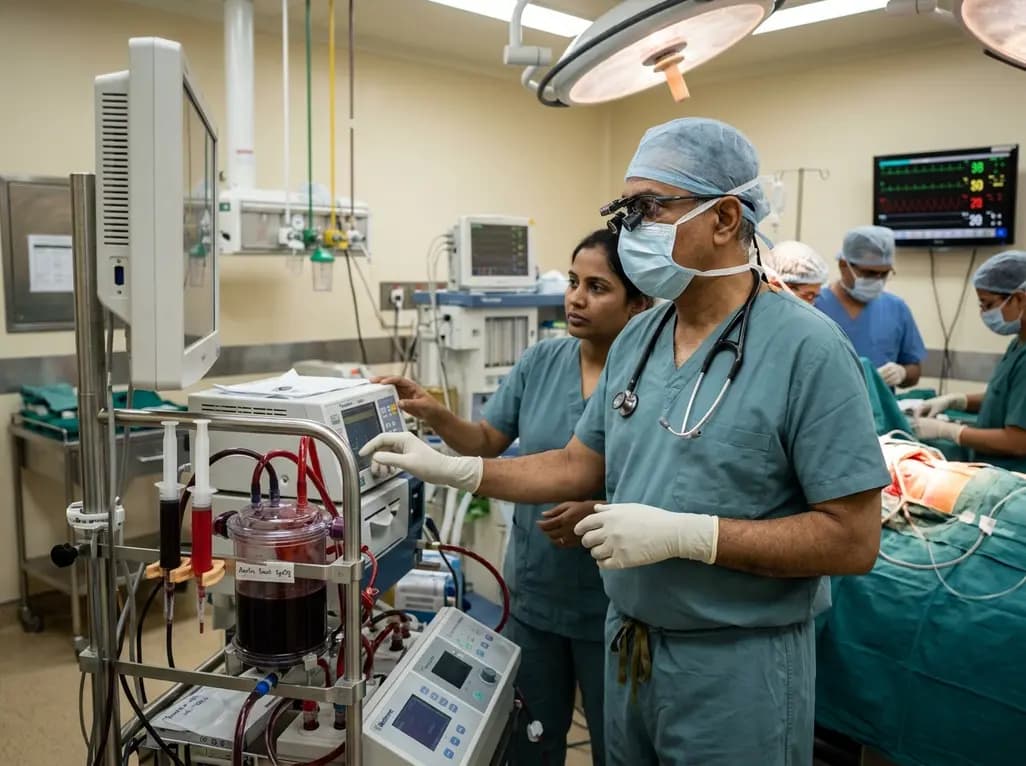
Differential oxygenation during peripheral TA-NRP can cause undetected coronary hypoxemia due to arch vessel clamping. A novel circuit with continuous aortic root monitoring detects desaturation early, facilitating left ventricular unloading and preventing allograft dysfunction and unnecessary heart discard.
Today
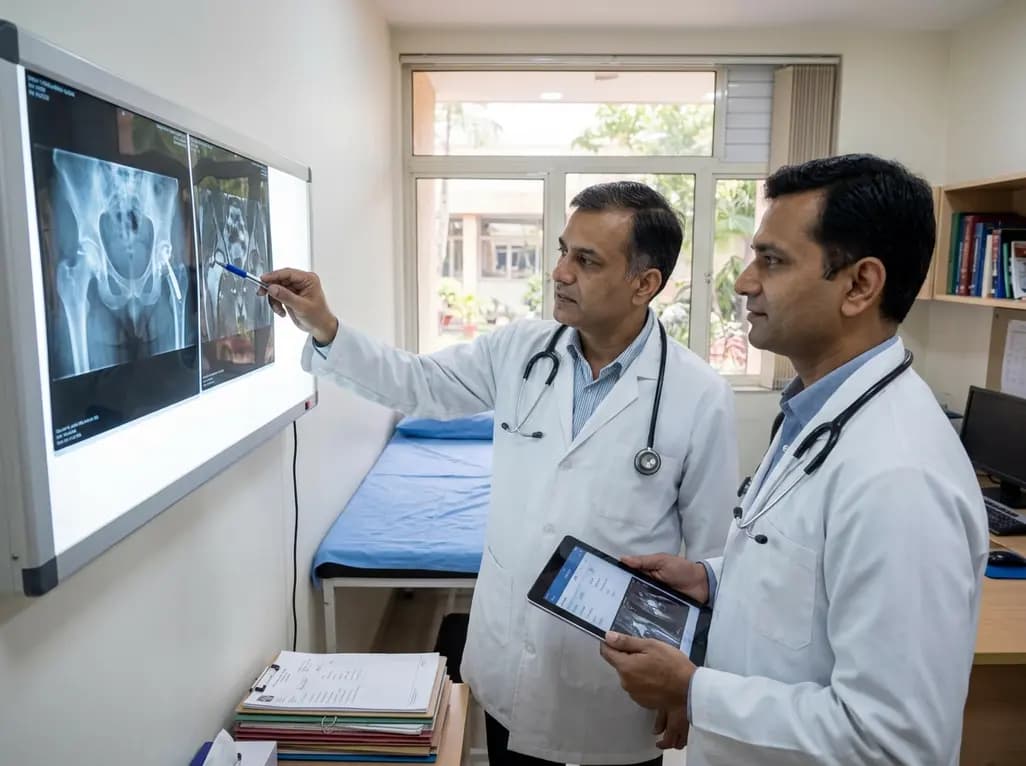
A longitudinal study reveals that patients undergoing staged bilateral hip arthroscopy experience progressive contralateral labral deterioration during surgical intervals. However, structural degradation does not compromise 2-year postoperative clinical outcomes or patient-reported satisfaction scores.
Today

A post hoc analysis of the PARM-T2D study shows pemafibrate exerts baseline-dependent effects on LDL-C and particle size in type 2 diabetes and hypertriglyceridemia. It lowers triglycerides and remnants while favorably remodeling atherogenic LDL particles based on initial lipid control status.
Today
