.webp&w=384&q=75)

Loading, please wait...
Loading, please wait...

Cerebral venous sinus thrombosis (CVST) is increasingly recognized in the pediatric intensive care unit (PICU). This condition presents substantial risks for morbidity and mortality in children. Therefore, understanding pediatric CVST management is vital for clinicians globally, including those in India where infectious etiologies often complicate cases. A retrospective study recently highlighted key epidemiology and outcomes from a quaternary PICU over a five-year period. Specifically, the study categorized cases into primary and secondary CVST to better understand their clinical paths.
Researchers observed thirty patients during the study period. Interestingly, primary CVST was more frequent, representing 63% of the cohort. Additionally, nearly half of the patients developed cerebral infarcts. Another 30% suffered from intracranial hemorrhages. Consequently, these findings emphasize the severity of the disease in a critical care setting. Furthermore, neurosurgical intervention was common among children with secondary CVST, often linked to underlying brain diseases.
The study revealed a stark reality regarding patient demographics. Children from neighborhoods with increased marginalization faced a disproportionate impact. Because of this, clinicians must consider social determinants of health during pediatric CVST management. Moreover, the mortality rate reached 17% in this cohort. Most deaths occurred in the primary CVST group. Accordingly, heightened awareness and early identification are necessary to improve clinical outcomes for all pediatric patients.
In the context of Indian healthcare, where resources and presentation timing vary, these findings underscore the need for standardized neuroimaging and anticoagulation protocols. Early diagnosis remains the cornerstone of effective therapy. Additionally, managing complications like increased intracranial pressure and seizures is crucial. By integrating social and clinical factors, healthcare providers can better navigate the complexities of this rare but dangerous condition.
Primary CVST occurs when the thrombosis is the main reason for hospital admission. Secondary CVST is diagnosed while the patient is already being treated for another condition, such as a brain disease or after neurosurgery.
The study noted a disproportionate impact on marginalized children, which may be linked to delayed access to care, underlying nutritional factors, or a higher burden of predisposing infections. Further research is needed to determine the exact factors associated with this finding.
Common complications include cerebral infarction and intracranial hemorrhage. These require intensive monitoring and management to prevent long-term neurological deficits or death.
Disclaimer: This content is for informational and educational purposes only and does not constitute medical advice. It is not intended to be a substitute for professional medical advice, diagnosis, or treatment. Refer to the latest local and national guidelines for clinical practice.
References
1. Maratta C et al. Cerebral Venous Sinus Thrombosis in Pediatric Critical Care. Crit Care Explor. 2026 Jun 01. doi: 10.1097/CCE.0000000000001418. PMID: 42184099.
2. Mohanty MK et al. Cerebral Venous Sinus Thrombosis in Children: A Study from a Tertiary Care Hospital of Eastern India. J Pediatr Neurosci. 2020;15(4):371-377.
3. Saposnik G et al. Diagnosis and management of cerebral venous thrombosis: a statement for healthcare professionals from the American Heart Association/American Stroke Association. Stroke. 2011;42(4):1158-92.

Read summarized clinical updates, watch expert medical content, and earn CME certifications right from your smartphone.
Open your smartphone camera to scan and install.





A study analyzes the clinical characteristics, management, and mortality of children with CVST in a PICU, highlighting risks for marginalized groups....
3 months ago
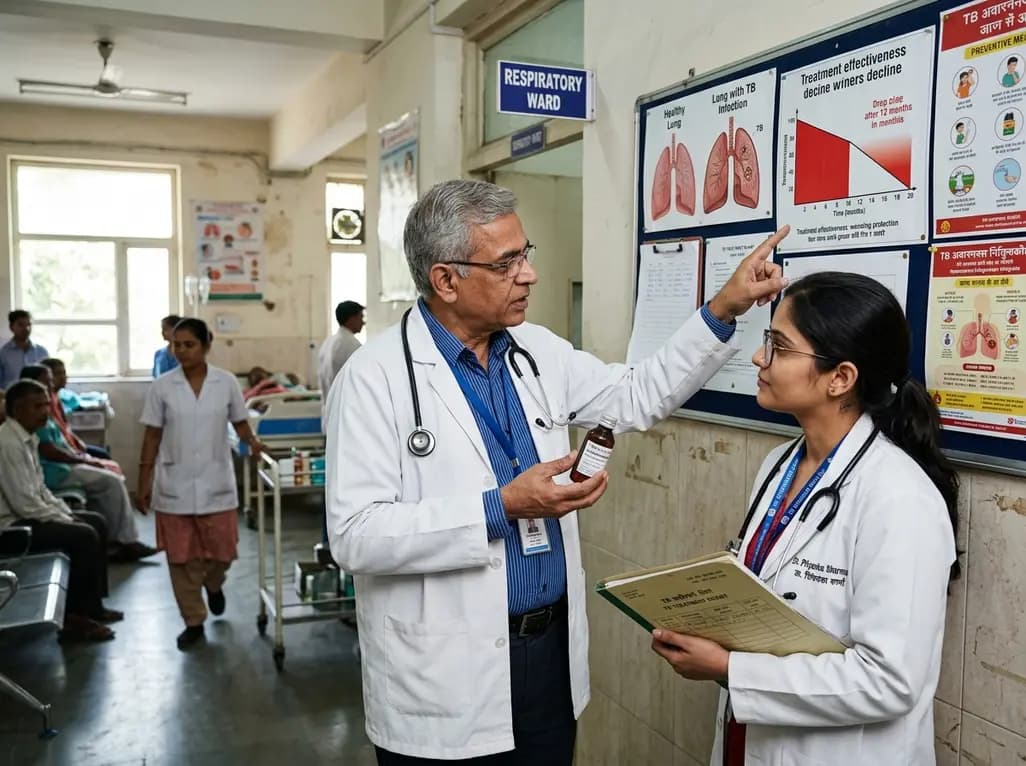
Recent findings in The Lancet Respiratory Medicine reveal that tuberculosis preventive treatment wanes after one year in high-burden settings, unlike the decade-long protection seen in low-burden regions. Clinicians in endemic nations must combine antibiotic chemoprophylaxis with active transmission control.
Today

A school-based intervention using the Health Action Process Approach (HAPA) significantly enhanced adolescents' perceived benefits of consulting healthcare providers and promoted proactive menstrual health behaviors, offering key clinical insights for managing adolescent dysmenorrhea and endometriosis.
Today

A global dose-response meta-analysis of 8.8 million adults reveals that consuming an extra 100 grams of processed food daily raises cardiovascular event risk by 14%. Explore how industrial additives, systemic inflammation, and metabolic disruption heighten long-term multimorbidity and cardiometabolic risks.
Today
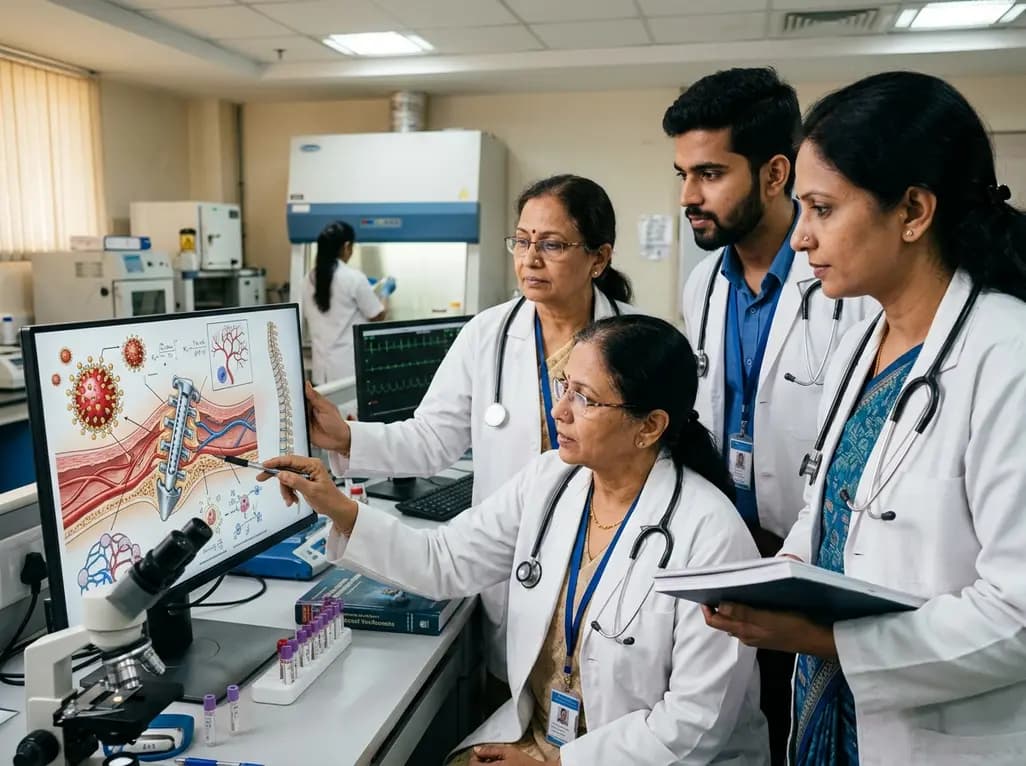
A comprehensive analysis of the Translational Maturity Framework for nanomedicine-device combination products, evaluating regulatory complexity, manufacturing hurdles, and clinical readiness across oncology, cardiology, and orthopedics.
Today
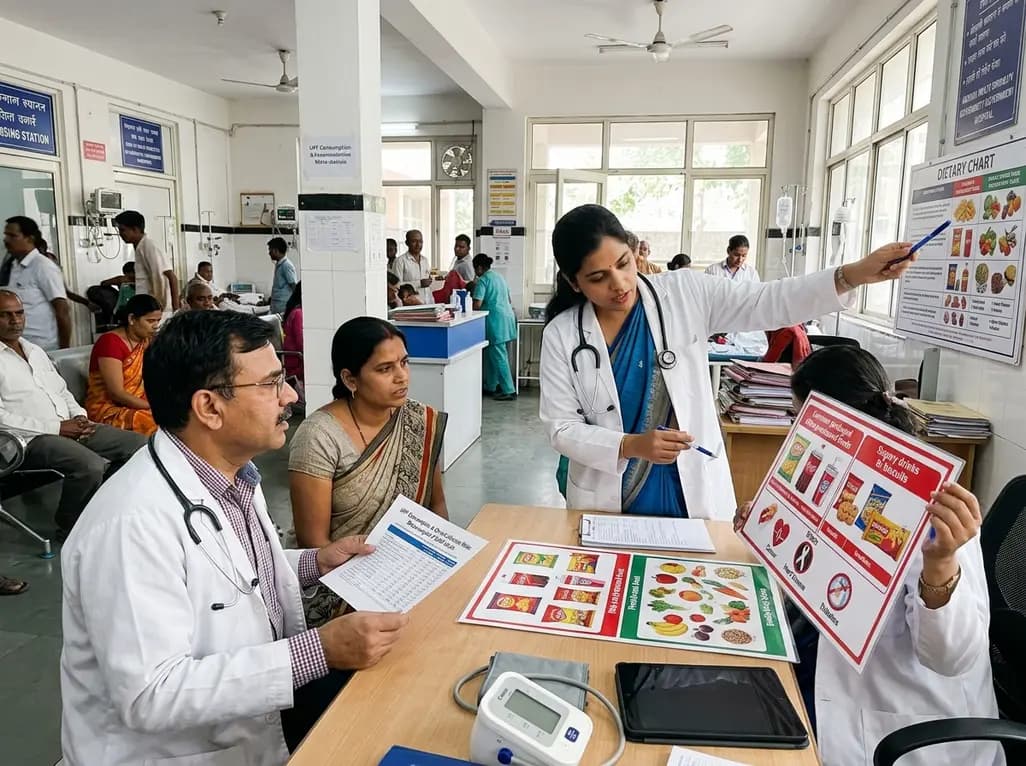
A landmark dose-response meta-analysis of 8.8 million adults reveals that high ultra-processed food intake significantly elevates risks for cardiovascular disease, cancer, diabetes, depression, and all-cause mortality, highlighting urgent needs for clinical lifestyle interventions.
Today
