.webp&w=384&q=75)

Loading, please wait...
Loading, please wait...

Skeletal muscle adapts dynamically to energy demands by switching between fatty acids and glucose. In exercise physiology, peak fat oxidation serves as a vital clinical biomarker of whole-body metabolic health and flexibility. Understanding how acute substrate manipulation governs lipid clearance provides valuable therapeutic insights for clinicians managing metabolic disorders. Recently, researchers investigated how combining exercise-induced glycogen depletion with carbohydrate restriction modulates systemic lipid kinetics and cellular respiratory control.
Whole-body lipid turnover closely correlates with skeletal muscle oxidative capacity. However, cellular substrate choice depends heavily on immediate glycogen availability. When muscle glycogen stores remain abundant, pyruvate dehydrogenase activation drives preferential carbohydrate oxidation. Consequently, high carbohydrate flux directly blunts long-chain fatty acid entry into the mitochondrial matrix. Conversely, endogenous fuel restriction shifts cellular preference toward intramuscular and circulating lipids. Clinical researchers therefore sought to determine whether limiting glycogen reserves directly enhances peak fat oxidation during graded physical testing. Previous trials often evaluated chronic ketogenic adaptations, but acute nutritional and exercise protocols illuminate transient regulatory mechanisms. Moreover, determining the precise workload that maximizes lipid breakdown helps clinicians formulate targeted exercise prescriptions. In healthy endurance-trained cohorts, this transition highlights remarkable adaptive plasticity. Thus, studying acute substrate competition clarifies fundamental cellular energetics without confounding long-term metabolic derangements.
To examine these metabolic dynamics, investigators conducted a rigorous randomized crossover clinical study involving ten trained men. Each participant completed two distinct intervention phases separated by a standardized washout period. Initially, subjects underwent comprehensive baseline testing, including blood sampling, anthropometric profiling, and vastus lateralis muscle biopsies. Subsequently, participants performed a graded exercise protocol followed by an exhaustive glycogen depletion cycling session. Over the subsequent twenty-four hours, participants adhered strictly to either an isocaloric high-carbohydrate or low-carbohydrate dietary regimen. Therefore, this targeted intervention created two distinct biochemical environments: one characterized by glycogen replenishment and another by persistent glycogen depletion. The following day, clinicians repeated the physiological evaluations and invasive tissue biopsies. Furthermore, investigators analyzed muscle homogenates for total glycogen, intracellular triacylglycerol concentrations, and respiratory control indices. As a result, the robust crossover design minimized inter-individual variability and isolated the specific metabolic effects of acute substrate deprivation.
The trial demonstrated that exhaustive exercise alone augmented lipid burning across both cohorts. However, the combined regimen of strenuous exercise and dietary carbohydrate restriction produced the greatest surge in peak fat oxidation. In addition, the exercise intensity eliciting maximal fat burning shifted toward higher relative workloads only when glycogen reserves remained low. Interestingly, high-resolution respirometry revealed that mitochondrial coupling control and efficiency remained completely unaltered across all experimental conditions. Therefore, acute glycogen depletion does not compromise intrinsic mitochondrial oxidative phosphorylation or induce pathological uncoupling. Instead, augmented lipid metabolism appears driven by peripheral substrate availability, enhanced carnitine palmitoyltransferase activity, and reduced glycolytic intermediate inhibition. Furthermore, muscle triacylglycerol breakdown proceeded efficiently without impairing respiratory chain complexes. These findings reassure sports medicine physicians that short-term low-carbohydrate exercise regimens enhance systemic lipid clearance without causing mitochondrial bioenergetic dysfunction or energetic inefficiency.
These physiological outcomes carry significant therapeutic relevance beyond competitive endurance athletics. In clinical practice, impaired lipid clearance and mitochondrial stiffness contribute substantially to type 2 diabetes and non-alcoholic fatty liver disease. Consequently, therapeutic strategies that elevate lipid oxidation rates can reduce pathological lipotoxicity and enhance peripheral insulin sensitivity. When patients exercise in carbohydrate-depleted states, skeletal myocytes upregulate downstream signaling pathways such as AMP-activated protein kinase and p38 MAPK. Furthermore, this molecular activation accelerates GLUT4 translocation and mitochondrial enzyme transcription over time. While extreme glycogen depletion requires careful clinical supervision, periodic low-glycogen training sessions stimulate durable metabolic adaptations. Similarly, clinicians treating obesity can leverage submaximal exercise protocols timed alongside prudent carbohydrate periodization. Therefore, understanding substrate dynamics empowers physicians to prescribe targeted lifestyle modifications that directly improve whole-body metabolic resilience and lipid homeostasis.
Integrating carbohydrate periodization into athletic regimens requires a nuanced clinical understanding of performance demands. While exercising with low glycogen successfully amplifies lipid utilization, prolonged carbohydrate restriction can compromise high-intensity glycolytic output. Therefore, sports nutritionists frequently advocate for periodized nutrition models, commonly described as training low and competing high. Under this paradigm, athletes execute low-intensity aerobic recovery sessions under low-carbohydrate availability to stimulate fat-burning pathways. In contrast, they consume abundant carbohydrates before demanding anaerobic intervals or competitive events to ensure optimal glycogen availability. In addition, maintaining adequate dietary protein prevents exercise-induced muscle protein breakdown during carbohydrate-restricted training blocks. Clinicians must also monitor hydration status and electrolyte balance closely when reducing dietary carbohydrates. Ultimately, customizing carbohydrate intake around training intensity provides athletes with superior metabolic flexibility while preserving vital high-power athletic performance.
Peak fat oxidation represents the highest rate at which an individual utilizes lipids as a primary fuel source during graded physical exertion. Clinicians determine this metric via indirect calorimetry during submaximal exercise testing. Furthermore, higher lipid burning capacity reflects superior mitochondrial function, robust metabolic flexibility, and reduced risk for peripheral insulin resistance and cardiometabolic diseases.
No, clinical evidence demonstrates that acute exercise coupled with carbohydrate restriction does not impair mitochondrial coupling control or efficiency. Muscle tissue preserves its respiratory phosphorylation capacity and electron transport efficiency under glycogen-depleted conditions. Consequently, the transient elevation in lipid utilization occurs through altered substrate availability and enzymatic regulation rather than structural mitochondrial disruption.
Physicians can utilize carbohydrate periodization by scheduling light-to-moderate aerobic exercise before carbohydrate intake, selectively encouraging cellular fat utilization. However, clinicians must tailor this approach individually, avoiding abrupt extreme restrictions in patients taking insulin or insulin secretagogues. Furthermore, adequate protein intake and continuous clinical monitoring ensure safe adaptations while preventing excessive fatigue or hypoglycemia.
Disclaimer: This content is for informational and educational purposes only and does not constitute medical advice, diagnosis, or treatment. Always seek the advice of a qualified healthcare provider with any questions you may have regarding a medical condition. Never disregard professional medical advice or delay in seeking it because of something you have read here. Statements made have not been evaluated by regulatory agencies. Refer to the latest local and national guidelines for clinical practice.
References
Lange KK et al. Effects of exercise followed by a low-carbohydrate diet on peak fat oxidation and mitochondrial coupling control and efficiency in healthy trained men. J Physiol. 2026 Sep 27. doi: 10.1113/JP291697. PMID: 42801284.
Burke LM et al. Low carbohydrate, high fat diet impairs exercise economy and negates the performance benefit from intensified training in elite race walkers. J Physiol. 2017;595(9):2785-2807.
Maunder E, Plews DJ, Kilding AE. Contextualising maximal fat oxidation during exercise: Determinants and normative values. Front Physiol. 2018;9:599.

Read summarized clinical updates, watch expert medical content, and earn CME certifications right from your smartphone.
Open your smartphone camera to scan and install.





A randomized crossover study reveals that exercise-induced glycogen depletion combined with a low-carbohydrate diet significantly enhances peak fat oxidation without impairing skeletal muscle mitochondrial coupling control or efficiency in healthy trained men.
Today

Researchers developed a novel bezafibrate-L-proline cocrystal inclusion compound using ball milling, boosting saturation solubility by 3.9-fold and oral bioavailability twofold. This supramolecular strategy holds promising potential to enhance drug efficacy and consistency in atherogenic dyslipidemia management.
Today

A multiparametric MRI approach combining quantitative T2 shading, apparent diffusion coefficient (ADC) measurements, and morphological signs provides superior diagnostic accuracy over subjective evaluation to differentiate ovarian endometriomas from benign hemorrhagic cysts.
Yesterday
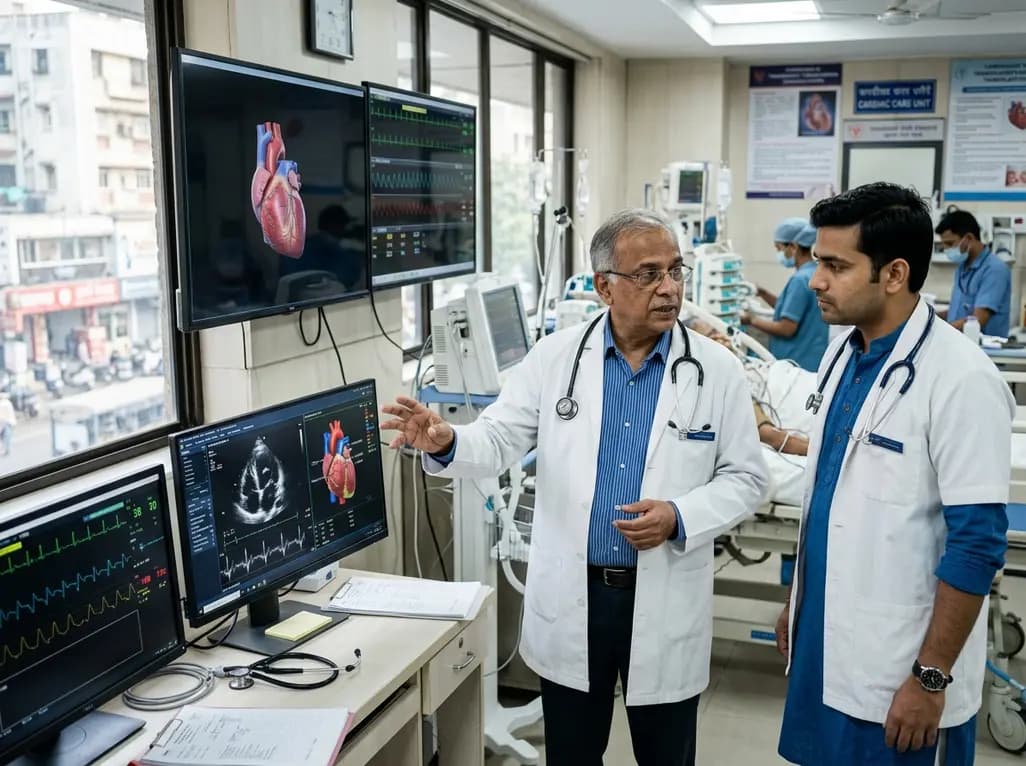
A landmark case report reveals a donor heart beating for a century in a 63-year-old recipient, challenging conventional age limits in cardiac transplantation and offering critical lessons on organ longevity, donor selection, and long-term graft survival.
Today

Fatty infiltration after rotator cuff tears impairs shoulder repair outcomes. A new study reveals that targeting MST1 kinase suppresses fibro/adipogenic progenitor adipogenesis via WNT/β-catenin signaling, reducing muscle fat accumulation and mitigating muscle atrophy.
Today
