.webp&w=384&q=75)

Loading, please wait...
Loading, please wait...

Prophylactic therapies have fundamentally transformed the management landscape for severe congenital coagulation disorders. However, clinicians increasingly recognize persistent clinical challenges and substantial haemophilia A unmet needs among patients receiving regular prophylaxis. Historically, management relied on frequent episodic infusions of clotting factors, which often failed to avert progressive arthropathy. The introduction of extended half-life factor VIII concentrates and subcutaneous non-factor bispecific antibodies represented a monumental leap forward in preventing bleeding episodes. Despite these remarkable technological advancements, qualitative evidence demonstrates that many individuals continue to experience troublesome physical limitations and psychological strain. Evaluating patient-reported outcomes provides vital clinical context regarding residual disease burden and daily treatment administration hurdles.
Modern prophylactic regimens aim to convert a severe bleeding phenotype into a milder, manageable clinical course. Extended half-life factor VIII concentrates notably reduce intravenous infusion frequency while maintaining protective hemostatic trough levels. Concurrently, emicizumab mimics activated factor VIII cofactor function, offering sustained hemostatic protection through convenient subcutaneous administration. Therefore, these therapeutic modalities have significantly decreased annualized bleeding rates across global clinical trials. In routine clinical practice, however, patient experiences frequently diverge from idealized trial environments. Many individuals continue to navigate unpredictable bleeding episodes, persistent musculoskeletal discomfort, and ongoing anxiety regarding joint integrity. Consequently, evaluating real-world patient perspectives is essential for clinicians who seek to optimize therapeutic strategies. A recent multi-country qualitative study examined adults with severe haemophilia A without inhibitors across Europe and the United States. All participants had received either extended half-life factor VIII or emicizumab for at least one full year. By recruiting patients who reported residual concerns, researchers captured vital insights into real-world therapeutic efficacy and satisfaction. These qualitative evaluations illuminate crucial gaps that conventional clinical registries and annualized bleed metrics often fail to capture adequately.
Although modern therapies dramatically reduce overall bleeding events, breakthrough bleeds remain a persistent clinical reality for many individuals. In the qualitative analysis, participants in both treatment cohorts described recurrent bleeding episodes despite consistent prophylactic adherence. Furthermore, nearly ninety percent of patients reported utilizing additional factor concentrates to manage acute bleeding events or protect against high-risk physical activities. This frequent rescue factor requirement highlights an enduring gap between baseline prophylactic protection and full hemostatic normalization. Repeated micro-bleeds within target joints steadily exacerbate chronic hemophilic arthropathy, leading to irreversible structural deterioration and chronic pain. Consequently, patients frequently modify their physical activities, avoid recreational sports, and endure progressive functional impairment. Moreover, persistent musculoskeletal pain exerts a heavy psychological toll, generating persistent apprehension about spontaneous bleeding. Patients often struggle to distinguish acute joint hemorrhage from chronic inflammatory arthritic discomfort, which leads to confusion and delayed management. Therefore, clinicians must look beyond headline annualized bleeding rates when assessing clinical response. Recognizing the persistence of micro-hemorrhages and chronic pain allows clinicians to calibrate prophylaxis more aggressively to safeguard long-term musculoskeletal health.
Investigating patient perspectives reveals significant haemophilia A unmet needs that profoundly affect daily functioning, emotional well-being, and social participation. Qualitative framework analysis identified five dominant themes: substantial disease burden, complex management patterns, symptom interference with daily life, treatment satisfaction, and ideal therapy attributes. Interestingly, while most participants expressed overall appreciation for their current regimens compared to historical options, residual dissatisfaction remained surprisingly prevalent. Specifically, sixty-five percent of individuals on emicizumab and seventy-eight percent on extended half-life factor VIII expressed a desire for greater hemostatic protection. Patients routinely cited anxiety regarding unpredictable breakthrough bleeding during routine domestic chores, occupational duties, and physical exercise. Additionally, individuals receiving factor concentrates expressed fatigue related to regular intravenous access, dose preparation, and frequent venipuncture schedules. Subcutaneous therapy users appreciated simplified administration but still harbored concerns regarding suboptimal protection during intense physical trauma. Thus, both groups highlighted a shared aspiration for therapies that provide near-normal hemostasis without burdensome administration routines. Understanding these qualitative themes helps hematologists tailor personalized regimens that address specific functional aspirations and alleviate persistent emotional burdens.
To address ongoing patient vulnerabilities, multidisciplinary care teams must implement comprehensive management protocols that extend beyond basic bleed tracking. First, clinicians should perform structured musculoskeletal assessments using standardized physical examination tools and point-of-care joint ultrasonography. Point-of-care ultrasound enables rapid detection of subclinical hemarthrosis and active synovitis, allowing early therapeutic adjustments before permanent joint destruction occurs. Second, pharmacokinetic profiling provides invaluable guidance for individuals receiving factor replacement, enabling personalized dosing intervals that sustain higher factor trough levels. Furthermore, clinicians managing patients on non-factor therapies must provide clear, individualized breakthrough bleed action plans. These plans should specify exact dosing instructions for supplemental factor concentrates or bypassing agents during acute injuries or elective procedures. In addition, physical therapy and tailored rehabilitation programs play an indispensable role in strengthening periarticular musculature and preserving mobility. Integrating clinical psychologists into the hemophilia comprehensive care team also helps patients process chronic pain, mitigate anxiety, and build resilience. Ultimately, proactive collaboration between patients and healthcare providers fosters realistic goal setting and enhances treatment adherence.
The findings from global qualitative investigations carry profound clinical implications for haemophilia care within resource-conscious healthcare environments like India. Historically, factor availability in India focused primarily on episodic, on-demand management, resulting in high rates of severe crippling arthropathy among young adults. In recent years, however, expanded government procurement programs and compassionate access initiatives have introduced extended half-life factor products and non-factor therapies. Consequently, Indian hematologists are increasingly initiating prophylaxis in both pediatric and adult populations. Nevertheless, significant clinical hurdles persist across secondary and tertiary medical centers. Clinicians frequently encounter patients who present with established joint damage from childhood, which complicates pain management and functional recovery. Furthermore, access to laboratory assays that monitor non-factor therapy or measure factor levels remains concentrated in metropolitan centers. Therefore, Indian practitioners must optimize available resources by establishing clear protocols for breakthrough bleed management and joint health surveillance. Educating patients and caregivers regarding early bleed recognition, proper storage, and physical conditioning remains paramount. Embracing holistic comprehensive care will ensure that modern therapeutic innovations translate into tangible functional improvements for Indian patients.
Modern prophylactic agents significantly elevate hemostatic levels, but they rarely restore complete normal hemostasis during intense physical stress or traumatic injury. Extended half-life factor VIII levels naturally decline toward trough concentrations between infusions, leaving transient windows of heightened vulnerability. Similarly, non-factor therapies maintain a steady, moderate hemostatic state equivalent to mild hemophilia. Consequently, strenuous physical activity or pre-existing synovial inflammation can trigger breakthrough bleeding that requires supplemental factor treatment.
Subclinical micro-bleeding often continues unnoticed within vulnerable joints, even when overt clinical bleeding episodes appear well controlled. Repeated exposure to intra-articular blood promotes chronic synovial inflammation, cartilage matrix degradation, and progressive osteochondral destruction. Furthermore, established hemophilic arthropathy creates mechanical instability, leading to ongoing pain and inflammation that mimic active hemorrhage. Therefore, clinicians must incorporate routine musculoskeletal imaging to detect subclinical joint disease early and optimize prophylactic dosing strategies accordingly.
Non-factor therapies, such as the bispecific antibody emicizumab, provide sustained hemostatic protection via convenient subcutaneous injections administered weekly, biweekly, or monthly. This approach eliminates the constant burden of difficult intravenous venipuncture, which greatly improves treatment adherence in children and adults. Additionally, non-factor therapies remain highly effective regardless of factor VIII inhibitor development. However, supplemental factor concentrates remain necessary to manage acute breakthrough hemorrhages, major physical trauma, and invasive surgical procedures.
Disclaimer: This content is for informational and educational purposes only, and should not be taken as professional medical advice. Always seek the guidance of your physician or other qualified health provider with any questions you may have regarding a medical condition. Refer to the latest local and national guidelines for clinical practice.
References

Read summarized clinical updates, watch expert medical content, and earn CME certifications right from your smartphone.
Open your smartphone camera to scan and install.





A qualitative study reveals persistent haemophilia A unmet needs among adults on factor and non-factor prophylaxis. Despite high satisfaction, patients report frequent breakthrough bleeds, chronic joint pain, and residual disease burdens requiring additional factor therapy and greater hemostatic protection.
Today

Groundbreaking research from Mount Sinai reveals that vascular injury driven by the APOE4 gene is an active, potentially reversible driver of dementia. By inhibiting TGF-beta signaling, researchers restored microvascular integrity and cleared amyloid, opening novel therapeutic avenues for neurodegenerative care.
Today

A nationwide study covering 3.7 million Swedish births reveals that prenatal exposure to TORCH pathogens significantly elevates long-term risks of intellectual disability and autism. Healthcare providers must recognize clinical indicators, promote prenatal prevention, and track early pediatric neurodevelopment.
Today
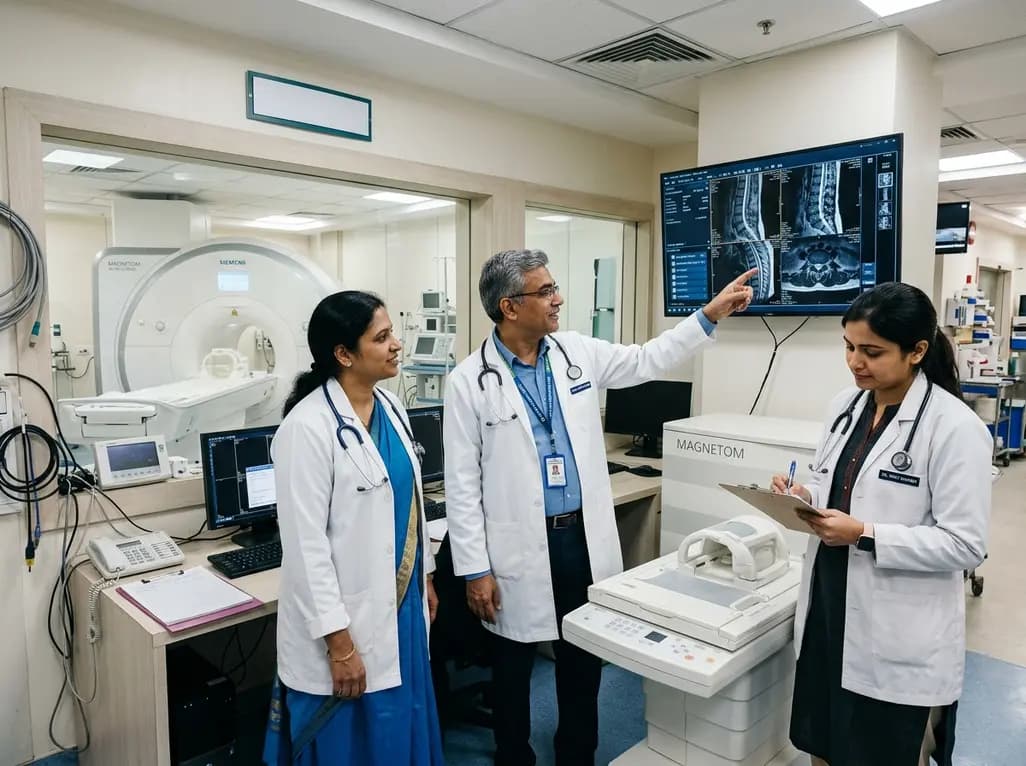
Under India's PLI initiative, domestic production of 57 critical medical devices has commenced, including MRI and CT scanners, cath labs, and heart valves. Global partnerships and local investments are expanding high-end technology, curbing import reliance, and strengthening clinical accessibility nationwide.
Today
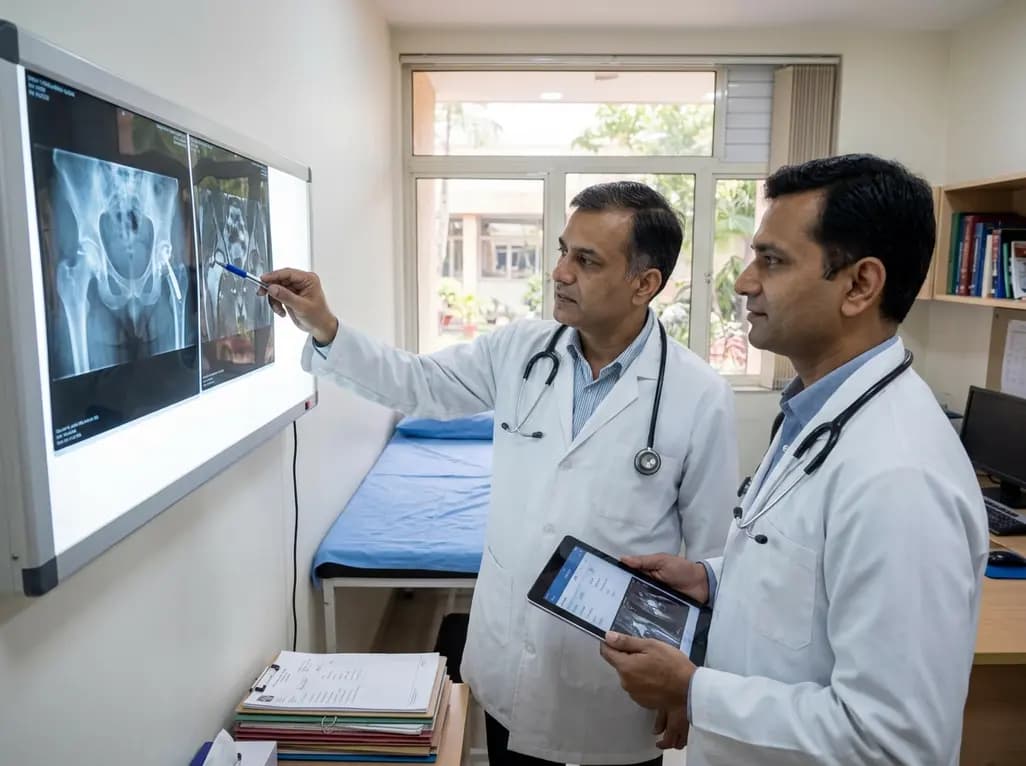
A longitudinal study reveals that patients undergoing staged bilateral hip arthroscopy experience progressive contralateral labral deterioration during surgical intervals. However, structural degradation does not compromise 2-year postoperative clinical outcomes or patient-reported satisfaction scores.
Today

SWEDEPAD-1 trial insights show paclitaxel-coated devices do not improve long-term limb salvage in patients with chronic limb-threatening ischemia and tissue loss. While one-year reinterventions decreased, the devices were linked to a higher risk of major amputation at three months.
Yesterday
