.webp&w=384&q=75)

Loading, please wait...
Loading, please wait...

Emerging molecular research indicates that Alzheimer brain damage reversal may soon become a clinical reality rather than an unattainable therapeutic goal. For decades, clinicians regarded cerebrovascular decline in dementia as an irreversible end-stage consequence of disease progression. However, groundbreaking discoveries from the Icahn School of Medicine at Mount Sinai challenge this traditional view. Specifically, scientists revealed that vascular injury represents an active, modifiable biological driver linked directly to the APOE4 allele. Consequently, these findings offer transformative hope for reversing cognitive deterioration in neurodegenerative disorders.
The APOE4 allele represents the strongest established genetic risk factor for late-onset Alzheimer's dementia. Clinicians regularly witness severe microvascular changes in patients who carry this particular genetic variant. Historically, medical practitioners believed that amyloid plaques directly precipitated secondary vascular collapse. In contrast, new single-cell transcriptomic data show that APOE4 actively attacks the brain's microvasculature from early stages. Specifically, the gene compromises mural cells known as pericytes, which normally maintain the structural stability of the blood-brain barrier. When APOE4 expression alters cellular pathways, pericytes lose their normal physiological regulatory functions. Furthermore, these destabilized cells abandon their protective phenotypic identity entirely. Instead, they transform into maladaptive, scar-forming myofibroblasts within the cerebral capillary network. This pathological shift causes pronounced vessel wall thickening and luminal narrowing across delicate cerebral microvessels. Consequently, cerebral perfusion diminishes drastically, and toxic metabolic byproducts rapidly accumulate in neuronal regions. Because the microvasculature stiffens, surrounding neural tissue experiences chronic hypoxia and severe metabolic starvation. Therefore, pericyte transformation directly facilitates cognitive decline and structural cerebral decay. Additionally, mural cell depletion weakens endothelial tight junctions and elevates microvascular permeability. As a result, blood-derived neurotoxic macromolecules leak into the brain parenchyma unimpeded. This insidious vascular breakdown occurs long before overt memory loss manifests clinically. Thus, identifying this distinct vascular pathway changes how physicians interpret genetic vulnerability.
Medical researchers previously viewed structural neurodegeneration as a permanent loss of central nervous system architecture. However, novel experimental models demonstrate that Alzheimer brain damage reversal remains biologically feasible when interventions target early vascular cascades. Researchers discovered that aberrant pericyte differentiation directly triggers excessive deposition of insoluble amyloid fibril clumps around cerebral vessels. As mural cells transition into myofibroblasts, they synthesize excess extracellular matrix proteins that trap circulating amyloid peptides. Consequently, perivascular amyloid aggregates choke capillary blood flow and accelerate localized neuronal apoptosis. Fortunately, Mount Sinai investigators proved that this fibrotic cascade does not represent a permanent cellular fate. By interrogating gene expression signatures, the researchers pinpointed specific signaling networks that drive perivascular scar formation. Moreover, experimental interruption of these rogue signals halted the transdifferentiation process completely. The modified pericytes regained their quiescent state and resumed supportive hemodynamic functions across microvascular walls. As a result, experimental models demonstrated marked regression of established vascular amyloid plaques. Furthermore, cerebral capillary perfusion improved substantially, which restored vital oxygenation to oxygen-starved neural circuits. These striking observations prove that targeted vascular rescue can successfully reverse existing neurodegenerative damage.
To achieve phenotypic normalization, scientists investigated the transforming growth factor-beta signaling pathway in cerebrovascular cells. Normally, TGF-beta orchestrates cellular repair, tissue homeostasis, and inflammatory mediation throughout the human body. In APOE4 carriers, however, dysregulated TGF-beta signaling excessively forces pericytes into a pathological pro-fibrotic state. Therefore, researchers administered targeted pharmacological inhibitors to block TGF-beta pathway activation in experimental models. Notably, this therapeutic intervention yielded remarkable histological and functional recovery in aged mice expressing APOE4. The inhibition protected pericytes from fibrotic transition and maintained healthy vascular architecture. Additionally, blocking this pathway significantly attenuated perivascular fibrosis and diminished toxic amyloid accumulation around cerebral microvessels. Consequently, the treated subjects showed a striking restoration of functional blood-brain barrier integrity. Furthermore, improved cerebral microcirculation preserved synaptic connectivity and supported enhanced cognitive performance during behavioral assessments. These findings establish TGF-beta pathway modulation as a prime therapeutic candidate for clinical neuroprotection. Clinicians now have a compelling rationale to pursue anti-fibrotic strategies alongside conventional anti-amyloid monoclonal antibodies. Ultimately, combining vascular-targeted compounds with existing amyloid-clearing drugs could provide synergistic cognitive stabilization.
These preclinical discoveries hold profound clinical significance for the expanding healthcare landscape in India. India currently faces a steep increase in dementia cases due to an aging population and increasing longevity. Moreover, cardiovascular and metabolic risk factors such as hypertension, diabetes, and dyslipidemia are extraordinarily prevalent across Indian communities. These coexisting metabolic disorders severely impair microvascular health and amplify APOE4-associated cerebrovascular degeneration. Consequently, Indian physicians frequently manage patients who exhibit mixed dementia presentations combining Alzheimer's pathology and vascular cognitive impairment. Recognizing that pericyte dysfunction drives both vascular fibrosis and amyloid deposition provides crucial diagnostic clarity for local clinicians. In addition, routine genetic screening for APOE4 may soon guide proactive vascular risk stratification in executive health checkups. While targeted TGF-beta therapeutics undergo further developmental testing, practitioners should aggressively optimize vascular parameters in high-risk patients. For example, controlling blood pressure, regulating glycemic indices, and managing serum lipids protect fragile pericyte networks. Furthermore, educating families regarding vascular risk mitigation remains essential across urban and rural clinical practices. Ultimately, prioritizing neurovascular preservation represents an accessible, high-impact clinical strategy for slowing dementia progression nationwide.
Alongside neurovascular breakthroughs, modern oncology and gerontology have registered remarkable therapeutic milestones. Specifically, researchers recently reported outstanding phase 1 clinical results evaluating anitocabtagene autoleucel in relapsed multiple myeloma. This novel autologous CAR T-cell therapy targets the B-cell maturation antigen with a compact, synthetic binding domain. In a pivotal clinical trial published in The New England Journal of Medicine, all thirty-eight treated patients responded successfully. Moreover, eighty percent of trial participants achieved a complete remission without experiencing severe, delayed neurological toxicities. Meanwhile, biomedical scientists at the Massachusetts Institute of Technology developed a noninvasive technique to profile cellular senescence. Using advanced Raman microscopy, investigators captured distinct biochemical barcodes of living senescent cells without destroying delicate samples. Because senescent cells cease division yet secrete harmful inflammatory mediators, they fuel age-related tissue degradation and organ failure. Therefore, mapping these persistent cells noninvasively provides groundbreaking insights into degenerative disease mechanisms and therapeutic longevity targets. Together, these multifaceted scientific advances underscore a transformative era in translational medicine. Whether combating refractory hematologic malignancies or reversing neurodegenerative vascular decay, precision interventions continue to redefine clinical boundaries.
Q1: How does the APOE4 gene contribute directly to cerebrovascular degeneration in Alzheimer's disease?
The APOE4 gene triggers pathological transdifferentiation of brain pericytes, which are essential mural cells that stabilize cerebral capillary walls. Under APOE4 influence, these pericytes transform into scar-forming myofibroblasts. This aberrant transition thickens vascular walls, reduces microvascular elasticity, and severely disrupts blood-brain barrier permeability. Furthermore, this fibrosis promotes perivascular amyloid accumulation, impairing cerebral blood flow and accelerating neurodegeneration. Consequently, compromised blood supply deprives vulnerable neurons of essential metabolic nutrients, driving progressive cognitive decline.
Q2: Why is blocking the TGF-beta signaling pathway considered a promising therapeutic strategy?
Transforming growth factor-beta signaling acts as a central mediator of tissue remodeling and cellular differentiation. In the presence of APOE4, excessive pathway activation prompts pericytes to acquire a fibrotic phenotype. Blocking TGF-beta signaling halts this destructive transformation, allowing perivascular cells to maintain physiological vascular support. Consequently, preclinical models demonstrate reduced capillary fibrosis, diminished amyloid deposition, and restored cerebral perfusion, highlighting its strong disease-modifying potential.
Q3: How do these recent research findings influence routine clinical practice for dementia in India?
Currently, experimental TGF-beta inhibitors remain in preclinical phases and are not available for clinical administration. However, these discoveries emphasize that vascular dysfunction actively drives dementia rather than serving as a passive bystander. Therefore, Indian clinicians should aggressively manage modifiable vascular risk factors, including hypertension, diabetes, and dyslipidemia. Proactive microvascular protection preserves pericyte health, mitigates cerebral amyloid accumulation, and substantially improves long-term cognitive outcomes.
Disclaimer: This content is for informational and educational purposes only. It does not constitute medical advice or replace professional judgment. Refer to the latest local and national guidelines for clinical practice.
References

Read summarized clinical updates, watch expert medical content, and earn CME certifications right from your smartphone.
Open your smartphone camera to scan and install.





Groundbreaking research from Mount Sinai reveals that vascular injury driven by the APOE4 gene is an active, potentially reversible driver of dementia. By inhibiting TGF-beta signaling, researchers restored microvascular integrity and cleared amyloid, opening novel therapeutic avenues for neurodegenerative care.
Today

A nationwide study covering 3.7 million Swedish births reveals that prenatal exposure to TORCH pathogens significantly elevates long-term risks of intellectual disability and autism. Healthcare providers must recognize clinical indicators, promote prenatal prevention, and track early pediatric neurodevelopment.
Today
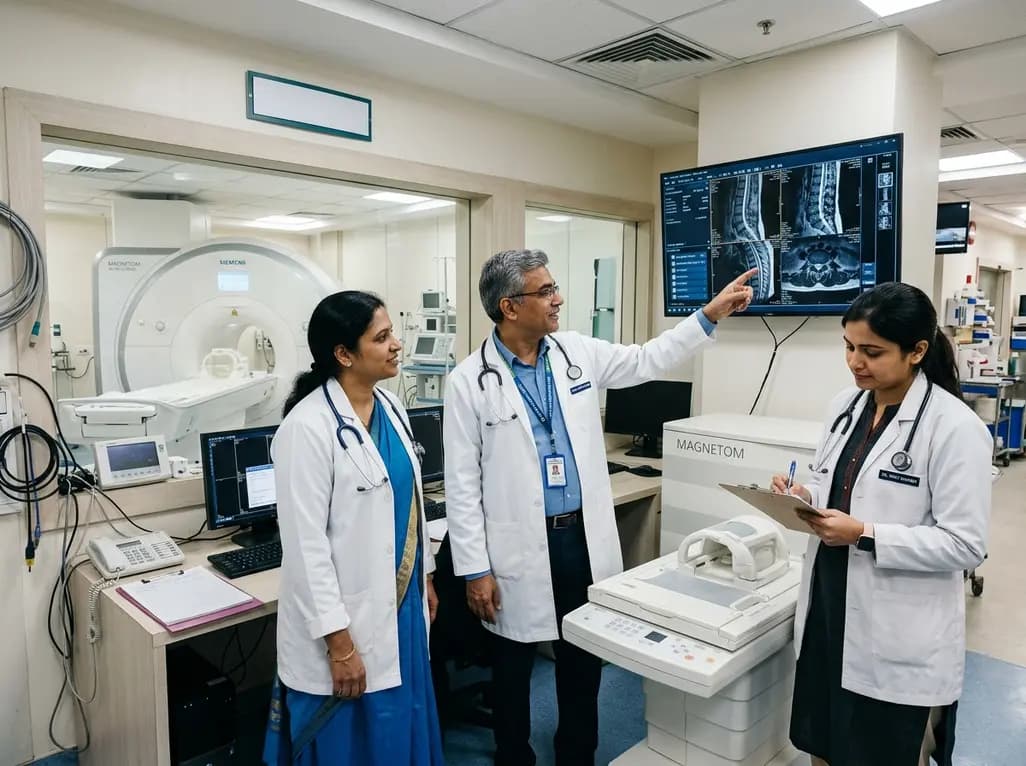
Under India's PLI initiative, domestic production of 57 critical medical devices has commenced, including MRI and CT scanners, cath labs, and heart valves. Global partnerships and local investments are expanding high-end technology, curbing import reliance, and strengthening clinical accessibility nationwide.
Today

A longitudinal study reveals that patients undergoing staged bilateral hip arthroscopy experience progressive contralateral labral deterioration during surgical intervals. However, structural degradation does not compromise 2-year postoperative clinical outcomes or patient-reported satisfaction scores.
Today

SWEDEPAD-1 trial insights show paclitaxel-coated devices do not improve long-term limb salvage in patients with chronic limb-threatening ischemia and tissue loss. While one-year reinterventions decreased, the devices were linked to a higher risk of major amputation at three months.
Yesterday
