.webp&w=384&q=75)

Loading, please wait...
Loading, please wait...
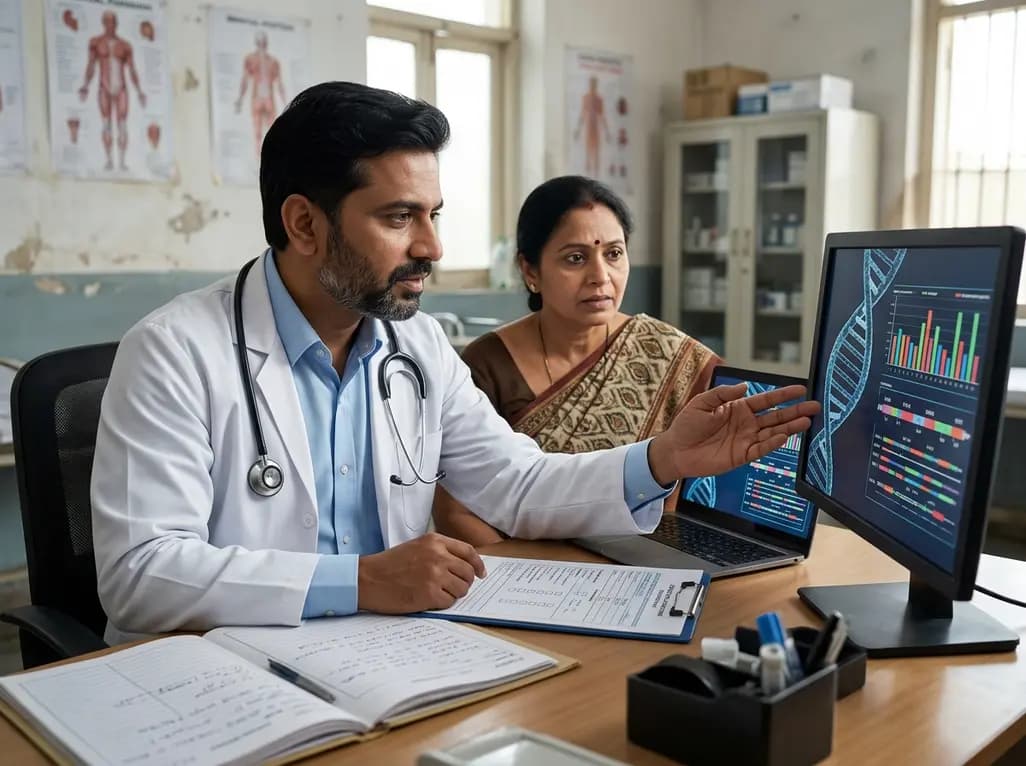
Risk-based screening is transforming breast cancer prevention. However, a new analysis of the WISDOM study reveals that pathogenic variant testing plays a more critical role than previously realized. Researchers found that traditional clinical risk factors and polygenic risk scores often fail to identify high-risk individuals. Consequently, many women who require intensive screening might be overlooked without genetic data.
The secondary analysis included 712 women who tested positive for pathogenic variants (PVs). Surprisingly, there was very little overlap between clinical risk-based assignments and genetic findings. Among high-penetrance PV carriers, clinical and polygenic risk scores alone would have correctly identified less than 1% for high-risk screening. Furthermore, clinical plus polygenic risk models would have advised over 60% of younger carriers to defer screening until age 50. Therefore, clinical tools like the Breast Cancer Surveillance Consortium (BCSC) model are not sufficient for high-risk detection.
Personalized screening strategies aim to balance safety with efficiency. In this cohort, pathogenic variant testing identified subsets of high-risk women that other models missed entirely. Notably, 30% of PV carriers reported no significant family history. This finding challenges the current reliance on family history as a gateway for genetic referral. By incorporating population-based genetic testing, clinicians can better stratify patients. This approach ensures that those with high-penetrance mutations receive essential semi-annual imaging, while lower-risk individuals avoid unnecessary procedures.
Individuals with high-penetrance mutations usually require alternating mammography and MRI every six months. Standard clinical models often recommend biennial mammography for these same patients, which could lead to delayed diagnoses.
No, the study shows that polygenic risk scores and pathogenic variant testing identify different groups of at-risk women. They are complementary tools rather than replacements for one another.
Disclaimer: This content is for informational and educational purposes only. It does not constitute medical advice or establish a doctor-patient relationship. Healthcare professionals should exercise clinical judgment. Refer to the latest local and national guidelines for clinical practice.
References

Read summarized clinical updates, watch expert medical content, and earn CME certifications right from your smartphone.
Open your smartphone camera to scan and install.





The WISDOM study shows that clinical risk models alone fail to identify most high-risk women who carry pathogenic variants in breast cancer genes....
4 months ago
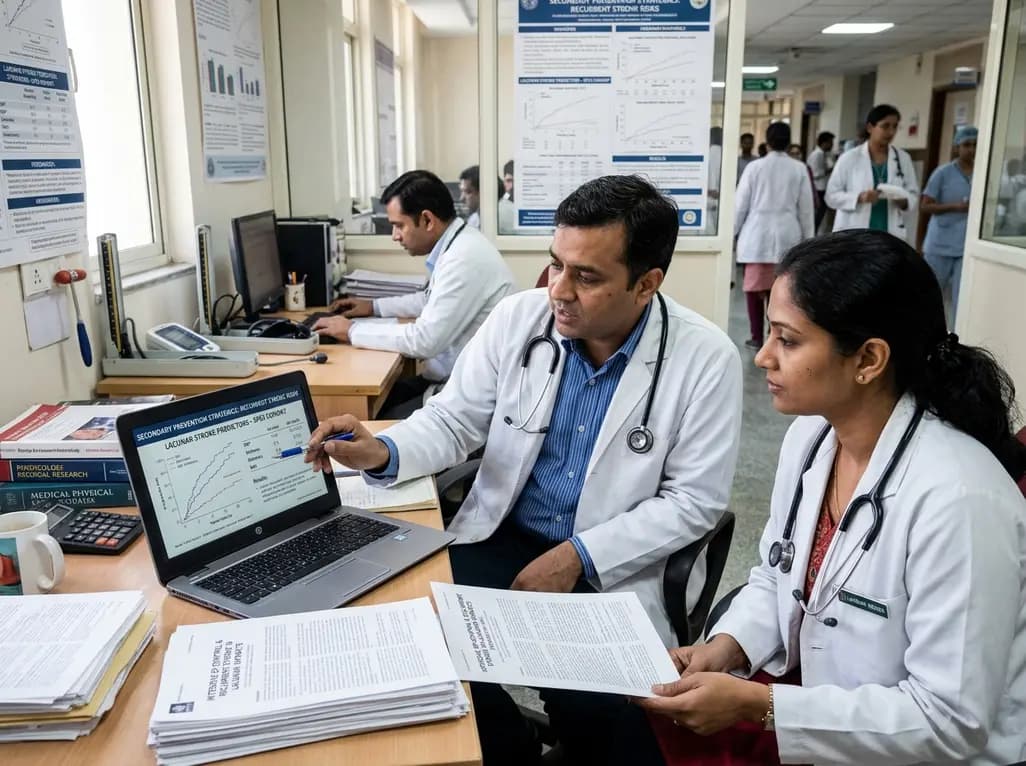
Explore vital recurrent stroke predictors in lacunar stroke patients managed with intensive blood pressure lowering. This analysis examines trial findings from SPS3 to uncover residual vascular risks, metabolic factors, and targeted secondary prevention strategies for high-risk neurological patients.
Today
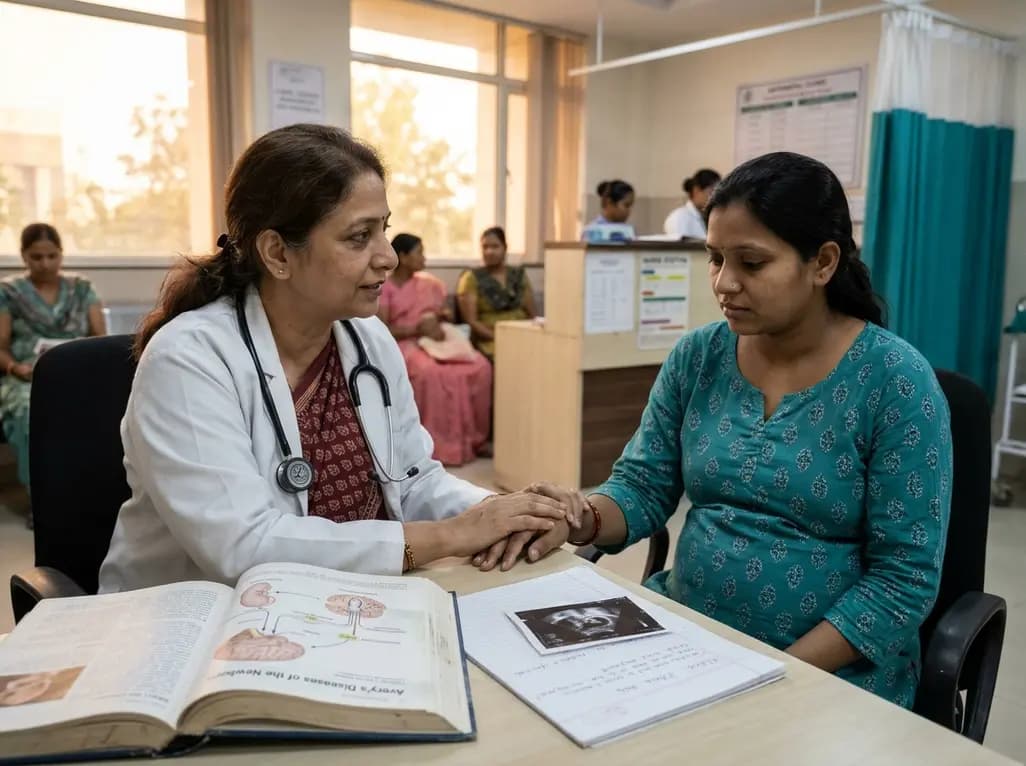
A comprehensive scoping review synthesises evidence linking prenatal maternal mental health to long-term offspring neurodevelopment, evaluating neuroendocrine, inflammatory, and epigenetic pathways while highlighting clinical screening and future research priorities.
Today

The Directorate General of Health Services directs Indian states to halt the hazardous reuse and reprocessing of single-use medical devices. Discover regulatory implications under the Drugs and Cosmetics Act, critical infection risks, legal liabilities, and operational changes required across clinical specialties.
Today

Mitochondria-targeted nanoparticles self-assembled from EGCG and L-glutamic acid effectively restore mitochondrial homeostasis, suppress synovial inflammation, and attenuate chondrocyte senescence in osteoarthritis, offering a promising disease-modifying nanotherapy.
Today

India is advancing preventive healthcare by integrating genomics, artificial intelligence, and quantum technologies. With the SANGAM programme sequencing one million Indian genomes, clinicians can unlock personalized therapies, detect cardiometabolic risks early, and curb the burden of diabetes and heart disease.
Today
