.webp&w=384&q=75)

Loading, please wait...
Loading, please wait...

Clinicians worldwide encounter significant hurdles when managing pathogenic Burkholderia infections due to their extreme virulence and diverse clinical features. Specifically, the genus Burkholderia contains several species that pose grave risks to human health, including B. mallei, B. pseudomallei, and the Burkholderia cepacia complex (Bcc). In India, where melioidosis is increasingly recognized as a major public health concern, understanding these pathogens is essential for reducing mortality. Consequently, this review explores the current epidemiological landscape and the evolving strategies used to combat these resilient bacteria.
The transmission dynamics of these pathogens vary significantly. For instance, Burkholderia mallei remains primarily a zoonotic threat, causing glanders through contact with infected animals. In contrast, B. pseudomallei lives in soil and water across tropical and subtropical regions. This environmental organism causes melioidosis, a disease that particularly targets individuals with comorbidities such as diabetes and chronic kidney disease. Furthermore, the Burkholderia cepacia complex has emerged as a formidable opportunistic pathogen. It frequently targets patients with cystic fibrosis or chronic granulomatous disease, often leading to severe outcomes like "cepacia syndrome." Additionally, nosocomial outbreaks linked to contaminated medical supplies continue to challenge hospital infection control teams.
Treating these infections is notoriously difficult because of the bacteria\'s intrinsic multidrug resistance. Most species are naturally resistant to aminoglycosides and polymyxins. Moreover, their dynamic genomes facilitate horizontal gene transfer, which enhances their ability to evade common β-lactam antibiotics. Modern diagnostic laboratories now utilize advanced tools like Matrix-Assisted Laser Desorption/Ionization-Time of Flight (MALDI-TOF) mass spectrometry and whole-genome sequencing. However, many resource-limited settings still rely on conventional culture methods, which might delay the initiation of appropriate therapy. Therefore, clinicians must maintain a high index of suspicion, especially in regions endemic for melioidosis.
Improving patient outcomes requires a multi-pronged approach involving earlier diagnosis and optimized therapeutic protocols. Researchers are currently investigating newer antimicrobial combinations and preventive measures to address current gaps. Additionally, public health initiatives in India aim to increase awareness about melioidosis, which often mimics tuberculosis. By implementing standardized screening for high-risk patients, the medical community can better mitigate the clinical impact of these dangerous pathogens.
These bacteria spread through various routes depending on the species. B. pseudomallei is usually acquired through skin inoculation, inhalation, or ingestion of contaminated soil and water. Conversely, B. mallei is primarily transmitted through direct contact with infected livestock, while Bcc often spreads through contaminated medical products or person-to-person contact in clinical settings.
Melioidosis is a frequent "great mimicker" of tuberculosis. Both diseases present with chronic fever, weight loss, and pulmonary abscesses. Given the high prevalence of TB in India, many clinicians initially treat patients for tuberculosis, which leads to dangerous delays in administering the correct anti-Burkholderia therapy.
Disclaimer: This content is for informational and educational purposes only. It does not constitute medical advice or a professional relationship. Refer to the latest local and national guidelines for clinical practice.
References
Hetta HF et al. Human infections caused by pathogenic Burkholderia: current clinical challenges and future perspectives. Infection. 2026 Feb 22. doi: 10.1007/s15010-026-02754-6. PMID: 41723801.
Mohapatra PR, Behera B, Mishra B. Melioidosis: An Indian Perspective. J Assoc Physicians India. 2025;73(5):63-68.
Jha S, et al. Hidden Burden of Melioidosis in India: Study Uncovers Reporting Gaps and Monsoon Surge. Scientific Reports. 2025 Nov.

Read summarized clinical updates, watch expert medical content, and earn CME certifications right from your smartphone.
Open your smartphone camera to scan and install.





A comprehensive review of B. mallei, B. pseudomallei, and Bcc infections, highlighting the diagnostic hurdles and management of multidrug resistance....
8 months ago
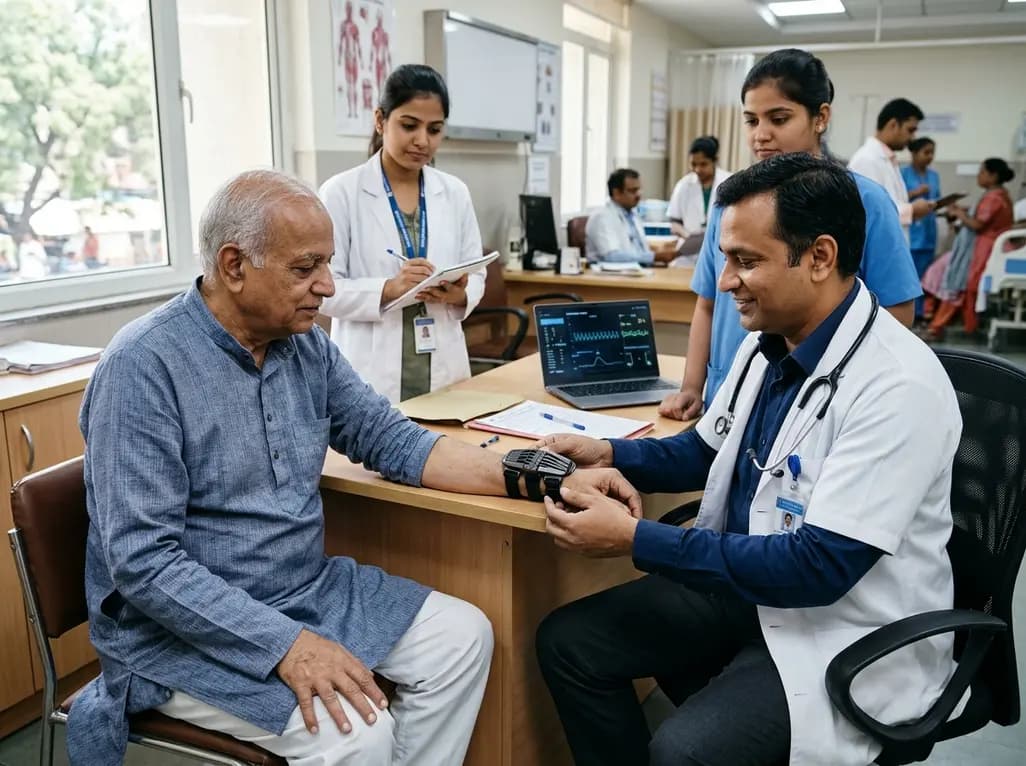
The TREM-AB open-label pilot study evaluated a wearable passive nonlinear vibration absorber for essential tremor. The Nonlinear Energy Sink bracelet reduced clinical Fahn-Tolosa-Marin tremor scores by 32.1% and electrophysiological tremor power by 49.2% with no adverse effects reported.
Today
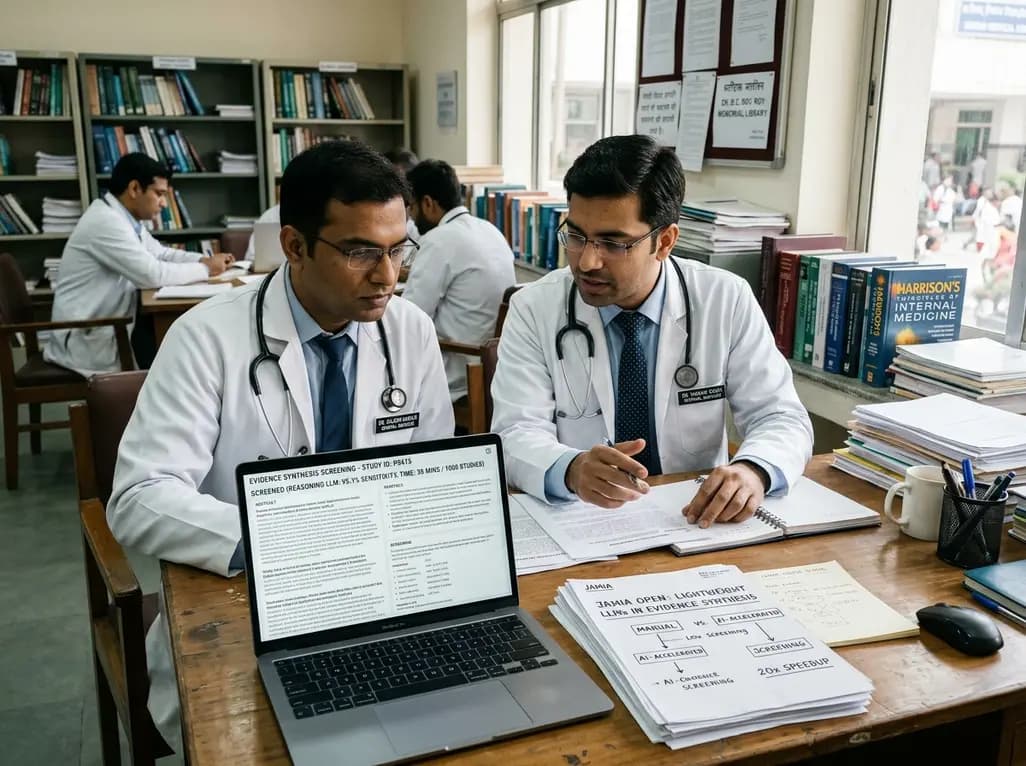
A study in JAMIA Open shows lightweight open-source reasoning LLMs achieve up to 95% sensitivity and accelerate evidence synthesis screening by nearly twentyfold, presenting a cost-effective, scalable AI solution for biomedical research and systematic reviews.
Today
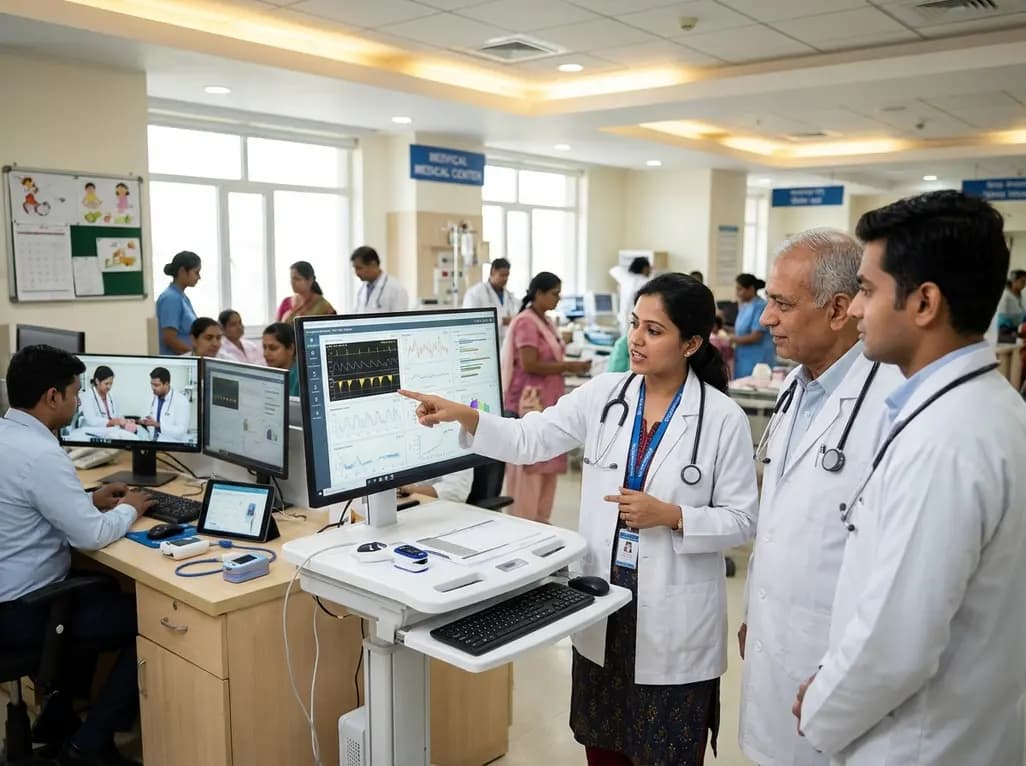
A landmark study details how an enterprise pediatric remote patient management model expanded from a single cardiology pilot to 16 diverse specialty programs by combining centralized digital operations with specialty clinical leadership.
Today

A comparative review of tension band wiring and intramedullary screw fixation in thumb metacarpophalangeal arthrodesis, evaluating union rates, hardware complications, and clinical outcomes.
Today
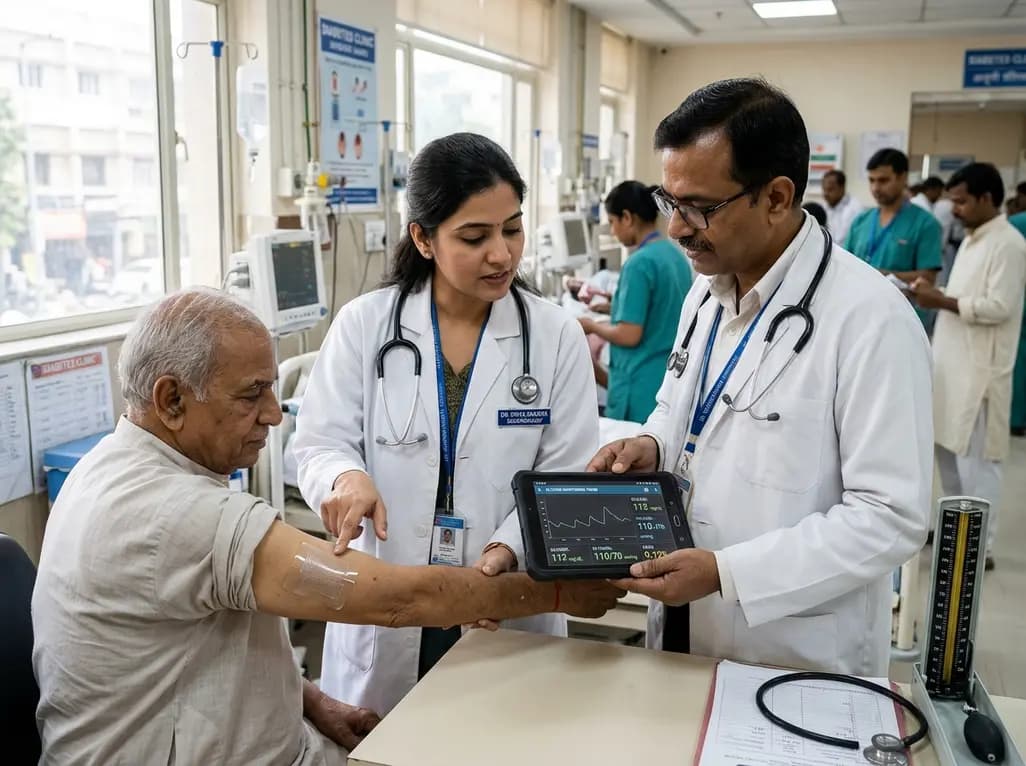
A breakthrough ultrathin multimodal sensor decouples physical hemodynamic monitoring from disposable electrochemical calibration, achieving long-term wearable glucose prediction with 81.36% accuracy and a 9.12% MARD. This offers a robust, drift-free solution for outpatient metabolic surveillance.
Today
