

Loading, please wait...
Loading, please wait...
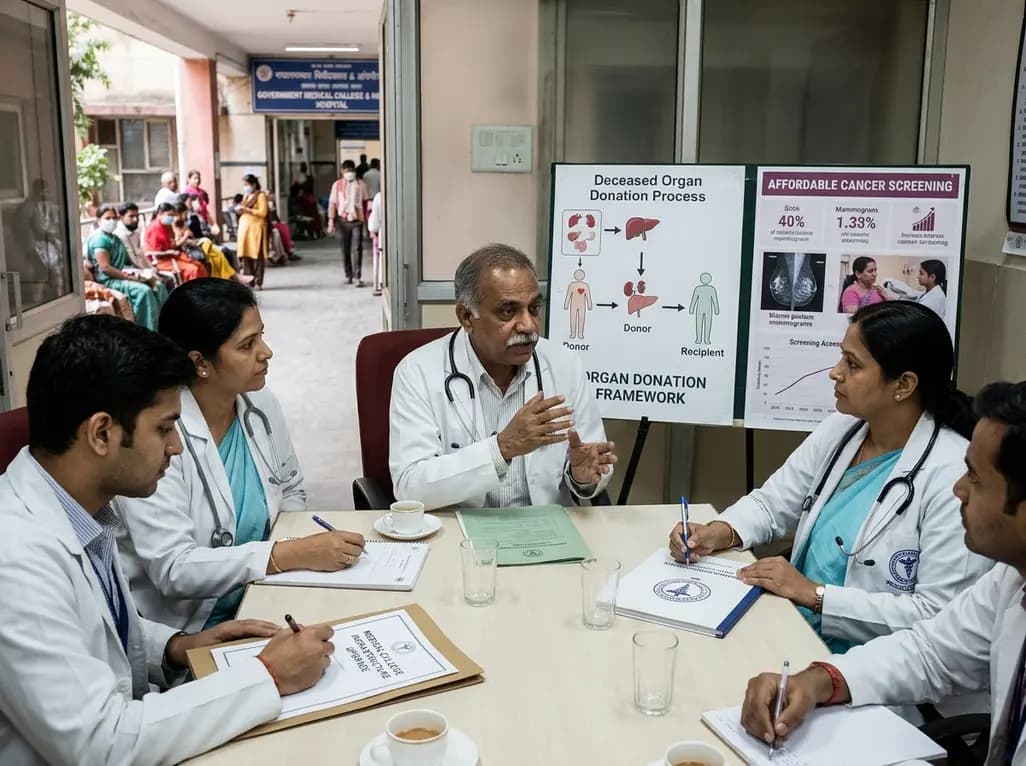
The Department-related Parliamentary Standing Committee on Health and Family Welfare has announced a comprehensive agenda for nationwide healthcare reform. Under senior legislative leadership, lawmakers selected twelve strategic subjects for detailed examination. Consequently, these parliamentary health priorities address urgent clinical challenges across India. Furthermore, this review aligns clinical outcomes with public funding, expanding access for vulnerable populations.
Cancer imposes an immense clinical and financial burden on Indian households. Therefore, the parliamentary committee placed affordable cancer screening, rapid early diagnosis, and evidence-based treatment at the core of its inquiry. Most cancer patients in India present at stage III or stage IV. Consequently, treatment becomes prohibitively expensive, and long-term survival rates decline substantially. The panel will investigate how public institutions deliver cost-effective screening for cervical, oral, and breast malignancies. Additionally, lawmakers plan to evaluate the clinical outcomes of advanced oncological therapies across regional cancer centres. Furthermore, public sector hospitals frequently encounter erratic procurement for essential chemotherapy agents. The committee aims to determine how centralized procurement can reduce out-of-pocket expenses for targeted therapies. In addition, the panel intends to assess public-private partnership models that expand radiotherapy infrastructure into rural districts. Primary care clinicians and community nurses also require structured training to detect early signs of malignancy during routine consultations. Ultimately, early detection lowers treatment expenses and improves five-year survival metrics across diverse socio-economic groups. Through this rigorous evaluation, lawmakers hope to establish standardized protocols that ensure timely clinical diagnosis and equitable cancer therapies nationwide.
Solid organ transplantation remains an indispensable intervention for patients suffering from end-stage organ failure. However, India faces a severe deficit between organ availability and waiting transplant candidates. The parliamentary committee will review the Transplantation of Human Organs and Tissues Act to resolve systemic regulatory challenges. Specifically, lawmakers intend to assess deceased organ donation protocols, organ retrieval logistics, and regional allocation algorithms. In many states, organ retrieval remains restricted to private quaternary healthcare centres. Therefore, public medical institutions rarely participate in cadaveric organ retrieval programmes. Additionally, the committee will evaluate how the National Organ and Tissue Transplant Organisation coordinates regional donor registries. Transparent legislative frameworks must eliminate illicit organ trade while removing unnecessary procedural barriers for living related donors. Moreover, the panel will examine post-transplant immunosuppressive therapy costs, which burden working-class families. Transplant recipients frequently experience graft failure because they cannot afford lifelong maintenance immunosuppressants. Consequently, lawmakers will assess whether government insurance schemes should fund essential immunosuppression and routine graft monitoring. Modernizing these regulations will uphold ethical standards, optimize donor matching, and make life-saving transplantation accessible nationwide.
Chronic liver disease represents an escalating yet neglected health challenge across urban and rural India. Steatohepatitis, alcoholic liver disease, and viral hepatitis generate immense clinical morbidity in young adults. Consequently, the parliamentary panel prioritized the formulation of a dedicated national mission for liver diseases. This strategic initiative will concentrate on early biomarker screening, non-invasive fibrosis detection, and timely therapeutic management. Currently, primary care doctors lack widespread access to transient elastography and serum biomarkers. As a result, patients typically present only after developing decompensated cirrhosis or hepatocellular carcinoma. Furthermore, hepatitis B and hepatitis C continue to circulate due to low screening uptake and inadequate public awareness. The committee will examine how the National Viral Hepatitis Control Program can coordinate with primary health centres. In addition, the mission will evaluate nationwide educational campaigns to reduce hazardous alcohol consumption and prevent metabolic dysfunction. Steatotic liver disease now affects substantial proportions of the population due to rising obesity rates. Therefore, integrating liver assessments into general health packages will detect early hepatic damage before cirrhosis develops. Ultimately, establishing a unified national mission will provide clinicians with diagnostic tools and standardized clinical protocols.
Specialized medical policies cannot achieve their intended goals without robust public health infrastructure. Therefore, lawmakers will review the operational status of peripheral AIIMS institutions, district hospitals, and secondary care units. Several newly operational AIIMS campuses face acute deficits of senior faculty, specialized laboratory technicians, and diagnostic equipment. Consequently, patients must travel to distant metropolitan institutions for tertiary consultations and emergency surgical interventions. The committee will examine incentive packages designed to attract and retain talented clinicians within state-run medical colleges. Moreover, the standing committee will scrutinize medical and dental education standards under relevant statutory authorities. Dental colleges face declining clinical footfalls, underfunded infrastructure, and outdated curricula that require structural reorganization. In addition, allied healthcare training frameworks demand standardized certification to ensure quality clinical delivery nationwide. Lawmakers also plan to inspect global research partnerships that assist domestic institutions in clinical research and therapeutic innovation. Meanwhile, health authorities must balance rigorous accreditation standards with the rapid expansion of undergraduate and postgraduate medical seats. Ultimately, strengthening peripheral medical institutions and academic standards will reduce regional healthcare inequities and foster high-quality clinical training across all Indian states.
Universal health coverage requires resilient primary care delivery and structured financial safety nets. Accordingly, the parliamentary committee will evaluate the execution of Ayushman Bharat, focusing specifically on Ayushman Arogya Mandirs. These primary care clinics serve as essential community hubs for non-communicable disease screening and geriatric healthcare. India faces rapid demographic aging that demands comprehensive outpatient management for multimorbid geriatric patients. Furthermore, the panel will assess the implementation of the National Policy for Rare Diseases, 2021. Families facing rare genetic disorders encounter astronomical financial hurdles for orphan medications and enzyme therapies. Lawmakers will investigate dedicated public funding mechanisms to ensure uninterrupted therapeutic access for rare disease patients. Additionally, the committee will evaluate two vital areas under the Ministry of Ayush. Specifically, the inquiry focuses on the prevention, diagnosis, and management of chronic lifestyle diseases through traditional medicine. AYUSH interventions can complement modern clinical protocols in managing mild hypertension and metabolic syndrome. However, lawmakers emphasize the need for rigorous scientific trials, standardized quality control, and robust pharmacovigilance. Meanwhile, the committee will review strategies to propagate AYUSH therapies in domestic markets. Ultimately, integrating evidence-based traditional systems with modern guidelines creates an equitable healthcare model.
Q1: Why is the parliamentary panel examining affordable cancer screening models in India?
The parliamentary committee prioritizes affordable cancer screening because late diagnoses severely compromise clinical outcomes and deplete family savings. Most oncology patients across rural regions present during advanced stages. Therefore, evaluating low-cost diagnostic interventions helps lawmakers establish standardized community screening protocols. This inquiry will integrate early detection tools into Ayushman Arogya Mandirs, ensuring high-risk individuals receive timely therapies before disease progresses.
Q2: What key legislative and structural reforms are anticipated for organ transplantation?
Lawmakers aim to revise organ transplantation regulations to expand deceased donation networks nationwide. Currently, organ retrieval remains heavily restricted to private metropolitan hospitals. The panel will evaluate standardized brain death protocols, interstate sharing mechanisms, and fair allocation registries. Additionally, the committee intends to recommend public financial support for lifelong immunosuppressive medications, ensuring that vulnerable transplant recipients maintain viable graft function without suffering extreme out-of-pocket impoverishment.
Q3: How could a proposed national mission transform liver disease management in India?
A dedicated national mission would establish an integrated strategy for combating steatohepatitis, viral hepatitis, and cirrhosis. Currently, many liver disorders remain completely undetected until catastrophic clinical decompensation occurs. Through this proposed mission, clinicians will gain access to non-invasive screening technologies and standardized treatment guidelines. Furthermore, the initiative will coordinate robust vaccination drives, public awareness campaigns on alcohol abuse, and specialized training for primary care doctors.
Disclaimer: This content is for informational and educational purposes only. It does not constitute medical advice or replace professional judgment. Refer to the latest local and national guidelines for clinical practice.
References

Read summarized clinical updates, watch expert medical content, and earn CME certifications right from your smartphone.
Open your smartphone camera to scan and install.





The Parliamentary Standing Committee on Health has identified twelve key subjects for national review. Crucial areas include affordable oncology screening, legal frameworks for organ donation, a dedicated national mission for liver disease, and infrastructure upgrades across government medical colleges.
Today

A new study demonstrates how explainable AI guides transparent fall risk prediction models in older adults. By pairing random survival forests and SHAP with Cox regression, researchers achieved superior accuracy and eliminated unneeded variables, enhancing clinical decision-making and patient safety.
Today
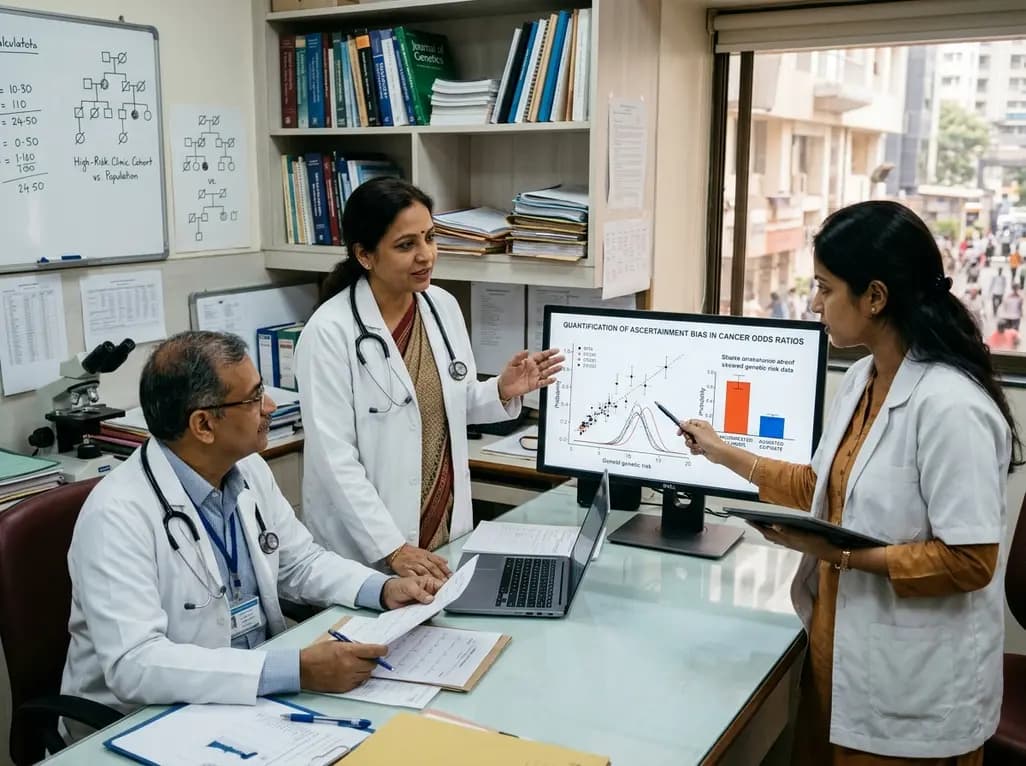
Ascertainment bias in cancer case-control studies inflates odds ratios and penetrance estimates when cases are drawn from high-risk clinics. A landmark modeling study demonstrates substantial bias ranging up to 23.72, highlighting the critical need for ascertainment adjustment in genetic risk counseling.
Today
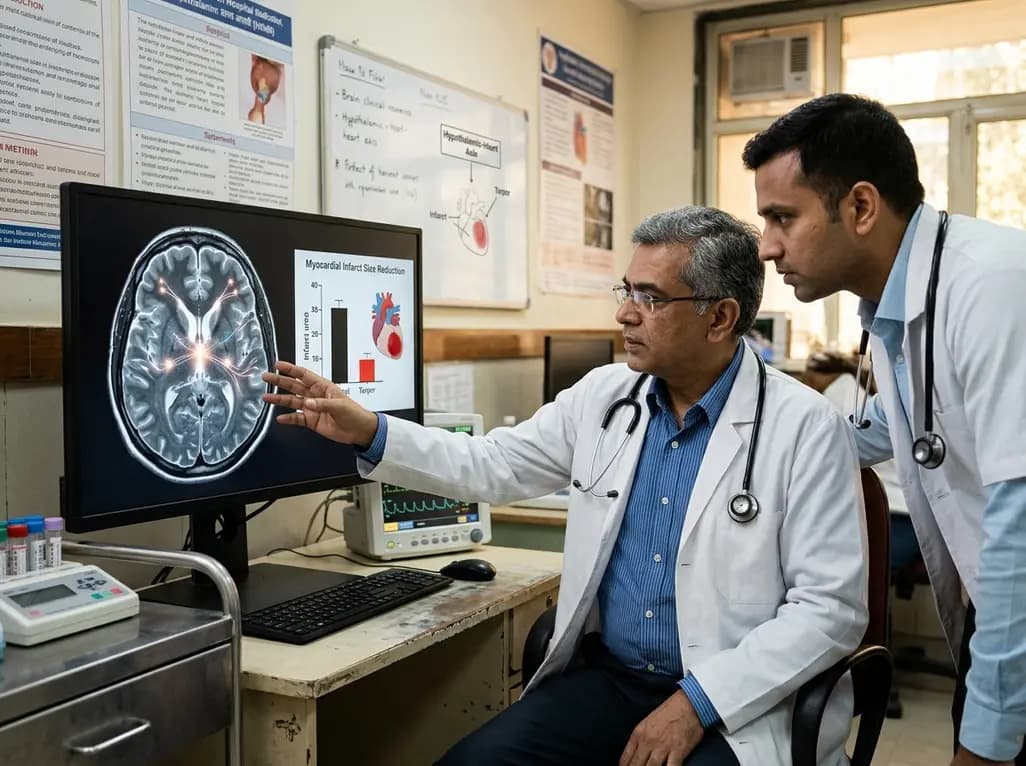
Researchers demonstrate that central induction of synthetic torpor in non-hibernating rats provides striking cardioprotection, reducing myocardial infarct size by ~40% during ischaemia-reperfusion injury through endogenous survival signaling, independent of hypothermia.
Today
A prospective study evaluates DeepSeek for knee osteoarthritis outcomes. While the model excels at baseline diagnosis and clinical scoring, its six-month prognostic predictions fall short of clinicians and simple persistence models, demonstrating high run-to-run variability.
Today
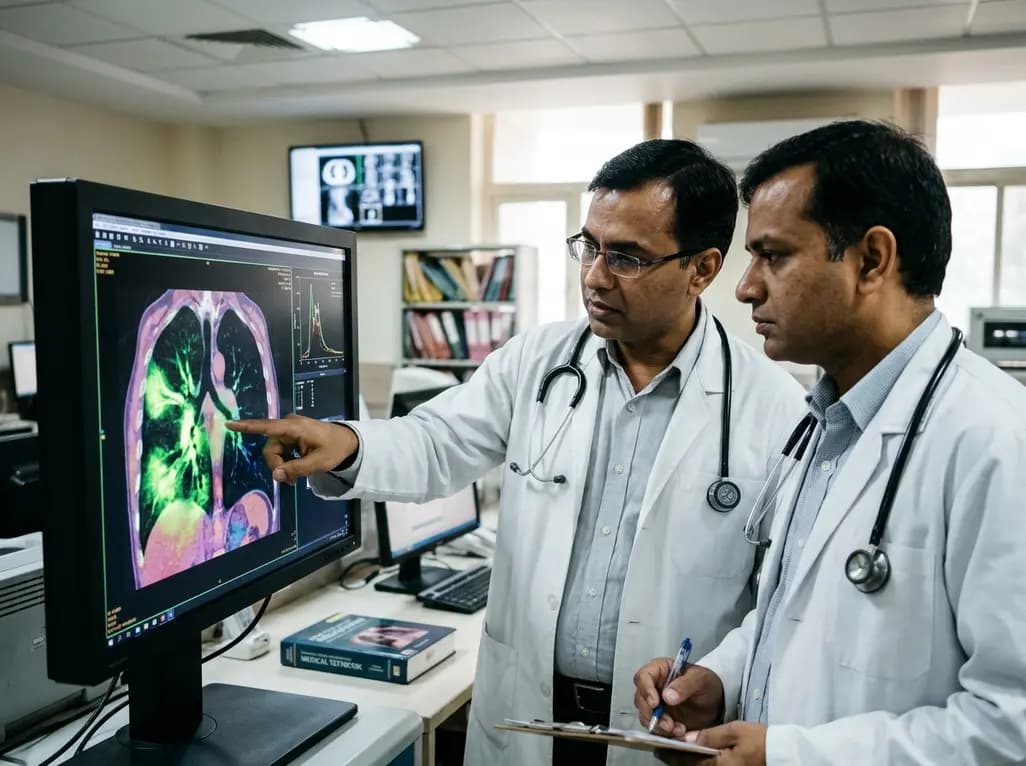
A novel fluorine-functionalized near-infrared copper fluorescent probe selectively illuminates lung tissue, revealing critical links between hyperglycemia, ER stress, and pulmonary malignancy for improved early diagnosis.
Today
