

Loading, please wait...
Loading, please wait...

Neurological conditions represent a major public health challenge worldwide, especially as populations transition demographically. Among neurodegenerative disorders, Parkinson's disease causes profound physical impairment, cognitive decline, and caregiver stress. Recent epidemiological evaluations show a dramatic rise in the Parkinson's disease burden among adults aged 60 and older. Understanding these global shifts helps clinicians optimize long-term disease management and anticipate health system demands.
Between 1990 and 2021, the global impact of Parkinson's disease increased substantially. Total disability-adjusted life years among adults aged 60 and older grew from 2.55 million to 6.80 million. This change represents an overall increase of more than 166% across three decades. Furthermore, the global age-standardized DALY rate rose steadily by 0.31% annually.
Consequently, healthcare systems face unprecedented challenges managing chronic motor impairment and non-motor complications. Joinpoint regression analyses confirm that this upward trajectory persisted without significant plateaus over time. In addition, these rising rates demonstrate that improved clinical surveillance alone cannot explain the surge. Instead, persistent biological vulnerabilities and environmental influences actively compound disease expression. Therefore, medical practitioners must adapt their diagnostic protocols to detect functional impairment early. Proactive therapeutic interventions can preserve physical independence and improve patient quality of life. Furthermore, clinicians must prepare for increased therapeutic complexities as patients survive longer with advanced motor fluctuations.
To determine the precise causes of this rising burden, investigators applied decomposition analysis. Remarkably, global population growth accounted for 81.55% of the total increase in disability-adjusted life years. Population aging contributed an additional 8.74%, while shifting epidemiological patterns contributed 9.71%. Consequently, demographic expansion serves as the primary engine driving global caseloads.
However, clinicians must not overlook the profound biological impact of chronological aging. Although population numbers multiply raw patient counts, advancing age dramatically elevates individual susceptibility. In fact, age-period-cohort modeling reveals that disease risk peaks between ages 85 and 94. Successive birth cohorts also display progressively higher susceptibility to Parkinson's disease. Furthermore, longer survival among elderly patients increases the duration of lived disability. Thus, primary care physicians and geriatricians must coordinate comprehensive care networks to manage multiorgan functional decline.
Epidemiological data reveal a striking and widening disparity between sexes. In 2021, the age-standardized DALY rate among men aged 60 and older reached 861.9 per 100,000. In contrast, the rate for women stood at only 498.9 per 100,000. This stark contrast establishes an impressive male-to-female ratio of 1.73.
Researchers observe several physiological hypotheses that may explain this persistent sexual dimorphism. For example, circulating estrogens provide neuroprotective effects that preserve dopaminergic pathways in females before menopause. Conversely, men frequently encounter higher occupational exposures to neurotoxic pesticides and industrial solvents. Men also exhibit higher rates of microvascular comorbidities that may accelerate neurodegenerative cascades. Additionally, lifestyle patterns, including rates of head trauma and toxic exposures, may further accentuate these persistent disparities. Moreover, projections indicate that this gender gap will widen further over coming decades. Therefore, clinicians should closely monitor elderly male patients for early motor slowing, tremor, and rapid functional impairment.
The burden of Parkinson's disease varies considerably across different socioeconomic landscapes. Regions classified under the high-middle Socio-Demographic Index (SDI) recorded the highest age-standardized DALY rate at 683.7 per 100,000. Conversely, low-SDI areas documented the lowest rate at 612.9 per 100,000. These regional variations reflect complex interactions between diagnostic infrastructure, environmental factors, and healthcare access.
Notably, lower rates in underdeveloped regions often reflect underdiagnosis rather than true biological protection. Many developing nations lack adequate numbers of movement disorder specialists and neuroimaging resources. Consequently, many elderly individuals with parkinsonian symptoms remain uncounted and untreated. Furthermore, rapid industrialization and urbanization in emerging economies increase community exposures to environmental toxins. As developing countries experience rapid economic expansion and demographic aging, their neurodegenerative burden will escalate sharply. Thus, international health organizations must support diagnostic equity and affordable medication delivery globally.
Bayesian age-period-cohort modeling offers valuable insights into the expected trajectory of Parkinson's disease over the next quarter-century. Projections indicate that absolute disability-adjusted life years will surge by an astonishing 104% by 2046. However, researchers project that the global age-standardized rate will decline slightly to 607.3 per 100,000. This apparent paradox highlights the overwhelming force of global demographic expansion.
Consequently, clinical facilities will treat more than double the present number of elderly Parkinson's disease patients. Furthermore, predictive models suggest that gender disparities will become even more pronounced during this timeframe. Healthcare planners must therefore anticipate massive surges in demand for specialized neurological rehabilitation, nursing support, and palliative services. Because pharmaceutical therapies manage symptoms without halting disease progression, escalating patient volume will strain existing healthcare budgets. Accordingly, medical systems must prioritize preventative strategies and efficient community-based care pathways.
These epidemiological revelations demand an urgent reorientation of clinical neurology and primary care workflows. Physicians must maintain high suspicion for early parkinsonian signs among elderly men. Specifically, clinicians should screen for non-motor symptoms such as REM sleep behavior disorder, severe constipation, and anosmia. These early non-motor manifestations frequently precede overt resting tremor and bradykinesia by several years.
Additionally, modern multidisciplinary care models deliver the best clinical outcomes for advanced neurodegenerative disease. Coordinated collaboration among neurologists, physiotherapists, speech therapists, and geriatric specialists significantly reduces fall injuries and aspiration pneumonia. In developing healthcare environments, establishing standardized clinical training for general practitioners can bridge the diagnostic gap. Furthermore, health policymakers must secure reliable access to essential dopaminergic medications, including levodopa formulations. Ultimately, proactive management during earlier disease stages significantly delays severe institutionalization and reduces end-of-life complications. Through proactive screening, interdisciplinary clinical support, and equitable resource allocation, clinicians can mitigate this burgeoning global health challenge.
The rising burden stems primarily from global demographic expansion and increasing life expectancy. Because Parkinson's disease risk peaks between ages 85 and 94, unprecedented growth in older populations multiplies absolute caseloads. While age-standardized rates rose modestly, the sheer number of surviving elderly individuals drives escalating disability-adjusted life years across clinical health systems.
Epidemiological data consistently demonstrate significant male predominance, with male disability rates exceeding female rates by over seventy percent. Biological mechanisms, including neuroprotective effects of circulating estrogens in females and differing occupational or environmental toxicant exposures in males, likely contribute to this sustained divergence. Consequently, clinicians encounter substantially higher morbidity among aging men.
Bayesian predictive models project that global absolute disability-adjusted life years will surge by more than one hundred percent by 2046. Although age-standardized rates may plateau or slightly decline, demographic aging will dramatically compound total patient numbers. Therefore, healthcare infrastructure, neurological services, and community care resources must expand to meet demand.
Disclaimer: This content is for informational and educational purposes only. It is not intended to substitute for professional medical advice, diagnosis, or treatment. Always seek the advice of your physician or another qualified healthcare provider with any questions you may have regarding a medical condition. Refer to the latest local and national guidelines for clinical practice.
References

Read summarized clinical updates, watch expert medical content, and earn CME certifications right from your smartphone.
Open your smartphone camera to scan and install.





A comprehensive Global Burden of Disease study reveals that global Parkinson's disease DALYs in adults aged ≥60 more than doubled between 1990 and 2021. Driven primarily by population growth and aging, disability rates highlight widening male disparities and underscore urgent healthcare planning through 2046.
Today

A qualitative study investigates whether traditional bedside clinical examinations still mirror contemporary physician practice. Findings support retaining long cases while reforming short cases toward hypothesis-driven assessments.
Today
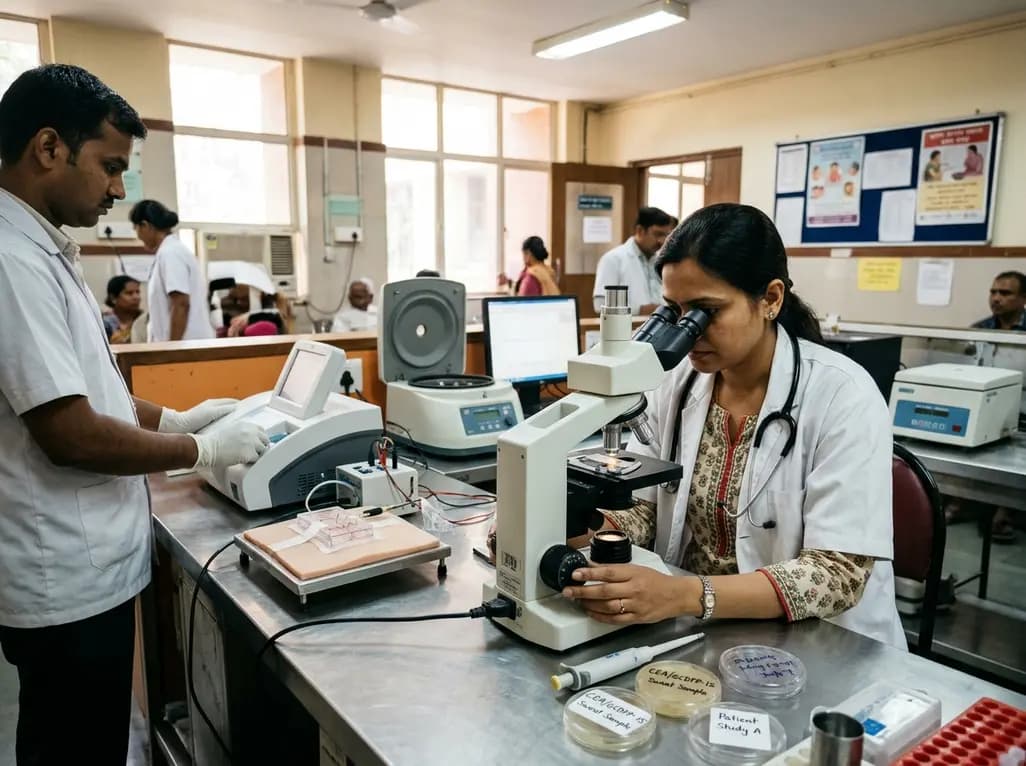
A pilot study evaluated WearDOXXN, a capillary microfluidic sweat patch, for noninvasive breast cancer monitoring by comparing sweat and serum CEA and PIP/GCDFP-15 levels.
Yesterday

India faces a massive diabetes burden with over 89 million adults affected. Managing blood sugar in isolation fails to prevent severe cardiorenal complications. Clinicians must adopt an integrated metabolic ecosystem that prioritizes early detection, multifactorial risk assessment, and personalized therapies.
Yesterday
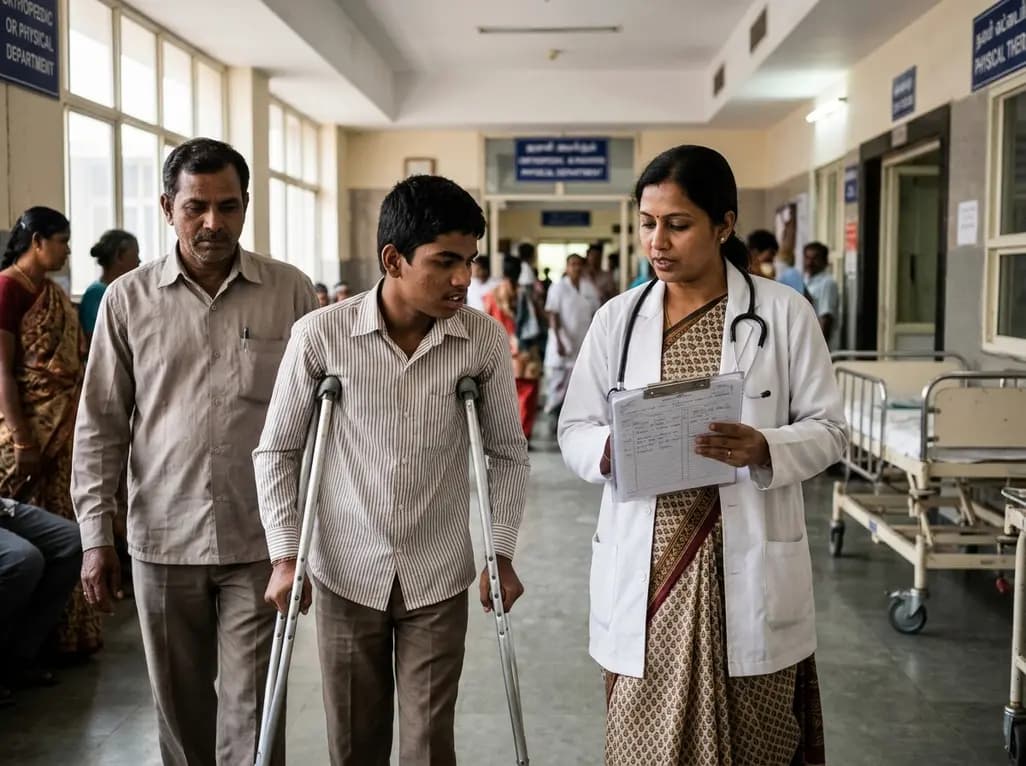
The Gross Motor Function Classification System (GMFCS) stops its validated age bands at 18. Recent evidence emphasizes that evaluating adult cerebral palsy requires purpose-sensitive documentation combining adolescent ratings with dynamic profiles of mobility, fatigue, pain, and community participation.
Yesterday

A breakthrough 3D-printed piezoelectric collagen hydrogel activated by ultrasound accelerates diabetic wound repair, demonstrating 98.5% wound closure, robust antibacterial action, and enhanced vascularization without toxic chemical crosslinkers.
Today
