.webp&w=384&q=75)

Loading, please wait...
Loading, please wait...
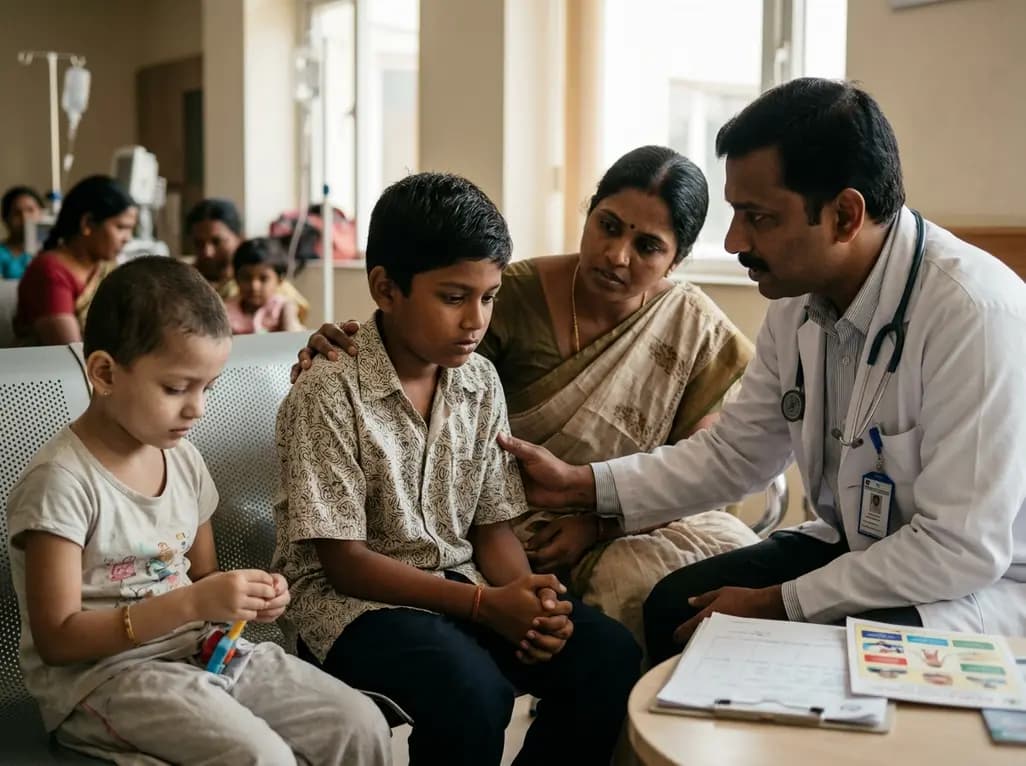
Allogeneic hematopoietic stem cell transplantation serves as a curative intervention for numerous life-threatening pediatric hematologic disorders. However, the reliance on minor sibling donors introduces profound ethical challenges into everyday clinical practice. In these complex scenarios, paediatric stem cell donors undergo invasive medical procedures primarily to benefit another family member. Because clinical teams and families understandably focus on the recipient's survival, the psychological vulnerabilities and ethical needs of the child donor often receive secondary consideration. Recent qualitative evidence highlights how minor donors frequently experience a suspended will, wherein personal autonomy yields to familial urgency. Consequently, healthcare providers must examine this experience to strengthen ethical safeguards and holistic support for healthy donor siblings.
Transplant physicians frequently choose biological siblings because human leukocyte antigen compatibility significantly reduces graft failure and fatal complications. Nevertheless, pediatric donation conflicts sharply with traditional biomedical ethics, which mandates that invasive interventions must directly benefit the patient receiving them. Minor donors assume distinct physical burdens, discomfort, and anesthesia risks without any personal therapeutic gain. Furthermore, intricate family dynamics deeply complicate voluntary participation. When a child faces life-threatening malignancy or severe aplastic anemia, parents endure overwhelming emotional turmoil. Therefore, parents may unintentionally pressure the healthy sibling to comply with donor evaluations and tissue testing. In many clinical environments, teams handle informed assent as an administrative hurdle rather than an ongoing conversation. Consequently, the donor's personal perspective can easily disappear behind urgent recipient-oriented clinical priorities. Bioethicists emphasize that minor donors require proactive protective structures rather than passive assumptions of altruism. Clinicians must recognize child donors as distinct individuals possessing independent psychological needs and ethical rights.
During pre-transplant screening and tissue matching, children experience restricted autonomy and incomplete procedural comprehension. Although regulatory guidelines stipulate parental permission alongside pediatric assent, minor donors often feel they possess no practical alternative. In phenomenological studies, children report feelings of powerlessness, agreeing to participate primarily out of profound affection and familial obligation. Moreover, healthcare teams often communicate risks using complex clinical terms that children cannot easily process. As a result, fear of needles, surgery, and strange hospital routines escalates without adequate psychological reassurance. Children frequently assume that voicing hesitation signifies a lack of devotion to their sick sibling. Additionally, adult caregivers sometimes withhold detailed explanations regarding pain or recovery duration to prevent childhood resistance. Therefore, informed assent must transcend transactional paperwork to become an iterative, developmentally appropriate conversation. Clinicians must actively verify cognitive comprehension, encourage candid discussions, and reassure children that their emotions receive genuine validation.
The mobilization and apheresis phases introduce substantial physical and psychological distress for pediatric donors. Specifically, administering granulocyte colony-stimulating factor routinely provokes skeletal pain, severe headaches, nausea, and pervasive fatigue. However, child donors regularly hide physical complaints because they witness the acute suffering of their recipient brother or sister. Furthermore, small peripheral vessels often require placement of a central venous catheter, which heightens bodily anxiety. During peripheral blood stem cell apheresis, prolonged bed rest in high-acuity suites induces claustrophobia and acute sensory overstimulation. Meanwhile, typical household routines fracture under the immense strain of the recipient's hospitalization. Parents naturally direct their emotional attention and time toward the critical care unit. Consequently, healthy donors experience painful loneliness and unintentional relational neglect. Fortunately, sensitive nursing staff and designated pediatric liaisons can alleviate this relationally mediated distress through proactive bedside engagement. Using purposeful distraction therapies, acknowledging somatic distress, and providing constant emotional presence substantially mitigate the child's procedural trauma.
After concluding the donation, pediatric donors enter a complex developmental phase of psychological meaning reconstruction. Most young donors feel pride and emotional maturity following their contribution to saving a sibling's life. Nevertheless, emotional vulnerability persists throughout the post-collection recovery window. If the recipient experiences graft failure, life-threatening infection, or disease recurrence, the donor child often shoulders profound, irrational guilt. Children commonly internalize unwarranted beliefs that their harvested cells failed their sibling. Furthermore, clinical teams often withdraw attention rapidly after obtaining the graft, creating sudden emotional abandonment. While families focus intently on managing recipient complications, the donor child must promptly resume standard school routines. Additionally, healthy siblings may battle silent resentment regarding persistent parental preoccupation with the sick child. Therefore, comprehensive transplant services must incorporate structured psychological follow-up for all minor donors. Dedicated child psychologists should assess donor adjustment through supportive debriefing sessions. Ultimately, proactive narrative exploration enables children to process donation experiences constructively and build healthy resilience.
Pediatric bioethics must advance beyond rigid procedural safeguards toward relational frameworks that view children as capable moral agents. Clinical teams should never treat minor assent as a passive administrative task. Instead, transplant centers must mandate independent donor advocates for every minor undergoing stem cell collection. An independent advocate works solely for the child donor, evaluating emotional readiness and ensuring true voluntariness without conflicting loyalty to recipient outcomes. Furthermore, clinical nursing teams play a pivotal role in bridging communication between child donors, families, and primary physicians. Nurses identify nonverbal distress, advocate for proactive analgesia, and explain procedures using interactive, age-appropriate educational materials. Additionally, hospitals should integrate dedicated child life specialists to facilitate medical play, creative storytelling, and guided emotional debriefings. By operationalizing relational ethics, healthcare institutions establish a supportive clinical environment that genuinely respects child dignity. Ultimately, protecting the holistic welfare of pediatric donors guarantees that lifesaving medical innovations preserve fundamental ethical standards.
Clinicians ensure authentic assent by engaging pediatric donors through continuous, age-appropriate educational dialogues rather than single signature events. Healthcare teams should explain procedures clearly using interactive tools, books, and medical models. Furthermore, providers must assess the child's developmental understanding, invite honest inquiries, and explore underlying anxieties. Most importantly, clinicians should explicitly inform minors that their preferences matter and provide separate private spaces where children can express reluctance freely without familial pressure.
Minor donors frequently encounter emotional vulnerability, guilt, and displacement following stem cell collection. If the recipient experiences graft failure, severe complications, or relapse, the healthy donor may mistakenly assume personal blame for the unfavorable outcome. Additionally, the sudden withdrawal of clinical attention, combined with ongoing parental preoccupation with the sick recipient, often triggers intense feelings of loneliness and neglect. Consequently, routine psychiatric screening and long-term counseling remain essential to support healthy emotional adaptation.
An independent donor advocate serves as an impartial protector dedicated exclusively to safeguarding the child donor's physical, emotional, and developmental interests. Because attending transplant physicians and distressed parents naturally focus on saving the recipient's life, critical conflicts of interest frequently arise. Therefore, an advocate operating independently from the recipient's clinical team evaluates donor comprehension, ensures voluntary participation, promotes adequate pain control, and possesses explicit authority to pause procedures if ethical standards are compromised.
Disclaimer: This content is for informational and educational purposes only. It should not be used as a substitute for professional medical advice, diagnosis, or treatment. Always seek the advice of your physician or other qualified healthcare provider with any questions you may have regarding a medical condition or treatment. Refer to the latest local and national guidelines for clinical practice.
References

Read summarized clinical updates, watch expert medical content, and earn CME certifications right from your smartphone.
Open your smartphone camera to scan and install.





Allogeneic stem cell transplantation relies heavily on pediatric sibling donors, presenting complex bioethical questions around autonomy and assent. This analysis explores minor donors' emotional trajectories, constrained will, and relational distress, highlighting the clinical necessity of independent donor advocacy.
Today

A recent preclinical study reveals that regulatory T cell therapy effectively cures chronic dermatitis but shows limited efficacy in chronic arthritis, driven by distinct tissue microenvironments and molecular pathway responses.
Today
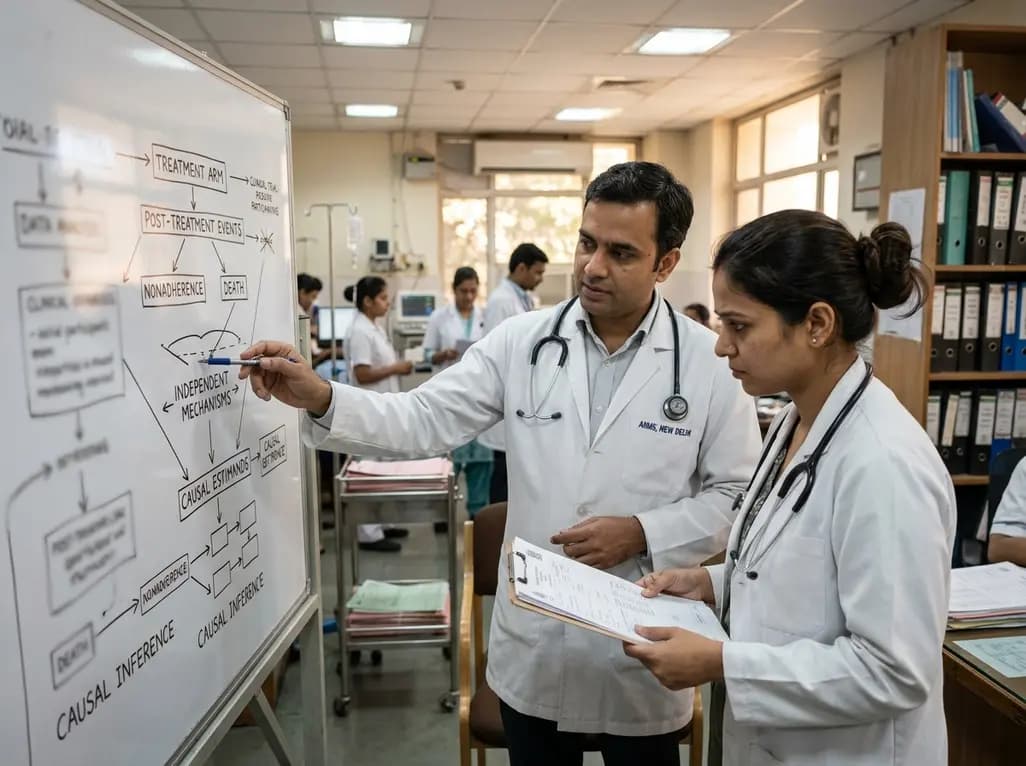
Evaluating clinical trials often faces complications from post-treatment events such as nonadherence and death. A groundbreaking methodological framework demonstrates that when independent mechanisms generate these events, causal estimands can be identified without adjusting for unmeasured confounders.
Today
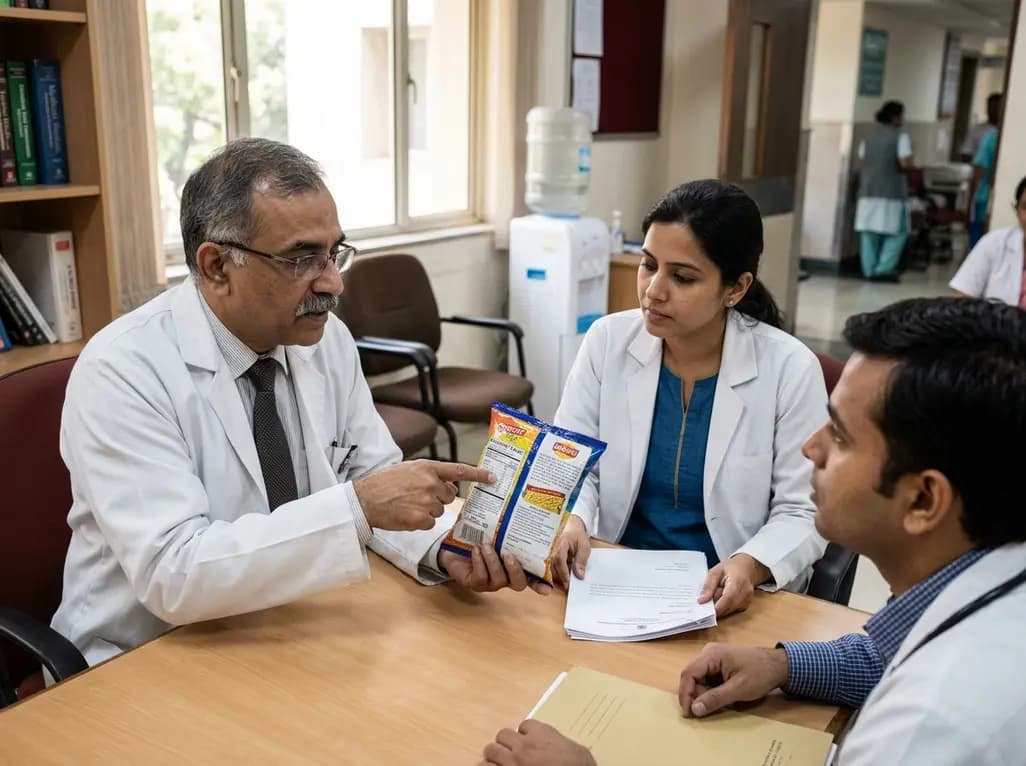
The Supreme Court has reserved its judgment on FSSAI's proposed front-of-pack nutritional warning labels for packaged foods. With debates over compliance timelines, added versus total sugars, and ultra-processed food definitions, this landmark decision carries profound public health implications for India.
Today

DOORS-GHF is a newly validated operative risk scoring system for geriatric hip fracture patients. Outperforming legacy tools like P-POSSUM, it accurately predicts 30-day postoperative complications and mortality, enhancing perioperative triage, clinical decision-making, and individualized orthogeriatric care.
Today
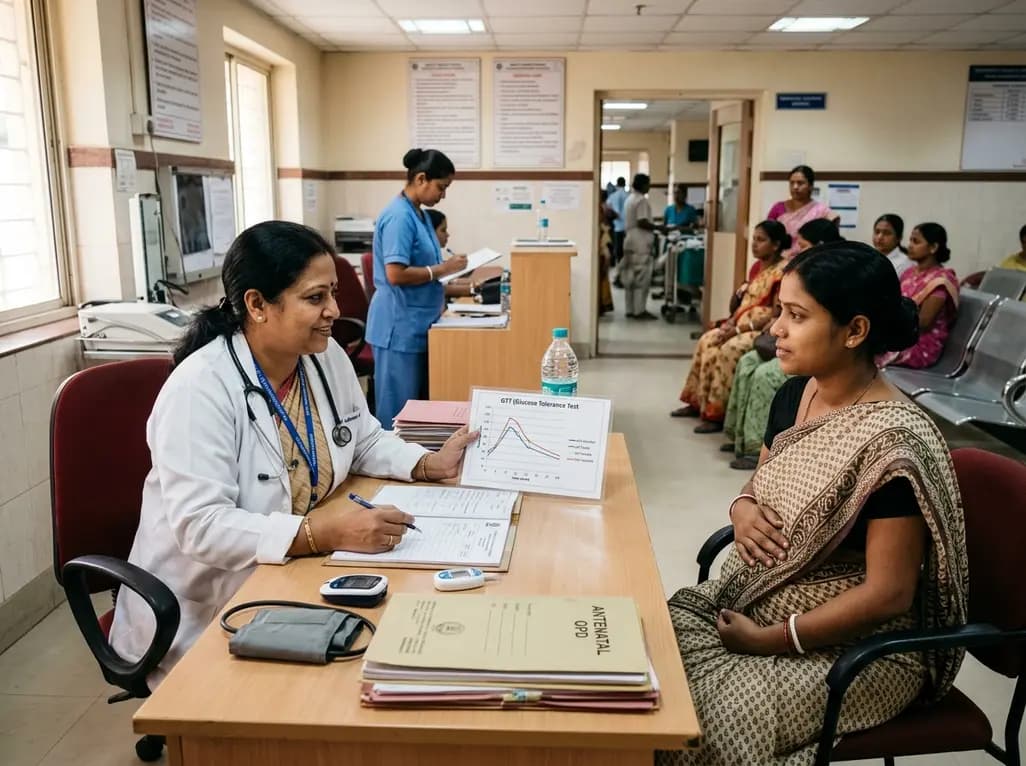
A comprehensive scoping review reveals a 23.24% prevalence of gestational diabetes mellitus in Vietnam alongside heightened risks in diaspora communities, underscoring urgent needs for standardized screening and culturally tailored metabolic interventions.
Today
