.webp&w=384&q=75)

Loading, please wait...
Loading, please wait...
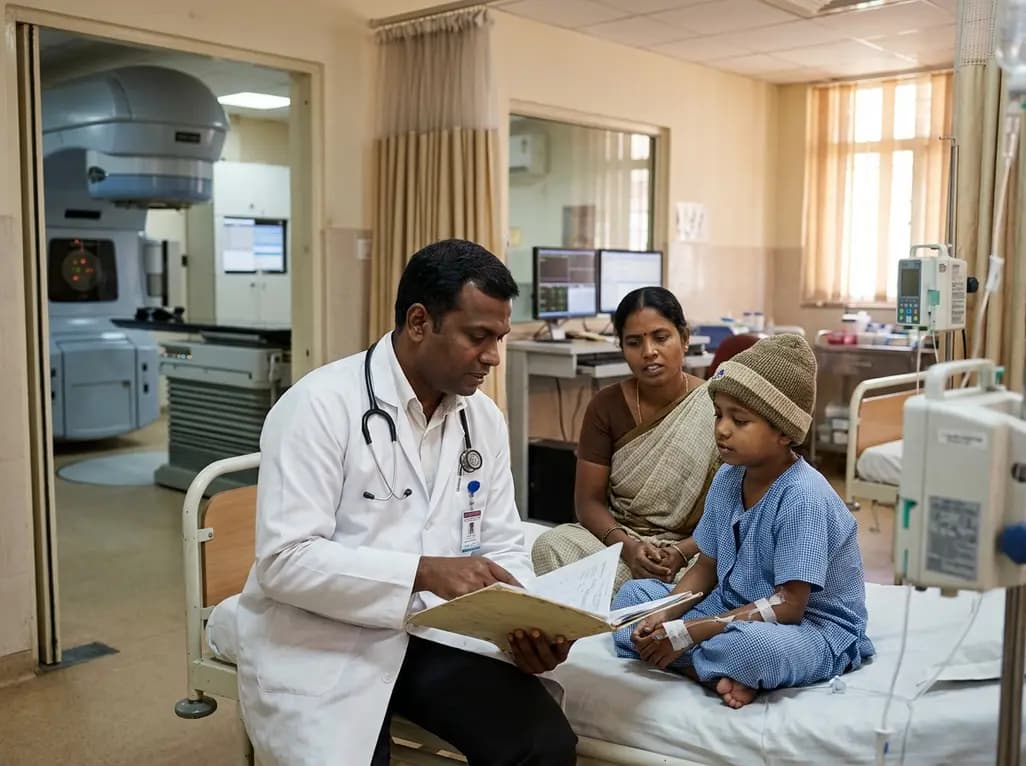
Modern paediatric oncology requires seamless multidisciplinary coordination to achieve curative outcomes while minimising long-term treatment sequelae. Consequently, addressing deep paediatric cancer care disparities remains an urgent priority for the international medical community. A comprehensive global survey spearheaded by the International Atomic Energy Agency evaluates worldwide progress over the past ten years. While fundamental clinical infrastructure has improved globally, significant technological and operational chasms persist. Healthcare professionals must understand these global patterns to build equitable treatment pathways for all paediatric patients.
The newly published IAEA study analysed data from forty-seven Member States across varied economic tiers. Researchers distributed a detailed 121-question survey evaluating radiation oncology capacity, diagnostic imaging, nutritional support, and staffing. Positively, the study observed meaningful progress in baseline institutional services. Most surveyed hospitals now offer dedicated paediatric oncology units, paediatric anaesthesia, and standard diagnostic radiology regardless of national income. This baseline expansion demonstrates that international advocacy and governmental commitments have yielded measurable structural benefits over the past decade. However, significant inequities still divide high-income countries from low- and middle-income nations. Although basic departments exist, their operational depth differs dramatically. In high-income countries, comprehensive supportive networks ensure holistic patient care throughout protracted treatment regimens. In contrast, hospitals in low-income regions struggle with severe supply shortages and prolonged waiting lists. Consequently, children in resource-constrained environments frequently experience therapy interruptions. These disruptions directly compromise cure rates and exacerbate treatment toxicity. Therefore, the global oncology community must move beyond establishing basic units to ensuring functional equity across all clinical domains.
Modern paediatric radiotherapy demands advanced technology to spare delicate normal tissues in growing children. Clinicians utilize intensity-modulated radiotherapy and volumetric arc therapies to deliver conformal doses safely. Unfortunately, the IAEA survey revealed pronounced global technological imbalances favoring high-income health systems. Advanced linear accelerators equipped with volumetric image guidance remain concentrated within wealthy nations. Meanwhile, many centres in developing countries continue to rely on obsolete telecobalt units or basic machines lacking modern beam-shaping capabilities. Furthermore, diagnostic imaging exhibits equally distressing disparities across participating Member States. Most surveyed institutions possess computed tomography scanners for routine simulation. Nevertheless, access to advanced modalities remains severely restricted in low-resource environments. Specifically, nuclear medicine, positron emission tomography, interventional radiology, and dedicated magnetic resonance imaging remain scarce. These technological deficits prevent accurate tumour staging and precise target volume contouring. As a result, radiation oncologists must often apply wider clinical target margins. This unfortunate clinical compromise exposes normal tissues to excessive radiation and raises the risk of late secondary malignancies.
Sophisticated radiation hardware cannot improve patient outcomes without qualified, specialised healthcare professionals. Interestingly, the IAEA investigation identified a consistent medical physicist presence across all national income categories. However, operational access to their specialized expertise for paediatric cases remains severely restricted in developing countries. Radiation physicists in underfunded hospitals often carry crushing clinical workloads dominated by adult cancer patients. Consequently, they cannot dedicate sufficient time to complex paediatric treatment planning and time-consuming quality assurance protocols. Paediatric cases require customized immobilization devices, meticulous organ-at-risk contouring, and strict machine verification. Moreover, many low-income jurisdictions lack formal training pathways for paediatric radiation oncology and specialized medical physics. Anaesthesiologists and sedation nurses also face severe shortages in these facilities. Very young children require general anaesthesia or deep sedation to remain immobile during daily radiotherapy fractions. When anaesthesia teams are unavailable, clinics experience catastrophic treatment delays. Therefore, international aid initiatives must prioritize targeted clinical fellowships and technical workforce training alongside hardware donations.
Successful management of childhood cancer hinges upon integrated multidisciplinary care and robust supportive infrastructure. High-income centres routinely conduct multidisciplinary tumour boards where oncologists, surgeons, radiologists, and pathologists deliberate on each clinical case. In contrast, resource-limited centres often lack institutionalised tumour boards, leading to fragmented clinical decisions. Furthermore, comprehensive quality assurance practices face persistent obstacles across lower-income regions. Without routine dosimetry audits and strict machine calibrations, subclinical delivery errors can accumulate over time. In addition, ancillary support services remain critically underdeveloped in low-income hospitals. Cancer therapies induce substantial physical and emotional strain on young patients and their caregivers. Specifically, severe malnutrition impairs chemotherapy and radiotherapy tolerance, predisposing vulnerable children to life-threatening infections and treatment interruptions. Psychosocial support, nutritional counseling, and travel subsidies are often absent in underfunded settings. Consequently, impoverished families frequently abandon curative treatment due to financial and logistical exhaustion. Thus, cancer programs must invest comprehensively in social support, nutritional rehabilitation, and quality assurance to preserve clinical gains.
The findings of the IAEA survey hold profound implications for the Indian healthcare landscape. India bears an enormous childhood cancer burden, with over fifty thousand incident cases diagnosed each year. Premier tertiary centres like Tata Memorial Hospital deliver world-class radiation oncology using advanced linear accelerators. However, sharp regional disparities divide metropolitan cancer institutes from rural and semi-urban facilities. Patients in tier-two and tier-three cities often travel extensive distances to access modern radiotherapy centres. This geographic centralization creates overwhelming patient backlogs, elevates out-of-pocket costs, and triggers tragic treatment abandonment. To resolve these challenges, Indian healthcare authorities must decentralise paediatric radiotherapy infrastructure across regional cancer centres. In addition, institutions should leverage the National Cancer Grid to establish virtual tumour boards and remote contouring reviews. By connecting peripheral radiation oncologists with academic experts, digital platforms elevate clinical decision-making nationwide. Furthermore, training programs must introduce mandatory pediatric rotations for radiation oncology postgraduates and medical physicists. Providing subsidized family housing and nutritional support will also ensure vulnerable children complete curative radiotherapy protocols successfully.
The World Health Organization Global Initiative for Childhood Cancer targets a sixty percent survival rate globally by 2030. Achieving this vital benchmark is impossible without dismantling persistent inequities in radiation medicine. Radiotherapy represents an indispensable curative modality for over one-third of all paediatric cancer patients. It provides vital local control in central nervous system tumours, neuroblastomas, and sarcomas. When health systems lack radiation capacity, overall paediatric cure rates decline precipitously. Therefore, international organisations, national governments, and professional societies must implement strategic, coordinated solutions. First, global consortia must facilitate affordable procurement of rugged linear accelerators engineered specifically for challenging environments. Second, academic twinning initiatives between established international centres and low-resource units must expand systematically. These partnerships provide continuous clinical mentorship, independent dosimetry verification, and peer plan reviews. Third, national health systems must integrate childhood cancer registries to track outcomes and identify local resource bottlenecks accurately. Ultimately, bridging global radiotherapy disparities is not merely a technical objective, but a profound moral imperative for healthcare leaders worldwide.
Paediatric malignancies require advanced radiotherapy modalities like intensity-modulated radiotherapy and volumetric modulated arc therapy because growing pediatric tissues are exceptionally radiosensitive. Conventional techniques employ broad fields that injure normal organs, causing severe late toxicities like cognitive impairment and secondary cancers. Conformal modalities sculpt radiation precisely around complex tumour geometries. Consequently, they maximize curative tumoricidal doses while sparing critical organs, preserving vital physical and intellectual development in young cancer survivors.
Resource disparities increase treatment toxicity because underfunded centres frequently utilize older telecobalt units or linear accelerators lacking volumetric verification. Without three-dimensional image guidance or specialized immobilization devices, clinicians must enlarge clinical target margins to avoid missing tumours. Consequently, adjacent healthy organs absorb excessive radiation doses, triggering acute toxicities and permanent developmental deficits. Furthermore, inconsistent quality assurance and irregular calibration audits substantially elevate the risk of accidental radiation dosing errors.
Resource-constrained centres can improve clinical outcomes immediately by adopting standardised national protocols and establishing mandatory multidisciplinary tumour boards for every paediatric patient. Furthermore, developing bilateral twinning partnerships with established tertiary institutions enables digital peer review of contouring and treatment plans at minimal expense. In addition, clinics must introduce reliable immobilization devices, enforce dedicated sedation schedules, and provide structured nutritional support. These practical measures directly prevent treatment interruptions and reduce therapy abandonment.
Disclaimer: This content is for informational and educational purposes only... Refer to the latest local and national guidelines for clinical practice.
References

Read summarized clinical updates, watch expert medical content, and earn CME certifications right from your smartphone.
Open your smartphone camera to scan and install.





An updated IAEA survey tracking a decade of paediatric cancer care highlights critical global disparities in radiotherapy, linear accelerators, medical physics, and advanced diagnostic imaging, providing essential guidance for clinical oncology systems in India and other developing nations.
4 weeks back
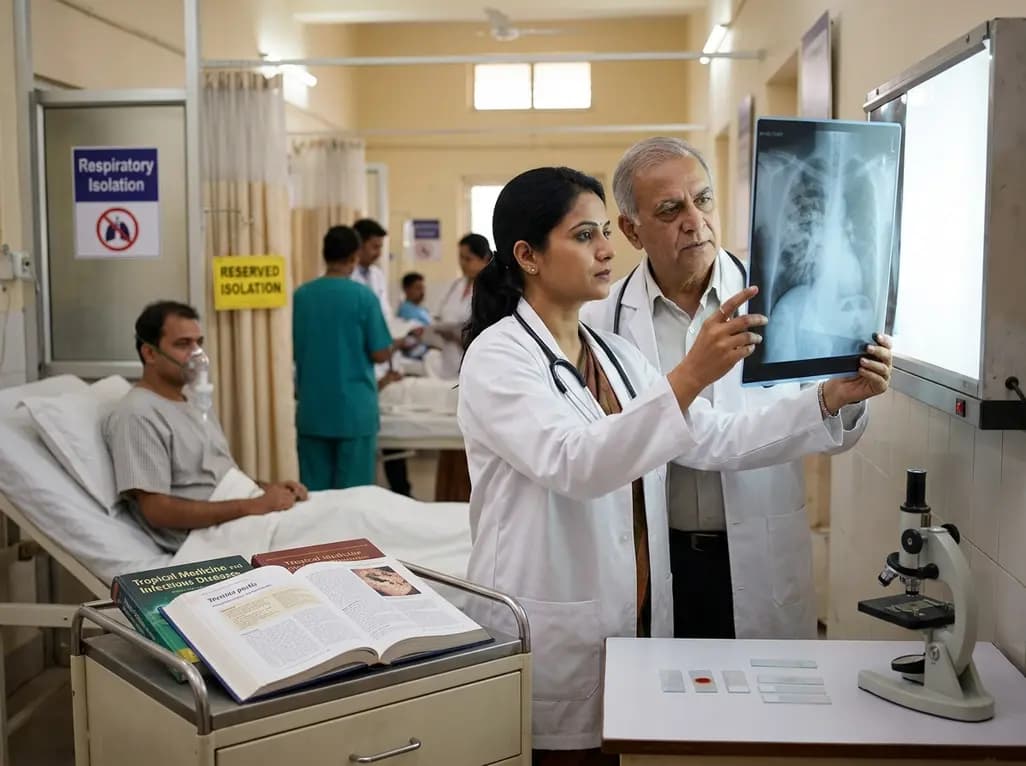
A laboratory technician's death in Siberia from an unverified respiratory pathogen has renewed global vigilance for pneumonic plague. Clinicians must recognize early presentations of Yersinia pestis, enforce immediate respiratory isolation, and start early bactericidal therapy to prevent severe secondary spread.
Today
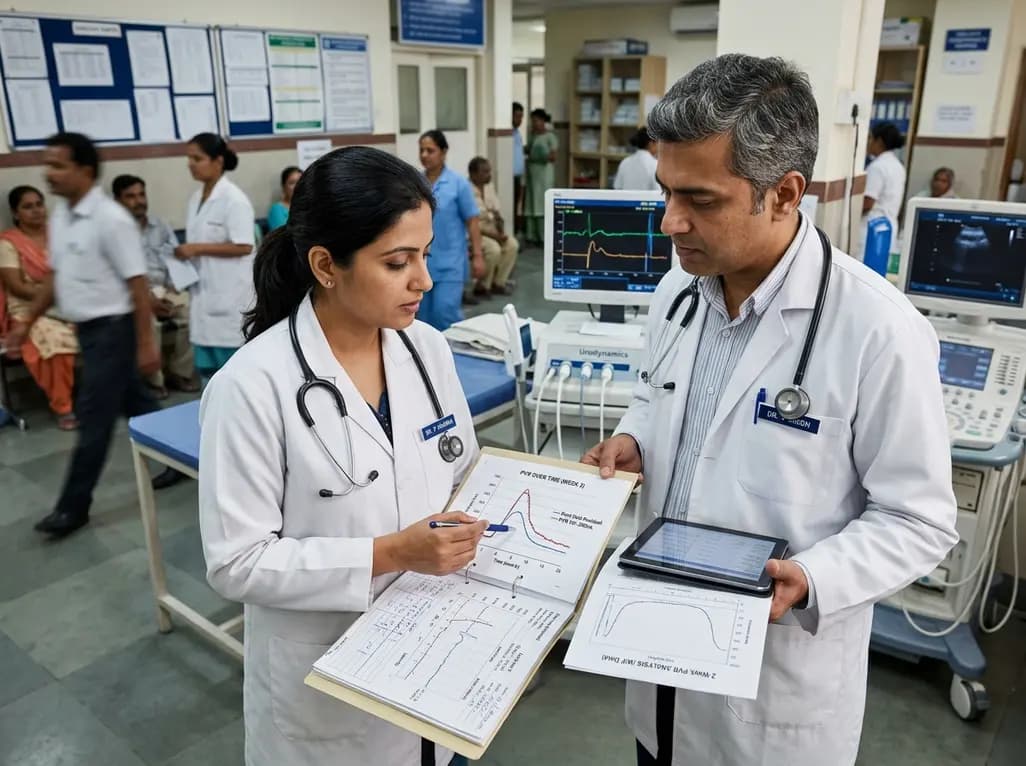
A retrospective study of 824 patients undergoing over 2,200 intradetrusor onabotulinumtoxinA injections identifies sex- and etiology-specific predictors of 2-week post-void residual, highlighting the influence of baseline residual volumes, toxin dosage, and distinct urodynamic parameters on urinary retention risk.
Today
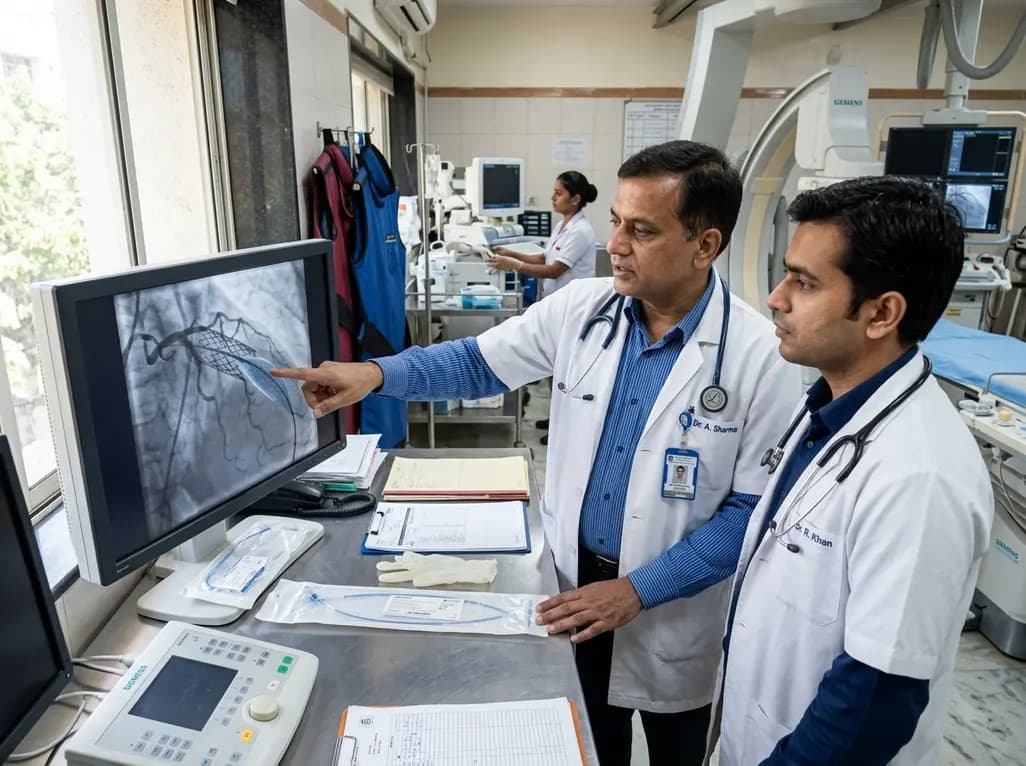
The US FDA has granted approval to the SELUTION SLR drug-eluting balloon for treating coronary in-stent restenosis. This milestone introduces a sustained-release sirolimus platform that eliminates the need for additional permanent metallic stents while maintaining robust vascular healing and luminal patency.
Today
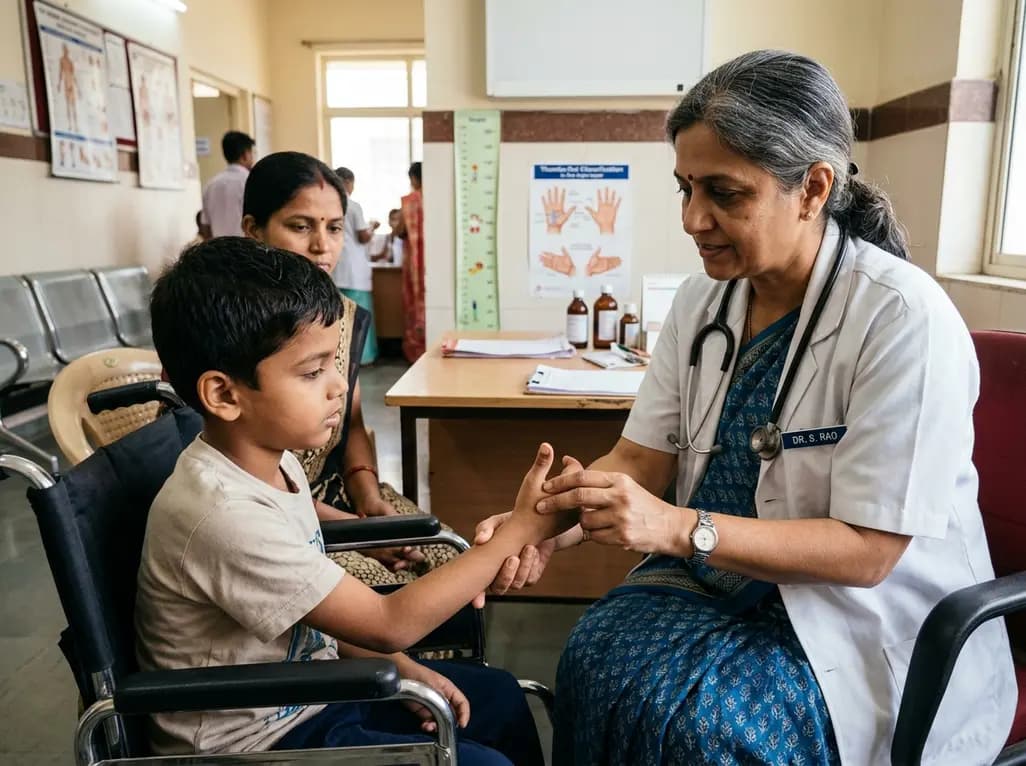
The Thumbs-Out Classification (TOC) is a reliable screening tool for detecting thumb-in-palm deformity in children with cerebral palsy. Utilizing traffic-light tiers for radial abduction, TOC enables clinicians to monitor upper limb function and initiate timely therapeutic or surgical interventions.
Today
A comprehensive review analyzes periconceptional GLP-1 receptor agonist exposure, revealing reassuring data on congenital anomalies and adverse perinatal outcomes while emphasizing the need for cautious patient counseling.
Today
