.webp&w=384&q=75)

Loading, please wait...
Loading, please wait...

Anterior cervical discectomy and fusion (ACDF) remains a primary surgical solution for various degenerative cervical spine pathologies. Historically, surgeons preferred inpatient settings to monitor for rare but serious postoperative complications like hematoma or respiratory distress. However, the modern push toward value-based healthcare has shifted many of these procedures to ambulatory settings. A recent multi-institutional registry study evaluated outpatient ACDF outcomes to see if this shift impacts patient satisfaction or clinical success.
The research team retrospectively reviewed data from 1,514 patients who underwent ACDF between 2016 and 2023. This cohort included 1,052 outpatients and 462 inpatients. Initially, the outpatient group appeared younger and had a lower Body Mass Index (BMI) compared to the inpatient group. To ensure a fair comparison, the authors used propensity score overlap weighting to balance these baseline differences. Consequently, the study provided a robust assessment of how the surgical setting alone influenced recovery.
Furthermore, the study measured results using standardized tools, including the North American Spine Society (NASS) outcome assessment and the 10-item Eating Assessment Tool (EAT-10). Researchers collected patient-reported outcome measures (PROMs) preoperatively and at intervals of 3 and 12 months. Notably, the analysis revealed no significant differences in patient satisfaction or dysphagia levels between the two groups at any postoperative stage. This suggests that discharging a patient on the same day does not diminish the perceived quality of care or the physiological recovery process.
The study found that both settings yielded similar complication rates and functional improvements. Moreover, there were no meaningful differences in 12-month satisfaction scores, with most patients in both cohorts reporting high levels of contentment with their surgical results. These findings provide strong evidence that outpatient ACDF is a viable and effective option for properly selected candidates. Surgeons can confidently offer same-day discharge without worrying about compromising long-term patient-reported success.
In conclusion, the transition to outpatient spine care appears well-supported by high-quality registry data. As long as patient selection criteria remain stringent, the move toward ambulatory surgery centers can maintain the high standards of care established in traditional hospital settings. Future research may further refine which specific comorbidities most significantly impact the safety of same-day discharge.
Yes, for carefully selected patients, outpatient ACDF is considered safe. Large-scale studies show that complication and readmission rates are comparable to those of inpatient procedures when proper protocols are followed.
According to this multicenter study, there is no difference in long-term patient satisfaction between those who stay overnight and those who go home the same day. Both groups reported similar functional improvements and satisfaction levels at one year.
The primary benefits include recovering in the comfort of one's own home, reduced healthcare costs, and a more streamlined surgical experience. These benefits are achieved without a significant increase in the risk of dysphagia or other common complications.
Disclaimer: This content is for informational and educational purposes only and does not constitute medical advice or a professional relationship. Always seek the advice of your physician or other qualified health provider with any questions you may have regarding a medical condition. Refer to the latest local and national guidelines for clinical practice.
References
Potts AJ et al. Do patients undergoing anterior cervical discectomy and fusion in the outpatient setting have better self-reported outcomes? A propensity-weighted multicenter registry study. Neurosurg Focus. 2026 Apr 01. doi: 10.3171/2026.1.FOCUS251102. PMID: 41921230.
Ding L, Yin M, Yuan W. Safety of outpatient vs. inpatient anterior cervical discectomy and fusion: a systematic review and meta-analysis. PeerJ. 2025 Sep 22;13:e20045. doi: 10.7717/peerj.20045.

Read summarized clinical updates, watch expert medical content, and earn CME certifications right from your smartphone.
Open your smartphone camera to scan and install.





A multicenter study reveals that patients undergoing outpatient ACDF achieve outcomes and satisfaction levels comparable to those in traditional inpatient c...
6 months ago
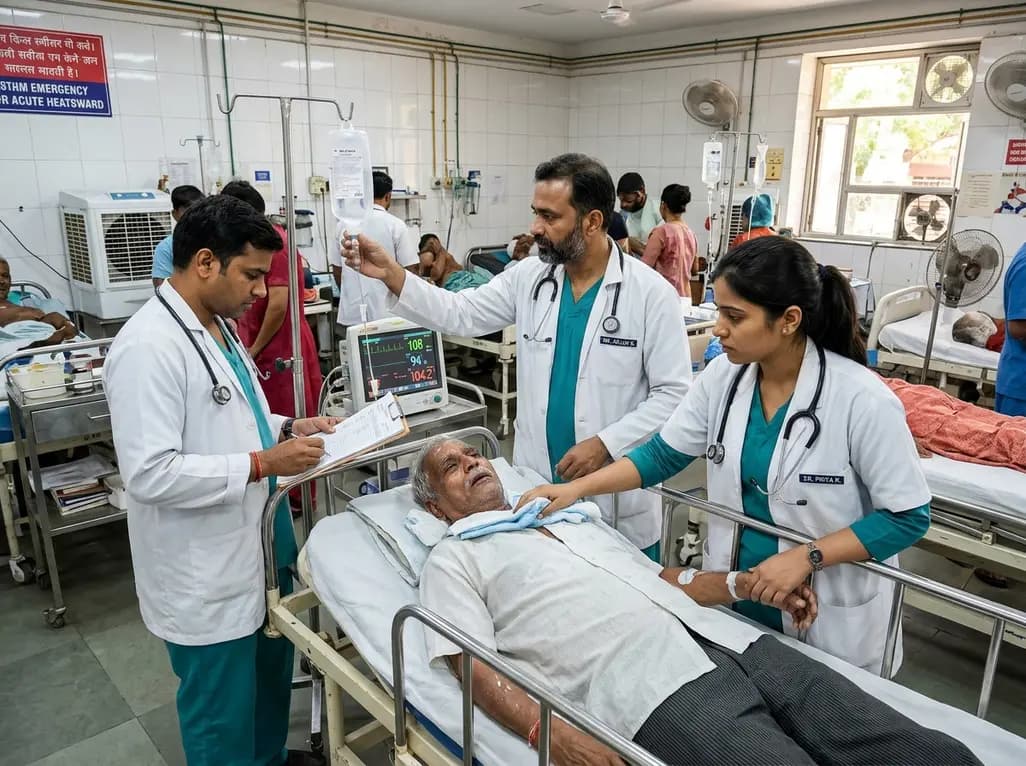
Recent epidemiological data reveals a dramatic surge in summer heat mortality driven by human-induced climate warming. This analysis explores the pathophysiological impacts on cardiac and renal systems, diagnostic dilemmas in death certification, and essential emergency cooling protocols for acute clinical care.
Today
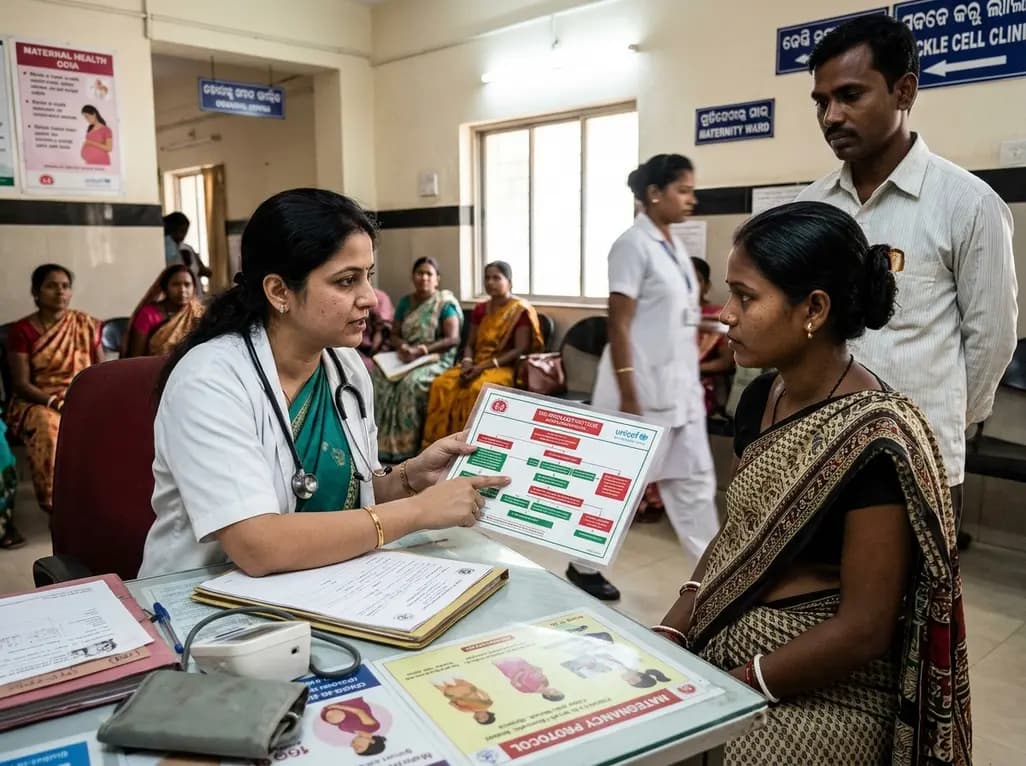
Odisha has established India's first state-level clinical protocol specifically tailored for pregnant women with sickle cell disease. Developed with NHM and UNICEF, the framework provides structured antenatal screening, crisis mitigation, standardized referral pathways, and specialized interdisciplinary care.
Today

India is advancing preventive healthcare by integrating genomics, artificial intelligence, and quantum technologies. With the SANGAM programme sequencing one million Indian genomes, clinicians can unlock personalized therapies, detect cardiometabolic risks early, and curb the burden of diabetes and heart disease.
Today
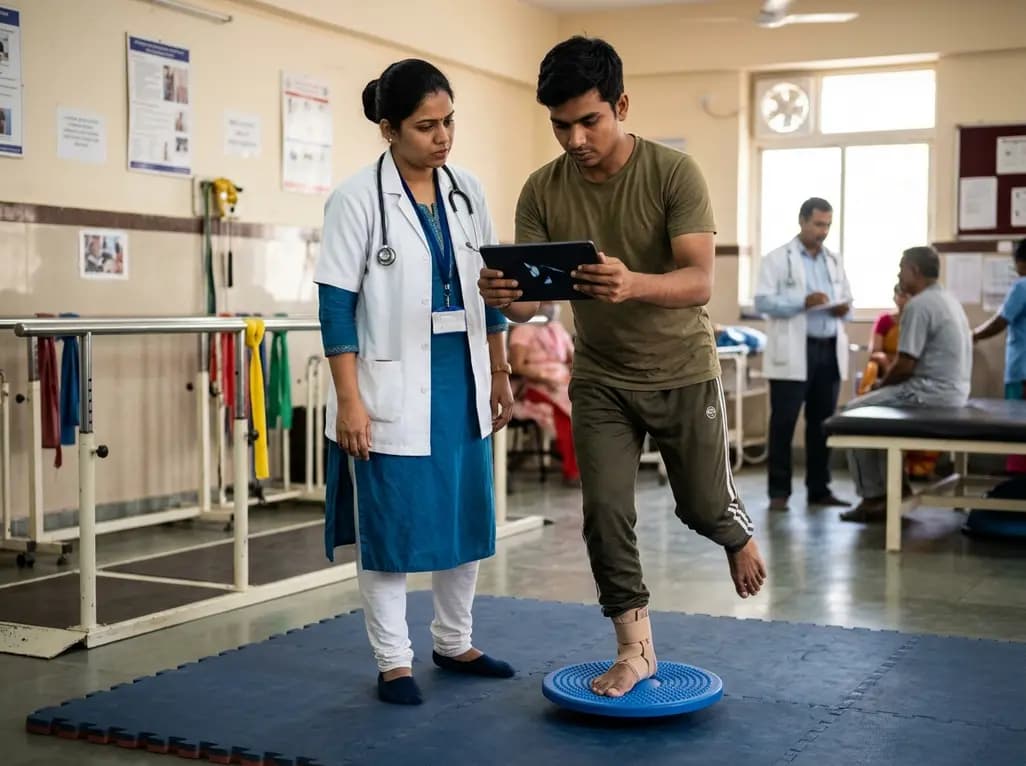
A randomized controlled trial demonstrates that an eight-week dual-task training intervention significantly improves static and dynamic postural control over standard balance exercises in individuals with chronic ankle instability, addressing critical neurocognitive deficits during athletic and daily activities.
Today

A retrospective cohort study of 7,716 ICU patients from the MIMIC-IV database demonstrates that Gradient Boosting Decision Trees significantly outperform traditional SOFA scores in predicting in-hospital mortality among patients with sepsis and diabetes, with SHAP analysis providing clinical interpretability.
Today
