.webp&w=384&q=75)

Loading, please wait...
Loading, please wait...
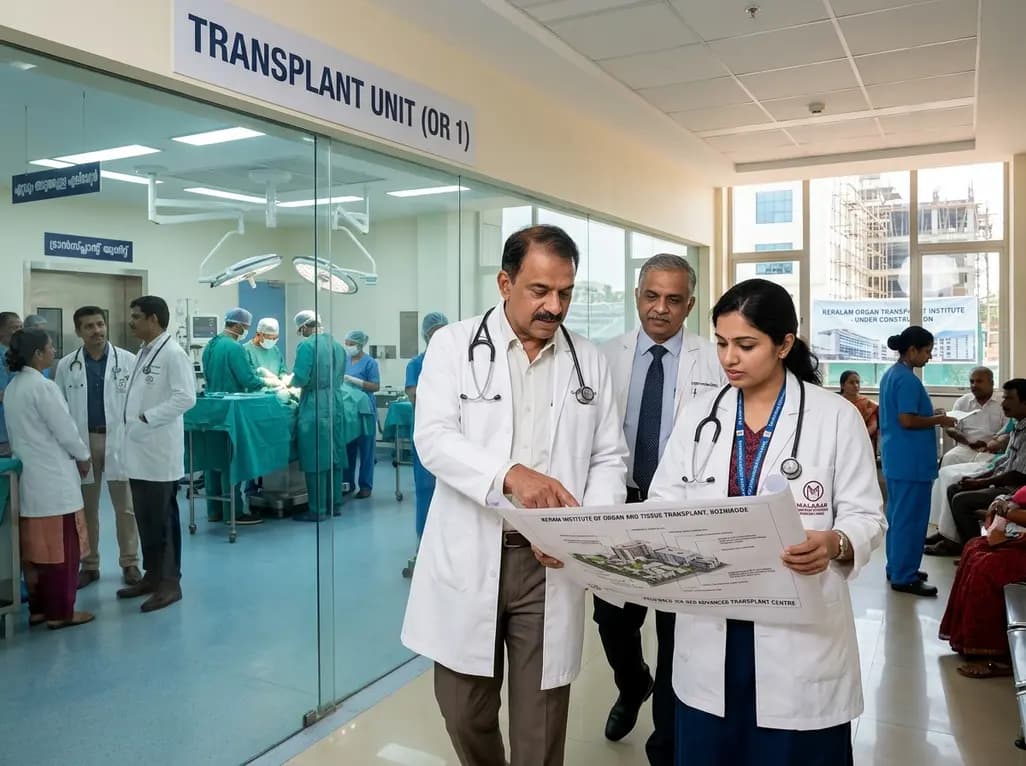
The Government of Kerala has launched a major healthcare initiative to transform organ transplantation. Recently, Chief Minister V D Satheesan announced that a specialized organ transplant hospital will be built in Kozhikode within thirty months. Speaking at the Kerala Heart Care Society celebrations, state officials emphasized accessible surgical care. Consequently, this apex institution will significantly expand life-saving treatment for patients across South India.
The proposed Keralam Institute of Organ and Tissue Transplant represents a monumental leap for the public healthcare sector. The government has allocated twenty acres of prime land along the Chevayur Golf Link Road for this flagship institution. Furthermore, the authorities have sanctioned a substantial capital outlay of 271 crore rupees to establish modern clinical infrastructure. Planners designed the complex to accommodate 350 inpatient beds alongside 10 fully equipped, modular operation theatres. In addition, the facility will integrate advanced intensive care units and pre-transplant workup clinics.
Historically, public sector hospitals in Kerala managed solid organ failure through scattered referral pathways. Therefore, this project unites clinical evaluation, harvesting logistics, and life-saving surgery into a single apex destination. In doing so, the state establishes an autonomous centre of clinical excellence comparable to premier national institutes. The strategic location in Kozhikode also provides seamless connectivity for patients travelling across North Kerala and neighboring regions. Ultimately, the administration seeks to complete structural commissioning within thirty months, setting a benchmark for rapid health delivery. Moreover, multidisciplinary surgical teams will deliver standardized perioperative care to optimize patient recovery. Consequently, centralized regional registries will expedite organ allocation and reduce donor graft ischaemia times.
To address the substantial organ shortage, the institute has established ambitious annual surgical targets across multiple disciplines. Specifically, the surgical teams plan to perform 1,100 corneal transplants each year to combat preventable ocular blindness. In addition, the nephrology and urology wings will deliver 520 renal transplants annually for end-stage renal disease patients. Furthermore, cardiothoracic surgeons will execute 50 orthotopic heart transplants and 40 complex lung transplants every year. These pulmonary and cardiac interventions address severe cardiopulmonary conditions that currently face limited treatment avenues in government setups.
Hematology departments will also expand therapeutic interventions by administering 120 bone marrow transplant procedures annually. Consequently, adult and pediatric oncology patients suffering from hematological malignancies will gain immediate access to cellular therapy. Moreover, clinicians will perform advanced soft tissue grafts, liver procedures, and multi-organ procurements as secondary expansion phases unfold. Dedicated surgical suites will minimize perioperative infection risks while maximizing graft viability through automated perfusion systems. Thus, this extensive procedural bandwidth will position the facility among the most productive transplant centres in the country. Hence, thousands of critically ill candidates on waiting lists will receive timely organ replacements. Furthermore, specialized tissue laboratories will support advanced histocompatibility testing to guarantee organ graft longevity.
Catastrophic health expenditures currently deter thousands of marginalized families from pursuing life-saving transplantation. Across India, private healthcare facilities perform approximately ninety percent of all organ transplants. As a result, commercial pricing structures often push vulnerable households into deep medical impoverishment. In contrast, the Kozhikode institute will consolidate all organ retrieval, tissue typing, and surgical procedures under a single public roof. Chief Minister Satheesan emphasized that this structural consolidation will reduce overall treatment costs to barely one-third of prevailing market rates.
Lowering procedural charges directly democratizes advanced surgical care for low-income and middle-class populations. Furthermore, the state government plans to integrate subsidized treatment programs and welfare schemes to support eligible recipients. Patients will no longer exhaust their financial resources on fragmented diagnostics, proprietary cross-matching assays, or repeated inter-hospital transfers. Additionally, the institute will provide affordable post-transplant immunosuppressive therapy to prevent late-stage allograft rejection. Therefore, sustained financial affordability ensures long-term medication compliance and reduces graft loss. Ultimately, this economic blueprint reinforces social justice by affirming that organ replacement remains an essential human right. Consequently, families can pursue complete recovery without facing catastrophic out-of-pocket healthcare expenses. In addition, non-governmental partnerships will provide patient lodging and subsidized post-operative rehabilitation support.
The Chevayur campus extends beyond solid organ surgery to provide integrated multispecialty healthcare. Specifically, the state will construct a fully equipped skin disease hospital on the same twenty-acre campus at 35 crore rupees. This dedicated dermatology institution will diagnose and manage complex autoimmune skin disorders, severe cutaneous drug eruptions, and malignancies. Moreover, the proximity of a specialized dermatology hospital fosters unique synergies with the organ transplant centre. Clinicians can collaborate closely on burn management, cutaneous graft-versus-host disease, and reconstructive skin banking.
In addition to cutaneous medicine, the government plans to establish modern wellness hubs and rehabilitation centres. These dedicated units will deliver holistic post-acute treatment for debilitating medical conditions, including acute stroke. Stroke survivors will receive continuous neuro-rehabilitation, physiotherapy, occupational retraining, and speech therapy from clinical teams. Meanwhile, integrative health modalities will work synergistically with modern pharmacological therapies to accelerate physical recovery. Consequently, patients will benefit from uninterrupted continuum-of-care pathways spanning acute intervention to community reintegration. Thus, the unified campus design addresses chronic disease burdens holistically within a singular therapeutic ecosystem. Furthermore, these synchronized facilities will elevate clinical outcomes for vulnerable post-operative transplant recipients. Additionally, dedicated wound care specialists will assist organ transplant recipients experiencing severe post-surgical dermatological complications.
Beyond clinical throughput, the new institute will function as an apex research hub and educational centre. Academic leaders will initiate advanced superspecialty fellowships and doctoral programs in transplant surgery and regenerative medicine. Furthermore, dedicated laboratory facilities will investigate molecular markers of organ rejection, xenotransplantation dynamics, and cryopreservation technologies. Consequently, young medical postgraduates and surgical fellows will gain rigorous hands-on training using biomedical simulators. Simultaneously, the state will launch extensive statewide campaigns focused on disease prevention, lifestyle modifications, and early screening.
Importantly, policymakers intend to leverage Kerala's temperate climate and robust healthcare indicators to promote medical tourism. The institute aims to attract domestic and international patients seeking high-caliber, affordable surgical care and compassionate nursing. Additionally, foreign medical travelers will access comprehensive post-operative convalescence amidst the scenic landscapes of North Kerala. Ethical oversight committees will supervise all donor allocations to maintain strict regulatory compliance with national statutes. As a result, transparent governance will strengthen global trust in Indian transplantation systems. Ultimately, these intersecting educational, research, and clinical endeavors will establish Kozhikode as an internationally recognized destination. Therefore, this visionary enterprise will elevate regional healthcare standards while training future generations of surgical innovators. Consequently, local medical researchers will establish international scientific collaborations to publish pioneering transplant data.
Q1: What is the proposed timeline and financial budget for the Kozhikode transplant institute?
Chief Minister V D Satheesan announced that the Keralam Institute of Organ and Tissue Transplant will become fully operational within thirty months. The state government has sanctioned a total capital budget of 271 crore rupees for the main 350-bed transplantation hospital. Furthermore, authorities have allocated an additional 35 crore rupees to establish an integrated dermatology hospital on the same twenty-acre campus at Chevayur Golf Link Road in Kozhikode.
Q2: How many organ transplant procedures does the hospital plan to perform each year?
The institute has established aggressive procedural targets to meet growing patient demand across Kerala and neighboring states. Specifically, clinicians plan to conduct 1,100 corneal transplants, 520 kidney transplants, and 120 bone marrow procedures annually. In addition, the surgical teams will perform 50 heart transplants and 40 lung transplants each year. These varied multi-organ capacities will dramatically shorten waitlist mortality for patients with irreversible organ failure.
Q3: How will the Kozhikode facility make organ transplantation affordable for common citizens?
Currently, high private hospital charges make organ replacement inaccessible for most families. By consolidating specialized surgical suites, diagnostic laboratories, and post-operative intensive care units under one government-administered roof, operational overheads decrease significantly. Consequently, treatment costs will fall to approximately one-third of existing commercial rates. Furthermore, integration with universal government healthcare schemes and state welfare subsidies will protect socioeconomically vulnerable households from devastating out-of-pocket medical expenditures.
Disclaimer: This content is for informational and educational purposes only. It does not constitute medical advice or replace professional judgment. Refer to the latest local and national guidelines for clinical practice.
References

Read summarized clinical updates, watch expert medical content, and earn CME certifications right from your smartphone.
Open your smartphone camera to scan and install.





Kerala has announced the Keralam Institute of Organ and Tissue Transplant in Kozhikode, slated for completion in 30 months. Backed by Rs 271 crore, the 350-bed centre will reduce surgery costs to one-third while delivering advanced multi-organ procedures, clinical research, and regional care.
Today
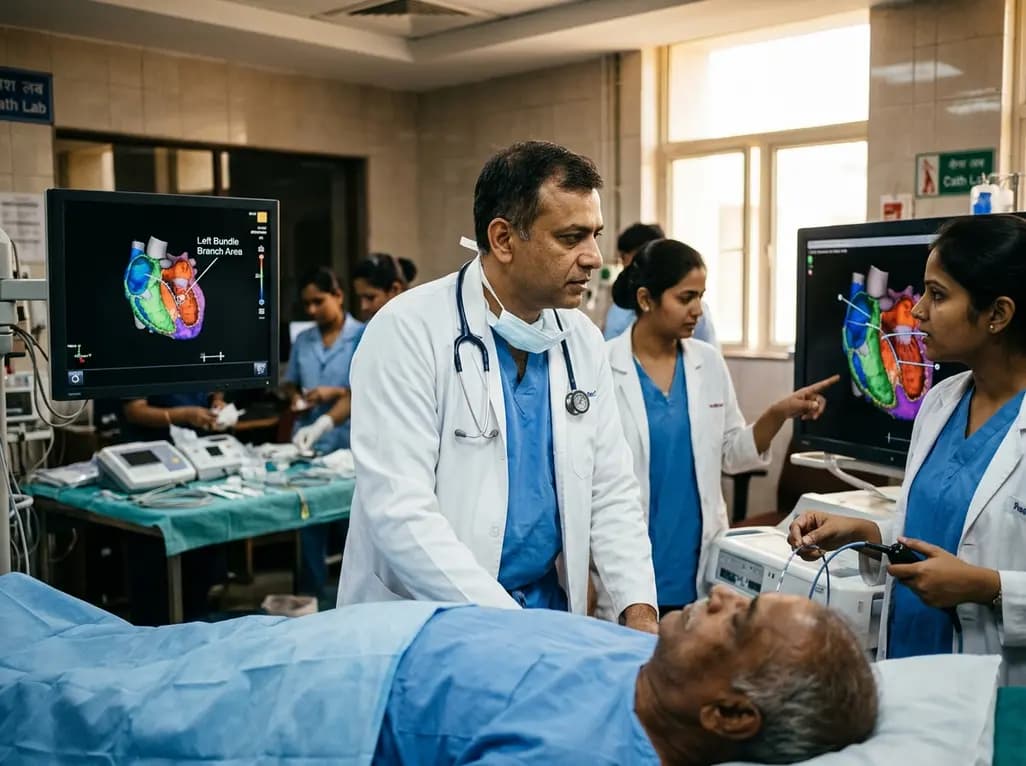
Left bundle branch pacing is an emerging physiological resynchronization strategy for heart failure. While observational data and some trials show benefits over biventricular pacing, divergent trial outcomes highlight the importance of confirmed conduction capture and specialized operator technique.
Today
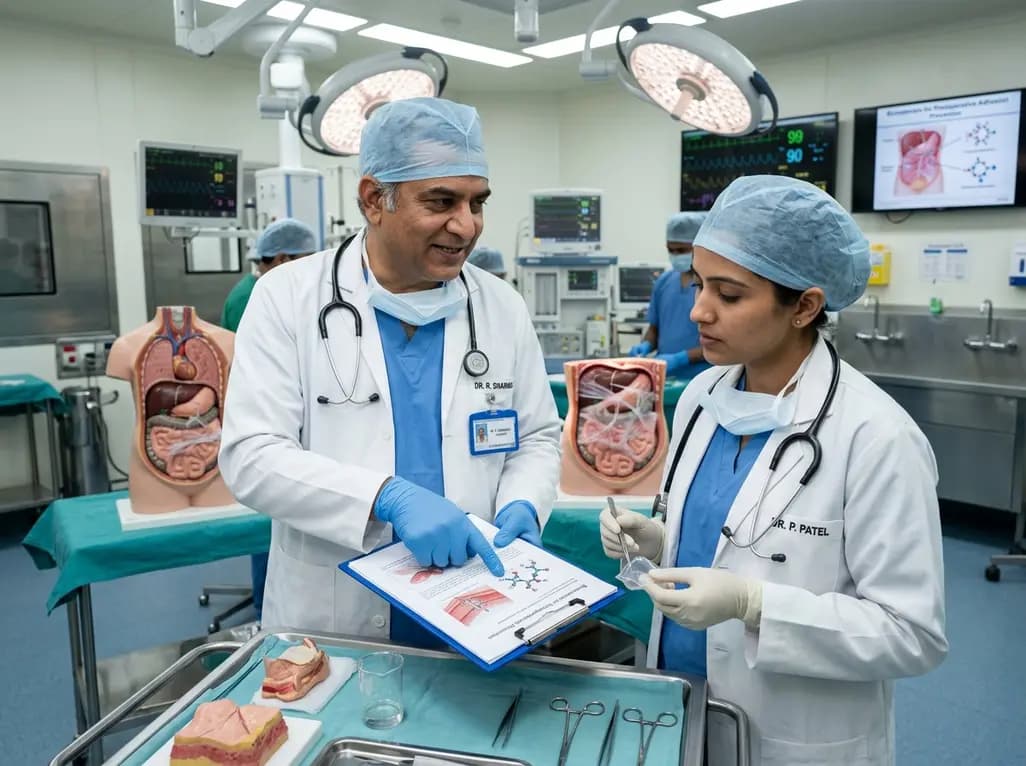
Postoperative adhesions cause severe complications, including bowel obstruction and infertility. This review highlights functional biomaterials, evaluating polysaccharide films and hydrogels while addressing retention, tissue conformability, and translational hurdles in clinical surgery.
Today
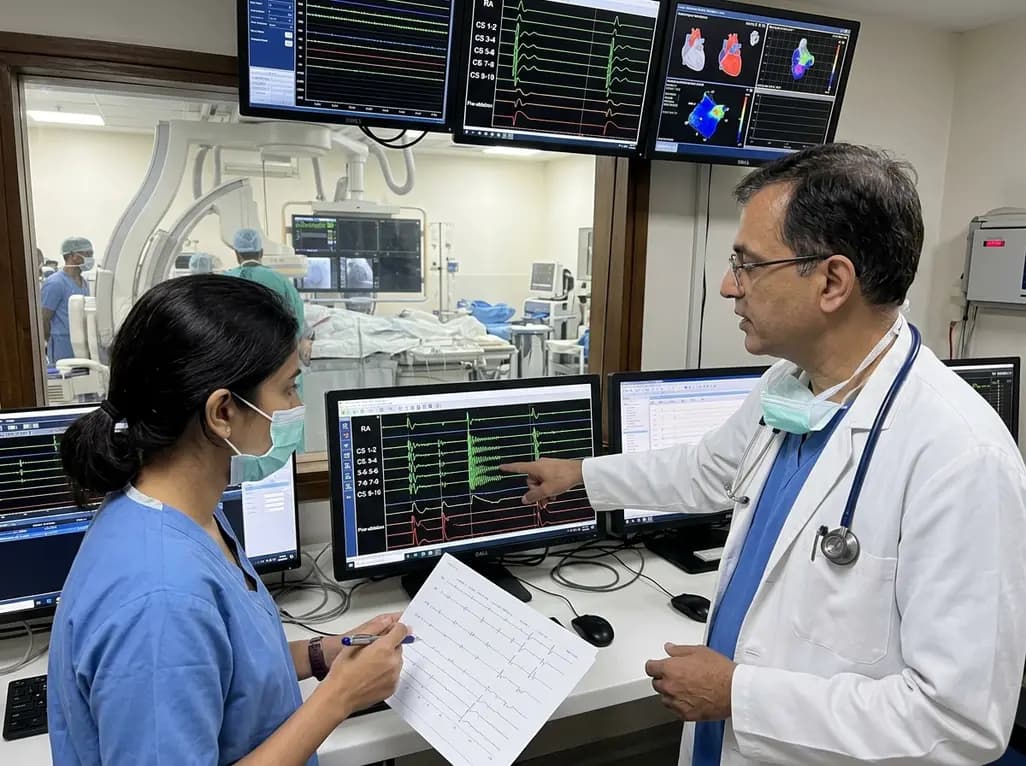
Radiofrequency catheter ablation of the cavotricuspid isthmus successfully terminates typical atrial flutter. This article reviews the mechanisms driving coronary sinus electrogram changes, wavefront activation pathways, and clinical criteria to verify bidirectional block during electrophysiology studies.
Today
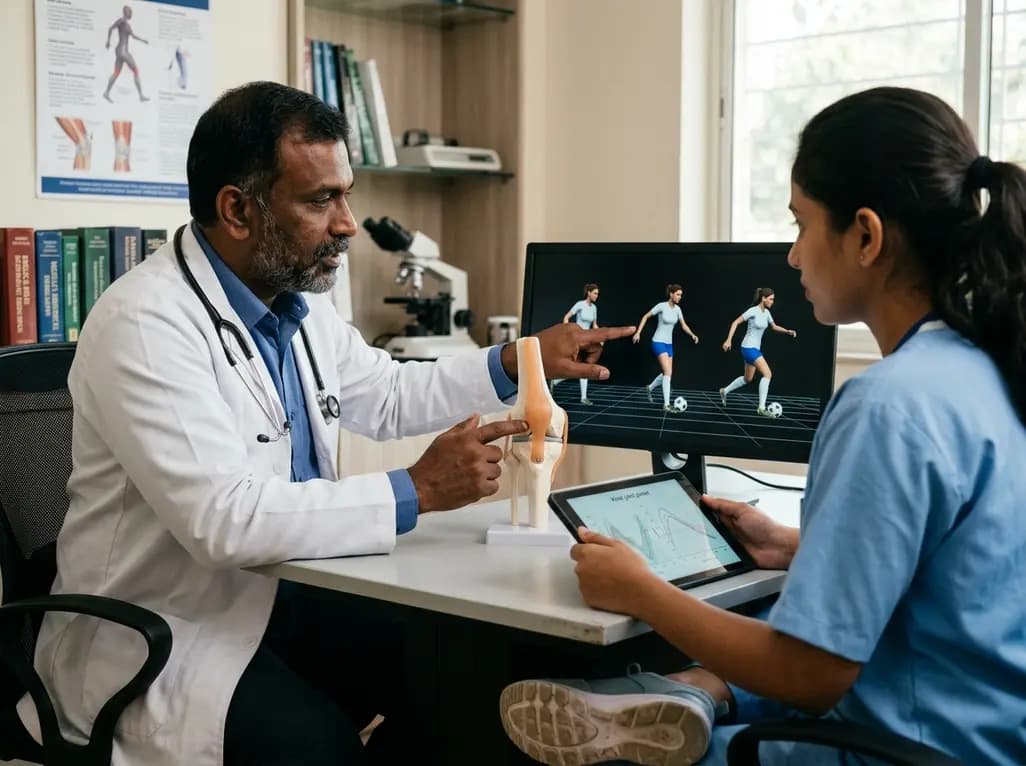
New biomechanical research reveals that foot-strike angle significantly influences knee energy absorption during cutting tasks in female soccer players. Understanding these kinematic patterns offers clinicians valuable pathways for targeted ACL injury prevention and athletic retraining.
Today
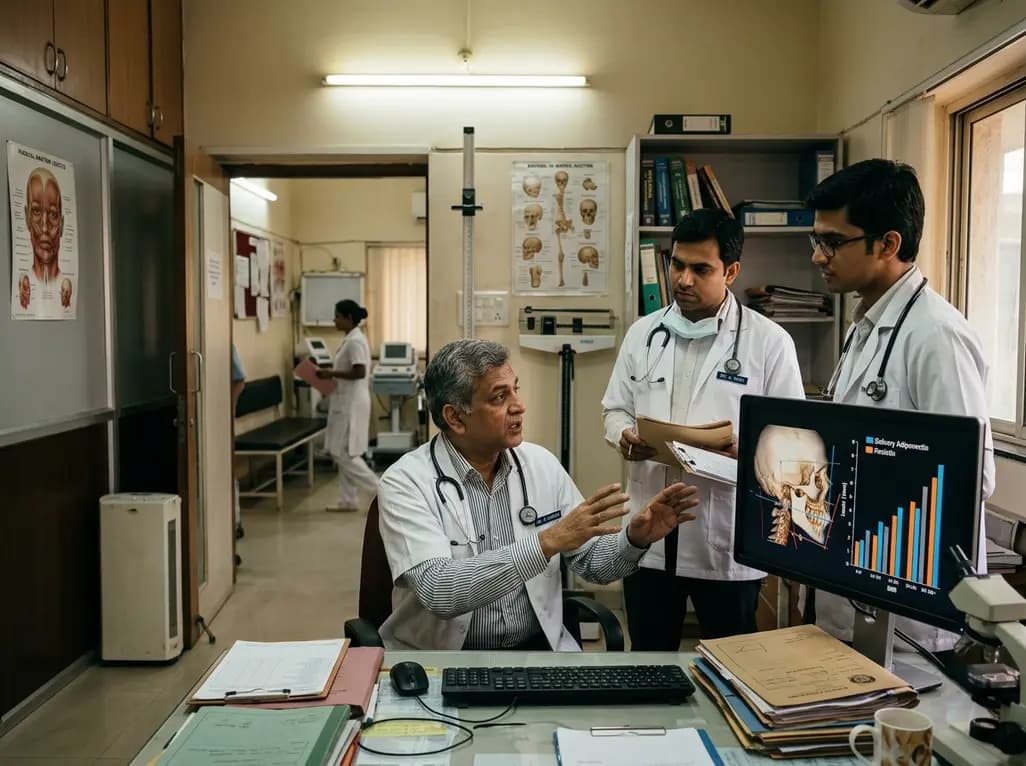
A cross-sectional study demonstrates that increased BMI in adolescents significantly enhances mandibular length and alters salivary adipokines like adiponectin and resistin, providing novel insights into craniofacial growth and orthodontic planning.
Today
