.webp&w=384&q=75)

Loading, please wait...
Loading, please wait...
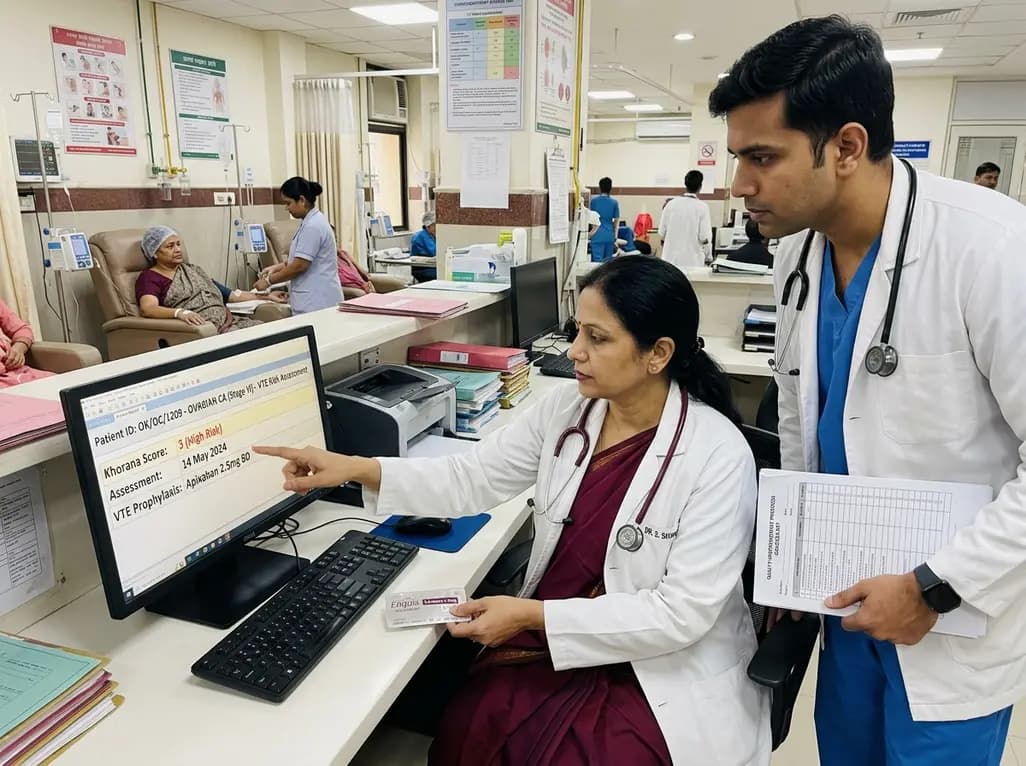
Patients suffering from advanced ovarian malignancies face a strikingly heightened risk of hypercoagulability throughout their oncological treatment journey. Systemic chemotherapy, combined with large pelvic tumor burdens and surgical debulking, creates an environment ripe for catastrophic thrombotic events. Despite established clinical evidence supporting prophylactic anticoagulation in high-risk oncology cohorts, real-world implementation of ovarian cancer VTE prophylaxis remains surprisingly inconsistent. Oncologists frequently encounter diagnostic delays because symptoms like lower extremity swelling or dyspnea overlap with disease progression. Consequently, unmanaged venous thromboembolism significantly increases patient morbidity, delays essential chemotherapy cycles, and compromises overall survival. Historical data indicate that up to one in six patients with ovarian cancer develops a thrombotic complication during initial treatment. Furthermore, fear of major hemorrhagic complications often deters clinicians from initiating routine thromboprophylaxis. The absence of disease-specific guidelines tailored to gynecological malignancies has further exacerbated this therapeutic gap. Therefore, establishing structured clinical frameworks is essential to systematically identify vulnerable outpatients. Implementing standardized prophylactic protocols can effectively mitigate thrombotic risks without exposing patients to excessive bleeding hazards.
To bridge the persistent gap between evidence-based guidelines and clinical practice, researchers implemented a comprehensive quality improvement project. This prospective intervention, conducted between 2020 and 2025 at Sheba Medical Center, focused on patients undergoing first-line chemotherapy for ovarian cancer. The multidisciplinary team integrated several clinical decision-support tools directly into the electronic medical record system. Specifically, automated Khorana risk scoring was embedded into daily clinical workflows to systematically assess each patient. Additionally, electronic health records were configured with pre-drafted apixaban prescriptions, streamlining the ordering process for high-risk individuals. Nurses administered targeted chemotherapy-suite questionnaires during routine visits to continuously monitor for emergent thrombotic signs or bleeding risks. Furthermore, clinical staff underwent dedicated educational sessions regarding risk stratification and oral anticoagulant safety profiles. To rigorously evaluate clinical outcomes, data analysts utilized MDClone software combined with advanced Natural Language Processing to scan imaging reports for thromboembolic events. Consequently, this structured electronic ecosystem enabled seamless identification, prompt prescription, and precise tracking across the entire patient cohort.
The implementation of this quality improvement framework yielded clinically significant improvements in patient outcomes. Prior to the roll-out of the standardized protocol, baseline venous thromboembolism rates stood at a staggering 16.9% among patients receiving initial chemotherapy. However, following the prospective deployment of the intervention, thromboembolic incidence dropped to 12.5%. Multivariable logistic regression analysis demonstrated that program implementation acted as an independent protective factor against thrombotic complications. Specifically, the adjusted odds ratio reached 0.39, representing a 61% reduction in the odds of developing thromboembolism after controlling for confounders. These findings confirm that routine ovarian cancer VTE prophylaxis effectively prevents potentially life-threatening vascular complications in ambulatory outpatients. Moreover, the systematic identification of high-risk patients ensured that prophylactic direct oral anticoagulants reached those who derived the greatest clinical benefit. By significantly lowering thrombotic events, the quality improvement program preserved chemotherapy continuity and improved overall treatment adherence. Consequently, these robust clinical findings support the routine integration of risk-stratified thromboprophylaxis into standard gynecologic oncology care protocols.
A major concern among practicing oncologists regarding primary thromboprophylaxis is the potential risk of major bleeding complications. Tumor invasion, frequent surgical interventions, and chemotherapy-induced thrombocytopenia often heighten clinician apprehension. Encouragingly, the prospective quality improvement data demonstrated an exceptional safety profile for direct oral anticoagulants. The study noted no statistically significant increase in major bleeding episodes or minor hemorrhagic events following program implementation. Furthermore, total consumption of blood products remained entirely comparable between the pre-implementation and post-implementation cohorts. By utilizing targeted risk assessment via the Khorana score, clinicians successfully avoided unnecessary anticoagulation in low-risk patients who might face disproportionate bleeding risks. Apixaban, administered at prophylactic dosages, provided reliable antithrombotic protection without disrupting oncological treatment schedules. Consequently, these reassuring safety metrics challenge historical reluctance and demonstrate that oral anticoagulation can be safely delivered in ambulatory settings. Clinicians can confidently prescribe prophylactic direct oral anticoagulants when guided by validated risk-assessment models.
Translating quality improvement findings into routine practice requires a systematic, multidisciplinary approach within oncology centers. First, healthcare facilities should integrate automated risk-stratification calculators into electronic health record systems to identify high-risk individuals seamlessly. Second, oncology clinicians must establish clear, standardized protocols for prescribing fixed-dose direct oral anticoagulants like apixaban to qualifying ambulatory patients. Third, clinical teams should implement routine patient questionnaires during chemotherapy sessions to monitor adherence and detect early bleeding signs. Furthermore, ongoing educational workshops for nurses, pharmacists, and oncologists foster unified clinical decision-making across departments. Future research efforts will focus on refining risk-prediction models specifically tailored to gynecological malignancies, beyond traditional Khorana criteria. Incorporating tumor-specific biomarkers, such as tissue factor expression and advanced imaging parameters, could further optimize patient selection. Ultimately, embedding structured thromboprophylaxis programs into primary oncological care reduces preventable vascular complications and improves overall patient safety.
Ambulatory patients with advanced ovarian cancer who are initiating first-line chemotherapy and possess an elevated Khorana risk score of two or higher should be considered for thromboprophylaxis. Clinicians must carefully evaluate individual bleeding risks, renal function, baseline platelet counts, and potential drug-drug interactions before initiating therapy. Direct oral anticoagulants like apixaban provide effective primary prevention when tailored through systematic, validated risk assessment protocols in routine practice.
Clinical trial data and quality improvement findings demonstrate that low-dose apixaban does not significantly increase major bleeding events in properly selected oncology outpatients. Routine monitoring and careful risk stratification prevent inappropriate anticoagulation in patients with severe thrombocytopenia, active gastrointestinal ulcers, or recent major surgery. Consequently, prophylactic direct oral anticoagulants maintain an excellent overall safety profile without increasing requirements for blood product transfusions.
Electronic medical record integration automates Khorana risk scoring and alerts clinicians when patients meet criteria for thromboprophylaxis. By embedding pre-drafted apixaban order sets and standardized monitoring questionnaires into clinical workflows, EMR tools minimize missed diagnoses and streamline decision-making. Natural language processing software also enhances surveillance by automatically detecting thromboembolic events in radiology reports, ensuring comprehensive quality tracking across oncology departments.
Disclaimer: This content is for informational and educational purposes only and does not constitute medical advice. Healthcare professionals should rely on their clinical judgment and refer to the latest local and national guidelines for clinical practice.
References
Helpman L et al. Oral anticoagulants reduce venous thromboembolism rates in patients on 1st-line treatment for ovarian Cancer- A quality improvement project. Gynecol Oncol. 2026 Aug 06. doi: undefined. PMID: 42561468.
Carrier M et al. Apixaban to Prevent Venous Thromboembolism in Patients with Cancer. N Engl J Med. 2019;380(8):711-719.
Gressel GM et al. Direct oral anticoagulant use in gynecologic oncology: A Society of Gynecologic Oncology Clinical Practice Statement. Gynecol Oncol. 2021;160(1):308-313.

Read summarized clinical updates, watch expert medical content, and earn CME certifications right from your smartphone.
Open your smartphone camera to scan and install.





Implementing a structured quality improvement program with automated Khorana scoring and apixaban prescribing significantly reduces venous thromboembolism in ovarian cancer patients undergoing first-line chemotherapy without increasing bleeding risks.
last month

A comparative analysis shows that older age, elevated blood glucose, and abdominal adiposity are primary drivers of hypertension. Comprehensive evaluation of cardiometabolic risk profiles enables clinicians to detect overlapping metabolic dysfunctions early and optimize targeted prevention strategies.
Today

A premature neonate developed upper limb compartment syndrome after uterine rupture extruded the arm through a scar defect. Conservative management with continuous monitoring yielded complete functional recovery and normal limb growth at 10-year follow-up, highlighting non-operative safety in selected cases.
Today
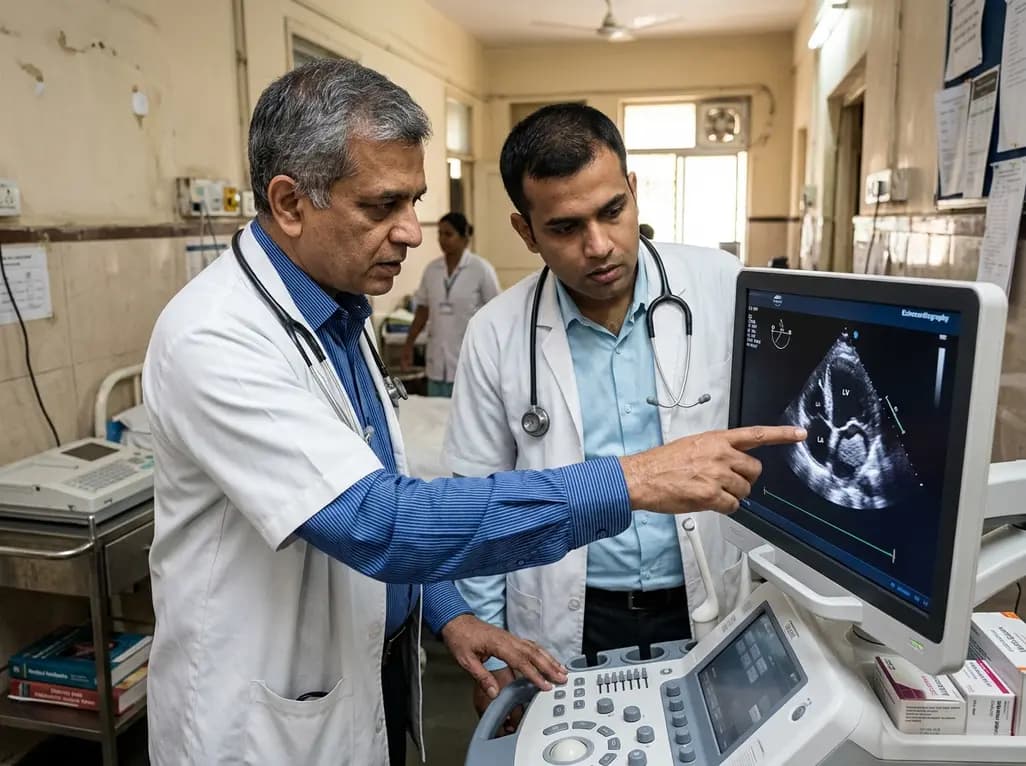
Left ventricular thrombus is a severe complication of acute decompensated heart failure. This clinical review explores the pathophysiology, imaging challenges, and pharmacotherapeutic considerations of laminated thrombi, evaluating the evolving role of direct oral anticoagulants versus traditional warfarin.
Today
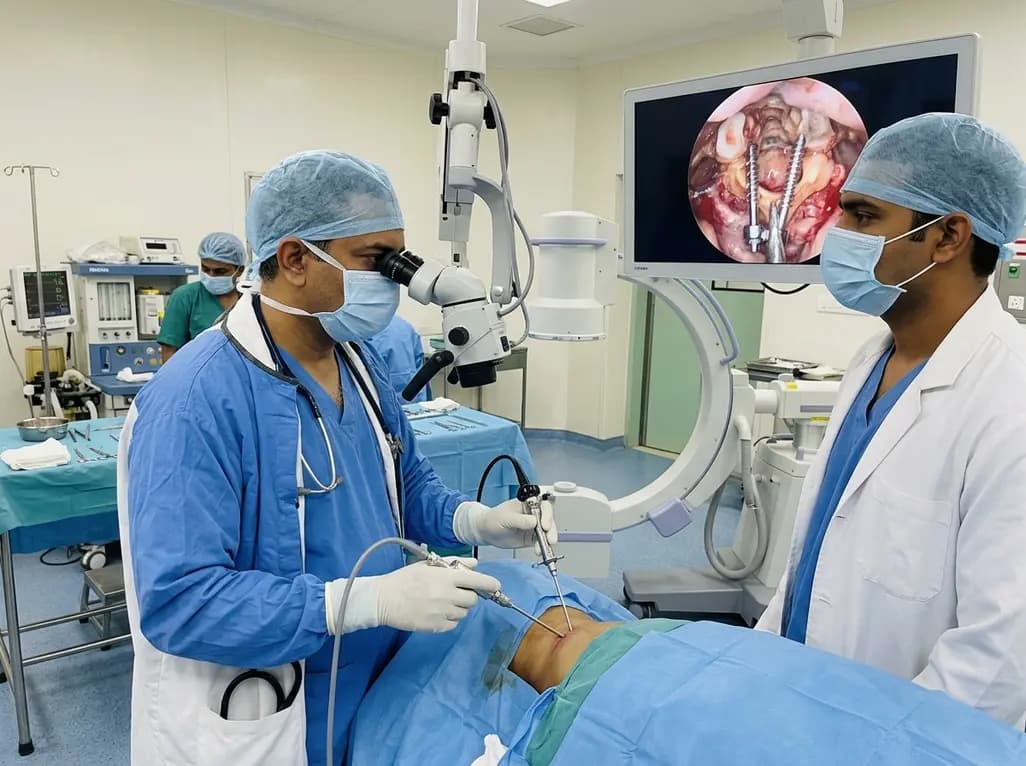
Endoscopic posterior cervical fusion combines minimally invasive decompression, joint preparation, and rigid screw-rod fixation for atlantoaxial pathologies. Early clinical findings demonstrate solid bony union, excellent symptom relief, and minimal soft-tissue morbidity without significant vascular compromise.
Yesterday

Atherosclerosis involves extensive glycometabolic reprogramming across immune and vascular cells. This review examines how glycolysis, the pentose phosphate pathway, and lactate-driven epigenetic shifts fuel plaque vulnerability, while highlighting novel therapeutic targets like PFKFB3 and LDHA.
Today
