.webp&w=384&q=75)

Loading, please wait...
Loading, please wait...

Managing older multiple myeloma patients presents unique clinical challenges due to increased frailty and existing comorbidities. Traditionally, oncology models relied on uniform treatment strategies that often failed to account for the physiological diversity of patients aged 70 and above. However, recent data from the National Cancer Database suggests that moving toward a personalized approach can significantly enhance survival. By tailoring therapies to the individual's functional status rather than just their chronological age, clinicians can achieve better long-term outcomes while maintaining safety.
The analysis reveals that specific combination therapies offer superior survival benefits even in advanced age groups. Specifically, the combination of chemotherapy, bisphosphonate therapy, and immunotherapy (C + H + I) has emerged as a highly effective approach. When these treatments are administered within 30 days of each other, the median overall survival reaches 64.2 months. This regimen also demonstrates the lowest adjusted hazard ratio for mortality, yet it remains underutilized in daily practice. Consequently, there is a clear need for increased awareness regarding the safety and efficacy of intensive regimens when supported by proper patient selection and care.
Furthermore, the duration of treatment is a critical factor in determining prognosis. The study found that patients who remained on therapy for more than 180 days experienced improved survival rates compared to those with shorter treatment courses. This finding strongly supports the adoption of maintenance and continuous therapy approaches in geriatric oncology. Instead of stopping treatment once a partial response is achieved, clinicians should consider the benefits of long-term disease management. Such strategies help prevent early relapse and allow older adults to maintain a higher quality of life for a longer period.
Research indicates that a combination of chemotherapy, bisphosphonate therapy, and immunotherapy (C + H + I) provides the best survival outcomes, with a median overall survival of approximately 64.2 months.
No, age should not be the sole factor. Treatment plans should prioritize individual functional status and comorbidities. Tailored regimens can be both safe and effective for patients over 70 when accompanied by adequate supportive care.
Extended therapy duration is linked to better survival outcomes. Continuous and maintenance therapy approaches help in managing the disease effectively over time and reducing the risk of mortality in older adults.
Disclaimer: This content is for informational and educational purposes only. It does not constitute professional medical advice, diagnosis, or treatment. Always seek the advice of your physician or other qualified health provider with any questions you may have regarding a medical condition. Refer to the latest local and national guidelines for clinical practice.
References

Read summarized clinical updates, watch expert medical content, and earn CME certifications right from your smartphone.
Open your smartphone camera to scan and install.





Analyze survival outcomes in older multiple myeloma patients and discover why tailored regimens and extended therapy are essential for geriatric oncology....
4 months ago
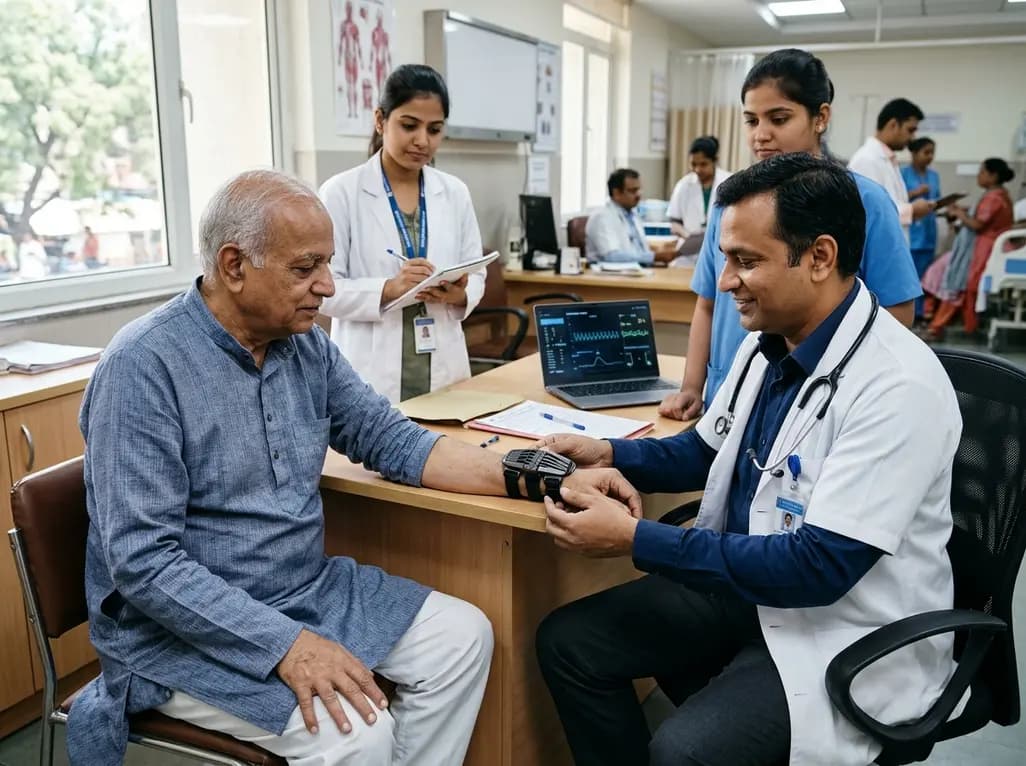
The TREM-AB open-label pilot study evaluated a wearable passive nonlinear vibration absorber for essential tremor. The Nonlinear Energy Sink bracelet reduced clinical Fahn-Tolosa-Marin tremor scores by 32.1% and electrophysiological tremor power by 49.2% with no adverse effects reported.
Today
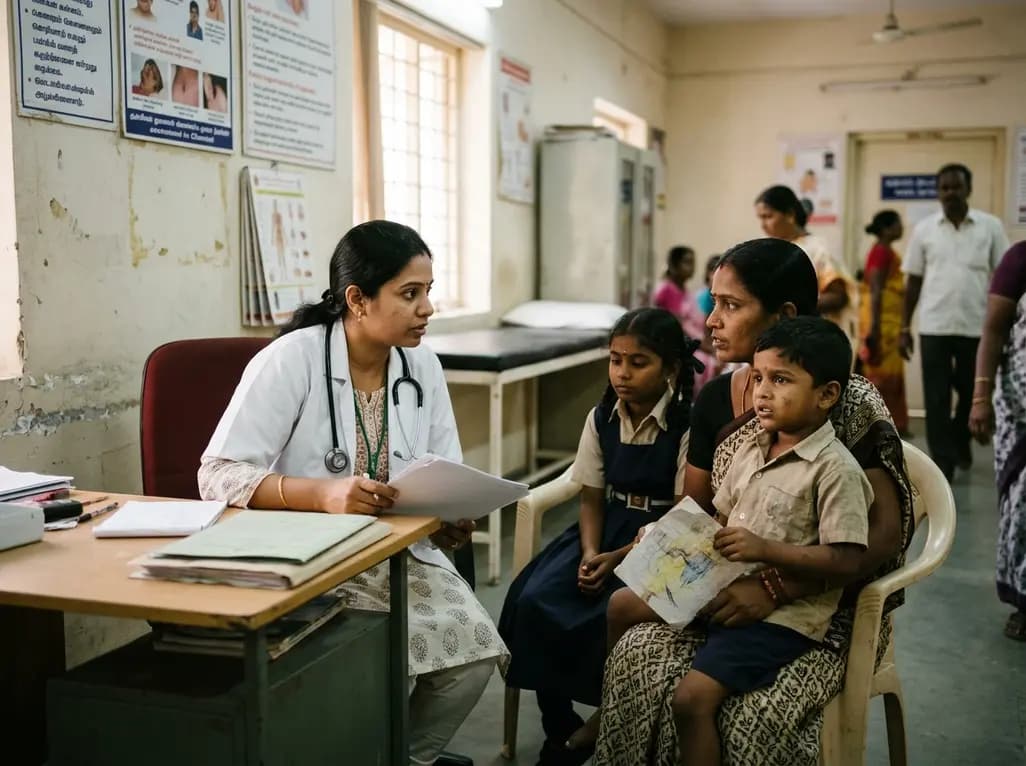
A population-based study of 20,928 children reveals that small vulnerable newborns face sex-divergent mental capital outcomes at ages 6-7: term SGA girls show higher behavioral difficulties and lower resilience, while preterm non-SGA boys experience increased behavioral problems.
Today
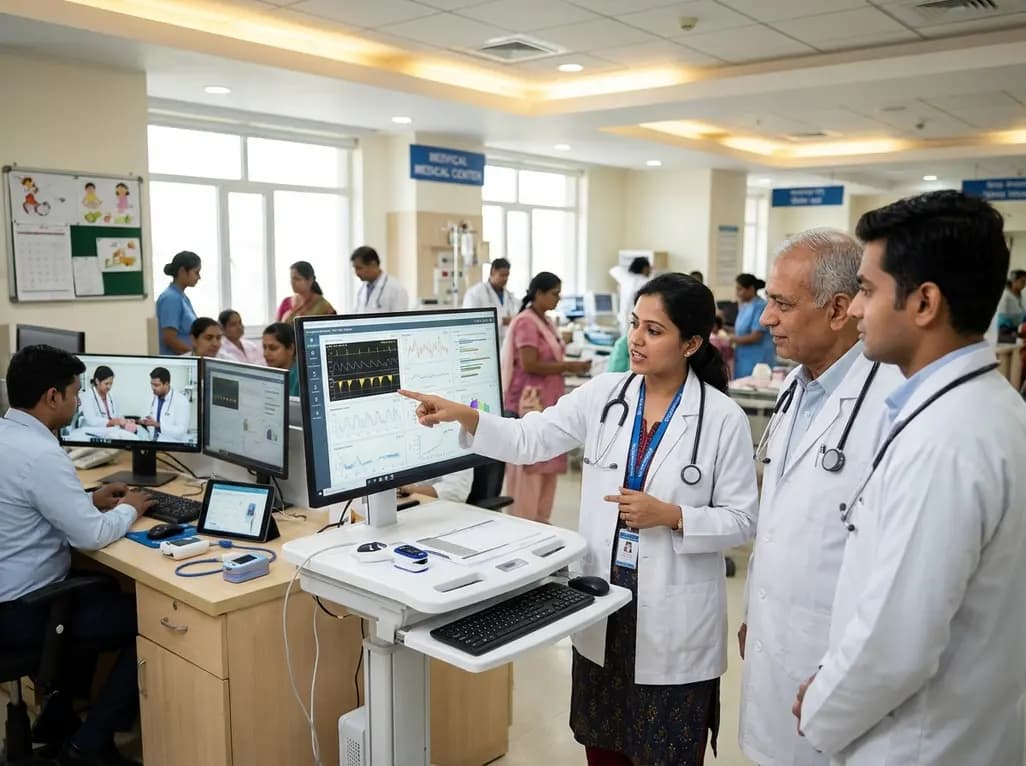
A landmark study details how an enterprise pediatric remote patient management model expanded from a single cardiology pilot to 16 diverse specialty programs by combining centralized digital operations with specialty clinical leadership.
Today

A comparative review of tension band wiring and intramedullary screw fixation in thumb metacarpophalangeal arthrodesis, evaluating union rates, hardware complications, and clinical outcomes.
Today
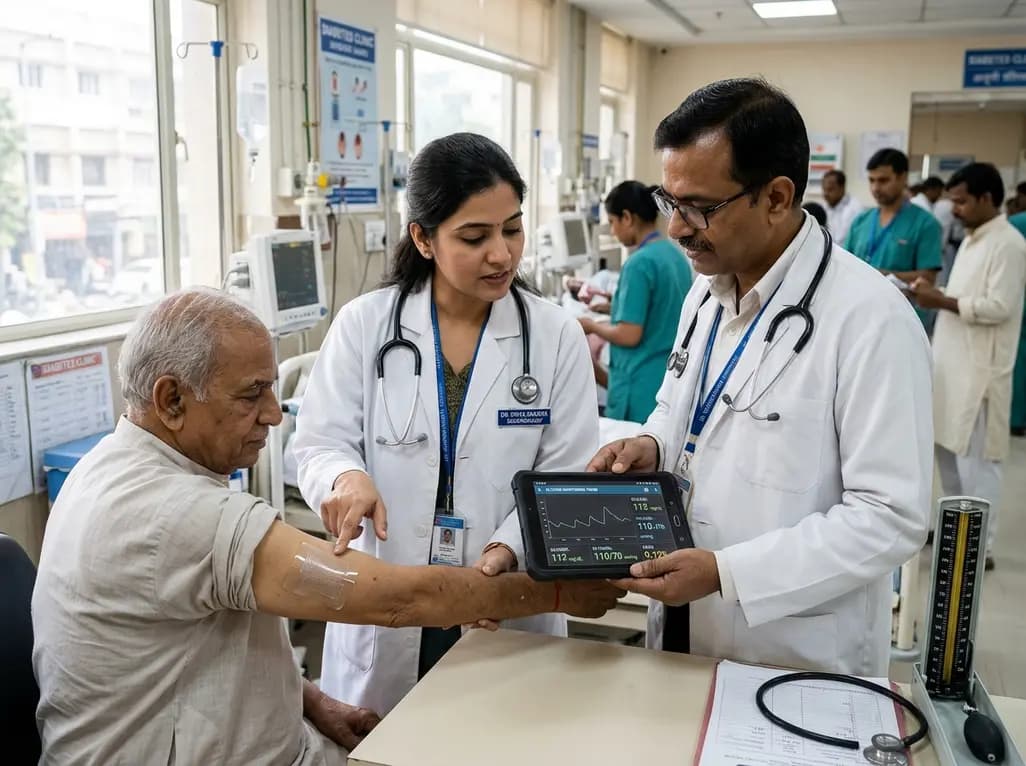
A breakthrough ultrathin multimodal sensor decouples physical hemodynamic monitoring from disposable electrochemical calibration, achieving long-term wearable glucose prediction with 81.36% accuracy and a 9.12% MARD. This offers a robust, drift-free solution for outpatient metabolic surveillance.
Today
