.webp&w=384&q=75)

Loading, please wait...
Loading, please wait...
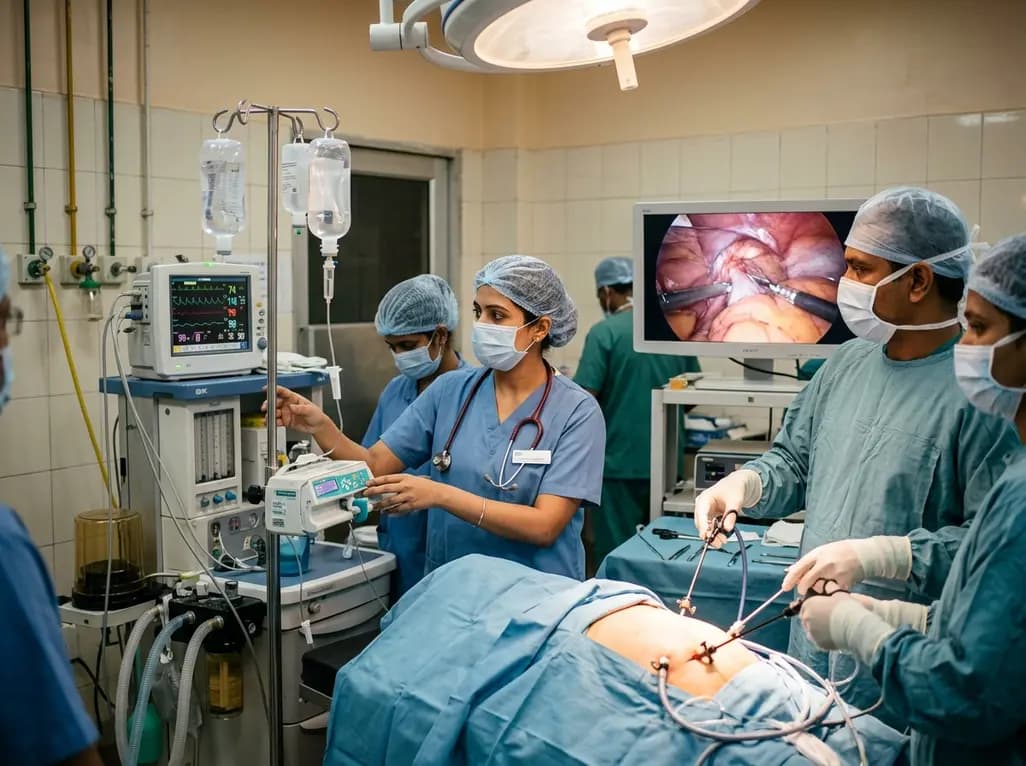
Laparoscopic abdominal surgery has transformed modern perioperative medicine by reducing surgical trauma and accelerating hospital discharge. However, standard intraoperative pain regimens still rely heavily on systemic opioids to blunt surgical stress. Although opioids deliver potent antinociceptive coverage, they routinely trigger debilitating adverse effects, including respiratory depression, postoperative nausea, vomiting, bowel dysfunction, and sedation. Consequently, anaesthesiologists have sought innovative multimodal alternatives to achieve effective surgical analgesia without these clinical drawbacks. Among these strategies, opioid-free anaesthesia has emerged as a promising approach. This clinical paradigm combines non-opioid systemic pharmacotherapy with targeted regional nerve blocks. Recent clinical trials now demonstrate that replacing conventional opioids with a multimodal protocol yields superior recovery profiles. Therefore, evaluating robust non-opioid alternatives has become essential for advancing enhanced recovery after surgery protocols worldwide.
Multimodal non-opioid protocols succeed because they simultaneously inhibit distinct nociceptive pathways. In this trial, investigators combined intravenous magnesium sulfate, a continuous lidocaine infusion, and a bilateral erector spinae plane block. Magnesium acts as a physiological antagonist at N-methyl-D-aspartate receptors in the central nervous system. As a result, it prevents central sensitization and suppresses pain transmission caused by surgical manipulation. Meanwhile, systemic lidocaine provides extensive anti-inflammatory and analgesic properties. Intravenous lidocaine blocks sodium channels, reduces circulating pro-inflammatory cytokines, and mitigates visceral hypersensitivity without impairing intestinal motility. Furthermore, the bilateral erector spinae plane block targets the dorsal and ventral rami of spinal nerves. Clinicians inject local anaesthetics into the fascial plane deep to the erector spinae muscle. Consequently, the local anaesthetic spreads cranially and caudally to block somatic and sympathetic visceral pain fibers. Together, these three complementary interventions create a formidable barrier against noxious surgical stimuli. Thus, patients maintain hemodynamic stability during pneumoperitoneum without requiring synthetic opioids.
The randomised controlled trial enrolled seventy adult patients aged eighteen to sixty years who underwent elective laparoscopic abdominal surgeries. Researchers randomly allocated participants into two parallel arms with thirty-five patients per cohort. The opioid-free intervention group received an intravenous bolus of two grams of magnesium sulfate followed by a continuous lidocaine infusion at 1.5 mg/kg/hour. Additionally, clinicians performed an ultrasound-guided bilateral erector spinae plane block using twenty-five milliliters of 0.25% bupivacaine on each side. In contrast, the control cohort received traditional opioid-based anaesthesia utilizing an intravenous fentanyl bolus of two micrograms per kilogram during induction. Both groups received standardized general anaesthetic maintenance with inhalational agents to maintain comparable anesthetic depth. Over the first twenty-four postoperative hours, independent evaluators recorded pain scores at predefined intervals at rest and during cough. Moreover, medical staff diligently documented rescue analgesic requirements, intraoperative hemodynamics, and adverse recovery symptoms. Because both cohorts shared similar demographic baselines, investigators could reliably isolate the clinical efficacy of each anaesthetic strategy.
The study results demonstrated clear analgesic superiority for the opioid-free protocol immediately after extubation and throughout early recovery. Specifically, patients in the opioid-free cohort exhibited significantly lower visual analogue pain scores at zero hours compared to patients who received fentanyl. This immediate benefit occurred because the bilateral erector spinae plane block established profound somatic sensory blockade across the surgical field before emergence. Furthermore, the systemic infusion of magnesium and lidocaine sustained this pain relief over subsequent hours. Consequently, the opioid-free group required significantly fewer rescue analgesic doses during the twenty-four-hour monitoring timeline. When patients in the conventional fentanyl cohort awakened, they experienced sharp visceral discomfort and abdominal wall soreness from trocar sites. As a result, those control patients requested supplemental analgesic rescue much earlier and in higher cumulative quantities. In addition, the prolonged duration of sensory blockade from bupivacaine delayed the onset of postoperative pain peaks. Therefore, this non-opioid strategy provided continuous, predictable comfort while sparing patients the drawbacks of early postoperative opioid escalation.
Maintaining hemodynamic stability remains a paramount priority during laparoscopic abdominal procedures due to elevated intra-abdominal pressures. Interestingly, the opioid-free regimen maintained excellent cardiovascular stability without causing critical hypotensive or bradycardic crises. Both intravenous lidocaine and magnesium blunted the sympathoadrenal stress response associated with endotracheal intubation and carbon dioxide insufflation. In contrast, conventional opioid management frequently produces fluctuating blood pressures and blunted autonomic reflexes. Furthermore, the trial revealed stark differences regarding postoperative complications between the two cohorts. Patients receiving opioid-free anaesthesia demonstrated a significantly lower incidence of postoperative nausea, vomiting, and retching. Opioid receptor stimulation in the chemoreceptor trigger zone routinely induces emesis, but eliminating intraoperative opioids effectively prevents this complication. Similarly, patients in the multimodal group experienced substantially less postoperative sedation, cognitive clouding, and shivering. Because these patients remained alert, oriented, and free from nausea, nursing teams mobilized them much earlier in the post-anaesthesia care unit. Thus, multimodal anaesthesia simultaneously stabilized hemodynamics and eliminated debilitating opioid-related drug events.
These clinical findings provide strong scientific support for integrating opioid-free techniques into standard laparoscopic clinical practice. Surgical centers globally strive to optimize post-surgical outcomes and minimize hospital length of stay through enhanced recovery pathways. By pairing a regional fascial plane block with systemic intravenous adjuncts, clinicians safely manage both visceral peritoneal pain and somatic parietal pain. Consequently, patients avoid opioid-induced ileus, which otherwise delays oral intake and gastrointestinal function. Moreover, avoiding opioids intraoperatively reduces the risk of opioid tolerance, hyperalgesia, and accidental long-term dependency. While performing ultrasound-guided erector spinae plane blocks requires technical skill, the procedure carries a favorable safety profile with minimal risk of vascular injury. Additionally, anaesthesiologists can administer magnesium and lidocaine using standard syringe pumps without escalating pharmacy expenditure. Therefore, this multimodal strategy presents a cost-effective, reproducible, and clinically sound alternative to traditional practice. Ultimately, adopting opioid-free protocols empowers surgical teams to improve patient comfort, expedite safe ambulation, and modernize perioperative care standards.
The erector spinae plane block deposits local anaesthetic into the fascial plane beneath the erector spinae muscle adjacent to thoracic transverse processes. Consequently, the drug diffuses anteriorly through the intertransverse connective tissue into the paravertebral and epidural spaces. This anatomical spread successfully blocks both the dorsal and ventral spinal rami as well as sympathetic chain communication. Therefore, the block provides comprehensive somatic abdominal wall analgesia while simultaneously dampening visceral peritoneal pain impulses generated during laparoscopic manipulation.
Intravenous lidocaine and magnesium sulfate exert synergistic antinociceptive actions through distinct molecular mechanisms. Specifically, lidocaine suppresses neuronal sodium channels, diminishes spontaneous axonal transmission, and delivers systemic anti-inflammatory protection by blunting cytokine production. Simultaneously, magnesium sulfate acts as a natural antagonist at NMDA receptors, inhibiting central pain sensitization and muscle spasm. Together, these complementary non-opioid medications prevent central wind-up, maintain hemodynamic stability during surgical pneumoperitoneum, and significantly reduce postoperative analgesic requirements without delaying bowel recovery.
Avoiding intraoperative opioids dramatically curbs opioid-related adverse drug events in surgical wards. Most notably, patients experience significantly lower incidences of postoperative nausea, vomiting, retching, and excessive sedation. Furthermore, non-opioid management protects gastrointestinal motility, mitigating postoperative paralytic ileus and enabling earlier oral nutrition. Patients recover with clearer cognition, mobilize earlier, and avoid respiratory depression. Ultimately, these clinical improvements promote faster recovery, shorten hospital stays, elevate overall patient satisfaction, and eliminate potential pathways to chronic opioid dependence.
Disclaimer: This content is for informational and educational purposes only and does not constitute medical advice. Consult qualified healthcare professionals for diagnosis and treatment decisions. Refer to the latest local and national guidelines for clinical practice.
References

Read summarized clinical updates, watch expert medical content, and earn CME certifications right from your smartphone.
Open your smartphone camera to scan and install.





A randomized controlled trial demonstrates that opioid-free anaesthesia using IV magnesium, lidocaine infusion, and erector spinae plane block provides superior pain control and reduces rescue analgesia in laparoscopic abdominal surgeries compared to conventional opioid-based regimens.
Today

A retrospective study shows that symptom-monitored loading with lorazepam, chlordiazepoxide, or gabapentin significantly reduces hospital length of stay compared to CIWA-Ar-only therapy in severe alcohol withdrawal, providing a safer, more proactive management strategy.
Today
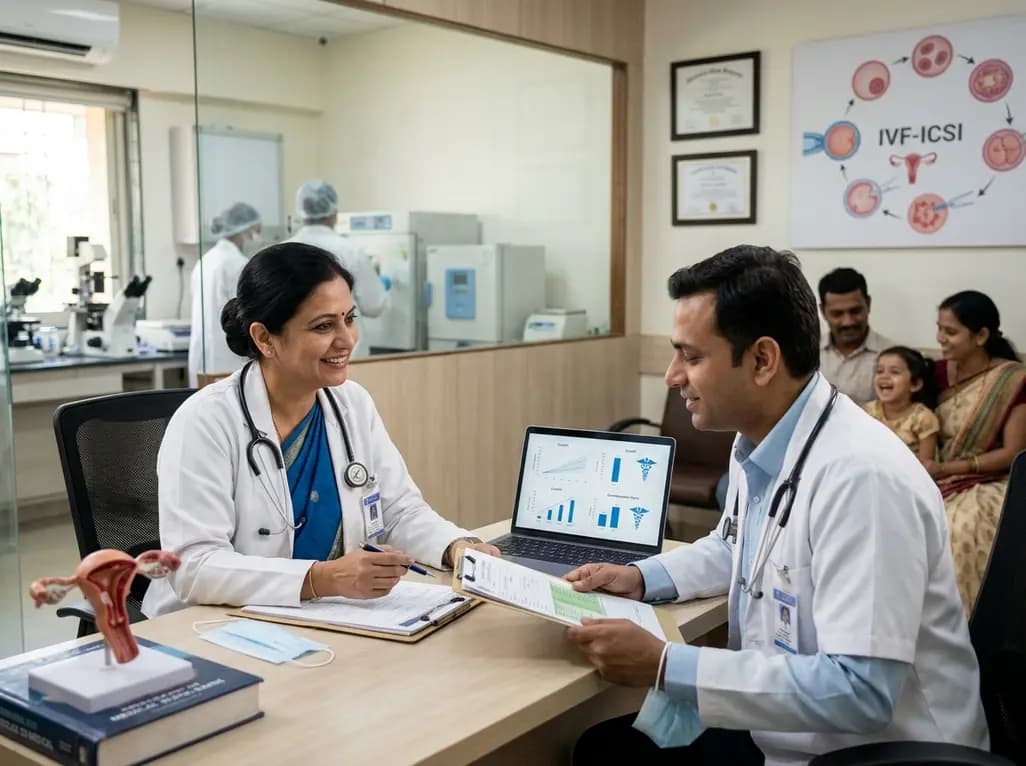
A retrospective cohort study of 5,481 children aged 3–6 years evaluated whether surgical sperm retrieval for ICSI affects offspring cognitive and physical growth compared with ejaculated sperm and IVF. Results demonstrate comparable IQ scores and growth parameters, providing reassuring safety evidence for clinical practice.
Today
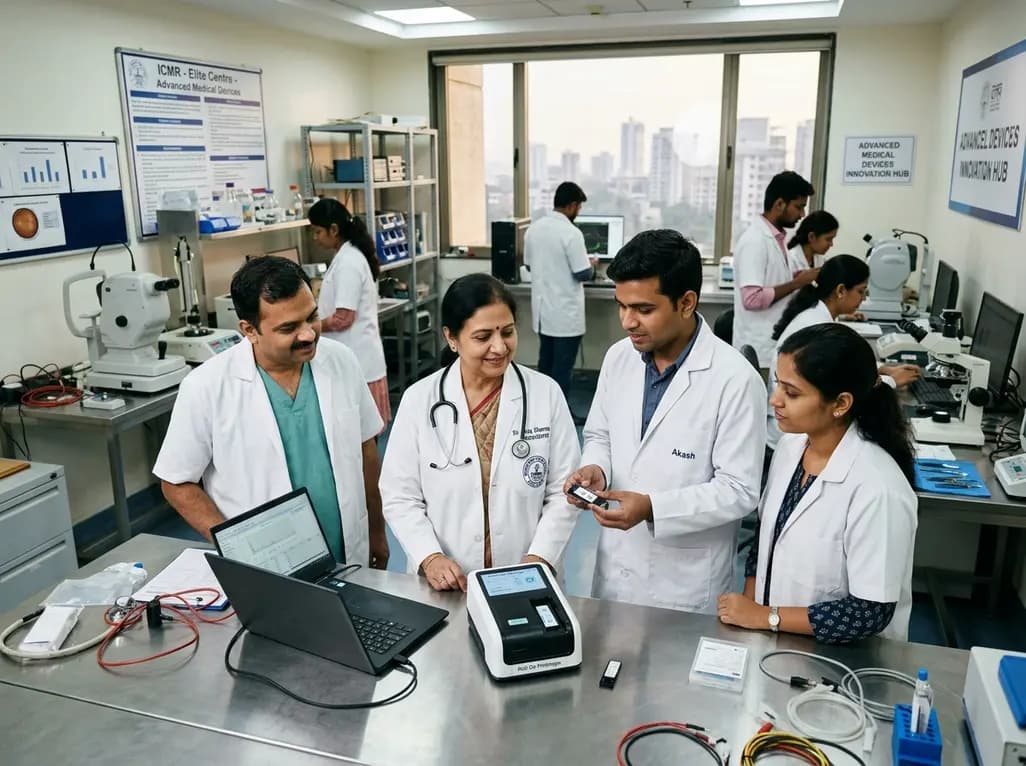
The Indian Council of Medical Research has funded seven top academic hubs to build indigenous healthcare technologies. Targeting point-of-care diagnostics, biomaterials, and ophthalmology, these multidisciplinary centres aim to tackle unmet clinical needs and make medical care affordable across India.
Today

Diagnostic data shows that nearly one in four spine investigations now involve patients younger than 40 years. This comprehensive overview explores the drivers behind this demographic trend, evaluates ergonomic hazards, clarifies red-flag signs, and highlights clinical indications for judicious diagnostic imaging.
Today

A multicenter cross-sectional study of 1,315 adults with type 1 diabetes reveals that the GMI/HbA1c ratio does not independently predict microvascular complications. Clinicians should prioritize sustained time in range and blood pressure management over glycation discordance metrics.
Today
