

Loading, please wait...
Loading, please wait...
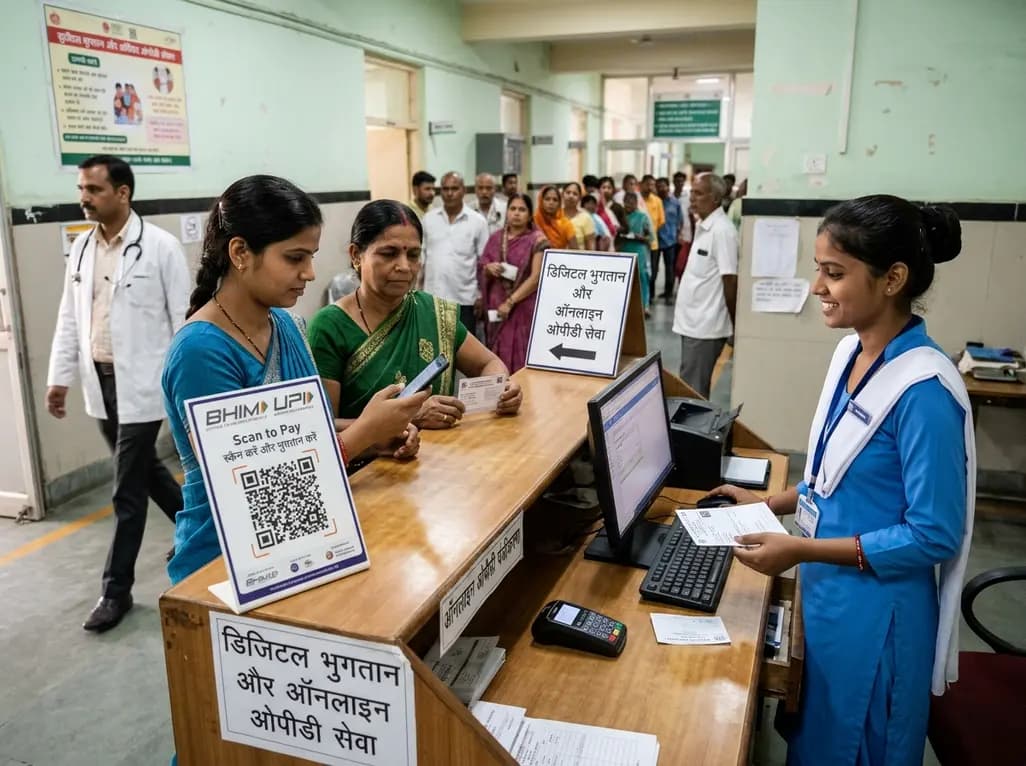
The public healthcare infrastructure across Haryana has entered a progressive era of digital transformation. Patients can now utilize streamlined online OPD registration alongside unified digital transactions to schedule clinical consultations. This statewide deployment modernizes public healthcare delivery while addressing historic administrative challenges. Furthermore, health authorities have successfully operationalized digital billing solutions across hundreds of institutions. Consequently, healthcare providers can now focus more effectively on direct patient care.
The Health and Family Welfare Department in Haryana has expanded its digital infrastructure across multiple tiers of medical care. Specifically, the government has integrated 610 healthcare facilities into a modernized financial and administrative network. This comprehensive rollout includes 23 district civil hospitals and 52 sub-divisional hospitals. Additionally, authorities have incorporated 121 community health centres and 414 primary health centres into this unified system. The network also connects all 23 civil surgeon offices across the state. Therefore, patients throughout urban and rural regions can access identical digital entry points. Previously, overcrowded registration halls created massive bottlenecks during morning hours. Individuals often stood in prolonged queues simply to secure an initial outpatient token. Today, citizens can reserve appointments from home before travelling to the hospital. Moreover, administrative personnel at primary health centres report immediate reductions in morning congestion. This structural shift allows medical staff to schedule clinical consultations with much greater predictability. As a result, outpatient departments maintain better patient flow and reduce cross-infections in waiting lobbies. Furthermore, hospital administrators can allocate nursing personnel more efficiently throughout the operational day.
The state government anchored this digital transition within the robust framework of the e-Upchar Hospital Management Information System. Specifically, health authorities strengthened remote appointment booking across 23 district civil hospitals and 31 civil and sub-civil hospitals. In addition, technicians deployed quick-response code solutions across 118 institutions operating under the central e-Hospital platform. Patients can now utilize interactive Scan and Register kiosks upon entering hospital premises. Consequently, registered visitors generate their digital outpatient slips within seconds using mobile devices. Dedicated help desks and pre-registration queues guide individuals directly to designated clinical consultation rooms. Furthermore, the e-Upchar architecture assigns a permanent Unique Health Identifier to every registered patient. This centralized identity links historical diagnostic investigations, radiological scans, and prescription records across subsequent visits. Doctors can quickly review chronological clinical notes without relying on lost paper slips. Similarly, laboratory technicians upload automated blood and imaging results directly into the digital patient portal. Thus, the integrated digital ecosystem eliminates repetitive paperwork for both clinicians and visiting families. Ultimately, these synchronized platforms lay the groundwork for comprehensive longitudinal health records across the entire state.
Alongside registration reforms, Haryana rolled out Unified Payments Interface options across all 610 health institutions. Financial transactions in government healthcare facilities traditionally involved physical currency exchange at manual counters. However, manual cash handling frequently led to long queues, accounting discrepancies, and delays in issuing payment receipts. The new digital payment system addresses these operational bottlenecks directly. Patients can now execute instant UPI transfers for outpatient registrations, inpatient admissions, and diagnostic radiology fees. Additionally, families can settle nominal tariffs for pathology tests, blood bank requisitions, and certified medico-legal reports digitally. State health officials verified the feasibility of this protocol through a comprehensive pilot project in Panipat. Civil surgeons across all 23 districts then replicated the system within tight operational timelines. Consequently, accounting workflows at district civil hospitals now feature automated reconciliation and transparent ledgers. Moreover, cashier booths experience reduced cash-handling pressure and fewer dispute incidents. Health administrators can easily track departmental revenues through electronic dashboards. Therefore, financial operations maintain high levels of administrative transparency, operational efficiency, and fiscal accountability across public medical centres.
Technological modernization often raises valid concerns regarding accessibility for elderly and economically disadvantaged populations. Fortunately, the Haryana Health Department designed this framework with comprehensive safeguards for digital inclusion. Authorities explicitly mandated that conventional walk-in counters and cash payment desks must remain fully operational. Consequently, patients who lack smartphones or internet connectivity face no obstacles in receiving medical treatment. Senior citizens can continue using traditional paper-based registrations without experiencing administrative exclusion. Meanwhile, on-site hospital volunteers and patient care attendants assist non-tech-savvy visitors with digital navigation. Hospital staff actively demonstrate how family members can book future follow-up appointments from rural homes. Furthermore, facilities maintain bilingual signage and instructional displays in Hindi and English at central corridors. This dual-track approach balances modern efficiency with compassionate, equitable healthcare delivery. As a result, the public healthcare system preserves its vital safety net for underprivileged communities. Thus, technological advancements empower tech-enabled citizens while simultaneously protecting vulnerable patients who rely entirely on conventional hospital workflows.
Digital health interventions generate meaningful advantages for clinical practitioners and hospital administrators. First, pre-registration systems distribute patient footfall evenly throughout the working day. Traditionally, sudden morning surges overwhelmed outpatient consultation suites and compromised individual consultation time. With scheduled arrival windows, doctors can allocate appropriate clinical attention to complex cases. Furthermore, physicians spend substantially less time navigating administrative logbooks or manual fee receipts. In addition, the seamless integration with electronic medical records improves clinical decision-making. Doctors can instantly review previous diagnostic findings, treatment responses, and medication allergies on secure computer terminals. This digital availability prevents redundant laboratory testing and accelerates emergency interventions. Moreover, reduced crowding in hospital lobbies significantly lowers the risk of airborne hospital-acquired infections. Clinicians and nursing teams operate in a more organized, calmer professional setting. Consequently, job satisfaction among public sector healthcare workers improves noticeably. Ultimately, streamlining administrative procedures allows medical teams to dedicate their full focus to diagnostic precision and compassionate clinical management.
Haryana's statewide digital initiative aligns directly with the broader Ayushman Bharat Digital Mission established by India. The mission envisions an interoperable national digital health ecosystem that connects patients, practitioners, and healthcare institutions. By establishing robust payment pathways and digital registries at primary and secondary levels, Haryana creates a replicable template. Other states can observe this successful operational transition across primary health centres and community clinics. Furthermore, the initiative demonstrates that public institutions can execute large-scale digital transitions rapidly with targeted administrative leadership. Civil surgeons and medical superintendents received focused training, enabling full statewide deployment within days following pilot trials. Additionally, capturing structured outpatient data strengthens state-level epidemiological surveillance and public health planning. Health officials can track disease trends, seasonal outbreaks, and pharmaceutical requirements with high geographic precision. Therefore, digital registration counters serve not merely as administrative tools, but as critical data collection nodes. As technology continues to evolve, public healthcare institutions will leverage these digital interfaces to provide telemedicine, remote monitoring, and automated preventive health alerts.
Q1: Which public healthcare facilities in Haryana have implemented digital payments and online registration?
The Haryana Health Department has operationalized digital payments across 610 public medical centres throughout the state. This comprehensive deployment includes all 23 district civil hospitals, 52 civil and sub-divisional hospitals, 121 community health centres, and 414 primary health centres. In addition, administrative offices of civil surgeons in all 23 districts accept digital payments. Furthermore, e-Upchar and e-Hospital platforms facilitate pre-registration across district and sub-divisional medical institutions statewide.
Q2: Can patients without smartphones still access hospital registration and pay in cash?
Yes, government hospitals continue to operate conventional walk-in registration desks and manual cash counters. Health authorities explicitly designed this system to prevent the exclusion of individuals without smartphones, internet access, or digital literacy. Patients, especially elderly citizens and rural residents, can obtain standard physical OPD slips and pay any applicable fees using paper currency. Hospital staff and support personnel remain present on-site to assist visitors who require manual administrative services.
Q3: Which hospital services accept UPI payments under this new state initiative?
Patients can utilize UPI to pay for multiple diagnostic, administrative, and clinical services across public healthcare facilities. While primary consultations remain largely free, chargeable services include outpatient registration tokens, inpatient admission tariffs, and diagnostic radiology or laboratory investigations. Additionally, patients can remit fees digitally for medico-legal case reports, duplicate medical records, and blood bank issues. Dedicated Scan and Pay QR codes simplify transactions at hospital billing counters without requiring cash.
Disclaimer: This content is for informational and educational purposes only. It does not constitute medical advice or replace professional judgment. Refer to the latest local and national guidelines for clinical practice.
References

Read summarized clinical updates, watch expert medical content, and earn CME certifications right from your smartphone.
Open your smartphone camera to scan and install.





Public healthcare institutions across Haryana have adopted Unified Payments Interface transactions and expanded digital pre-registration counters. The initiative spans 610 facilities, including district civil hospitals, community health centres, and primary health clinics to streamline patient care workflows.
Today

A multicenter study introduces BAT-AKI, a biomarker-aware transformer that achieves superior acute kidney injury prediction and post-onset prognostic modeling across diverse hospital electronic health record systems.
Today
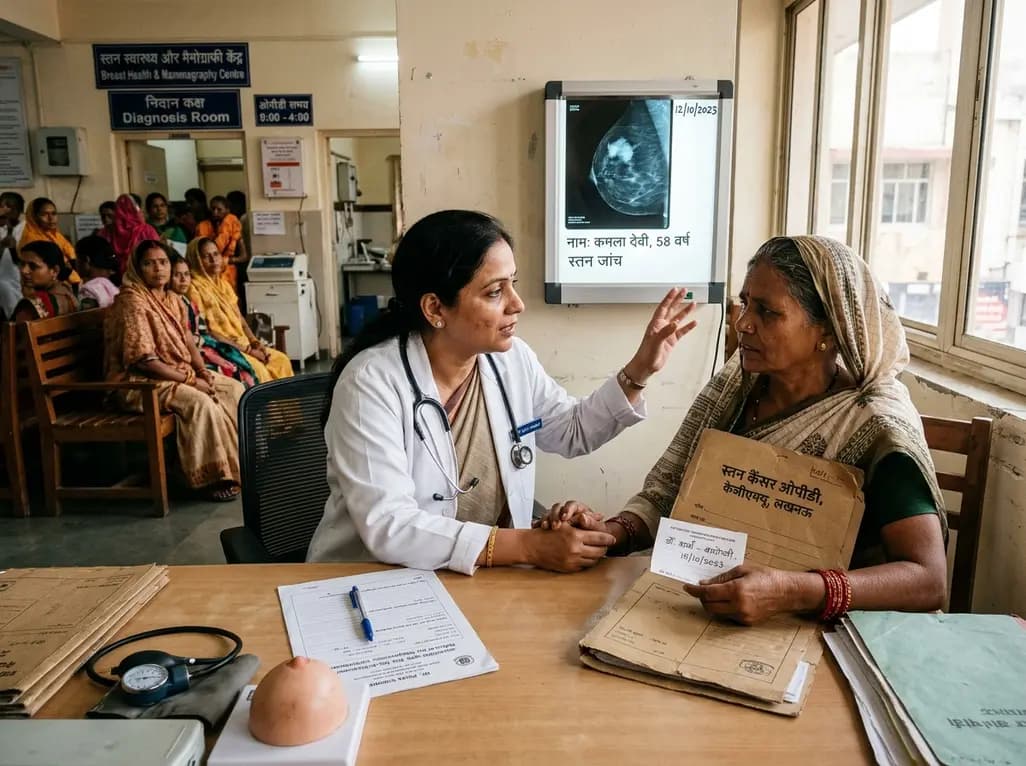
A KGMU study reveals over half of women with breast abnormalities fail to undergo diagnostic confirmation, leading to advanced-stage detection. Discover the socio-cultural barriers, clinical risks of incomplete resection, and community-level solutions needed to bridge the critical screening-to-diagnosis gap in India.
Yesterday
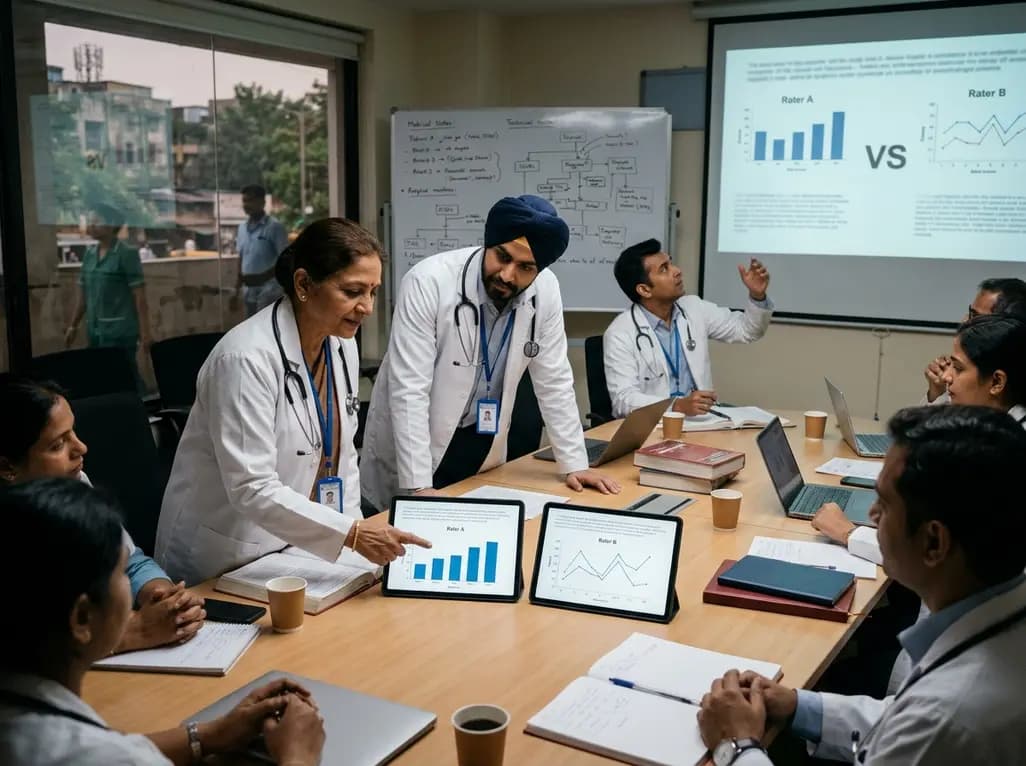
A controlled evaluation reveals that AI raters in clinical LLM benchmarking disagree significantly due to divergent scoring models, challenging automated healthcare AI validation.
Today
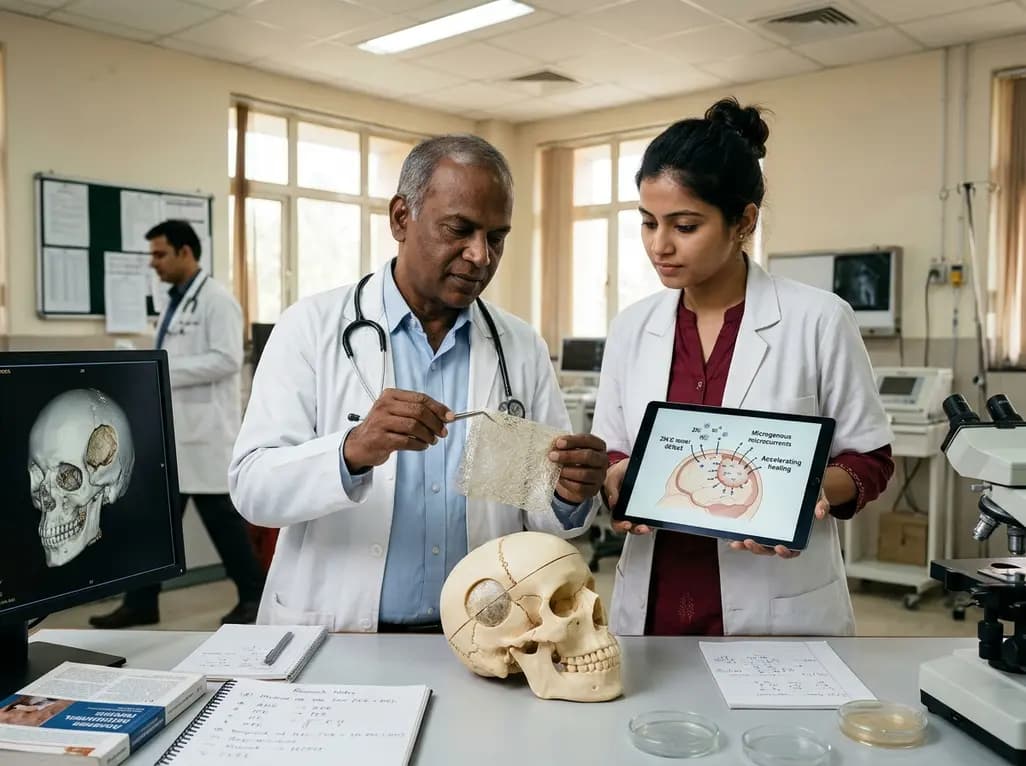
Researchers have engineered a self-powered Zn/C micro-galvanic electrospun membrane that couples sustained zinc release with endogenous microcurrents. This bioelectric scaffold stimulates M2 macrophage polarization and accelerates bone deposition to achieve robust cranial defect regeneration.
Today

A meta-analysis of 18 studies reveals that bariatric surgery does not significantly alter circulating homocysteine levels, regardless of follow-up duration. Clinicians must maintain vigilance over post-surgical micronutrient supplementation to prevent hyperhomocysteinemia.
Today
