.webp&w=384&q=75)

Loading, please wait...
Loading, please wait...
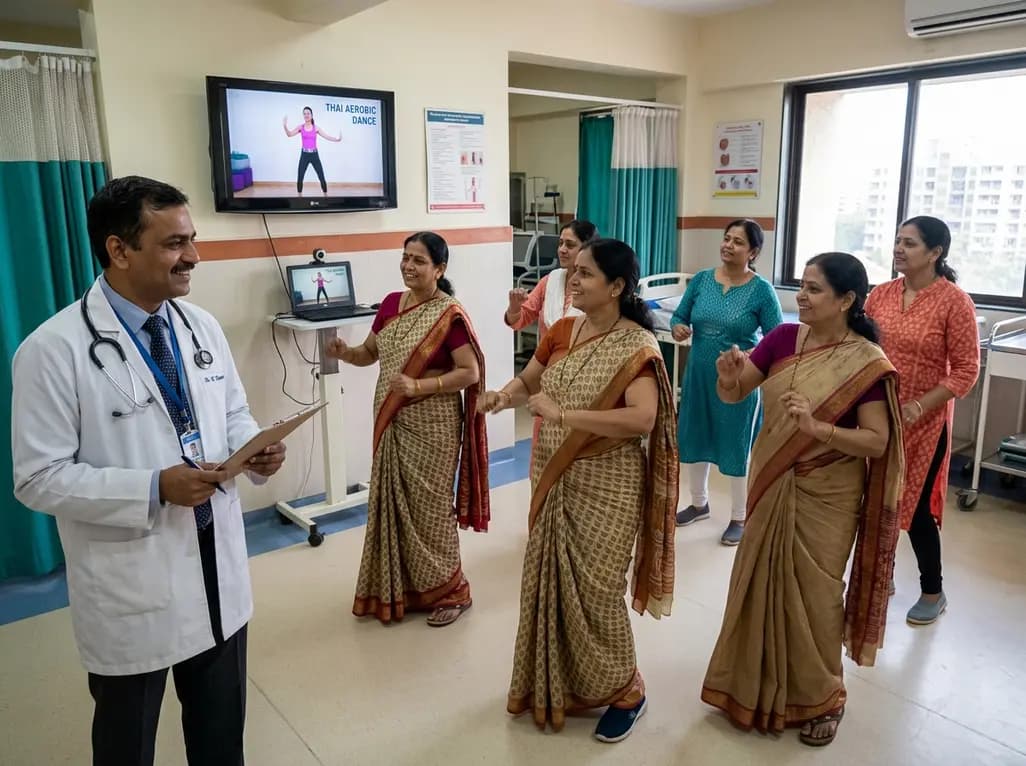
The menopausal transition introduces major endocrine shifts that alter cardiopulmonary efficiency, musculoskeletal tone, and ventilatory capacity. Clinicians frequently encounter postmenopausal individuals who experience subtle respiratory declines, decreased physical endurance, and elevated resting respiratory rates. Structured physical activity provides substantial physiological benefits, yet conventional gym-based exercise regimens often face barriers related to adherence, accessibility, and cultural engagement. Emerging clinical evidence highlights aerobic Thai dance as an accessible, home-based telehealth modality that enhances respiratory parameters and aerobic endurance in middle-aged women. Incorporating rhythmic movement with controlled breathing, this unique exercise strategy offers clinicians an innovative, non-pharmacological tool to counter age-related physiological declines.
Estrogen deficiency during perimenopause and postmenopause exerts profound effects on multiple organ systems beyond the reproductive tract. Declining circulating estrogens directly compromise thoracic wall compliance, reduce respiratory muscle strength, and diminish overall lung elasticity. Furthermore, estrogen receptors present within pulmonary tissue and vascular endothelium modulate airway reactivity, nitric oxide production, and alveolar gas exchange dynamics. As hormonal levels fall, women frequently exhibit lower forced vital capacity, decreased forced expiratory volume, and compromised maximal inspiratory pressures.
Simultaneously, postmenopausal women experience sarcopenia and progressive loss of core trunk stability. These structural modifications impair diaphragm excursion and diminish accessory respiratory muscle endurance during exertion. Consequently, women may develop a higher baseline respiratory rate, diminished functional reserve, and reduced exercise tolerance. These respiratory limitations often accelerate physical deconditioning and worsen perceived fatigue during routine daily activities. Furthermore, reduced ventilatory efficiency contributes to autonomic dysregulation, higher cardiovascular strain, and heightened psychological stress. Clinicians must recognize that respiratory decline represents a critical, often underappreciated component of menopausal health. Routine clinical assessment should address pulmonary endurance alongside bone density, metabolic risk, and vasomotor symptoms. Early lifestyle interventions that target respiratory mechanics can prevent functional deterioration and support long-term vitality.
A recent randomized controlled trial evaluated the therapeutic utility of a structured home-based tele-exercise program among menopausal women aged 45 to 59 years. The investigators randomized twenty-two participants into either a sedentary control group maintaining habitual daily routines or an experimental group undertaking supervised online aerobic Thai dance sessions. The intervention protocol spanned ten weeks, featuring three supervised live-streamed sessions per week conducted entirely at home. Researchers performed comprehensive pre-intervention and post-intervention physiological testing to assess dynamic spirometric variables, respiratory muscle strength, and overall cardiorespiratory capacity.
The trial results demonstrated meaningful physiological adaptations among participants adhering to the digital dance regimen. Women in the aerobic Thai dance cohort showed a statistically significant reduction in resting respiratory rate compared to baseline values, reflecting enhanced ventilatory efficiency. In addition, the dance intervention led to substantial gains in respiratory muscle strength and dynamic lung volumes, contrasting sharply with the sedentary control group. Because participants exercised via supervised digital tele-rehabilitation, the protocol ensured correct postural alignment, proper breathing synchronization, and consistent exercise intensity. These findings demonstrate that online exercise delivery offers an effective, scalable platform to deliver structured aerobic conditioning. Clinicians can utilize such evidence to recommend structured remote exercise programs to menopausal patients who face geographic or time constraints.
Traditional Thai dance integrates rhythmic, multi-planar upper-limb movements, trunk rotations, and synchronized diaphragmatic breathing patterns. These choreographed upper-body postures require sustained activation of the pectoralis, serratus anterior, intercostal, and latissimus dorsi muscle groups. Consequently, continuous arm elevation and thoracic expansion during dance choreography stretch the thoracic cage, promote costovertebral joint mobility, and facilitate deeper lung inflation. This dynamic chest expansion directly improves maximal inspiratory and expiratory pressures, reinforcing ventilatory pump mechanics.
Furthermore, aerobic dance demands continuous metabolic adaptation, which progressively stimulates cardiopulmonary endurance. The rhythmic tempo encourages participants to regulate their ventilatory pacing, shifting their breathing pattern from shallow, rapid apical breathing to efficient, deep diaphragmatic breaths. This breathing retraining reduces dead-space ventilation and enhances alveolar ventilation efficiency, explaining the observed reduction in resting respiratory rate. Additionally, regular aerobic conditioning improves microvascular perfusion, optimizes peripheral oxygen extraction, and strengthens autonomic cardiovascular control through vagal modulation. The combination of core muscle engagement, postural re-education, and continuous aerobic stimulus creates a potent physiological synergy. Therefore, aerobic dance routines function not merely as caloric expenditure tools, but as sophisticated kinetic and ventilatory rehabilitation therapies tailored for aging neuromuscular systems.
Modern healthcare delivery increasingly emphasizes remote home-based interventions to improve patient engagement and overcome logistical barriers. Menopausal women often manage demanding occupational and familial responsibilities, which frequently impede regular attendance at physical fitness facilities or outpatient rehabilitation clinics. Supervised online exercise platforms bridge this accessibility divide by delivering expert-guided instructional sessions directly into the home environment. Real-time video feedback ensures that participants maintain proper biomechanical alignment and exercise within target cardiovascular intensity zones while minimizing musculoskeletal injury risks.
Moreover, group-based digital exercise classes foster social cohesion, mutual accountability, and sustained intrinsic motivation among participants. The enjoyable musical and cultural elements of dance choreography reduce the perceived exertion associated with high-effort aerobic regimens. Consequently, compliance rates remain exceptionally high in dance-based interventions compared to monotonous stationary gym exercises. Patients report greater satisfaction when exercise incorporates creative artistic expression alongside physiological conditioning. Clinicians can confidently recommend telehealth-supported movement modalities knowing that supervised remote platforms provide safety, accountability, and measurable clinical efficacy. Integrating digital tele-exercise into standard preventive care protocols allows medical practitioners to support health promotion across diverse patient demographics without demanding excessive clinic resources.
The findings of this randomized controlled trial carry practical implications for physicians managing midlife women in routine outpatient practice. Cardiorespiratory fitness serves as an independent predictor of all-cause mortality, cardiovascular health, and cognitive function in postmenopausal populations. Therefore, primary care physicians, gynecologists, and pulmonologists should actively screen for physical inactivity and respiratory fatigue during midlife wellness visits. Rather than prescribing generic exercise advice, medical practitioners can discuss structured, enjoyable, and culturally adaptable aerobic dance programs as proven therapeutic options.
Furthermore, integrating rhythmic aerobic training into preventive care plans can mitigate the cardiometabolic risks that accelerate after menopause. Enhanced respiratory muscle strength and ventilatory efficiency improve functional exercise capacity, enabling women to engage more actively in daily functional tasks. Dance interventions also promote balance, neuromuscular coordination, and bone mechanical loading, thereby reducing future fall and fracture risks. When counselling menopausal patients, clinicians should emphasize that non-traditional exercise formats—such as dance aerobics—yield robust pulmonary and cardiovascular adaptations comparable to conventional training. Ultimately, incorporating evidence-based, enjoyable movement strategies into routine lifestyle counseling empowers women to sustain active, healthy lifestyles throughout their postmenopausal years.
Menopause triggers a sharp decline in circulating estrogen levels, which adversely impacts connective tissue elasticity, chest wall compliance, and skeletal muscle mass. Consequently, the diaphragm and intercostal muscles experience reduced contractile strength and endurance. These physiological alterations reduce vital capacity, diminish peak inspiratory pressure, and cause an elevated resting respiratory rate. Additionally, loss of trunk muscle stability impairs optimal thoracic expansion during breathing, leading to progressive ventilatory fatigue during physical exertion.
Aerobic Thai dance combines expressive upper-body choreography, continuous trunk rotation, and rhythmic, paced respiration. Raising and extending the arms during traditional dance postures actively stretches the thoracic cage and strengthens accessory respiratory muscles, including the serratus anterior and pectoralis groups. Furthermore, the moderate aerobic demand stimulates cardiovascular endurance and retrains women to breathe deeply and slowly. This dual kinetic and ventilatory stimulation improves lung volumes, increases respiratory muscle force, and optimizes alveolar gas exchange.
Yes, supervised home-based online tele-exercise provides robust physiological improvements comparable to facility-based training programs. Real-time digital supervision ensures that participants perform movements with correct technique, maintain proper breathing patterns, and stay within safe cardiovascular intensity ranges. Furthermore, home-based tele-exercise eliminates travel barriers, enhances scheduling convenience, and supports higher long-term adherence. These factors make supervised remote exercise an effective, safe, and sustainable strategy for enhancing cardiorespiratory fitness in menopausal women.
Disclaimer: This content is for informational and educational purposes only and is not intended to serve as medical advice, clinical guidance, or professional diagnosis. Healthcare professionals must use their clinical judgment when applying this information, considering individual patient needs and varying clinical contexts. Refer to the latest local and national guidelines for clinical practice.
References

Read summarized clinical updates, watch expert medical content, and earn CME certifications right from your smartphone.
Open your smartphone camera to scan and install.





A 10-week randomized controlled trial reveals that online aerobic Thai dance significantly improves respiratory muscle strength, ventilatory efficiency, and aerobic capacity in menopausal women, offering an accessible tele-exercise strategy for midlife pulmonary health.
last month
With post-monsoon dengue surges threatening South Asian health systems, physicians must refine triage and management. This guide covers vital warning signs, plasma leakage detection, crystalloid titration, and vector containment strategies to prevent mortality during seasonal arboviral epidemics.
Today
Findings from Project Viva indicate that sustained postpartum weight retention, rather than excessive gestational weight gain alone, directly worsens women's mid-life cardiovascular health, degrading blood pressure and glycemic parameters decades after delivery.
Today
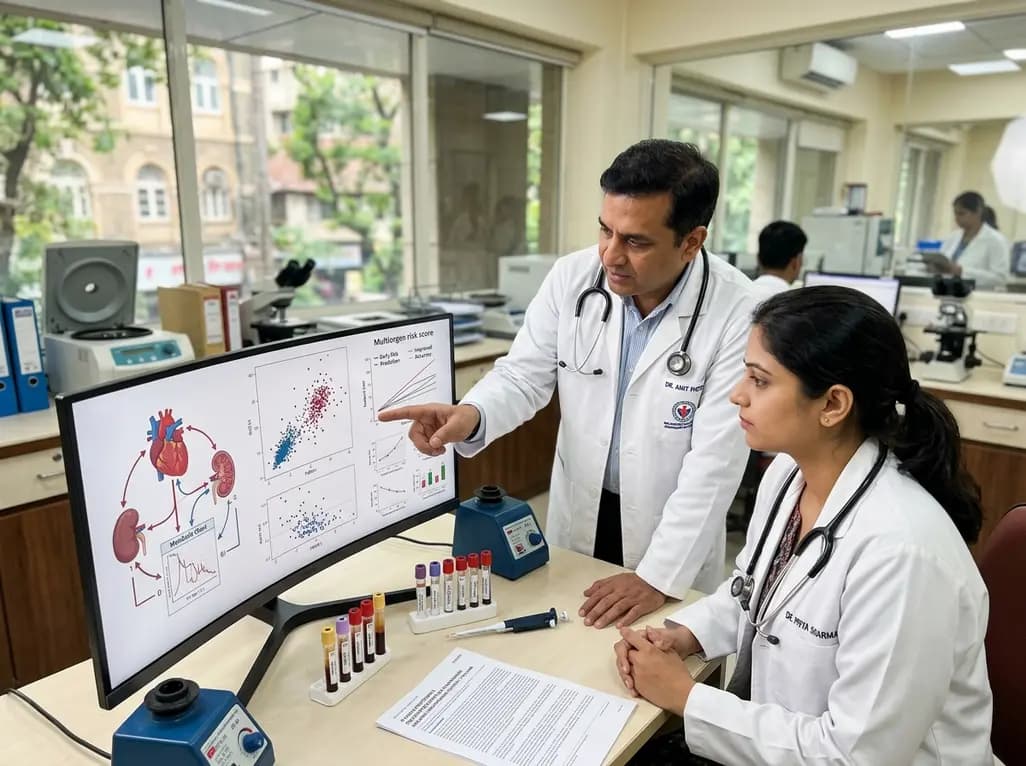
A large UK Biobank study reveals that plasma proteomic signatures capture preclinical organ damage and improve multiorgan risk prediction across early CKM syndrome stages 0 to 2 beyond traditional PREVENT clinical models.
Today
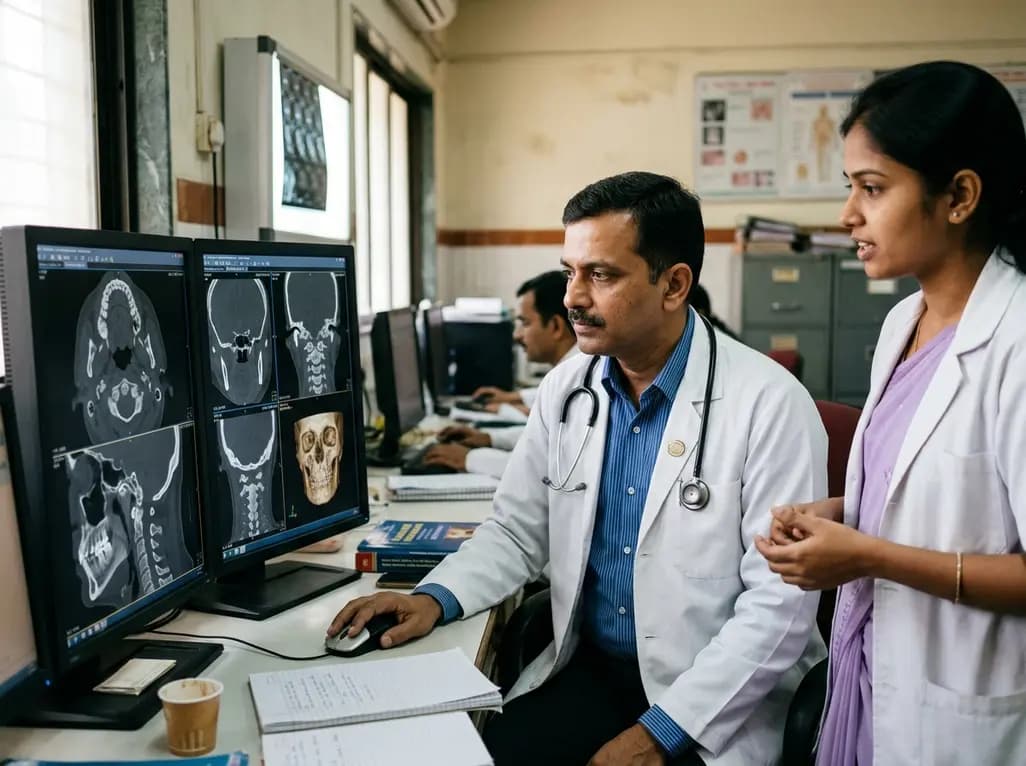
A retrospective CBCT study reveals that superior TMJ space asymmetry correlates moderately with occipital condyle-atlas-axis asymmetry in unilateral TMJ osteoarthritis, highlighting an imaging correlate between jaw biomechanics and upper cervical alignment rather than a standalone diagnostic marker.
Today

A Bayesian multilevel meta-analysis reveals that aerobic training combined with moderate carbohydrate restriction modestly lowers HbA1c in type 2 diabetes. However, sparse data and very low certainty leave incremental benefits over exercise or diet alone unproven, highlighting the need for individualized care.
Today
