

Loading, please wait...
Loading, please wait...

Topical omidenepag isopropyl 0.002% represents a significant pharmacologic advancement in glaucoma management. Clinicians continually search for effective agents that lower intraocular pressure without causing severe adverse effects. Traditional prostaglandin analogues frequently produce periorbital fat atrophy and conjunctival hyperpigmentation. Consequently, ophthalmic specialists welcome innovative non-prostaglandin receptor agonists into clinical practice. Omidenepag isopropyl acts selectively on prostanoid EP2 receptors to facilitate aqueous drainage. Recent long-term clinical data provide critical insights into this agent over extended periods. Specifically, researchers tracked patients over twenty-four months to analyze pressure control and ocular metrics.
Moreover, clinicians require dependable data regarding anterior chamber dynamics during prolonged medical therapy. Central corneal thickness and anterior chamber depth directly influence glaucoma diagnosis and disease monitoring. Therefore, evaluating structural fluctuations alongside tonometric outcomes remains essential for comprehensive eye care. This retrospective longitudinal study analyzed real-world clinical records of adult patients receiving continuous medical treatment. Overall, the findings confirm durable pressure control with notable stability across anatomical parameters.
Unlike conventional prostaglandin F2-alpha analogues, omidenepag isopropyl operates through a distinct biological mechanism. Specifically, the active metabolite binds selectively to the prostanoid EP2 receptor within the eye. This targeted stimulation enhances aqueous humor drainage through both trabecular and uveoscleral outflow pathways. In contrast, standard prostaglandin therapies increase fluid movement predominantly through the uveoscleral route alone. Therefore, the dual-outflow mechanism offers robust pressure control across diverse patient cohorts.
Additionally, this unique receptor selectivity prevents activation of FP receptors. As a result, patients rarely experience classic prostaglandin-associated periorbitopathy syndrome during sustained usage. Clinicians frequently encounter cosmetic complications, such as deepening of the upper eyelid sulcus, with older therapies. Furthermore, omidenepag avoids irreversible iris discoloration and excessive periocular fat remodeling. Thus, the pharmacodynamic profile makes omidenepag an appealing alternative for individuals requiring lifelong pressure control. Eye care specialists can safely employ this agent as initial monotherapy or as an adjunctive choice.
Long-term tonometric efficacy remains the ultimate benchmark for any medical glaucoma therapy. In this clinical evaluation, patients achieved statistically significant intraocular pressure reductions across every study interval. Specifically, clinicians documented robust pressure decreases from baseline through six, twelve, eighteen, and twenty-four months. The investigators utilized Goldmann applanation tonometry to obtain accurate, standardized ocular tension values. Furthermore, linear mixed-effects models verified that the pressure reductions remained highly significant after controlling for inter-eye correlation.
Consequently, patients demonstrated dependable pressure stability throughout the entire two-year monitoring phase. Notably, the medication preserved meaningful pressure control without evidence of late tachyphylaxis. In clinical practice, many ocular hypotensive drops lose efficacy over prolonged periods. However, omidenepag isopropyl consistently maintained lower target pressures across diverse glaucoma subtypes. Therefore, practitioners can confidently recommend this regimen to maintain visual field stability and prevent progressive optic nerve neuropathy.
Ophthalmologists must routinely assess anterior segment parameters because structural alterations affect applanation readings. In this cohort, investigators utilized Scheimpflug corneal topography to evaluate central corneal thickness and anterior chamber depth. Interestingly, clinicians observed slight, transient fluctuations in corneal thickness during initial therapy cycles. Specifically, central corneal measurements increased modestly before stabilizing over extended follow-up visits. Furthermore, anterior chamber depth exhibited minor, reversible shifts that caused no visual deterioration.
Importantly, these biometric alterations resolved spontaneously as treatment progressed toward the twenty-four-month milestone. Moreover, linear mixed-effects modeling confirmed that long-term structural parameters returned close to original baseline values. Consequently, clinicians do not need to adjust their target pressure interpretations for permanent pachymetric alterations. In addition, corneal curvature and keratometric readings showed consistent anatomical stability across all evaluation checkpoints. Therefore, the ocular anterior segment tolerates continuous exposure to the active compound without experiencing progressive structural distortion.
Refractive stability represents an important clinical outcome for individuals undergoing long-term ocular therapy. During the initial treatment phase, some patients developed mild, transient myopic shifts. However, autorefractor-keratometer examinations revealed that these refractive alterations remained completely reversible over time. Moreover, patients did not report permanent visual acuity loss or debilitating optical distortions. Therefore, optometrists and ophthalmologists can reassure patients that early refractive fluctuations generally resolve with ongoing therapy.
Additionally, the overall safety profile remained favorable throughout the entire twenty-four months of administration. Mild conjunctival hyperemia occurred in a small subset of treated eyes. Nevertheless, most cases remained mild and resolved without requiring treatment cessation. Crucially, investigators observed no cases of serious systemic complications or persistent sight-threatening events. In contrast to older prostaglandin options, patients maintained normal periocular tissue architecture. Consequently, high patient adherence supported consistent therapeutic efficacy over the full two-year course.
These two-year findings provide compelling support for integrating omidenepag isopropyl into contemporary ophthalmic practice. Clinicians can confidently prescribe this agent for treatment-naive individuals and patients experiencing prostaglandin intolerance. Furthermore, patients who fail to achieve adequate pressure targets on conventional monotherapy often respond favorably to this novel EP2 agonist. Because the drop promotes dual outflow, it functions synergistically alongside aqueous suppressants such as beta-blockers or carbonic anhydrase inhibitors.
However, eye care professionals should maintain systematic clinical monitoring throughout the therapeutic course. Specifically, practitioners should measure central corneal thickness, anterior chamber depth, and refraction during initial follow-up visits. This proactive strategy allows clinicians to differentiate benign, self-limiting refractive fluctuations from disease progression. Ultimately, omidenepag isopropyl provides durable pressure lowering while preserving ocular surface health and anterior segment architecture. Therefore, it stands as a cornerstone therapy for modern medical glaucoma protocols.
Omidenepag isopropyl functions as a selective prostanoid EP2 receptor agonist rather than an FP receptor agonist. Consequently, it stimulates both trabecular meshwork and uveoscleral outflow pathways to drain aqueous humor. Furthermore, this medication avoids classical prostaglandin-associated periorbitopathy syndrome, such as deepening of the upper eyelid sulcus or fat atrophy. Clinicians also observe fewer permanent iris color modifications, making it a well-tolerated alternative for long-term intraocular pressure reduction.
No, clinical research confirms that changes in central corneal thickness and refraction remain transient and reversible. During the initial months of therapy, some patients experience mild corneal thickening and minor myopic refractive shifts. However, longitudinal evaluations demonstrate that these anterior segment parameters gradually stabilize and return toward baseline levels by twenty-four months. Therefore, practitioners can reassure patients that early optical or pachymetric changes will not permanently impair visual outcomes.
Patients with primary open-angle glaucoma, normal-tension glaucoma, or ocular hypertension achieve significant benefits from this medication. Specifically, individuals who experience cosmetic periorbital side effects from traditional prostaglandin analogues represent ideal candidates for switching. In addition, patients who fail to reach target pressures with FP agonists often respond favorably due to the dual outflow mechanism. Eye care providers can safely prescribe it as first-line monotherapy or as an effective adjunctive agent.
Disclaimer: This content is for informational and educational purposes only... Refer to the latest local and national guidelines for clinical practice.
References

Read summarized clinical updates, watch expert medical content, and earn CME certifications right from your smartphone.
Open your smartphone camera to scan and install.





A 24-month clinical study evaluates omidenepag isopropyl 0.002% in glaucoma. The therapy provided durable intraocular pressure reduction with transient, reversible changes in central corneal thickness, anterior chamber depth, and refraction, offering clinicians a reliable non-PGA treatment option.
Today
A comprehensive practical review detailing a phenotype-guided approach to the pharmacological management of POTS. Learn how to tailor off-label pharmacotherapy across neuropathic, hypovolemic, and hyperadrenergic subtypes, while navigating the complex POTS-hEDS-MCAS triad in routine practice.
Today
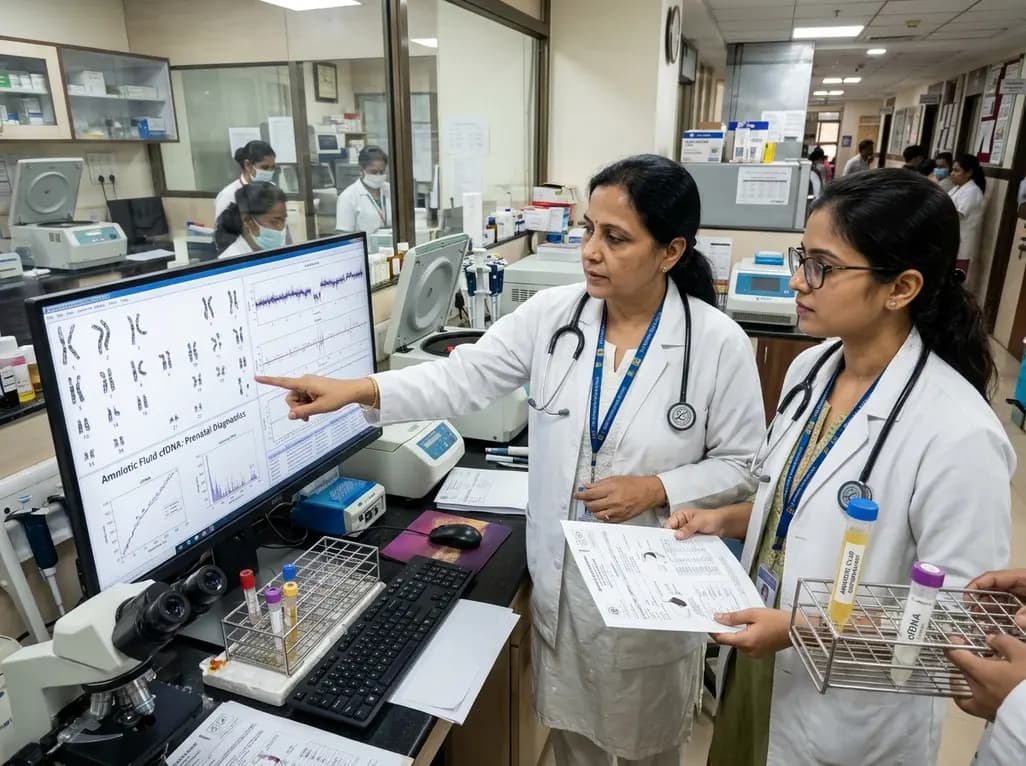
Amniotic fluid cell-free DNA offers a rapid alternative to cultured amniocytes in prenatal testing. With high yield, lack of maternal contamination, and full concordance across microarrays and exome sequencing, it dramatically cuts diagnostic turnaround time.
Today
Time-use diary research maps 24-hour physical activity and dietary habits, providing clinicians with vital insights into temporal patterns, time poverty, and lifestyle modifications essential for noncommunicable disease prevention.
Today
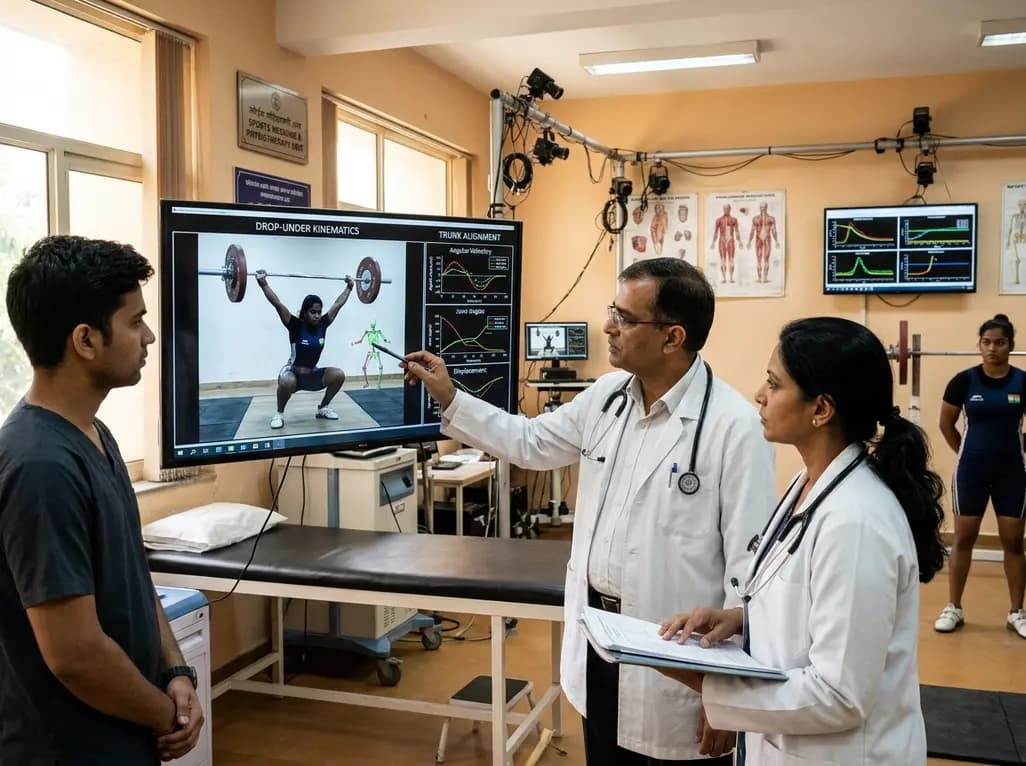
A systematic review of 15 studies and 574 competitive weightlifters establishes normative benchmarks for snatch drop-under kinematics, highlighting turnover speed, horizontal displacement, and trunk alignment to optimize performance and prevent overhead injuries.
Today
Investigating the patterns, barriers, and facilitators of sedentary behaviour, physical activity, and nutrition among hybrid employees working from home, with practical recommendations for clinicians managing cardiometabolic and musculoskeletal health.
Today
