

Loading, please wait...
Loading, please wait...

Modern lifestyle medicine emphasizes that human health reflects a continuous cycle of activities across every 24-hour period. In contemporary clinical practice, lack of time remains the primary barrier preventing patients from maintaining regular exercise and nutritious dietary practices. Emerging time-use diary research provides a rigorous epidemiological framework to capture these daily interactions comprehensively.
Historically, clinical guidelines evaluated exercise, sleep duration, and nutritional intake as isolated lifestyle factors. However, contemporary physiology demonstrates that these daily behaviors operate in an interconnected 24-hour compositional loop. For instance, when individuals spend excessive hours at office desks, this occupational demand directly diminishes leisure recreation and home meal preparation. Consequently, persistent sleep curtailment often triggers nocturnal cravings and metabolic dysregulation. Moreover, prolonged sitting suppresses skeletal muscle lipoprotein lipase activity, elevating postprandial glucose levels. Therefore, clinicians must evaluate how patients distribute their entire day rather than isolating individual health habits. Time-use investigations systematically record waking routines, transportation modes, occupational duties, and leisure intervals. Furthermore, this broad perspective reveals how subtle time deficits accumulate into severe cardiovascular risks over time. By analyzing these continuous behavioral flows, healthcare providers can pinpoint where patients encounter substantial lifestyle friction. Ultimately, viewing daily routines through an integrated 24-hour framework helps physicians deliver practical, sustainable guidance that aligns with modern workplace realities.
The scoping review protocol establishes a rigorous methodology to map diary practices across global populations. Specifically, time-use diary research relies on free-living participants recording consecutive activities across at least one full 24-hour cycle. Unlike retrospective dietary recall questionnaires, real-time diaries accurately document the duration, timing, and environmental setting of every event. Furthermore, diary instruments effectively capture secondary behaviors, such as eating during screen viewing or walking during workplace phone calls. The scoping protocol evaluates comprehensive literature across five primary biomedical databases, including MEDLINE, Embase, PsycInfo, Scopus, and Web of Science. Additionally, two independent investigators screen candidate records following established Joanna Briggs Institute methodological standards. This rigorous procedure examines how past studies operationalized physical activity thresholds, culinary preparation intervals, and dietary occasions. Consequently, the synthesized evidence will clarify which diary methodologies assess multi-behavioral interactions most effectively. Moreover, the review determines whether existing studies linked diary parameters to clinical outcomes like glycemia or hypertension. Therefore, standardized diary methods will significantly strengthen future preventive health research and lifestyle interventions.
Daily health behaviors do not occur in an environmental vacuum. Instead, social structures and physical surroundings constantly dictate when, where, and why individuals eat or exercise. For example, long vehicular commutes often force commuters to consume processed convenience foods inside transit vehicles. In contrast, access to workplace cafeterias with fresh produce encourages balanced nutritional selections during brief lunch intervals. Furthermore, domestic responsibilities and familial obligations directly govern evening physical activity opportunities. When working parents prioritize family care duties after office hours, exercise typically disappears from their daily calendar. Time-use records capture these contextual realities by documenting the physical location and social companionship associated with each event. Consequently, researchers can identify predictable temporal clusters, such as late-night television viewing paired with calorie-dense snacking. Similarly, sedentary recreational screen time frequently promotes mindless overeating, accelerating cardiometabolic deterioration. Therefore, physicians must understand that unhealthy habits remain anchored in daily environmental circumstances. Addressing these situational triggers enables targeted behavioral counseling rather than generic clinical instructions.
Clinicians frequently struggle to motivate patients who express frustration regarding severe time scarcity. However, objective time allocation data reveal hidden opportunities for positive behavioral substitution within normal weekly routines. For instance, replacing thirty minutes of passive television viewing with brisk walking produces clinically meaningful reductions in cardiovascular mortality. Furthermore, brief activity intervals distributed throughout work shifts markedly improve postprandial glycemic excursions in patients with type 2 diabetes. Compositional data analysis confirms that reallocating sedentary time toward light or moderate movement preserves vascular endothelial function. Additionally, structured meal timing supports circadian alignment, optimizing peripheral insulin sensitivity and metabolic efficiency. Therefore, healthcare providers should encourage patients to maintain simple personal activity diaries for several days. Reviewing these records during follow-up consultations helps clinicians pinpoint specific time pockets suitable for healthy substitutions. Moreover, this collaborative approach empowers patients to manage their daily schedules rather than feeling defeated by unrealistic targets. Ultimately, modest temporal reallocations generate profound long-term health improvements.
Non-communicable diseases, notably type 2 diabetes and premature coronary disease, represent an urgent public health crisis across India. Rapid urbanization, intense corporate schedules, and prolonged traffic commutes create acute time poverty among Indian working adults. Consequently, many urban professionals rely heavily on commercial delivery apps for dinner, substantially increasing trans fat and refined carbohydrate consumption. Furthermore, physical inactivity remains exceptionally prevalent among urban Indian women who juggle demanding professional careers and intensive domestic obligations. Therefore, adopting time-use assessment principles within Indian outpatient consultations offers immediate practical utility. When physicians understand localized daily schedules, they can design pragmatic interventions that align with cultural and logistical constraints. For example, recommending bodyweight resistance exercises during brief television pauses overcomes the barrier of expensive gym memberships. Similarly, advising structured meal preparation on weekends reduces weeknight dependence on high-glycemic street food. Hence, lifestyle counseling must reflect the reality of Indian urban living. Ultimately, addressing temporal constraints bridges the gap between clinical guidelines and everyday compliance.
Conventional dietary recalls ask patients to remember foods eaten over the previous day, often omitting contextual details. In contrast, time-use diary research captures dietary intake alongside surrounding activities, locations, and social settings across twenty-four hours. Furthermore, this method documents secondary eating, such as snacking while working or driving. Consequently, clinicians gain a comprehensive understanding of emotional or situational triggers that promote overeating, enabling far more targeted lifestyle interventions.
A complete day contains exactly twenty-four hours, creating a finite compositional constraint for all human behaviors. When patients expand time spent in sedentary occupations, they inevitably reduce sleep or physical activity. Furthermore, modern metabolic research shows that moving thirty minutes from prolonged sitting to brisk walking markedly improves insulin sensitivity and glycemic control. Therefore, managing cardiometabolic diseases requires reallocating daily minutes across sleep, sedentary time, and physical activity rather than treating behaviors independently.
Clinicians can advise time-poor individuals to adopt activity snacking, which involves spreading short three- to five-minute bouts of movement throughout workdays. Additionally, patients can integrate active commuting, stair climbing, and standing phone calls without needing dedicated gym visits. Furthermore, reviewing a patient's typical daily diary helps identify underutilized intervals, such as habitual evening smartphone use. Consequently, substituting ten to fifteen minutes of sedentary screen scrolling provides sufficient time for purposeful exercise.
Disclaimer: This content is for informational and educational purposes only. It is not intended to substitute professional medical advice, diagnosis, or treatment. Always consult a licensed healthcare professional for individual medical guidance. Refer to the latest local and national guidelines for clinical practice.
References

Read summarized clinical updates, watch expert medical content, and earn CME certifications right from your smartphone.
Open your smartphone camera to scan and install.





Time-use diary research maps 24-hour physical activity and dietary habits, providing clinicians with vital insights into temporal patterns, time poverty, and lifestyle modifications essential for noncommunicable disease prevention.
Today
A comprehensive practical review detailing a phenotype-guided approach to the pharmacological management of POTS. Learn how to tailor off-label pharmacotherapy across neuropathic, hypovolemic, and hyperadrenergic subtypes, while navigating the complex POTS-hEDS-MCAS triad in routine practice.
Today
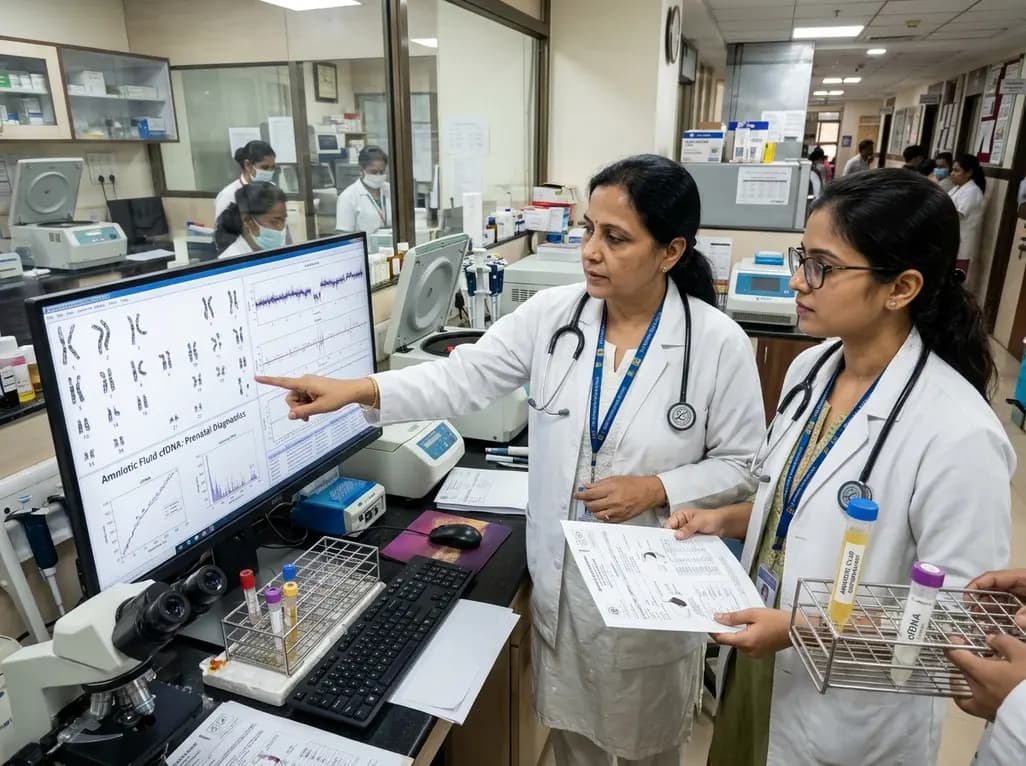
Amniotic fluid cell-free DNA offers a rapid alternative to cultured amniocytes in prenatal testing. With high yield, lack of maternal contamination, and full concordance across microarrays and exome sequencing, it dramatically cuts diagnostic turnaround time.
Today
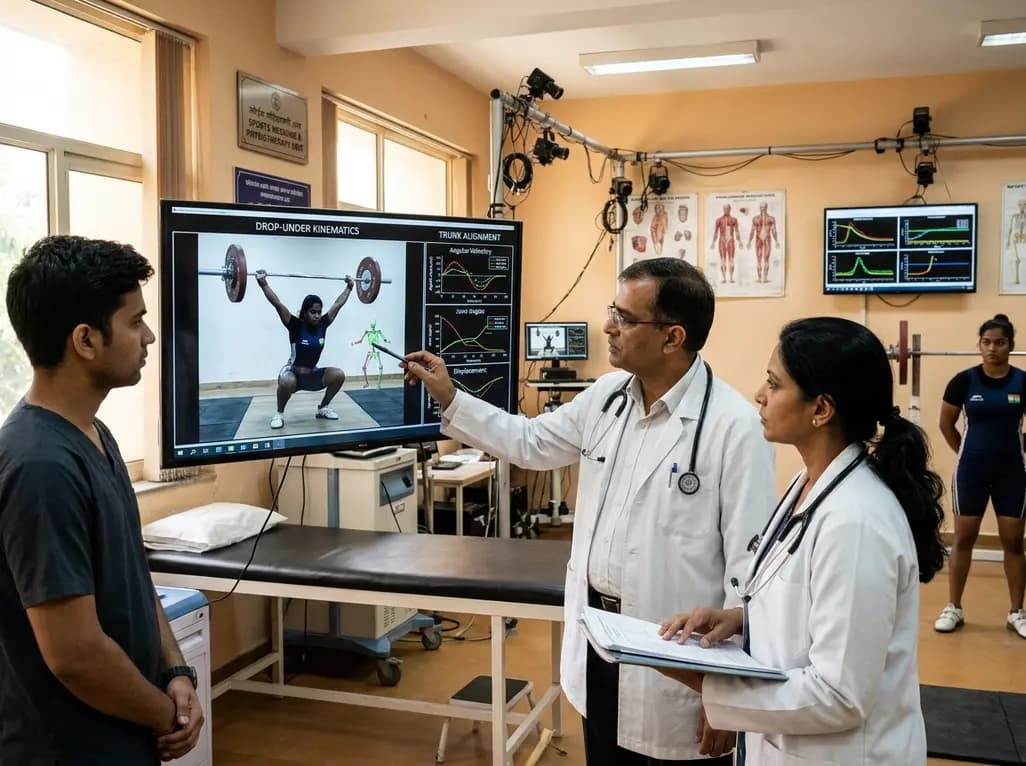
A systematic review of 15 studies and 574 competitive weightlifters establishes normative benchmarks for snatch drop-under kinematics, highlighting turnover speed, horizontal displacement, and trunk alignment to optimize performance and prevent overhead injuries.
Today
Investigating the patterns, barriers, and facilitators of sedentary behaviour, physical activity, and nutrition among hybrid employees working from home, with practical recommendations for clinicians managing cardiometabolic and musculoskeletal health.
Today
