.webp&w=384&q=75)

Loading, please wait...
Loading, please wait...

The global demographic transition has markedly expanded the proportion of senior individuals participating in active employment. Consequently, protecting older workers health has become an urgent public health and occupational priority. As clinical practitioners frequently encounter aging employees presenting with multisystem challenges, addressing occupational strain through holistic paradigms is essential. Integrative nursing theory provides an evidence-based, multidimensional approach that optimizes functional capacity and workplace quality of life.
Integrative nursing views each individual as an inseparable whole encompassing biological, psychological, social, and spiritual dimensions. Furthermore, this theoretical model emphasizes that human beings possess an innate capacity for healing and self-regulation. When applied to the workplace, integrative principles encourage clinicians and occupational nurses to evaluate workers within their broader social environments. Therefore, healthcare providers do not view chronic occupational strain in isolation. Instead, they consider how physical fatigue interacts with emotional stress, personal values, and organizational support. Additionally, integrative frameworks prioritize patient-centered strategies and evidence-based therapeutic modalities that honor personal autonomy. For example, occupational teams collaborate directly with senior employees to identify personal goals and workplace priorities. Consequently, this participatory model fosters mutual respect between healthcare teams and aging workers. Research shows that engaging older personnel in shared decision-making significantly enhances their adherence to lifestyle modifications and preventive protocols. Thus, adopting an integrative perspective transforms traditional occupational safety into a dynamic, wellness-oriented practice that sustains functional independence across extended careers.
Physical capabilities naturally decline as workers progress into their sixth and seventh decades of life. For instance, age-related changes frequently reduce maximum aerobic capacity, muscle mass, isometric grip strength, and joint flexibility. Moreover, repetitive lifting, awkward postures, and prolonged standing accelerate degenerative joint disease and chronic musculoskeletal pain. Consequently, older workers in labor-intensive sectors experience elevated rates of occupational injuries and prolonged recovery periods. However, physical decline is rarely uniform among individuals of the same chronological age. Lifestyle factors, cardiorespiratory conditioning, and chronic disease management create substantial functional variability across the workforce. Occupational clinicians must therefore perform detailed functional assessments rather than relying on age-based assumptions. Specifically, clinicians should evaluate task-specific endurance, range of motion, and balance metrics during routine medical surveillance. When workplaces fail to modify heavy physical demands, workers face premature disability, involuntary retirement, and compromised quality of life. Conversely, appropriate task rotation and assistive mechanical devices effectively mitigate cumulative physical strain. Through proactive functional evaluations, clinicians can help employers match job tasks to preserved physiological capabilities, thereby sustaining workability without inducing physical exhaustion.
Circadian physiology undergoes substantial restructuring during the biological aging process. In particular, older adults exhibit diminished melatonin secretion, altered core body temperature rhythms, and fragmented nocturnal sleep patterns. Consequently, rotating shift work and non-standard schedules pose severe physiological hazards for older employees. Night shifts disrupt the biological clock, worsening chronic insomnia and daytime somnolence. Furthermore, cumulative circadian misalignment increases the risk of cardiometabolic disturbances, including systemic hypertension, insulin resistance, and dyslipidemia. Research demonstrates that older shift workers also experience heightened cognitive fatigue, which compromises workplace vigilance and increases occupational accident rates. In addition to physical risks, irregular working hours disrupt social synchronization and family engagements. Thus, shift workers frequently suffer from psychological distress and perceived isolation. Occupational health programs must implement chronobiological safeguards to protect these vulnerable employees. For example, forward-rotating shift schedules allow faster circadian recovery compared to backward-rotating systems. Additionally, employers should provide adequate rest intervals between shifts and avoid consecutive nocturnal assignments. Clinicians should routinely screen older shift workers for metabolic disorders, affective disturbances, and sleep apnea to deliver timely therapeutic interventions.
Ergonomic modifications serve as a cornerstone of preventive occupational health for senior employees. By restructuring workstations, organizations can dramatically decrease biomechanical loading and musculoskeletal strain. For example, adjustable height desks, anti-fatigue floor matting, and supportive seating directly alleviate chronic lumbar and cervical stress. Furthermore, optimizing ambient lighting, reducing acoustic reverberation, and enlarging display interfaces accommodate normal age-related sensory declines in vision and audition. Clinicians should advocate for comprehensive, participatory ergonomic programs within employment settings. In these initiatives, ergonomists collaborate directly with employees to tailor specific equipment and workflow sequences. Additionally, structured workplace exercise interventions generate substantial functional benefits. Supervised resistance training, flexibility exercises, and core stability routines enhance musculoskeletal endurance and reduce fall risks. Moreover, periodic health screenings enable the early detection of subclinical hypertension, diabetes, and osteoarthritis before irreversible functional loss occurs. When employers combine ergonomic redesign with clinical risk assessments, older employees report lower pain scores and higher job satisfaction. Ultimately, well-designed work environments preserve work capacity and foster lasting occupational longevity.
The psychosocial and physical environment exerts a powerful influence on employee vitality and emotional health. Unfortunately, pervasive ageist stereotypes continue to disadvantage older individuals across diverse employment sectors. Managers frequently assume that senior employees lack technological aptitude, adaptability, or motivation to learn modern workflows. Consequently, older workers often experience subtle marginalization, diminished promotional access, and exclusion from developmental training. Such discriminatory practices trigger chronic stress, performance anxiety, and depressive symptoms. Furthermore, psychological strain accelerates neuroendocrine exhaustion, which worsens underlying cardiovascular disease and immunological competence. Conversely, positive organizational support and high job autonomy protect psychological well-being. Mentorship programs also offer a constructive mechanism where older workers share accumulated institutional expertise with junior colleagues. In addition, external living environments directly impact daily resilience. For example, affordable transportation networks and safe neighborhoods facilitate seamless, stress-free commutes. Socioeconomic disparities also influence healthcare utilization, as lower-income older workers often struggle to access preventive screenings. Therefore, clinical professionals must adopt an ecological perspective, addressing structural social determinants alongside workplace hazards to protect aging employees comprehensively.
Integrative nursing evaluates older employees through a holistic lens, examining biological, psychosocial, and lifestyle factors simultaneously. By emphasizing patient-centered partnerships, this framework encourages active participation in occupational wellness. Nurses implement tailored health screenings, targeted ergonomic modifications, and stress-reduction techniques. Consequently, this comprehensive strategy addresses chronic pain, mitigates fatigue, and prevents occupational burnout, thereby substantially improving long-term health and functional independence in the workforce.
Older individuals experience age-related circadian changes, including reduced endogenous melatonin secretion and altered core temperature regulation. Rotating night shifts severely disrupt these biological cycles, triggering sleep fragmentation and excessive daytime exhaustion. Furthermore, sustained circadian misalignment accelerates cardiometabolic vulnerabilities, increasing the likelihood of arterial hypertension and glucose intolerance. These physiological stressors impair workplace attention and heighten injury risks, making rotating schedules particularly hazardous for aging workers.
Workplaces should prioritize customizable physical environments to accommodate natural age-related functional variations. Effective adaptations include height-adjustable workstations, anti-fatigue floor surfaces, and ergonomic chairs with lumbar support. Furthermore, employers should install high-contrast displays, improve task illumination, and minimize background ambient noise to support sensory acuity. Incorporating frequent scheduled breaks and mechanical lifting aids also reduces cumulative joint stress, effectively lowering musculoskeletal injury rates and maintaining high productivity.
Disclaimer: This content is for informational and educational purposes only. It does not constitute medical advice, diagnosis, or treatment recommendations. Healthcare professionals must exercise independent clinical judgment when evaluating patient care strategies. Commercial products or procedures mentioned do not imply endorsement. Refer to the latest local and national guidelines for clinical practice.
References

Read summarized clinical updates, watch expert medical content, and earn CME certifications right from your smartphone.
Open your smartphone camera to scan and install.





A comprehensive scoping review evaluates the health and quality of life of older workers using integrative nursing principles. The findings highlight the critical impact of physical demands, ergonomics, shift work, and psychosocial support in building sustainable, age-friendly occupational environments.
Today
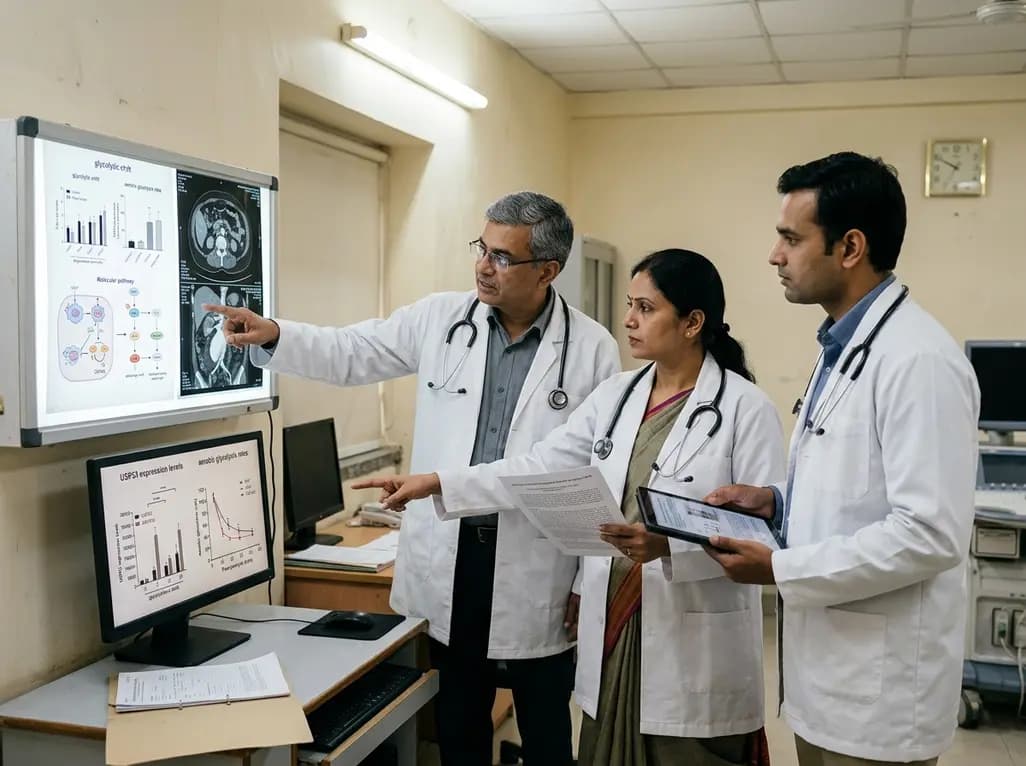
Abdominal aortic aneurysm rupture remains a catastrophic vascular emergency. Groundbreaking research reveals that USP53 accelerates aneurysm progression by reprogramming smooth muscle cell metabolism toward aerobic glycolysis, highlighting a promising target beyond conventional diameter-based surveillance.
Today
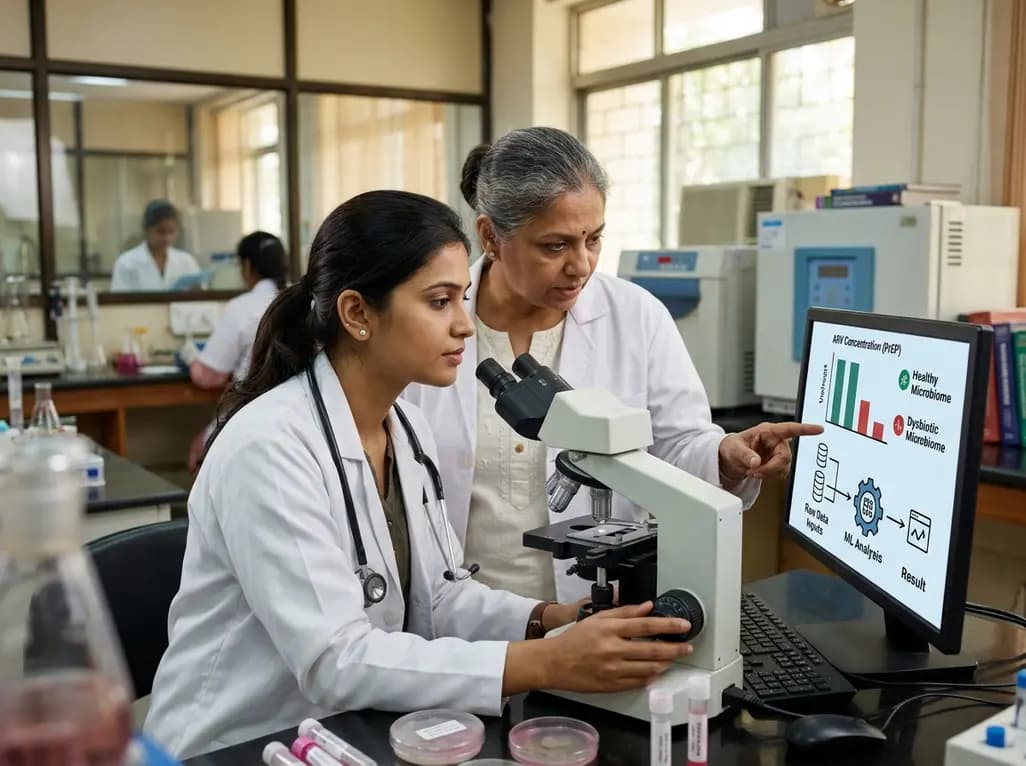
A pharmacometric and machine learning study reveals that specific vaginal bacteria alter cervical antiretroviral exposure, highlighting the need for precision HIV PrEP strategies.
Today
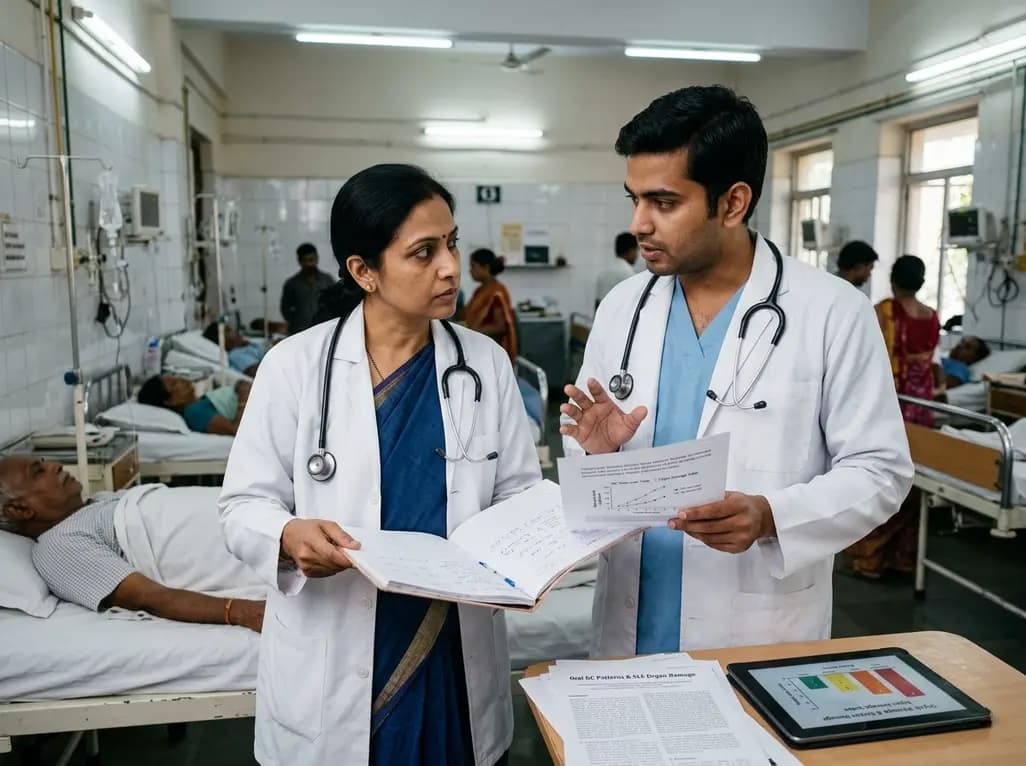
A nationwide Swedish cohort study shows oral glucocorticoid exposure over 1-2 years strongly predicts overall organ damage in SLE, while cardiovascular risk reflects cumulative doses across 3 years. These findings reinforce early steroid minimization and cautious long-term maintenance.
Today
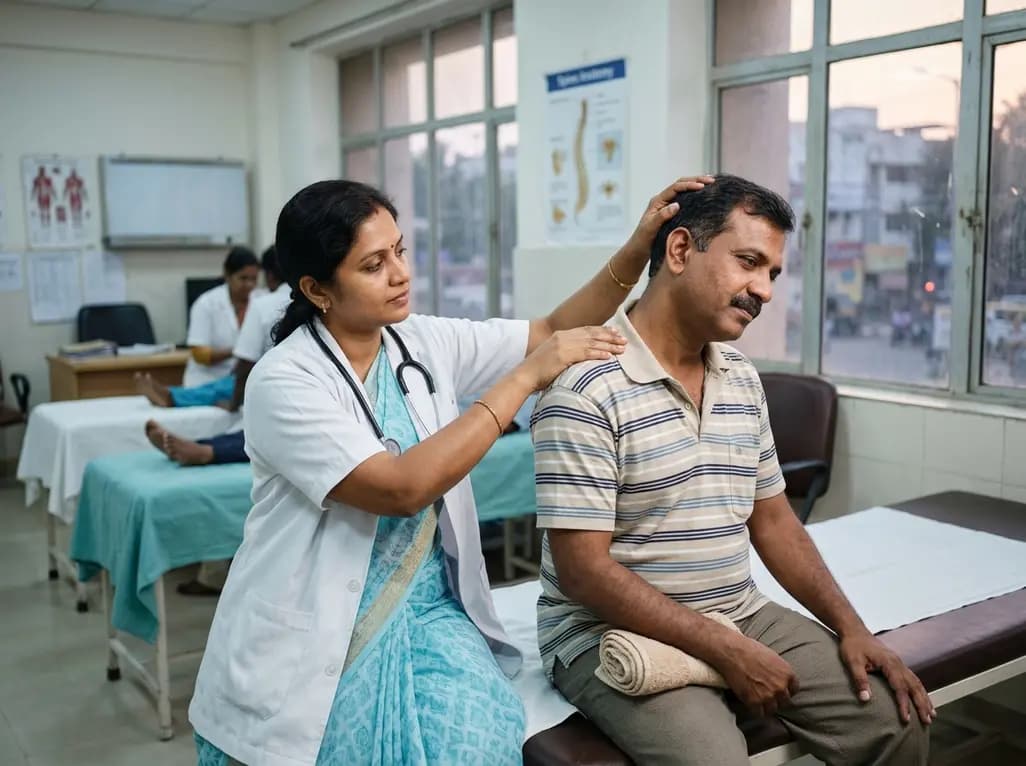
A scoping review highlights neural mobilization as a promising adjunct in managing cervicogenic headache. Integrating neurodynamics into multimodal physical therapy improves pain, range of motion, and posture, though standardized protocols and larger clinical trials are still needed.
Today
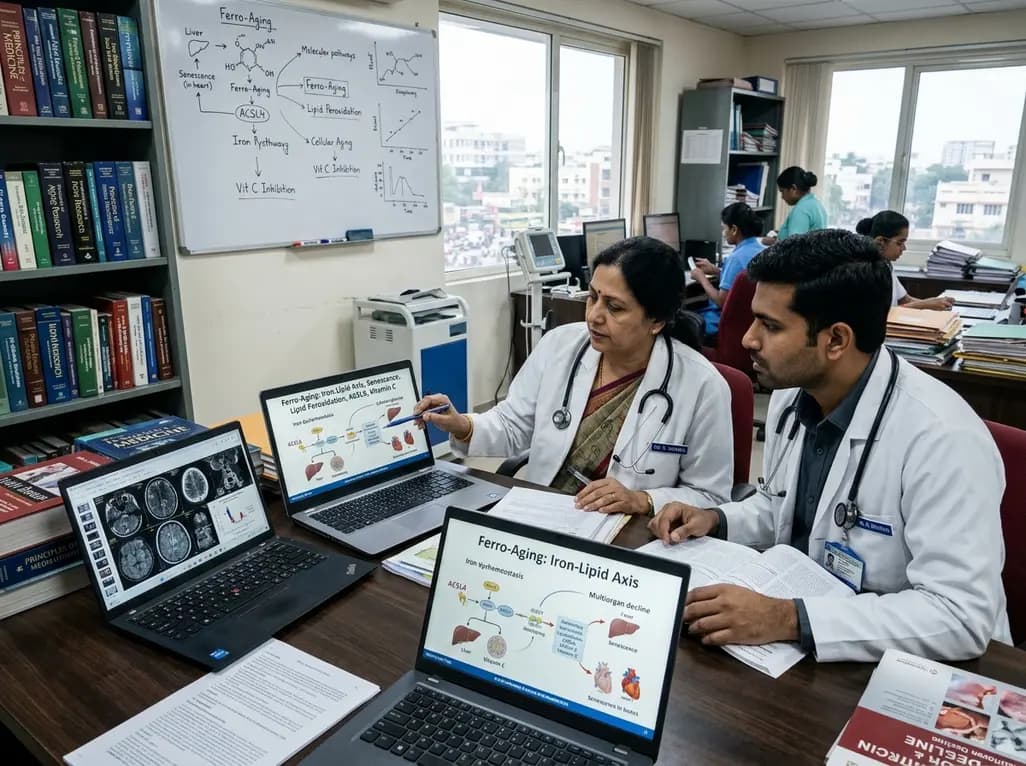
Recent research defines ferro-aging as a conserved iron-lipid axis driving organ decline across primates. Age-related iron dyshomeostasis stimulates ACSL4-mediated lipid peroxidation, promoting cellular senescence. Notably, vitamin C directly inhibits ACSL4, suppressing phospholipid oxidation and multi-organ decay.
Today
