

Loading, please wait...
Loading, please wait...

Oncology treatments frequently cause profound neuromuscular weakness, chronic fatigue, and functional decline. Consequently, accurately evaluating physical function in cancer survivors represents a cornerstone of modern survivorship care. Clinicians often rely on validated self-reported questionnaires to gauge daily limitations. However, patient perceptions do not always reflect true physiological reserve. A cross-sectional clinical investigation recently highlighted significant discrepancies between subjective questionnaires and performance-based tests, underscoring the urgent necessity of integrating multifaceted evaluation protocols into oncology and rehabilitation practice.
Malignancy and cytotoxic therapies inflict substantial physiological damage across organ systems. Systemic chemotherapy induces progressive muscle wasting and peripheral neuropathy. Similarly, extensive surgical interventions and radiation therapy cause persistent tissue fibrosis and structural deficits. Therefore, evaluating physical function in cancer survivors requires rigorous, repeatable, and sensitive instruments. Most clinical practices routinely deploy patient-reported outcome measures because these tools demand minimal clinic space and little specialized equipment. Despite these practical benefits, questionnaires reflect personal psychological adjustments, coping mechanisms, and emotional states. Consequently, patients may perceive their functional status differently from their genuine muscular strength or aerobic stamina. This clinical gap can leave insidious mobility impairments and fall risks completely undetected during regular outpatient consultations.
To examine this clinical divergence, investigators conducted a cross-sectional study involving 94 adults with a confirmed history of cancer. The cohort primarily comprised women with an average age of approximately sixty years. Participants underwent both subjective and objective functional evaluations. Specifically, researchers administered the Patient-Reported Outcomes Measurement Information System Physical Function Computer Adaptive Test to capture subjective mobility. Concurrently, clinicians performed the Bellarmine Norton Assessment Tool, which encompasses four distinct objective tests. These standardized tasks include the two-minute step test, the thirty-second sit-to-stand, the timed arm curl, and the timed-up-and-go test. Investigators then computed Pearson correlation coefficients and explained variance to determine the concordant relationship between self-reported mobility and objective physical performance.
The study demonstrated surprisingly weak associations between patient reports and objective functional performance. Total self-reported physical function scores correlated weakly with overall performance battery scores, exhibiting a correlation coefficient of only 0.313. Furthermore, correlations between self-reported scores and individual objective components remained uniformly weak. Specifically, the sit-to-stand test achieved a correlation of 0.362, the arm curl achieved 0.320, and the timed-up-and-go test demonstrated an inverse correlation of negative 0.319. Crucially, the explained variance between subjective tools and physical performance measures ranged strictly between 3.3% and 13.1%. Therefore, patient-reported questionnaires accounted for less than fourteen percent of the variance in actual physical capability. These compelling figures prove that self-reports and physical testing assess entirely distinct dimensions of survivorship health.
These findings present critical implications for oncologists, physiatrists, and primary care physicians managing post-treatment recovery. Relying exclusively on self-reported questionnaires risks overlooking meaningful sarcopenia, gait instability, and severe cardiovascular deconditioning. Conversely, conducting only physical performance batteries ignores patient distress, symptom burden, and psychological confidence during everyday activities. In busy Indian oncology clinics, clinicians frequently experience severe time constraints and heavy outpatient caseloads. However, incorporating rapid objective screening tests requires only basic equipment, such as a sturdy chair, a stopwatch, and a modest walking corridor. Combining short functional physical assessments with quick digital surveys allows clinicians to detect occult frailty early, thereby preventing debilitating falls, hospital admissions, and premature functional decline.
Multidisciplinary cancer care teams must establish comprehensive functional assessment pathways that combine both methodologies. Initial consultations should include brief objective functional metrics alongside patient-reported outcome questionnaires. If a survivor demonstrates poor objective strength despite reporting adequate daily function, clinicians should prescribe structured resistance training and balance rehabilitation. In contrast, when patients report excessive disability despite normal performance metrics, clinicians should address neuropathic pain, fear of movement, depression, or cancer-related fatigue. In addition, physical therapists can track objective gains over time while validating the patient's subjective quality of life. Ultimately, adopting a dual-paradigm strategy ensures targeted rehabilitation prescriptions, empowers cancer survivors, and enhances long-term independence throughout the survivorship continuum.
Chemotherapy, radiation therapy, and surgical resections damage peripheral nerves, induce vascular endothelial injury, and cause profound skeletal muscle catabolism. Consequently, cancer survivors often experience progressive sarcopenia, persistent fatigue, and soft-tissue contractures. These underlying physiological changes directly diminish muscular power, gait stability, and cardiopulmonary endurance, impairing overall quality of life unless clinicians implement targeted exercise interventions early.
Patient-reported measures reflect subjective perception, mood, and personal adaptations to disability over time. For instance, individuals often unconsciously alter their daily routines or lower expectations to avoid physical difficulty. Therefore, questionnaires capture psychological adaptation rather than true muscular capacity. Conversely, objective physical tests isolate raw biomechanical power, neuromotor coordination, and balance under standardized clinical conditions.
Clinicians can seamlessly adopt brief, validated functional measures without requiring expensive laboratory equipment. The thirty-second sit-to-stand test reliably evaluates lower-limb muscular endurance. In addition, the timed-up-and-go test measures dynamic balance, agility, and fall risk within two minutes. These simple tests provide indispensable objective benchmarks that guide exercise prescriptions and rehabilitation referrals.
Disclaimer: This content is for informational and educational purposes only. It is not intended to be a substitute for professional medical advice, diagnosis, or treatment. Always seek the advice of your physician or other qualified health provider with any questions you may have regarding a medical condition. Refer to the latest local and national guidelines for clinical practice.
References
Jackson KE et al. Examining the relationship between objective and patient-reported physical function in adults with cancer. Physiother Theory Pract. 2026 Nov 26. doi: 10.1080/09593985.2026.2767014. PMID: 43097004.
Harrington SE et al. The Bellarmine Norton Assessment Tool (BNAT): An objective physical assessment tool for oncology rehabilitation. Phys Ther. 2020;100(5):824-833.
Reeve BB et al. ISOQOL recommendations for assessing patient-reported outcomes in clinical practice. Qual Life Res. 2013;22(8):1889-1905.

Read summarized clinical updates, watch expert medical content, and earn CME certifications right from your smartphone.
Open your smartphone camera to scan and install.





A cross-sectional study reveals that patient-reported outcomes and objective functional tests capture distinct clinical realities in cancer survivors. Clinicians should combine performance metrics with self-reports to optimize rehabilitation and functional recovery.
Today
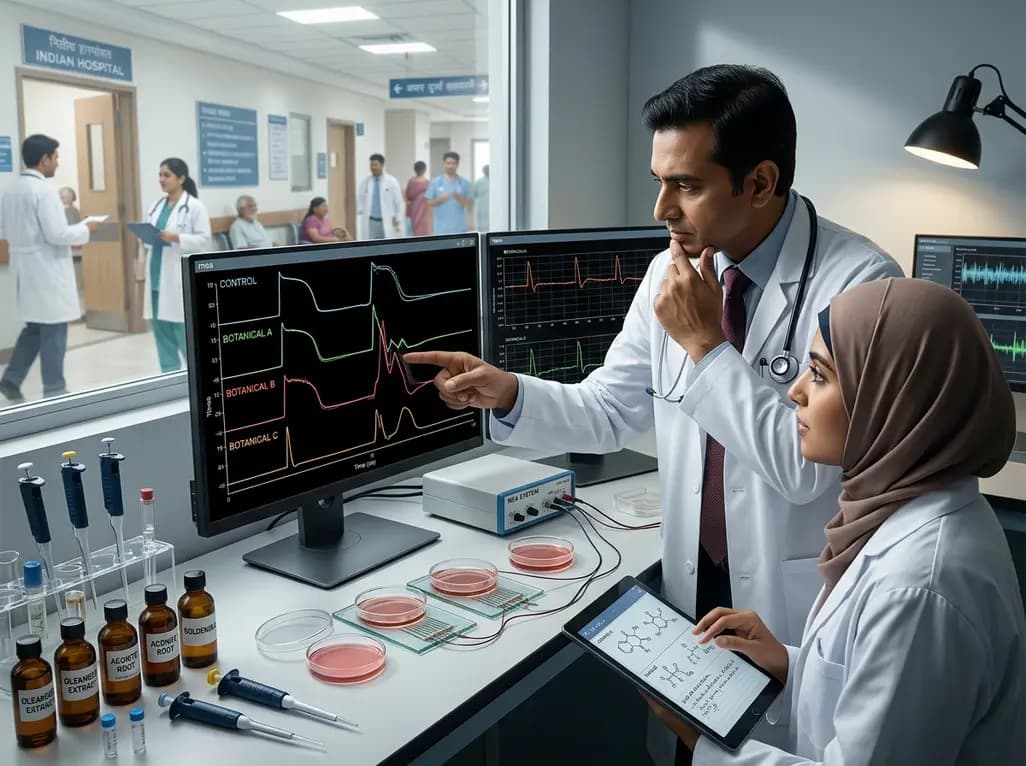
A landmark study evaluated 16 botanical extracts using human iPSC-derived cardiomyocytes and microelectrode array technology. The findings revealed potent electrophysiological hazards for herbs like oleander, aconite, and goldenseal, offering essential safety insights for clinicians evaluating herbal supplements.
Today

Researchers have engineered a sensitive electrochemiluminescent sandwich immunosensor utilizing silver nanoparticles and quantum dots to quantify placental growth factor, paving the way for rapid, accurate, and accessible early preeclampsia screening in clinical practice.
Today
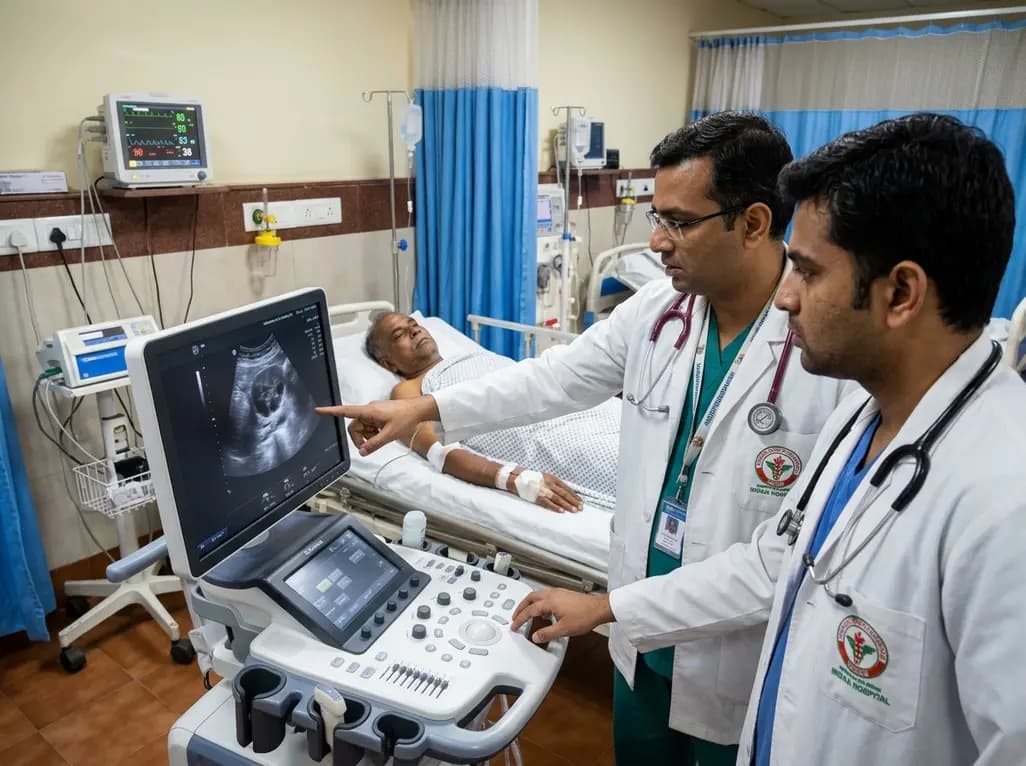
A rare case highlights a life-threatening retroperitoneal hematoma after radial PCI caused by spontaneous lumbar artery rupture following antithrombotic therapy. Clinicians must maintain vigilance for occult bleeding and retroperitoneal hemorrhage when unexplained hypotension occurs post-procedure.
Today
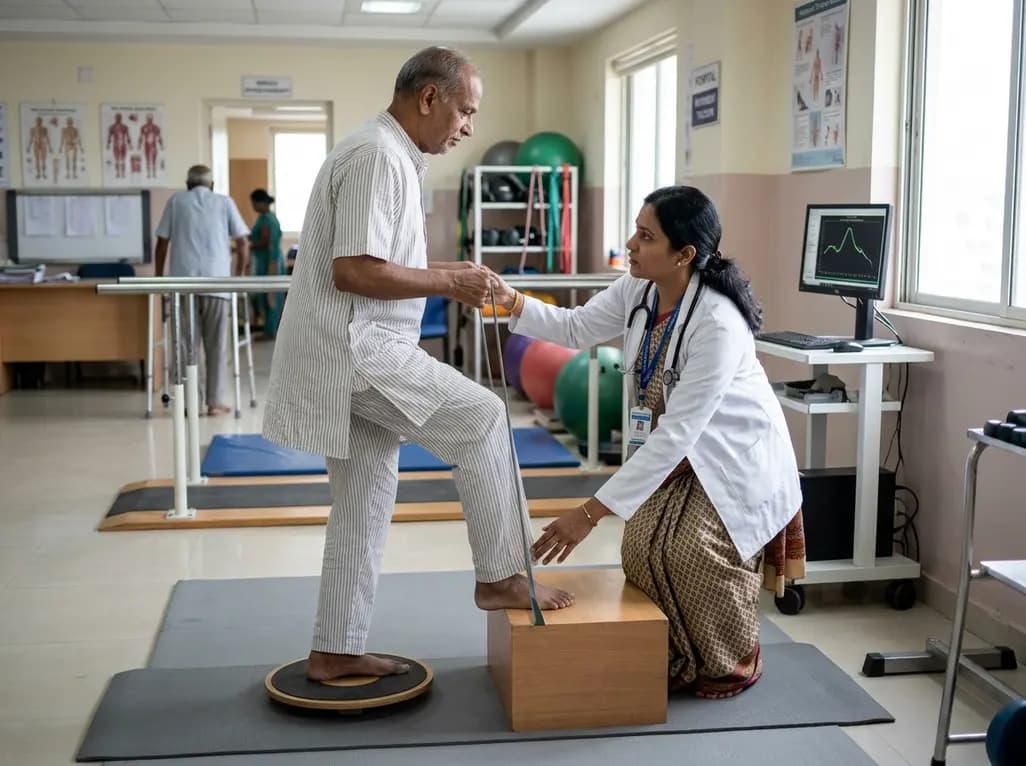
Current physical activity guidelines focus on movement volume, often overlooking the physical capacity required for safe participation. Integrating functional mobility bridges this gap by evaluating joint mobility, strength, balance, and motor control to optimize health outcomes across the lifespan.
Today

As lifestyle diseases surge across India, clinicians face rising challenges from dietary misinformation and unmonitored therapies. Prioritising structured nutrition therapy, evidence-based self-care, and robust regulatory oversight offers a sustainable pathway to counter metabolic dysfunction and enhance patient health.
Today
