

Loading, please wait...
Loading, please wait...
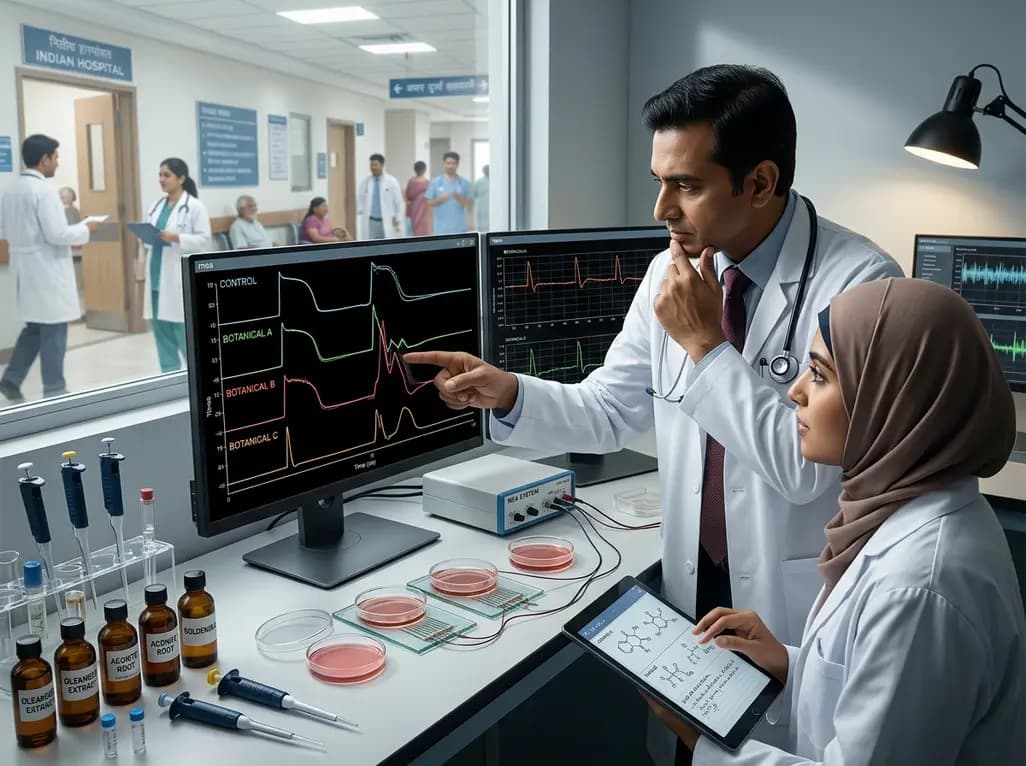
Herbal supplements enjoy widespread public popularity due to a common perception that natural ingredients carry minimal health risks. However, emerging toxicological evidence indicates that unregulated botanicals can induce severe electrophysiological disturbances in human myocardial cells. To address these safety gaps, researchers recently utilized microelectrode array technology to characterize botanical extract cardiotoxicity across 16 commonly used herbal preparations. This novel approach evaluated human induced pluripotent stem cell-derived cardiomyocytes, providing crucial preclinical insight into herb-induced arrhythmogenic hazards.
Botanical supplements consist of complex phytochemical mixtures that often present unpredictable bioactivity. Traditional animal assays frequently fail to predict human electrophysiological consequences due to fundamental interspecies differences in cardiac ion channel expression. Consequently, investigators evaluated microelectrode array recordings from human induced pluripotent stem cell-derived cardiomyocytes to measure acute alterations in cardiac function. This sensitive platform continuously tracks spontaneous myocardial beat rates, field potential duration, and local electrical spike amplitudes. Therefore, clinicians can observe direct cellular translation of potential clinical arrhythmogenesis. In this comprehensive evaluation, researchers systematically tested 16 well-characterized herbal extracts across broad concentration gradients. The assay revealed marked diversity in functional cardiac outcomes. While some supplements exhibited significant margins of safety, others induced electrophysiological collapse at remarkably low therapeutic concentrations. Consequently, these findings highlight the urgent need for systematic human-relevant toxicity testing in consumer herbal safety.
Among the screened products, oleander extract demonstrated profound cardiotoxic potency. Oleander contains powerful cardiac glycosides that inhibit the sodium-potassium ATPase pump. In the microelectrode array recordings, oleander decreased beat rate, spike amplitude, field potential duration, and the percentage of active electrodes at doses as low as 0.25 µg/mL. Furthermore, higher doses caused complete cessation of electrical activity. Aconite extract exhibited equally hazardous electrophysiological actions. Exposure to aconite accelerated myocardial beat rate and substantially shortened field potential duration before triggering total electrical standstill at 50 µg/mL. These actions mirror classic aconitine-induced sodium channel activation that precipitates lethal ventricular tachyarrhythmias. Additionally, kava extract produced complex biphasic responses. At moderate concentrations, kava accelerated pacing while reducing spike amplitude. However, maximal dosing completely abolished spontaneous myocardial contractions. Emergency physicians frequently encounter unexplained arrhythmias in herbal consumers, and these stark data clarify the direct mechanisms underlying such acute cardiovascular toxicities.
Extracts derived from tripterygium, kratom, and yohimbe displayed a distinctive electrophysiological fingerprint between 1 and 50 µg/mL. Specifically, these botanicals dose-dependently decreased spontaneous beat rates, lowered depolarizing spike amplitudes, and reduced active electrode coverage. In parallel, these agents significantly prolonged field potential duration, a surrogate marker for clinical QT-interval prolongation. Consequently, these extracts behave identically to potent potassium hERG channel blockers that delay ventricular repolarization and induce torsades de pointes. Furthermore, goldenseal extract demonstrated an identical but substantially more potent toxicological phenotype. The repolarization delays and conduction slowing triggered by goldenseal persisted even at 0.25 µg/mL. Active isoquinoline alkaloids like berberine likely explain this potent cardiac membrane destabilization. Because millions of consumers use kratom for pain relief and goldenseal for respiratory infections, clinicians must recognize these dangerous proarrhythmic liabilities during routine patient history reviews.
In contrast to conduction blockers, ephedra extract triggered pronounced sympathomimetic effects across tested concentrations. Exposure to ephedra dose-dependently accelerated cardiomyocyte beat rates and abbreviated the field potential duration. Depolarizing spike amplitude rose at low doses but declined sharply at 50 µg/mL, signaling high-dose cellular exhaustion. These in vitro dynamics explain why ephedrine-containing supplements frequently provoke clinical palpitations, hypertension, and tachyarrhythmias. Conversely, eight other common botanicals exhibited reassuring safety profiles. Extracts from Asian ginseng, ashwagandha, aristolochia, blue cohosh, comfrey, green tea, milk thistle, and usnea altered electrophysiological activity only at the highest experimental concentration of 50 µg/mL. Thus, these agents demonstrated relatively benign short-term cardiac safety profiles under standard physiological conditions. Nevertheless, physicians must remember that complex supplement polypharmacy or pre-existing channelopathies can still alter individual clinical susceptibility, even with comparatively benign botanicals.
These findings hold vital clinical importance for primary care physicians, cardiologists, and emergency teams. Patients rarely disclose dietary supplement consumption during routine consultations because they mistakenly consider natural remedies harmless. Therefore, healthcare providers must proactively ask every cardiac patient about over-the-counter herbal usage. Clinicians should view products like oleander, aconite, kratom, and goldenseal as potential culprits whenever patients present with unexplained conduction delays, sudden syncope, or refractory arrhythmias. Moreover, concurrent administration of repolarization-delaying herbs alongside conventional QT-prolonging pharmaceuticals significantly amplifies the risk of fatal ventricular dysrhythmias. Regulatory authorities also benefit from these standardized testing frameworks. Implementing high-throughput microelectrode array screening can eliminate unsafe botanical formulations from commercial markets before consumer harm occurs. Ultimately, bridging modern toxicological assays with proactive patient education will elevate clinical vigilance and protect vulnerable cardiovascular patients.
Oleander extract contains active cardiac glycosides that potently inhibit cardiomyocyte sodium-potassium ATPase pumps. In human cardiomyocyte cultures, this extract reduces beat rate, decreases field potential duration, and lowers electrical spike amplitudes at concentrations as low as 0.25 µg/mL. At higher concentrations, oleander causes severe intracellular calcium overload, ultimately terminating all spontaneous electrical and mechanical cardiac activity.
Kratom extract dose-dependently decreases cardiomyocyte beat rates and depresses electrical spike amplitudes while prolonging field potential duration. This prolongation mirrors electrocardiographic QT-interval lengthening, indicating that kratom constituents inhibit potassium repolarization currents. Consequently, prolonged repolarization creates an electrophysiological substrate that substantially elevates patient vulnerability to early afterdepolarizations, polymorphic ventricular tachycardia, and sudden fatal cardiac arrest.
Microelectrode array recordings provide non-invasive, continuous electrical monitoring of live human stem cell-derived cardiomyocyte syncytia. This approach accurately captures complex human-specific ion channel dynamics, depolarization velocities, and repolarization times without relying on animal models. Therefore, this technology successfully reveals subtle proarrhythmic hazards, dose-response relationships, and direct cellular toxicity within complex, multi-component commercial herbal extracts.
Disclaimer: This content is for informational and educational purposes only. It is not intended to be a substitute for professional medical advice, diagnosis, or treatment. Always seek the advice of your physician or other qualified health provider with any questions you may have regarding a medical condition. Never disregard professional medical advice or delay in seeking it because of something you have read here. Refer to the latest local and national guidelines for clinical practice.
References
Wopken JP et al. Cardiotoxicity assessment of botanical extracts using microelectrode array (MEA) recordings from human iPSC-derived cardiomyocytes. Pharm Biol. 2026 Dec undefined. doi: 10.1080/13880209.2026.2764380. PMID: 43097006.
Mitchell CA, et al. Developing an approach for evaluating the cardiotoxic potential of botanicals. Front Toxicol. 2025;7:1646044. doi: 10.3389/ftox.2025.1646044.
Gavanji S, et al. Cardiotoxicity Effects of Herbal Medicine, A Review Article. Advanced Herbal Medicine. 2022;8(2):45-62.

Read summarized clinical updates, watch expert medical content, and earn CME certifications right from your smartphone.
Open your smartphone camera to scan and install.





A landmark study evaluated 16 botanical extracts using human iPSC-derived cardiomyocytes and microelectrode array technology. The findings revealed potent electrophysiological hazards for herbs like oleander, aconite, and goldenseal, offering essential safety insights for clinicians evaluating herbal supplements.
Today

Researchers have engineered a sensitive electrochemiluminescent sandwich immunosensor utilizing silver nanoparticles and quantum dots to quantify placental growth factor, paving the way for rapid, accurate, and accessible early preeclampsia screening in clinical practice.
Today

A rare case highlights a life-threatening retroperitoneal hematoma after radial PCI caused by spontaneous lumbar artery rupture following antithrombotic therapy. Clinicians must maintain vigilance for occult bleeding and retroperitoneal hemorrhage when unexplained hypotension occurs post-procedure.
Today
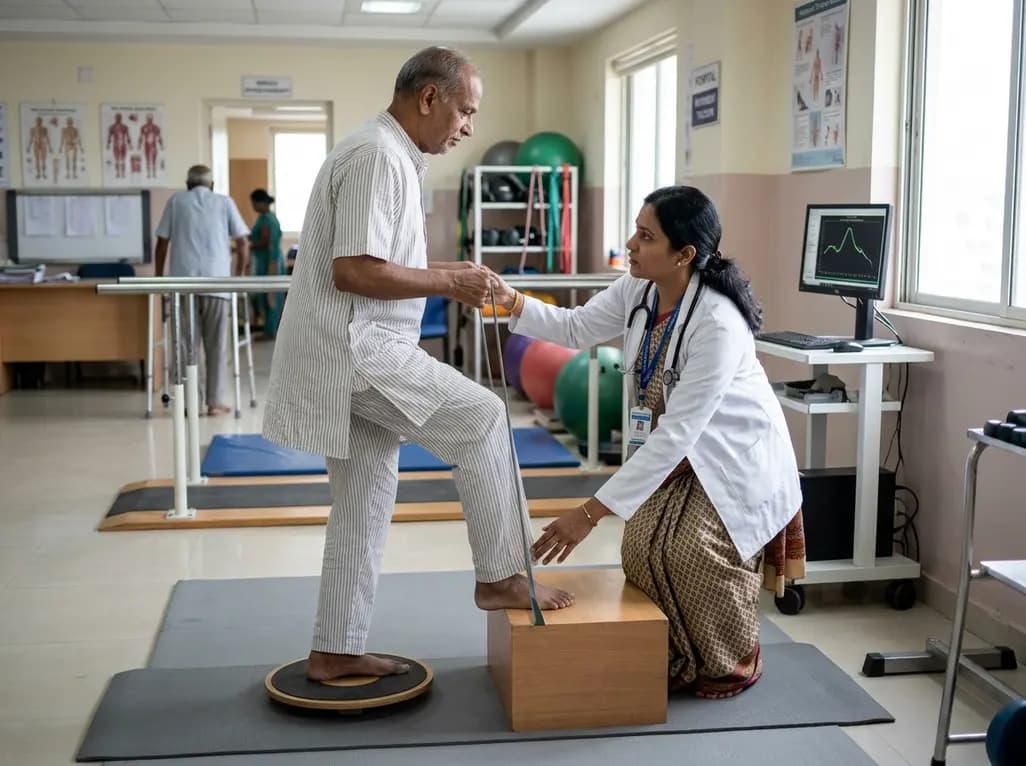
Current physical activity guidelines focus on movement volume, often overlooking the physical capacity required for safe participation. Integrating functional mobility bridges this gap by evaluating joint mobility, strength, balance, and motor control to optimize health outcomes across the lifespan.
Today

As lifestyle diseases surge across India, clinicians face rising challenges from dietary misinformation and unmonitored therapies. Prioritising structured nutrition therapy, evidence-based self-care, and robust regulatory oversight offers a sustainable pathway to counter metabolic dysfunction and enhance patient health.
Today
