.webp&w=384&q=75)

Loading, please wait...
Loading, please wait...
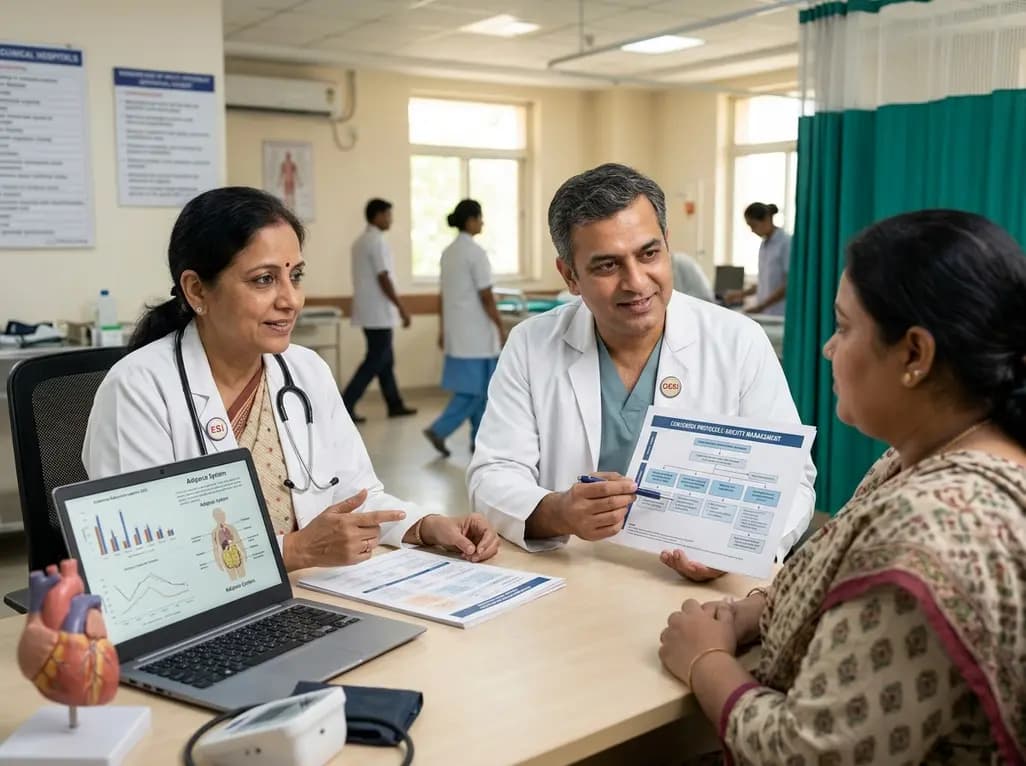
A landmark joint consensus by national expert bodies has established a decisive shift in obesity management in India. The Obesity and Metabolic Surgery Society of India (OSSI) together with the Endocrine Society of India (ESI) published a comprehensive protocol. Consequently, clinicians across the country are moving away from outdated lifestyle advice. Experts emphasize that obesity represents a complex, progressive, and relapsing chronic non-communicable disease. Therefore, medical professionals must discard simplistic recommendations that merely advise patients to eat less and exercise more.
For decades, medical professionals often viewed obesity purely as a failure of individual discipline. However, modern scientific evidence demonstrates that complex biological systems regulate energy balance and adiposity. Genetic predispositions, endocrine disruptions, neurochemical signals, and metabolic adaptations heavily influence body weight. In addition, environmental stressors and socioeconomic determinants restrict healthy lifestyle choices. Because these underlying drivers operate outside voluntary control, blaming patients creates emotional distress. Consequently, individuals living with obesity experience pervasive stigma, guilt, and deep hesitation in seeking timely medical help.
Furthermore, physiological counter-regulatory mechanisms actively resist sustained weight loss through caloric restriction alone. When a person reduces caloric intake, resting metabolic rate slows dramatically. Simultaneously, appetite-stimulating hormones surge while satiety hormones decrease. Therefore, managing adiposity requires structured clinical interventions rather than moral judgments. The OSSI-ESI consensus urges clinicians to establish compassionate, stigma-free clinical environments. Health systems must provide continuous, long-term therapeutic partnerships that address the chronic pathophysiology of adiposity.
Standard anthropometric evaluations rely heavily on Body Mass Index to stratify metabolic risk. However, Indian populations exhibit a unique metabolic phenotype characterized by higher visceral adiposity. Consequently, Indians develop significant insulin resistance, dyslipidemia, and cardiovascular pathology at lower BMI cutoffs. Western thresholds fail to capture the severity of cardiometabolic risk in Asian Indian adults. Thus, relying solely on standard weight scales delays vital clinical interventions.
Additionally, ethnic susceptibility increases the vulnerability of younger individuals to metabolic dysfunction. Indian patients frequently present with non-alcoholic fatty liver disease and severe hypertension despite normal or borderline BMI values. Therefore, the joint consensus emphasizes comprehensive risk stratification beyond conventional anthropometry. Clinicians must routinely evaluate waist circumference, glycemic control, liver health, sleep quality, and vascular markers. Early identification of end-organ vulnerability enables proactive treatment before irreversible systemic organ damage develops.
Effective obesity management in India demands a dynamic, multidimensional treatment framework rather than a rigid linear ladder. Healthy dietary habits and structured physical activity remain fundamental pillars of general well-being. Nevertheless, clinical evidence demonstrates that lifestyle modifications alone rarely achieve long-term remission in severe disease. Therefore, therapeutic plans must adapt flexibly to disease severity and metabolic complications.
Moreover, physicians must coordinate care across multidisciplinary teams involving endocrinologists, surgeons, dietitians, and clinical psychologists. Behavioral interventions help patients overcome emotional eating patterns and chronic psychological stress. In parallel, pharmacological agents and endoscopic devices offer scalable middle-ground options for moderate disease. When clinicians tailor treatment intensity to individual metabolic severity, therapeutic adherence improves significantly. Ultimately, treating obesity as a relapsing condition requires continuous long-term monitoring, patient education, and periodic treatment adjustments.
Recent advances in endocrine pharmacology and surgical techniques have transformed therapeutic outcomes. Novel anti-obesity medications, including GLP-1 receptor agonists, effectively target neuroendocrine pathways controlling appetite and satiety. Furthermore, these pharmacological therapies significantly reduce glycated hemoglobin levels and improve systemic cardiovascular risk. Consequently, medical therapy now provides substantial weight reduction alongside glycemic control.
Meanwhile, metabolic and bariatric surgery provides durable disease remission for severe and complicated obesity. Gastrointestinal surgical procedures alter enterohormone signaling, improve insulin sensitivity, and promote substantial sustained weight loss. In fact, metabolic surgery frequently induces rapid remission of type 2 diabetes and obstructive sleep apnea. Endoscopic bariatric therapies also provide effective, minimally invasive options for selected patient cohorts. The consensus stresses that pharmacotherapy, endoscopic therapies, and surgery do not compete. Instead, clinicians must integrate these modalities collaboratively across different stages of disease progression.
Beyond individualized clinical care, Indian health experts advocate for sweeping public health transformations. Healthcare institutions must integrate comprehensive obesity prevention and management protocols into national non-communicable disease control initiatives. Furthermore, health insurance frameworks must offer equitable coverage for evidence-based obesity pharmacotherapies and metabolic surgical procedures. Lack of reimbursement currently creates massive disparities in accessing life-saving interventions.
Additionally, population-level strategies remain essential to curb the escalating burden across urban and rural demographics. Policymakers must enforce clear front-of-package food labeling and regulate marketing of ultra-processed foods to children. Similarly, educational institutions must foster supportive physical activity environments. Public awareness campaigns should reframe obesity as a biologically driven medical condition to eliminate pervasive social prejudice. By combining systemic public health reforms with accessible clinical therapies, India can successfully mitigate its growing cardiometabolic crisis.
Q1: Why is obesity classified as a chronic disease rather than a lifestyle flaw?
Obesity involves complex neuroendocrine dysregulation, altered metabolic signaling, and powerful genetic mechanisms that govern energy storage and appetite regulation. When individuals reduce caloric intake, compensatory hormonal shifts stimulate hunger and lower metabolic rate. Therefore, sustained weight gain results from biological vulnerabilities rather than a simple lack of willpower, necessitating long-term scientific treatment.
Q2: Why are standard Western BMI thresholds inaccurate for Indian patients?
Asian Indians possess a unique body composition characterized by elevated body fat percentages and excess visceral adiposity at comparatively lower body mass index levels. Consequently, Indian individuals develop type 2 diabetes, hypertension, and cardiovascular disease at lower weights and younger ages. Clinicians must evaluate metabolic biomarkers and waist circumference alongside weight.
Q3: When should clinicians consider metabolic surgery for patients with obesity?
Metabolic and bariatric surgery is indicated for severe obesity or moderate obesity accompanied by poorly controlled comorbidities like type 2 diabetes, hypertension, or severe obstructive sleep apnea. Gastrointestinal anatomical modifications alter metabolic hormones, delivering substantial long-term weight reduction, reversing insulin resistance, and preventing irreversible target-organ cardiovascular damage.
Disclaimer: This content is for informational and educational purposes only. It does not constitute medical advice or replace professional judgment. Refer to the latest local and national guidelines for clinical practice.
References

Read summarized clinical updates, watch expert medical content, and earn CME certifications right from your smartphone.
Open your smartphone camera to scan and install.





The Obesity and Metabolic Surgery Society of India and the Endocrine Society of India have released joint clinical protocols. This landmark consensus moves beyond simplistic advice, recognizing obesity as a multifaceted chronic disease and recommending personalized, stage-based medical and surgical interventions.
last month

A review of incidental intestinal parasitic infections detected during colonoscopy, highlighting diagnostic morphology, the absence of peripheral eosinophilia, and tailored antihelminthic treatment.
Today
A nationwide South Korean study shows underreporting of smoking among women dropped from 57.4% to 36.4% between 2008 and 2021. However, over one-third of female smokers still conceal their habit, highlighting the critical role of cotinine verification in clinical risk assessment.
Today

PepsiCo and Monster Beverage have challenged the FSSAI ban on the energy drink label in Indian courts. While companies highlight supply disruptions, regulatory actions spotlight severe cardiovascular and metabolic risks associated with excessive caffeine, sugar, and taurine consumption, especially in adolescents.
Today
Persistent and recurrent musculoskeletal pain in youth athletes is often dismissed as simple growing pains. A developmentally informed biopsychosocial framework is essential to guide return-to-sport decisions, addressing biological vulnerabilities, psychological appraisals, and sociocultural expectations.
Today

A Bayesian multilevel meta-analysis reveals that aerobic training combined with moderate carbohydrate restriction modestly lowers HbA1c in type 2 diabetes. However, sparse data and very low certainty leave incremental benefits over exercise or diet alone unproven, highlighting the need for individualized care.
Yesterday
