.webp&w=384&q=75)

Loading, please wait...
Loading, please wait...

Promoting nurses engagement in research is vital for modern health systems seeking to deliver safe, effective, and patient-centered care. Clinical nurses form the largest segment of the healthcare workforce and interact most directly with patients. Consequently, their active participation in translating empirical findings into routine clinical practice directly determines the quality of patient recovery and safety. However, a persistent knowledge-to-practice gap prevents many validated clinical interventions from reaching routine bedside application. Understanding the dynamics behind this divide is essential for hospital administrators, physician leaders, and nursing directors who seek continuous quality improvement.
Evidence-based practice integrates the best available research evidence with clinical expertise and patient values. When clinical teams apply robust evidence, hospitals observe lower complication rates, shorter lengths of stay, and reduced overall mortality. Furthermore, healthcare organizations that foster a culture of inquiry retain staff more effectively and maintain higher patient satisfaction scores. Despite these clear benefits, routine clinical workflows rarely incorporate structured scientific investigation.
Bedside clinicians frequently encounter procedural ambiguities and clinical challenges that require rigorous evaluation. However, without systematic institutional processes to encourage investigation, bedside questions remain unanswered. As a result, healthcare systems often rely on historical habits rather than contemporary empirical evidence. Closing this divide requires health systems to treat clinical research not as an academic luxury, but as an indispensable pillar of daily healthcare delivery and risk management.
A rigorous scoping review protocol developed using Joanna Briggs Institute methodology is mapping the factors that shape nurses engagement in research. Researchers are systematically screening thousands of publications to categorize individual, cultural, and operational determinants across clinical settings. This extensive analysis distinguishes between the creation of new scientific inquiry and the operational uptake of established clinical guidelines.
Preliminary findings highlight that individual attitudes toward scientific inquiry interact closely with the surrounding clinical environment. While most bedside nurses demonstrate high regard for evidence-based improvements, personal motivation alone cannot overcome systemic institutional hurdles. Clinicians must possess foundational competencies in critical literature appraisal, research methodology, and statistical interpretation. Therefore, structured continuing professional development programs must demystify scientific literature and equip clinicians with practical analytical skills. When institutions empower bedside clinicians with methodological literacy, confidence in scientific participation increases substantially across departments.
Heavy clinical workloads and severe time constraints represent the most substantial barriers to clinical inquiry. In fast-paced acute care environments, staffing shortages force clinicians to prioritize urgent bedside tasks over scientific projects. Consequently, dedicated time for literature reviews, data collection, and protocol revisions remains virtually nonexistent during standard shifts.
Moreover, hierarchical institutional cultures frequently exclude nursing staff from research design and clinical trial management. Many healthcare facilities lack accessible electronic library subscriptions, statistical consulting services, and dedicated research mentorship. In addition, complex and slow institutional review board processes often discourage busy healthcare workers from launching investigator-initiated quality projects. Without structured administrative assistance and managerial backing, scientific inquiry creates cognitive overload and burnout rather than professional fulfillment.
Healthcare institutions can implement several high-impact strategies to dismantle operational barriers and cultivate scientific inquiry. First, clinical leadership must allocate dedicated, non-clinical protected time for staff engaging in approved quality improvement and clinical investigation projects. This policy ensures that research duties do not compromise patient safety or personal well-being.
Second, establishing nurse scientist roles and interprofessional research councils provides bedside clinicians with ongoing expert mentorship. Experienced mentors guide clinical staff through protocol design, ethical clearances, data management, and manuscript publication. Furthermore, organizations should recognize and reward research accomplishments through formal career ladder advancements and institutional awards. By celebrating scientific contributions alongside clinical excellence, hospitals reinforce an environment where inquiry thrives organically across all clinical tiers.
Transforming bedside inquiry requires robust collaboration between physicians, nursing administrators, and allied health professionals. Interprofessional research teams dismantle traditional clinical silos and address multifaceted healthcare challenges more comprehensively. For example, collaborative quality initiatives focusing on central line-associated bloodstream infections or surgical site infections yield significantly superior outcomes when bedside nurses co-lead protocol designs.
Hospital governing boards and medical directors must integrate nursing research metrics into their institutional quality agendas. Providing intramural seed grants for clinician-led studies stimulates innovation and drives rapid clinical translation. Ultimately, embedding scientific inquiry into everyday governance elevates professional practice standards, strengthens clinical safety, and delivers superior health outcomes for patients and their families.
Nursing research directly identifies clinical inefficiencies and evaluates bedside interventions to enhance patient safety. When frontline nurses evaluate clinical protocols, hospitals achieve lower infection rates, improved wound management, and shorter lengths of stay. Furthermore, evidence-based nursing care minimizes preventable adverse events and optimizes resource utilization across acute care units.
Heavy patient loads and unpredictable clinical emergencies leave bedside nurses with inadequate time for academic activities during standard working hours. Without dedicated non-clinical hours, reviewing scientific literature or collecting project data causes cognitive fatigue. Consequently, clinicians must prioritize direct patient care duties over voluntary research and quality improvement initiatives.
Healthcare institutions promote evidence-based nursing effectively by providing protected non-clinical time, institutional research grants, and accessible library databases. Additionally, establishing experienced clinical research mentors and integrating scientific milestones into career advancement ladders encourage active participation. Interprofessional research committees further support bedside staff through ethical review and implementation processes.
Disclaimer: This content is for informational and educational purposes only. It is not intended to provide medical advice or establish institutional protocol standards. Healthcare practitioners and nursing leaders should consult standard institutional guidelines, regulatory frameworks, and peer-reviewed literature for clinical decision-making. Refer to the latest local and national guidelines for clinical practice.
References
MacKay LJ et al. Exploration of Factors That Influence Clinical Nurses' Active Engagement in Research and Evidence-Based Practice: Protocol for a Scoping Review. JMIR Res Protoc. 2026 Aug 18. doi: 10.2196/89824. PMID: 42612216.
Song J, Lei Y, Yang L, Salvador JT, Long D. Facilitators and barriers to building research capacity among clinical nurses: A systematic review protocol. PLoS One. 2025;20(8):e0331292.
Melnyk BM, Fineout-Overholt E, Gallagher-Ford L, Kaplan L. The state of evidence-based practice in US nurses: Critical implications for nurse leaders and educators. J Nurs Adm. 2012;42(9):410-417.

Read summarized clinical updates, watch expert medical content, and earn CME certifications right from your smartphone.
Open your smartphone camera to scan and install.





A comprehensive scoping review protocol evaluates the structural, individual, and organizational factors influencing clinical nurses' engagement in research and evidence-based practice, providing actionable insights to bridge the bedside knowledge-to-practice gap.
last month
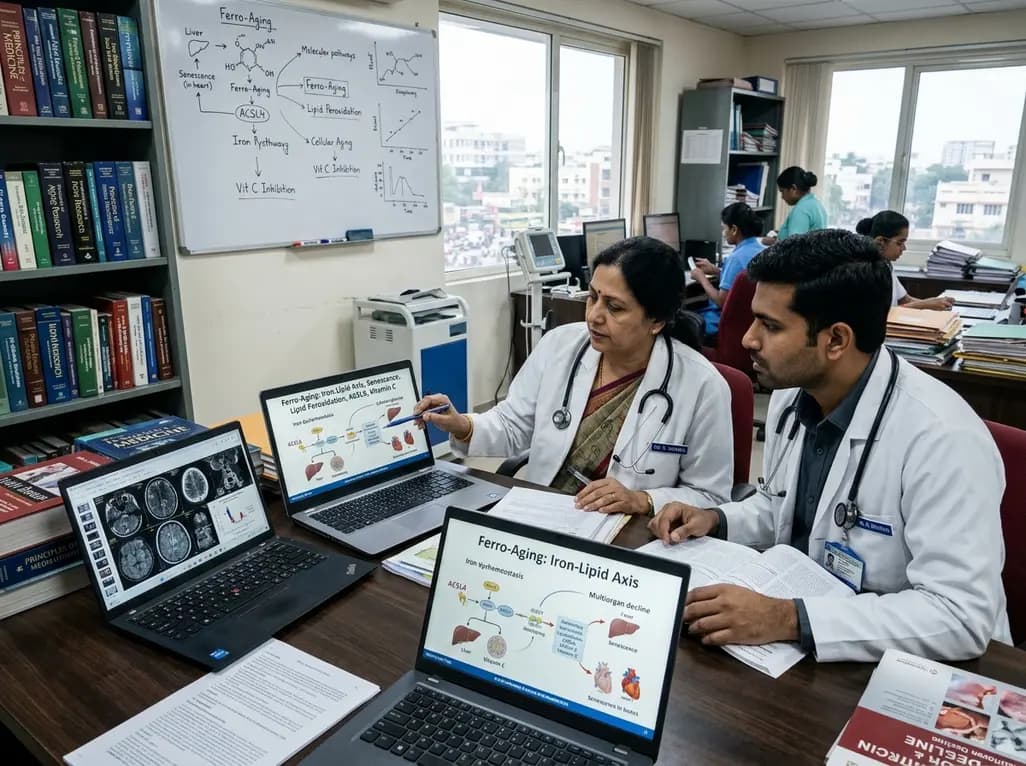
Recent research defines ferro-aging as a conserved iron-lipid axis driving organ decline across primates. Age-related iron dyshomeostasis stimulates ACSL4-mediated lipid peroxidation, promoting cellular senescence. Notably, vitamin C directly inhibits ACSL4, suppressing phospholipid oxidation and multi-organ decay.
Today
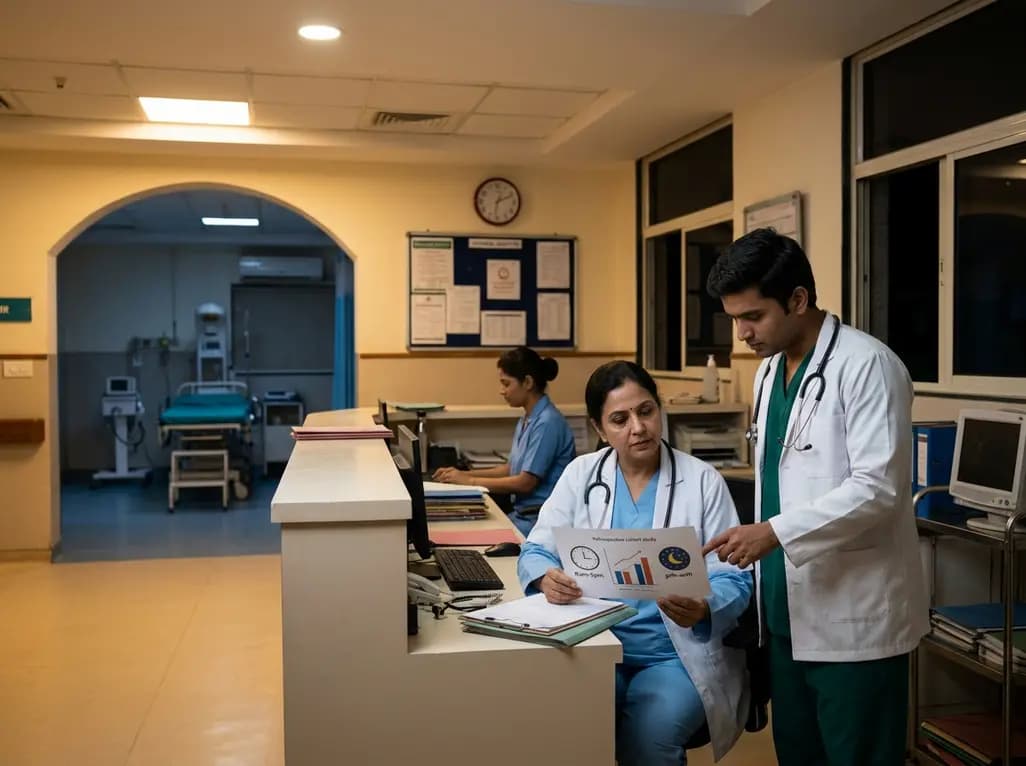
A retrospective cohort study evaluated 1,000 low-risk singleton births to assess maternal and neonatal outcomes during office-hours versus off-hours. Off-hours deliveries were significantly associated with higher odds of intrapartum cesarean sections and episiotomies, highlighting critical obstetric staffing considerations.
Today
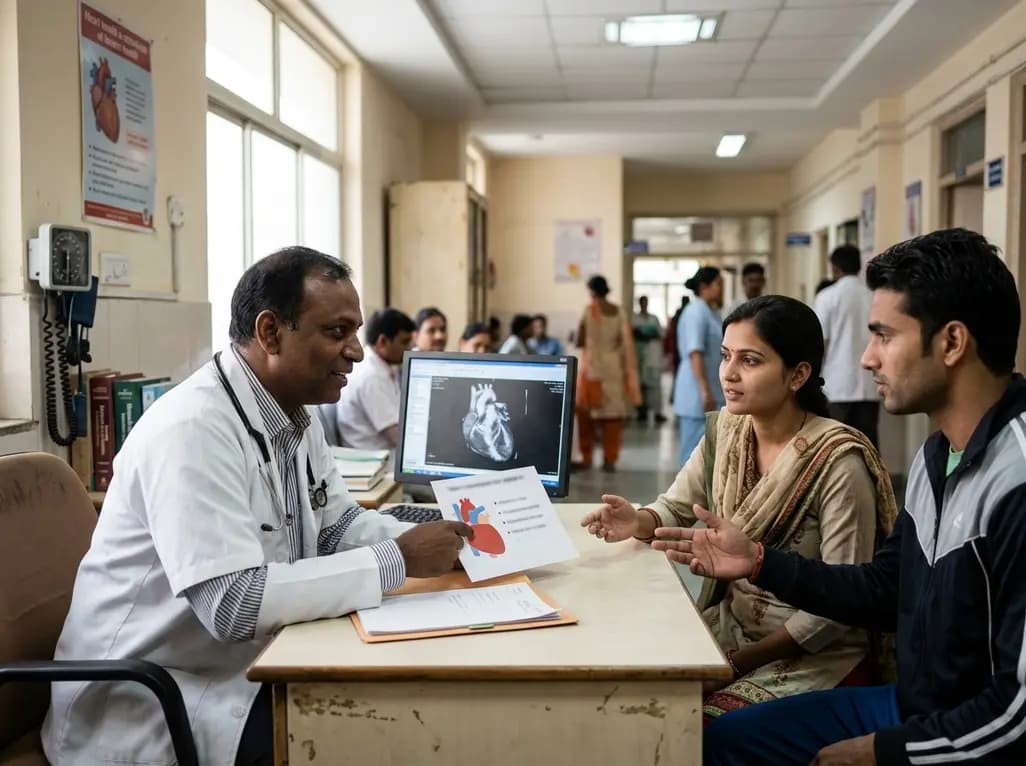
New clinical evidence demonstrates a shift away from strict exercise restrictions in genetic heart disease. While patients with channelopathies engage in more vigorous activity than those with cardiomyopathies, shared decision-making and individualized risk assessments ensure safe, beneficial exercise participation.
Today
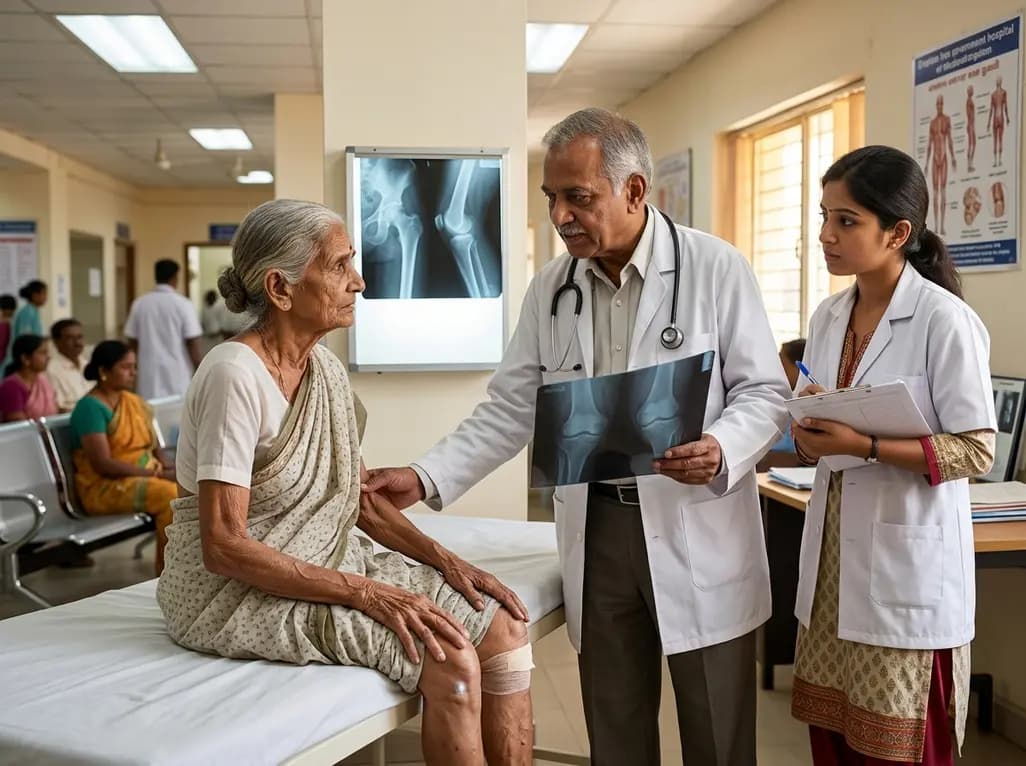
Sarcopenia significantly impairs functional independence and amplifies fracture risks in patients with osteoarthritis and osteoporosis. Learn about modern diagnostic strategies, GLP-1 therapy considerations, and evidence-based non-pharmacological management across multidisciplinary clinical settings.
Today
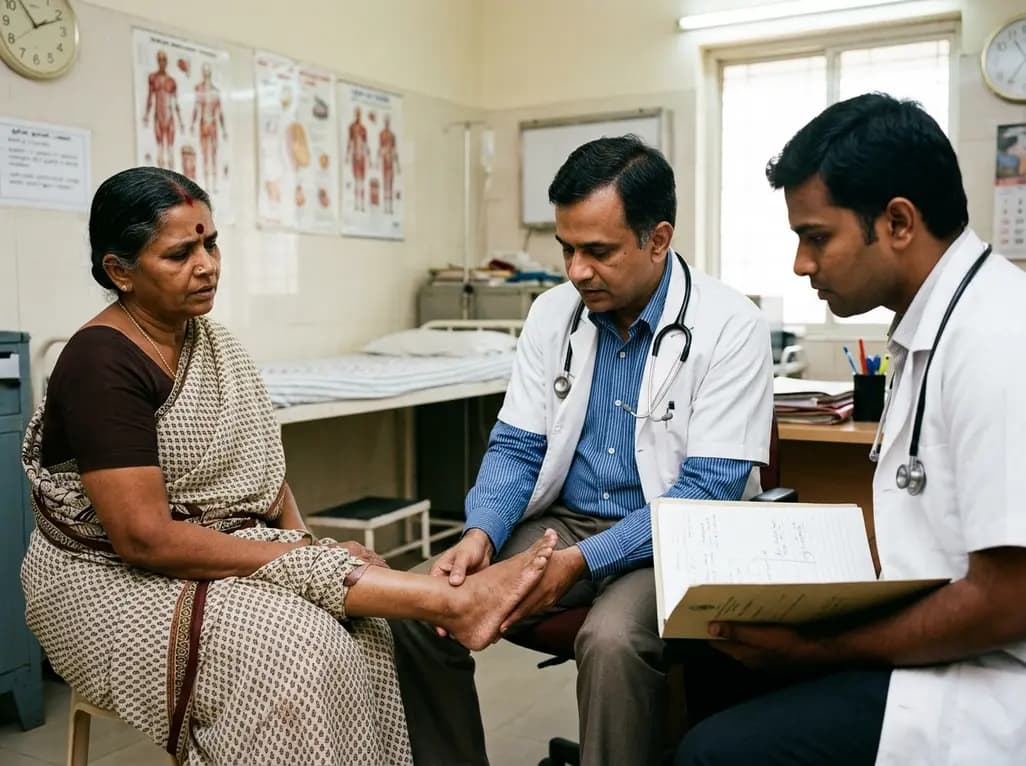
Discover how to identify superimposed entrapment neuropathy in diabetic patients. This review details clinical evaluation, surgical decompression evidence, and a structured algorithm for primary care referrals to prevent ulcers and preserve limb function.
Today
