.webp&w=384&q=75)

Loading, please wait...
Loading, please wait...
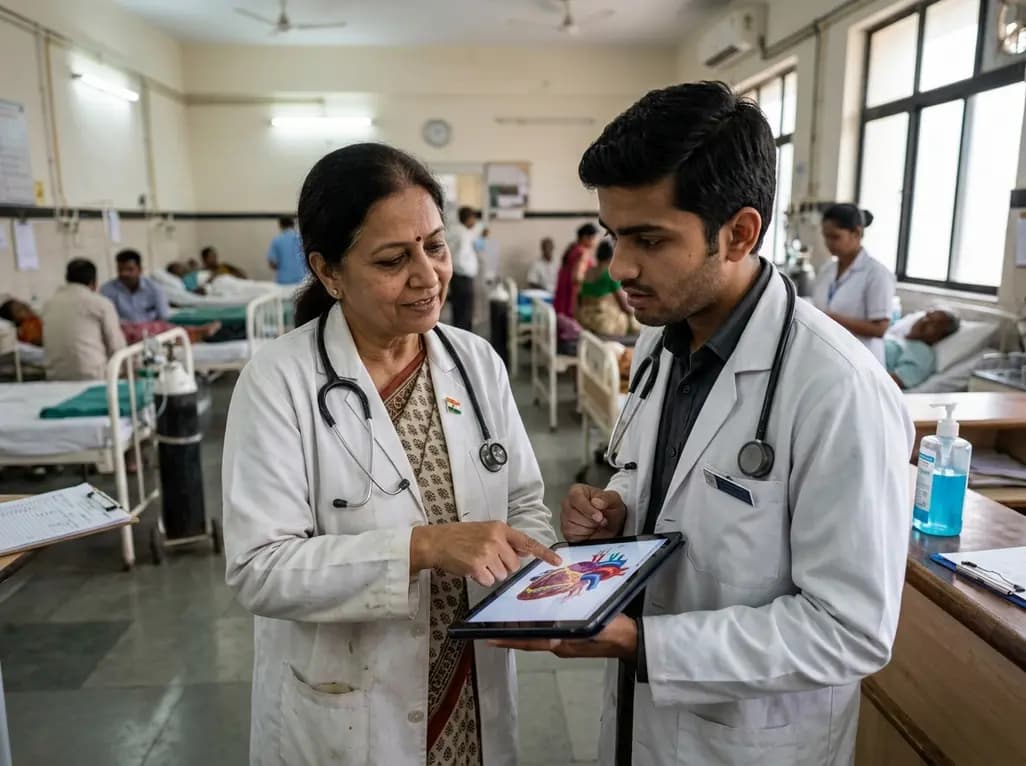
In the modern healthcare landscape, the rapid spread of digital rumors presents a significant challenge to public safety. Patients frequently encounter misleading advice on social media platforms, which can lead to dangerous self-medication or the rejection of evidence-based treatments. Consequently, the role of healthcare professionals in correcting online health misinformation has become more critical than ever. Nurses, who often serve as the primary point of contact for patients, are uniquely positioned to act as gatekeepers of truth. However, their willingness to intervene in digital spaces varies widely based on individual and environmental factors. Understanding what motivates a nurse to hit the 'reply' button and refute a false claim is essential for modernizing healthcare communication. This study explores these complex dynamics through advanced predictive modeling, offering a glimpse into the psychological and professional drivers of digital intervention.
Healthcare systems worldwide are currently grappling with an 'infodemic.' This term describes an overabundance of information, including deliberate attempts to disseminate wrong medical facts. While doctors are often busy with acute clinical tasks, nurses frequently engage in patient education. Therefore, empowering nurses to address these digital myths can significantly amplify public health efforts. Notably, the transition from traditional bedside care to digital advocacy requires a specific set of skills and a robust sense of professional duty. By analyzing these factors, we can develop better training programs that support frontline workers in this new digital battlefield. This proactive approach not only protects individual patients but also strengthens the collective trust in medical institutions during times of crisis.
To unravel the factors influencing a nurse's decision to act, researchers utilized a sophisticated nationwide cross-sectional survey. This study involved over 1,100 registered nurses and employed machine-learning algorithms to identify patterns that traditional statistics might miss. Specifically, the team tested seven different models, including Random Forest and XGBoost. Ultimately, the ExtraTrees model emerged as the most accurate predictor of a nurse's intention to correct misinformation. Beyond mere prediction, the study utilized SHapley Additive exPlanations, commonly known as SHAP analysis. This tool is groundbreaking because it makes 'black-box' machine-learning models interpretable. It allows researchers to see exactly how much each variable, such as age or literacy, contributes to the final prediction. This level of transparency is vital for creating evidence-based interventions in nursing education.
Furthermore, the study didn't stop at machine learning. The researchers integrated structural equation modeling to validate the theoretical relationships between key predictors. This hybrid approach ensures that the findings are not just statistically significant but also theoretically sound. By splitting the data into training and test sets, the study maintained high levels of accuracy and recall. Consequently, the results provide a highly reliable foundation for policy-making. This methodological rigor is essential when dealing with complex human behaviors like digital communication. It moves the conversation from anecdotal evidence to data-driven insights. Such precision is necessary because healthcare resources are often limited, and interventions must be targeted toward the most influential drivers of behavior to be effective.
The most influential factor identified by the SHAP analysis was the perception of information-related harm. When nurses recognize that a specific piece of misinformation could cause physical or psychological harm to patients, they are significantly more likely to intervene. This suggests that their corrective behavior is deeply rooted in the ethical principle of non-maleficence. If a nurse perceives a post about 'miracle cures' as a genuine threat to life, their professional instinct to protect takes over. Moreover, this relationship was found to be consistently monotonic. This means that as the perceived risk increases, the intention to correct also rises steadily. Consequently, training programs should focus on helping nurses identify the specific clinical risks associated with common online myths.
Another critical driver is the perceived trustworthiness of the information. Nurses are trained to evaluate the quality of evidence, and this skill translates into their digital lives. When they encounter information that lacks scientific merit or comes from an unreliable source, their intention to provide a correction increases. Interestingly, this highlights a dual-processing mechanism. Nurses first evaluate the risk of the content and then assess the credibility of the source. If both factors align, the likelihood of a proactive response is high. Additionally, the study found that nurses with higher levels of clinical experience often have a more nuanced understanding of these risks. They can see the long-term consequences of a patient following poor advice, which fuels their desire to provide accurate alternatives. This professional competence is a vital asset in the fight against digital health rumors.
Competence in correcting online health misinformation is not just about medical knowledge; it requires high levels of eHealth literacy. This study demonstrated that a nurse's ability to locate, evaluate, and apply digital health information is a strong predictor of their intention to act. eHealth literacy serves as a bridge that connects clinical expertise with digital communication skills. Without these skills, even a highly knowledgeable nurse might feel hesitant to engage online. They might fear technical difficulties or feel overwhelmed by the sheer volume of digital content. Therefore, increasing digital literacy is a prerequisite for any nurse-led public health campaign. When nurses feel confident in their digital abilities, they are more likely to view the internet as a tool for positive change rather than a source of frustration.
Moreover, the study revealed that eHealth literacy has a strong positive effect on other psychological factors. For instance, nurses with higher digital literacy also reported a greater awareness of the harms caused by misinformation. This suggests that being digitally savvy helps them better navigate the nuances of online discourse. They can more easily distinguish between a harmless rumor and a dangerous medical lie. Consequently, eHealth literacy does not exist in a vacuum; it enhances the nurse's overall professional judgment. By investing in digital skill-building, healthcare organizations can empower their staff to become proactive health advocates. This is particularly important in an era where patients are increasingly turning to the internet for answers before they even set foot in a clinic. A digitally literate nursing workforce acts as a powerful buffer against the spread of harmful health narratives.
The clinical environment plays a surprisingly large role in shaping a nurse's digital behavior. The study found that nurses working in general wards were more likely to express an intention to correct misinformation compared to those in specialized departments. This might be because general ward nurses encounter a wider variety of patient concerns and myths daily. Their broad exposure to different health conditions makes them more sensitive to the diverse range of misinformation circulating online. Additionally, the work environment itself can either facilitate or hinder digital engagement. A culture that encourages patient education and professional development likely fosters a stronger sense of duty to correct errors outside the hospital walls. Conversely, high-stress environments with severe staff shortages may leave nurses with little energy for digital advocacy.
Furthermore, education level emerged as a significant predictor. Nurses with higher degrees often reported a stronger sense of professional identity and a greater commitment to evidence-based practice. This suggests that advanced academic training reinforces the nurse's role as a public educator. They are taught to value the dissemination of accurate information as a core part of their professional mission. Interestingly, years of clinical experience also showed a positive correlation with correction intention. This might be due to the confidence that comes with years of practice. Experienced nurses are often more comfortable challenging incorrect statements because they have seen the real-world impact of those errors on patient outcomes. Therefore, both formal education and clinical tenure are essential components of a nurse's 'correction toolkit.' Hospitals should leverage the expertise of these senior nurses to mentor younger staff in the art of digital health communication.
While the study was conducted in a specific regional context, its findings offer profound lessons for the Indian healthcare system. India faces a unique challenge with the massive spread of health misinformation through encrypted messaging apps like WhatsApp. In this context, nurses are often the most trusted health figures in rural and semi-urban communities. Therefore, the focus on correcting online health misinformation should be integrated into the Indian nursing curriculum. By emphasizing risk perception and eHealth literacy, Indian nursing colleges can prepare the next generation for the infodemic. Training should not only focus on clinical skills but also on the ethics of digital engagement. This will help nurses navigate the complex social dynamics of refuting myths in their local communities without damaging patient-provider trust.
Additionally, healthcare administrators in India should consider creating supportive environments for digital advocacy. This could include providing official guidelines on how to respond to common health myths online. When nurses feel they have the backing of their institution, they are more likely to speak up. Furthermore, the use of AI and machine learning, as demonstrated in this study, could be used to identify regional misinformation trends in India. This data could then be shared with nurses, allowing them to proactively address the most prevalent and dangerous rumors. By turning nurses into digital health leaders, India can build a more resilient public health infrastructure. Ultimately, the goal is to ensure that every patient, regardless of their location, has access to accurate and life-saving health information in the palm of their hand. The nursing profession is the heartbeat of healthcare, and its pulse must now be felt in the digital world as well.
eHealth literacy is fundamental because it provides the technical and critical thinking skills required to navigate digital platforms. Nurses with high eHealth literacy can efficiently find credible sources and evaluate the potential harm of a post. This competence reduces the 'digital friction' or anxiety they might feel when considering a public correction. Furthermore, digital literacy enhances their confidence, making them feel like capable advocates who can effectively counteract dangerous rumors without causing further confusion or professional backlash.
Risk perception is powerful because it triggers a nurse's core professional ethics. In nursing, the duty to protect patients from harm is a primary motivator. When a nurse identifies that misinformation—such as a fake cure for a chronic disease—could lead to patient injury or death, the psychological impulse to intervene becomes very strong. This study shows that the perceived severity of harm directly correlates with action, suggesting that nurses prioritize interventions based on the immediate threat to public safety.
Higher education levels typically correlate with a more profound commitment to evidence-based practice and professional identity. Nurses with advanced degrees are often trained more extensively in research methodology and public health communication. This academic background fosters a sense of responsibility to maintain the integrity of medical information in the public sphere. They are more likely to view themselves as authoritative educators who have a social duty to ensure that patients are not led astray by unscientific claims.
Disclaimer: This content is for informational and educational purposes only. It is not intended to provide specific medical or professional advice. Healthcare professionals should always rely on their clinical judgment and the specific needs of their patients. Refer to the latest local and national guidelines for clinical practice.
References
Duan P et al. Multifactorial predictive model for nurses' intention to correct online health misinformation: A machine-learning and SHAP analysis. Public Health. 2026 Jul 01. doi: undefined. PMID: 42385290.
Swire-Thompson B, Lazer D. Public Health and Online Misinformation: Challenges and Opportunities. Annu Rev Public Health. 2020 Apr 1;41:433-451. doi: 10.1146/annurev-publhealth-040119-094127.
Ghenai A, Mejova Y. Fake Cures: User-centric Analysis of Health Misinformation on Twitter. Proceedings of the 2018 World Wide Web Conference. 2018:1197-1206. doi: 10.1145/3178876.3186018.

Read summarized clinical updates, watch expert medical content, and earn CME certifications right from your smartphone.
Open your smartphone camera to scan and install.





A new machine-learning study highlights that risk perception, education, and eHealth literacy are critical factors driving nurses to correct health misinformation online. These insights provide a roadmap for strengthening frontline healthcare responses to the global digital infodemic.
3 months ago

Discover the crucial role of glymphatic dysfunction in stroke, where perivascular clearance failure and neuroinflammation exacerbate cerebral edema and post-stroke brain injury.
Today

A prenatal case highlights severe glutaric acidemia type II presenting as bilateral hyperechoic cystic kidneys at 18 weeks. Whole-exome sequencing revealed a novel homozygous ETFDH frameshift variant, demonstrating the power of rapid genetic testing in fetal renal anomalies.
Today

Review how tailored exercise programs benefit frail older patients with heart failure. Explore pathophysiological mechanisms, individualized training prescriptions, and strategies to overcome adherence barriers in clinical practice.
Yesterday

This comparative study evaluates posterior labral tears with and without glenohumeral instability, highlighting distinct demographic patterns, MRI underestimation in stable shoulders, and successful arthroscopic repair outcomes.
Yesterday

A clinical study demonstrates that early intervention with tocilizumab, either as monotherapy or bridged with corticosteroids, achieves significant proptosis reduction and resolves active inflammation in treatment-naive thyroid eye disease.
Yesterday
