

Loading, please wait...
Loading, please wait...

Global healthcare systems increasingly focus on supporting aging in place to preserve patient autonomy and mitigate escalating institutional costs. However, severe physical frailty and chronic multimorbidity frequently compromise an individual’s ability to reside safely within their domestic environment. To address these vulnerabilities, structured nurse practitioner home visits offer a comprehensive clinical bridge between hospital facilities and community domiciles. A landmark 2024 international Delphi consensus study synthesized expert perspectives from four French-speaking countries to outline actionable criteria for these clinical initiatives. Consequently, this consensus framework provides essential parameters for deploying advanced practice providers directly into community residences.
Determining which individuals derive the greatest clinical benefit represents the foundational step for any community healthcare program. Therefore, the international expert panel identified several overlapping demographic and medical markers that define candidate selection. Foremost among these indicators are advanced chronological age, overt physical or cognitive decline, and documented vulnerability to institutionalization. Additionally, clinicians must prioritize individuals managing severe multimorbidity, substantial mobility limitations, social isolation, and compromised socio-economic security. Patients facing terminal illnesses who need structured end-of-life care also require this specialized domiciliary service. However, the panel recognized that distance alone should not dictate patient intake, because social vulnerability manifests across both rural and urban locales. Instead, clinicians must evaluate functional deficits and unmet medical needs when assessing eligibility. Moreover, primary care teams can safely direct specialized interventions toward individuals who experience escalating barriers when accessing routine outpatient appointments. By focusing on these defined physiological and social indicators, health authorities can direct valuable clinical resources toward individuals who face the highest risk of acute decompensation.
Advanced practice nurses execute comprehensive evaluations that address multiple biological and environmental variables simultaneously. Specifically, these clinicians conduct thorough physical examinations, review functional autonomy, and evaluate environmental fall hazards within the private residence. In addition, practitioners diligently review medication regimens to identify adverse drug interactions and reduce unnecessary polypharmacy. Because multimorbid seniors experience frequent physiological shifts, clinicians must actively titrate pharmacotherapy and alter therapeutic regimens during bedside consultations. Furthermore, practitioners order essential diagnostic investigations, evaluate nutritional markers, and interpret biological parameters without requiring disruptive patient transit. This direct clinical autonomy allows immediate therapeutic adjustments, thereby averting avoidable clinical decline. Consequently, early therapeutic intervention minimizes unnecessary visits to emergency departments. Beyond physical evaluations, clinicians also evaluate emotional stability and cognitive capacity during every domestic encounter. Therefore, the home assessment captures subtle changes in functional reserve that standard clinic visits routinely overlook. Through these rigorous medical assessments, practitioners stabilize unstable baseline conditions while honoring the patient's domestic comfort.
Fragmented communication between disparate healthcare sectors frequently imperils fragile community-dwelling individuals. To mitigate this fragmentation, advanced practice nurses function as vital conduits connecting primary care physicians, medical specialists, and allied healthcare professionals. Furthermore, these providers coordinate domestic supportive services, including physiotherapists, occupational therapists, dietitians, and home health aides. When clinical complications arise, the visiting clinician acts as an authoritative professional reference for auxiliary care teams and community staff. In addition, practitioners streamline crucial referrals to community palliative care services, physical therapy centers, or social welfare agencies. Consequently, family members and informal caregivers experience less administrative burden when navigating complex institutional health networks. Moreover, practitioners organize regular interdisciplinary case conferences to realign therapeutic goals with individual preferences. Thus, collaborative dialogue prevents conflicting therapeutic instructions and minimizes harmful medication redundancy. Ultimately, this coordinated approach ensures that each patient receives seamless, cohesive, and patient-centered clinical care across every phase of chronic disease management.
Sustainable management of chronic disability requires robust self-care capabilities and active caregiver involvement. Therefore, visiting clinicians dedicate substantial time to personalized therapeutic education during each domestic visit. Specifically, they educate individuals on recognizing early warning signs of disease exacerbation. For instance, they review sudden weight changes in heart failure and respiratory distress in chronic lung disease. In addition, clinicians train family caregivers in safe patient transfers, wound care management, and precise medication administration. Furthermore, practitioners provide continuous psychological support to alleviate caregiver stress and combat chronic emotional burnout. Consequently, family caregivers gain confidence and competence while managing demanding daily routines. Moreover, clinicians teach practical self-management strategies that encourage patients to preserve their independent functional abilities as long as possible. As a result, homebound individuals retain greater agency over their everyday personal health decisions. By bolstering caregiver resilience and patient knowledge, the home care model fosters a stable and secure home environment.
Effective implementation of community outreach initiatives depends heavily on flexible operational structures. First, the consensus study highlighted that multiple pathways should initiate these domestic consultations. Healthcare providers, social workers, informal family caregivers, and patients themselves can submit referrals for assessment. Furthermore, clinical teams must adapt visit frequency and consultation duration according to clinical acuity rather than rigid bureaucratic schedules. Acute exacerbations or post-discharge transitions naturally demand frequent home assessments, whereas stable maintenance requires less frequent monitoring. However, healthcare systems still encounter structural obstacles when implementing these comprehensive services. Specifically, legal scopes of practice, physician compensation models, and professional boundary disputes often impede advanced nursing autonomy. In addition, inadequate public funding mechanisms frequently constrain widespread expansion. To overcome these systemic hurdles, healthcare administrators must establish sustainable reimbursement frameworks, foster collaborative culture, and create clear interprofessional protocols. Consequently, health authorities can unlock the full potential of advanced domiciliary care across aging communities.
According to the international Delphi consensus, eligible candidates include older adults who experience severe physical or cognitive impairments, documented frailty, and progressive functional decline. Furthermore, clinicians prioritize patients who struggle with multiple chronic conditions, advanced mobility restrictions, social isolation, and low socioeconomic resources. Individuals requiring complex palliative care or end-of-life support at home also qualify. Referral pathways remain open to physician requests, allied health recommendations, and direct family or patient inquiries.
Standard home nursing primarily focuses on executing prescribed tasks, such as wound dressings, intravenous infusions, and medication administration. In contrast, nurse practitioners possess advanced diagnostic authority and autonomous clinical decision-making capacity. Consequently, they conduct comprehensive geriatric examinations, order laboratory diagnostics, diagnose acute complications, and directly adjust pharmacotherapy. Additionally, they lead multidisciplinary coordination, conduct advance care planning, and serve as primary clinical consultants for community health teams during complex medical situations.
By conducting comprehensive clinical evaluations directly in the home, practitioners detect subtle health deterioration before severe decompensation occurs. Therefore, timely medication titration and targeted non-pharmacological interventions prevent unnecessary emergency department visits and avoidable hospital readmissions. Furthermore, providing individualized patient education and dedicated caregiver coaching empowers families to manage chronic symptoms confidently. This holistic, proactive approach maintains functional independence, alleviates emotional caregiver burden, and fulfills patient desires to age safely in their familiar homes.
Disclaimer: This content is for informational and educational purposes only and should not be considered professional medical advice. Always seek the advice of a qualified physician or healthcare provider regarding a medical condition. Refer to the latest local and national guidelines for clinical practice.
References

Read summarized clinical updates, watch expert medical content, and earn CME certifications right from your smartphone.
Open your smartphone camera to scan and install.





An international Delphi consensus study identifies the core components of nurse practitioner home visits for frail patients, establishing clear eligibility criteria, essential clinical competencies, care coordination roles, and flexible delivery modalities to support safe aging in place.
Today
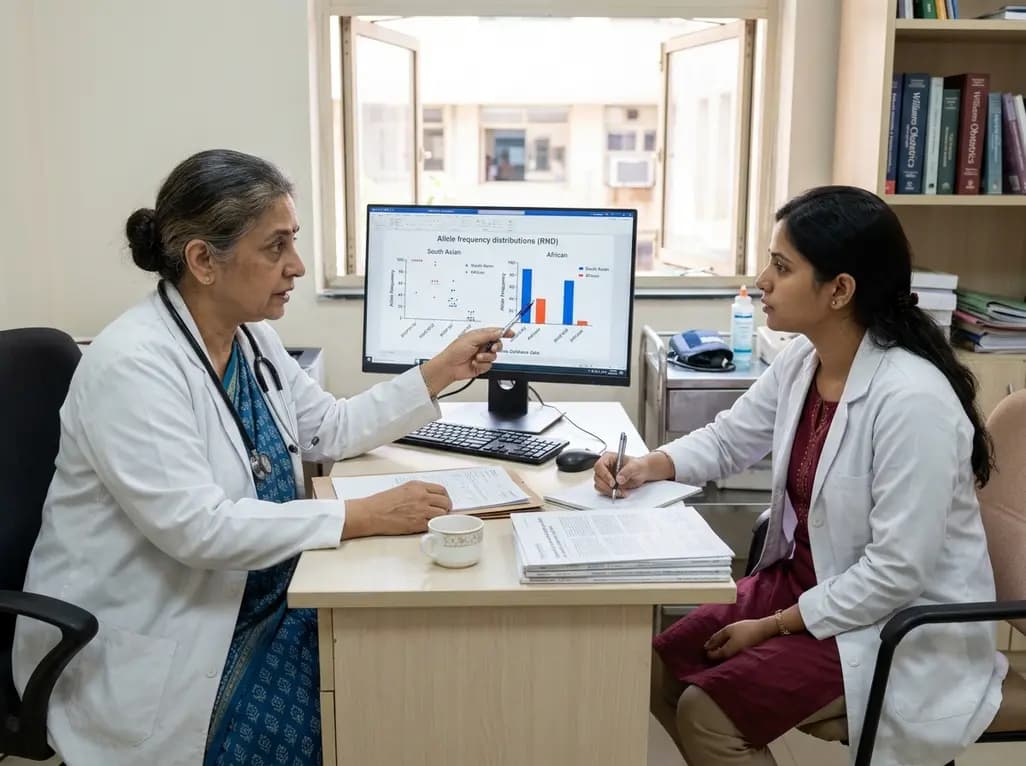
Large genomic databases like gnomAD and All of Us offer crucial insights into the population prevalence of partial RHD genotypes. Identifying these variants helps clinicians mitigate anti-D alloimmunization risks in transfusion medicine and obstetric care across diverse ancestral populations.
Today
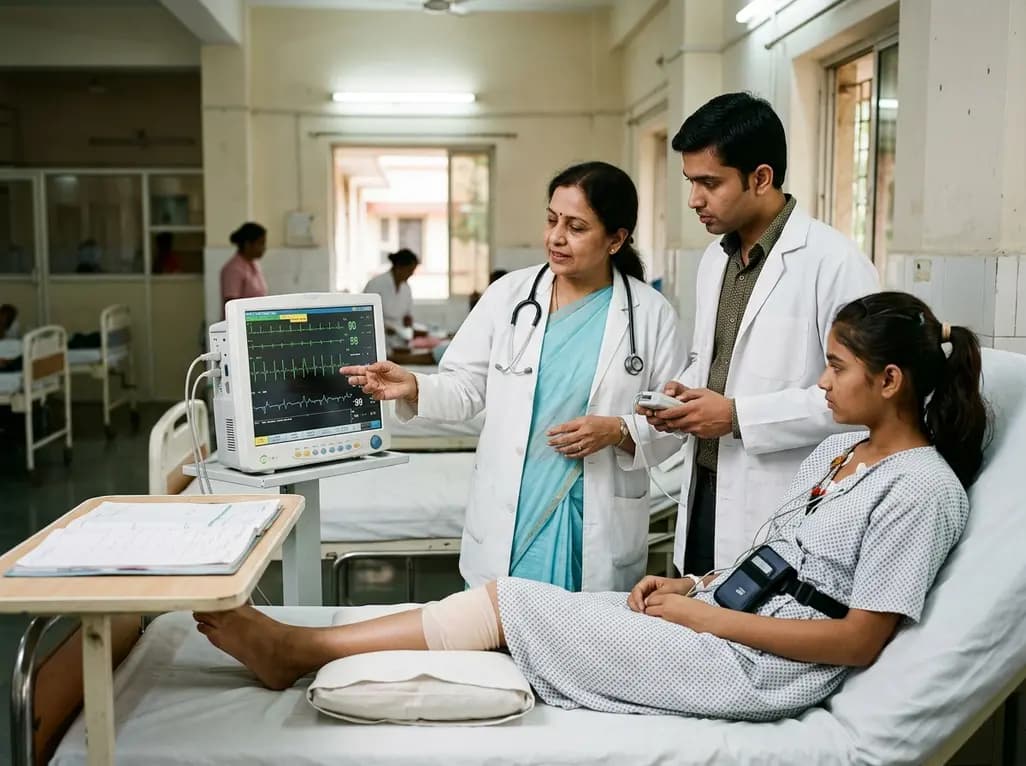
A 15-year-old patient presented with knee arthralgia and acute rheumatic fever, exhibiting complex arrhythmias including AV blocks and non-sustained ventricular tachycardia despite lacking severe valvulitis. This highlights the importance of extended Holter monitoring in pediatric rheumatic carditis.
Today
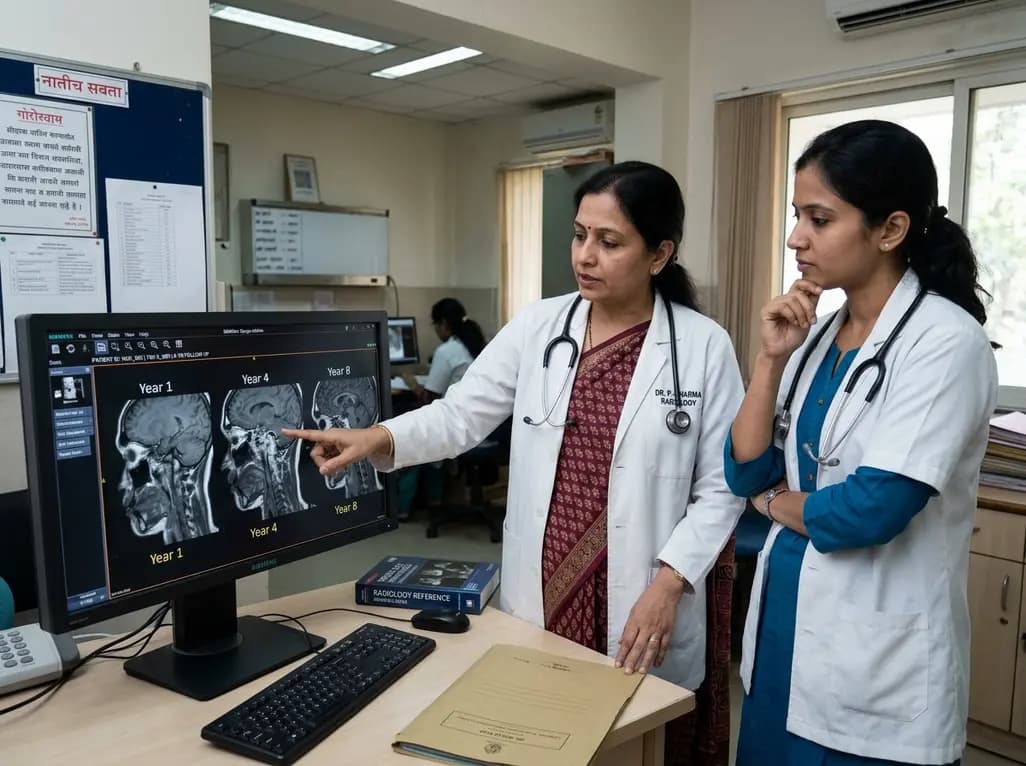
An eight-year longitudinal imaging follow-up reveals severe temporomandibular joint remodeling in nodulosis-arthropathy-osteolysis (NAO) syndrome. Despite extensive osseous destruction, the patient maintained functional jaw opening without TMJ interventions, highlighting the role of conservative management.
Today
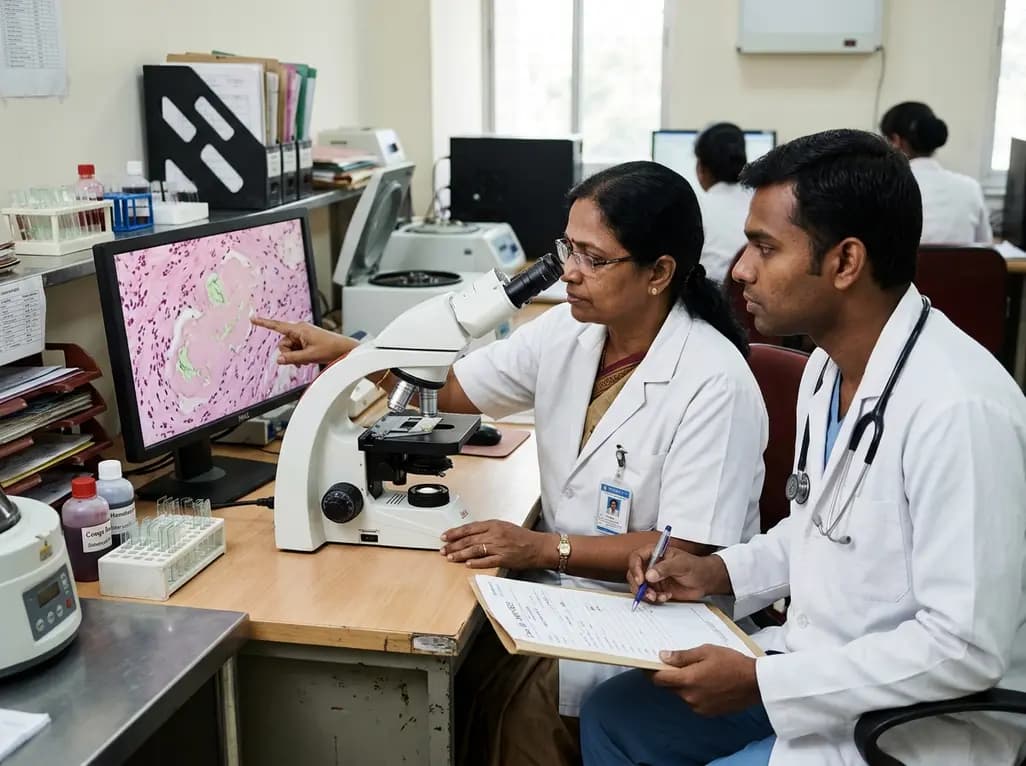
Discover essential clinical insights into AGLP1-type amyloidosis, a rare localized complication of glucagon-like peptide-1 analog injections. Learn how histopathology and mass spectrometry differentiate benign iatrogenic amyloidomas from systemic disease, preventing misdiagnosis and unwarranted therapies.
Today
