.webp&w=384&q=75)

Loading, please wait...
Loading, please wait...

Chemotherapy administration often triggers acute emotional distress and somatic discomfort among cancer patients. Consequently, integrative supportive measures are gaining prominence across modern oncology clinics to improve treatment tolerance. A landmark clinical study published in Pain Management Nursing investigates the immediate therapeutic utility of receptive music listening during chemotherapy. By evaluating individualised auditory sessions delivered directly at the bedside, the study highlights how structured nursing care relieves distress without interrupting essential medical regimens.
Systemic antineoplastic regimens represent an emotionally arduous milestone for cancer patients. During intravenous infusions, individuals frequently report heightened psychological apprehension alongside uncomfortable physical sensations. Specifically, patients endure venipuncture distress, persistent nausea, and heightened somatic pain perception. Furthermore, unaddressed acute distress during therapy impairs compliance and reduces overall quality of life. In high-volume daycare oncology wards, clinicians primarily depend on pharmacological symptom management. However, pharmacotherapy often carries unwanted adverse effects, including excessive sedation and drug interactions. Consequently, oncology healthcare providers actively seek safe, non-invasive adjunctive strategies that soothe patients during treatment. When clinical teams overlook procedural apprehension, patients frequently develop anticipatory anxiety during subsequent cycles. Therefore, introducing proactive supportive care directly within the infusion suite represents an urgent clinical priority. Integrating holistic nursing care addresses these distressing symptoms immediately, fostering a more compassionate outpatient environment for vulnerable individuals.
The recent study conducted across two public hospitals in Catalonia, Spain, evaluated a targeted supportive nursing intervention. Specifically, investigators implemented a quasi-experimental pre-post design involving 34 adult oncology patients undergoing active intravenous chemotherapy. Registered nurses administered a single, personalised receptive music listening session during treatment infusion. Patients selected auditory tracks tailored to their personal musical preferences and comfort. Before starting the session, nursing staff provided high-quality headphones to ensure acoustic immersion and minimise ambient clinical disruptions. Investigators then measured changes across three primary parameters: subjective mood, physical relaxation, and acute pain. To capture immediate post-intervention shifts, the authors employed validated visual analogue scales directly before and after each session. Paired statistical analyses assessed changes, and researchers calculated effect sizes to quantify clinical magnitude. Importantly, all 34 enrolled participants completed the auditory session without any protocol deviations or interruptions to chemotherapy delivery.
The investigation revealed statistically significant, clinically meaningful improvements across all evaluated endpoints. Following the brief receptive listening session, participants demonstrated substantial increases in overall mood and relaxation scores. Concurrently, self-reported pain levels declined significantly compared to pre-intervention baseline assessments. Effect sizes ranged from moderate to large, indicating that the intervention provoked meaningful physiological and emotional changes. Notably, zero adverse events or sensory overstimulation episodes occurred during the trial, establishing an exemplary safety profile for clinical application. In addition, the statistical improvements remained robust across diverse baseline distress levels. Patients noted that auditory engagement helped divert their focus away from intravenous equipment and clinical anxiety. Consequently, this simple bedside intervention transformed an otherwise stressful treatment appointment into a calming, therapeutic experience. Thus, structured receptive listening directly counteracts the sensory distress that often dominates conventional chemotherapy suites.
The therapeutic efficacy of receptive music listening relies on well-established neurobiological mechanisms. Auditory stimuli activate the limbic system, stimulate dopamine synthesis, and trigger the release of endogenous endorphins. Simultaneously, rhythmic acoustic patterns reduce cortisol production, dampen sympathetic tone, and foster parasympathetic autonomic predominance. Therefore, music effectively downregulates pain pathways by modulating gate-control mechanisms within the dorsal horn of the spinal cord. Beyond neurobiology, music acts as a powerful cognitive distraction, redirecting focal attention away from nociceptive cues. From an operational standpoint, this nurse-led intervention demonstrated remarkable institutional feasibility. Registered nurses integrated the listening protocol directly into routine infusion workflows without extending chair time. Unlike complex creative arts therapies requiring specialised music therapists, receptive music medicine allows ward nurses to guide patient selections seamlessly. As a result, healthcare centres can adopt this supportive technique rapidly without incurring substantial budgetary expenditures.
Implementing receptive music listening in high-volume daycare oncology centres offers practical benefits for contemporary practice. In low-resource settings, such as Indian cancer hospitals, infusion suites experience high patient turnover and heavy nursing workloads. Because bedside music delivery demands minimal supplies and no costly instrumentation, nursing leaders can standardise audio protocols effortlessly. Clinicians should establish digital libraries featuring curated genres, including classical melodies, ambient nature tracks, and culturally meaningful instrumental compositions. Furthermore, oncology nurses should screen incoming patients for baseline procedural anxiety during pre-infusion cannulation. Providing patients with individualised listening options restores a sense of agency and personal control during medical care. Additionally, multidisciplinary oncology teams can combine music listening with progressive muscle relaxation to amplify symptom relief. By embedding evidence-based supportive modalities into daily nursing practice, institutions enhance patient-centred care and boost patient satisfaction. Ultimately, proactive integration transforms routine infusion bays into comforting environments that promote holistic healing.
Receptive music listening involves patients listening to pre-recorded, carefully selected auditory tracks, typically guided by nurses or clinical staff to promote relaxation and comfort. In contrast, active music therapy requires a credentialed music therapist who engages patients in active composition, instrument playing, or vocalisation. While formal music therapy offers profound psychotherapy benefits, nurse-led receptive music listening provides an accessible, rapid, and scalable bedside intervention that fits seamlessly into busy outpatient infusion clinics.
Music listening serves as a supportive, non-pharmacological adjunct rather than an outright replacement for prescribed analgesics or antiemetics. It effectively reduces perceived nociceptive intensity by stimulating endorphin release and alleviating autonomic tension. Consequently, patients often experience enhanced symptom relief when pairing music with routine pharmacological care. While music decreases distress and procedural discomfort, clinicians must continue standard pain medications and antiemetic regimens in strict accordance with evidence-based oncology guidelines and individual patient clinical requirements.
Oncology nurses should prioritise patient preference rather than enforcing predetermined playlists, as autonomy plays a crucial role in therapeutic efficacy. Allowing patients to select their preferred genres, familiar melodies, or calming instrumental tracks enhances emotional engagement and relaxation. Furthermore, nurses should offer curated libraries of soothing acoustic, ambient, and cultural music with moderate tempos of 60 to 80 beats per minute. This rhythm synchronises heart rate, reduces blood pressure, and promotes rapid autonomic stabilization.
Disclaimer: This content is for informational and educational purposes only and does not constitute medical advice, diagnosis, or treatment. Healthcare professionals should exercise their independent clinical judgment when making treatment decisions. Always verify drug dosages, contraindications, and treatment protocols with current prescribing information and established medical guidelines. The opinions expressed reflect the current state of clinical research and do not substitute for professional medical consultation. Refer to the latest local and national guidelines for clinical practice.
References

Read summarized clinical updates, watch expert medical content, and earn CME certifications right from your smartphone.
Open your smartphone camera to scan and install.





A recent clinical study demonstrates that nurse-led receptive music listening during chemotherapy significantly improves patient mood, enhances relaxation, and reduces acute pain scores, offering an accessible, low-risk supportive intervention in oncology care.
Today

A randomized controlled trial compared conventional cold snare polypectomy with submucosal injection for 3-9 mm polyps. Both techniques demonstrated exceptionally low incomplete resection rates, though injection lowered the need to convert to endoscopic mucosal resection when forced pull was avoided.
Today

Maternal anaemia contributes to nearly half of pregnancy-related fatalities across India. To prevent complications, Uttar Pradesh has added single-dose parenteral iron to its essential medicines list. This clinical transition aims to restore haemoglobin rapidly and protect high-risk mothers across rural facilities.
Today
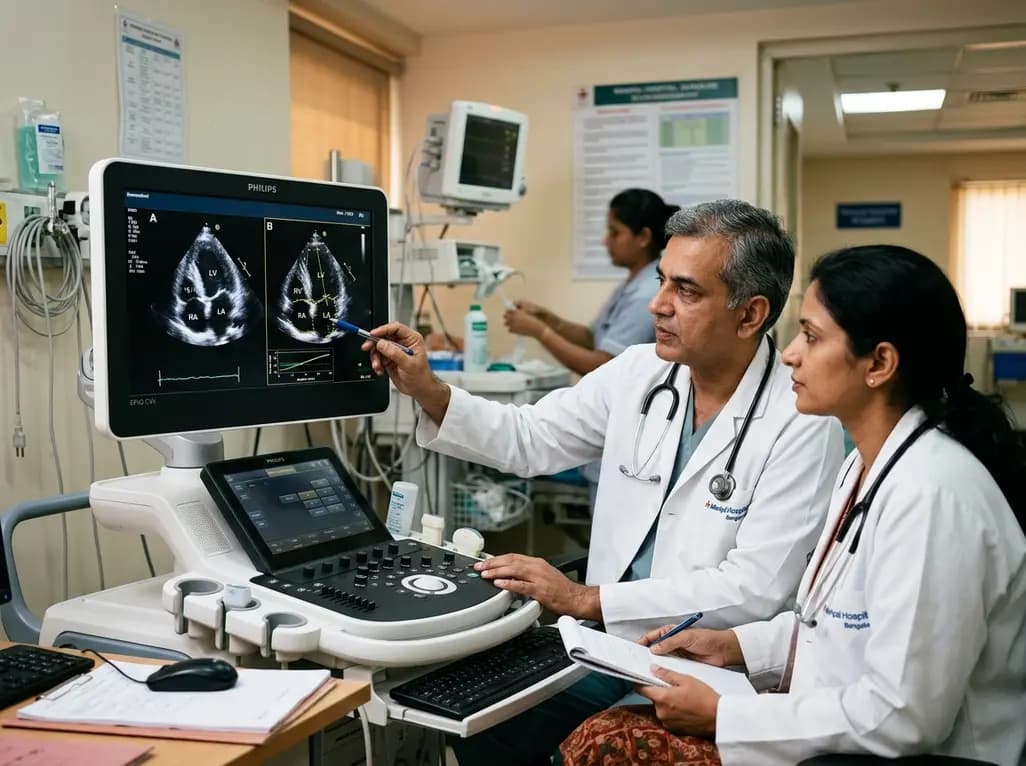
A multi-expert study shows pairwise deep learning accurately assesses echocardiographic rotational alignment in apical four-chamber views, outperforming pointwise regression. This technique improves automated image quality control and standardizes functional cardiac assessment.
Today

A longitudinal study of 1,055 chronic low back pain patients reveals that higher patient activation fosters constructive pain medication attitudes, reduces disability, and decreases short- and long-term opioid use through collaborative, multimodal care.
Today

A landmark cross-sectional study in Asian adults with type 2 diabetes identifies novel urinary metabolites linked to mild cognitive impairment. Elevated urinary sucrose and altered metabolites highlight non-invasive pathways for early cognitive risk stratification and targeted metabolic management.
Today
